Quick answer
A soggy pie crust is almost always caused by one of three things: a wet pie filling releasing liquid into the dough, an underbaked bottom that never set, or a dough that went into the oven too warm. Fix it by blind baking the crust first, thickening fruit fillings, sealing the crust with a thin layer of egg wash or jam, and baking on a preheated sheet pan. If the crust is already soaked through, no reheat will fully rescue it.
You pull a pie from the oven, the top looks golden, and the filling bubbles at the edges. Then you cut a slice and the bottom crust is pale, soft, and stuck to the plate. That is a soggy pie crust, and it is one of the most common pie problems home bakers run into.
The good news is that soggy bottoms are predictable. Once you know which of the four common causes is behind yours, the fix is usually one small change to your next bake. This guide walks through the symptom, the likely cause, the corrective action, and the point where you should stop trying to save the pie and choose a different approach.
Start with the symptom: where is the sogginess?
Before you change anything, look at where the crust is wet. A uniformly pale, doughy bottom points to an underbaked crust or a dough that was too warm. A bottom that is crisp at the edges but wet only under the filling points to a wet pie filling leaking liquid during baking. A crust that was crisp when it came out but turned soft after sitting overnight is a storage problem, not a baking problem.
Slice the pie while it is still warm and check the bottom with a spatula. If the crust bends like a noodle, it never set. If it flakes but the center is damp, the filling is the culprit. If it was fine yesterday and soft today, cover and refrigerate it and plan to reheat slices individually rather than the whole pie.
- Pale and doughy all over: underbaked or warm dough.
- Crisp edges, wet center: wet pie filling.
- Crisp on day one, soft on day two: moisture migration during storage.
Cause 1: you skipped blind baking
Blind baking pie crust means partially or fully baking the crust before the filling goes in. For custard, cream, and very wet fruit pies, this step is what prevents a soggy bottom. The crust sets and forms a moisture barrier before it ever meets the filling. If you poured a wet filling into raw dough, the bottom will steam rather than brown.
For a single-crust pie with a wet filling, chill the lined crust, dock it with a fork, line it with parchment and pie weights, and bake until the surface looks dry and just starting to color. Then remove the weights and bake a few minutes more if the recipe calls for it. Let it cool slightly before adding filling, and return the whole pie to the oven to finish.
- Chill the crust for at least 30 minutes before blind baking.
- Use pie weights or dried beans to keep the crust from puffing.
- If the edges brown too fast, cover them with foil or a pie shield.
Cause 2: your pie filling is too wet
Fruit releases juice as it heats, and that juice has to go somewhere. If your filling is watery before it goes in the oven, it will be watery in the oven too. Toss sliced fruit with sugar and let it sit for 15 to 20 minutes, then drain the released liquid and reduce it on the stove before mixing it back in. That concentrates flavor and removes free water.
Thickeners matter too. Cornstarch, tapioca starch, and flour all behave differently with acidic fruit and high heat. If your last pie was runny and the crust was soggy, increase the thickener slightly or switch to a type that sets firmly. A filling that holds its shape when cool is a filling that will not soak your crust.
- Drain macerated fruit and reduce the juices before filling the crust.
- Brush the baked crust with egg wash or a thin layer of jam to seal it.
- Let the pie cool completely so the filling sets before slicing.
Cause 3: the dough went in too warm or too thin
Butter in pie dough needs to stay cold until it hits the oven. If the dough is warm and greasy before baking, the fat melts out before the crust can set, leaving a dense, wet layer at the bottom. Roll the dough, line the pan, and then chill the whole thing in the fridge for at least 30 minutes before it goes in the oven.
A crust rolled too thin is also more likely to tear and leak. Aim for an even thickness across the bottom and up the sides. If you can see the pan through the dough, it is too thin. Patch any tears with a scrap of dough pressed firmly into place, then chill again before baking.
- Keep dough cold, work quickly, and chill before baking.
- Roll to an even thickness rather than as thin as possible.
- Patch tears before filling so liquid cannot seep through.
Cause 4: the oven or pan is working against you
A pie needs bottom heat to set the crust. If you bake on a rack in the middle of the oven with nothing underneath, the bottom may never get hot enough, especially in a glass or dark metal pan that heats unevenly. Place the pie on a preheated baking sheet or a pizza stone to give the bottom direct, steady heat.
Oven temperature matters too. If your oven runs cool, the crust will take longer to set while the filling releases moisture. Use an oven thermometer to check the actual temperature, and preheat fully before the pie goes in. Do not open the door repeatedly to peek, since that drops the heat right when the bottom crust needs it most.
- Preheat a sheet pan or stone and set the pie on it.
- Verify oven temperature with a separate thermometer.
- Avoid opening the oven during the first half of baking.
When to stop fixing and choose another option
If the crust is already soaked through and the filling has leaked, reheating will not bring back a flaky bottom. You can sometimes salvage the top by serving the filling as a spoonable dessert over the crispier edge pieces, but the soggy base will stay soft. At that point, stop baking and choose a different format for the next attempt.
For very wet fillings, consider a crumble topping instead of a bottom crust, a graham cracker or cookie crumb crust that does not need to set the same way, or a tart with a prebaked shell. These options trade the flaky bottom crust for a structure that handles moisture better. If you want the classic double-crust pie, plan for blind baking and a thickened filling from the start.
- Do not keep rebaking a pie that has already leaked; the crust will not recover.
- For very wet fillings, a crumb crust or crumble topping is more reliable.
- If you want a flaky bottom, commit to blind baking and a set filling.
Pie crust diagnosis: match the symptom to the fix
- Bottom is pale, doughy, and bends: The crust never set, usually because it was not blind baked or the dough went in warm. Chill the lined crust, blind bake with weights, and bake on a preheated sheet pan next time. Fix: blind bake and preheat the pan. Stop if the crust is already soaked through.
- Edges are crisp but the center under the filling is wet: The filling released too much liquid. Drain macerated fruit, reduce the juices, increase the thickener, and seal the crust with egg wash or jam before filling. Fix: thicken and seal. If it is already wet, serve the filling separately.
- Crust was crisp on day one and soft on day two: Moisture moved from the filling into the crust during storage. Cool the pie completely, store it loosely covered at room temperature, and reheat individual slices rather than the whole pie. Fix: storage and reheating. Do not rebake the whole pie to crisp it.
- Crust is wet only where the filling leaked through a tear: A thin or torn spot let liquid seep in. Patch tears with a scrap of dough, press firmly, and chill again before baking. Roll to an even thickness rather than as thin as possible. Fix: patch and chill. If the leak is large, switch to a crumb crust.
Bakery options that pair well with pie
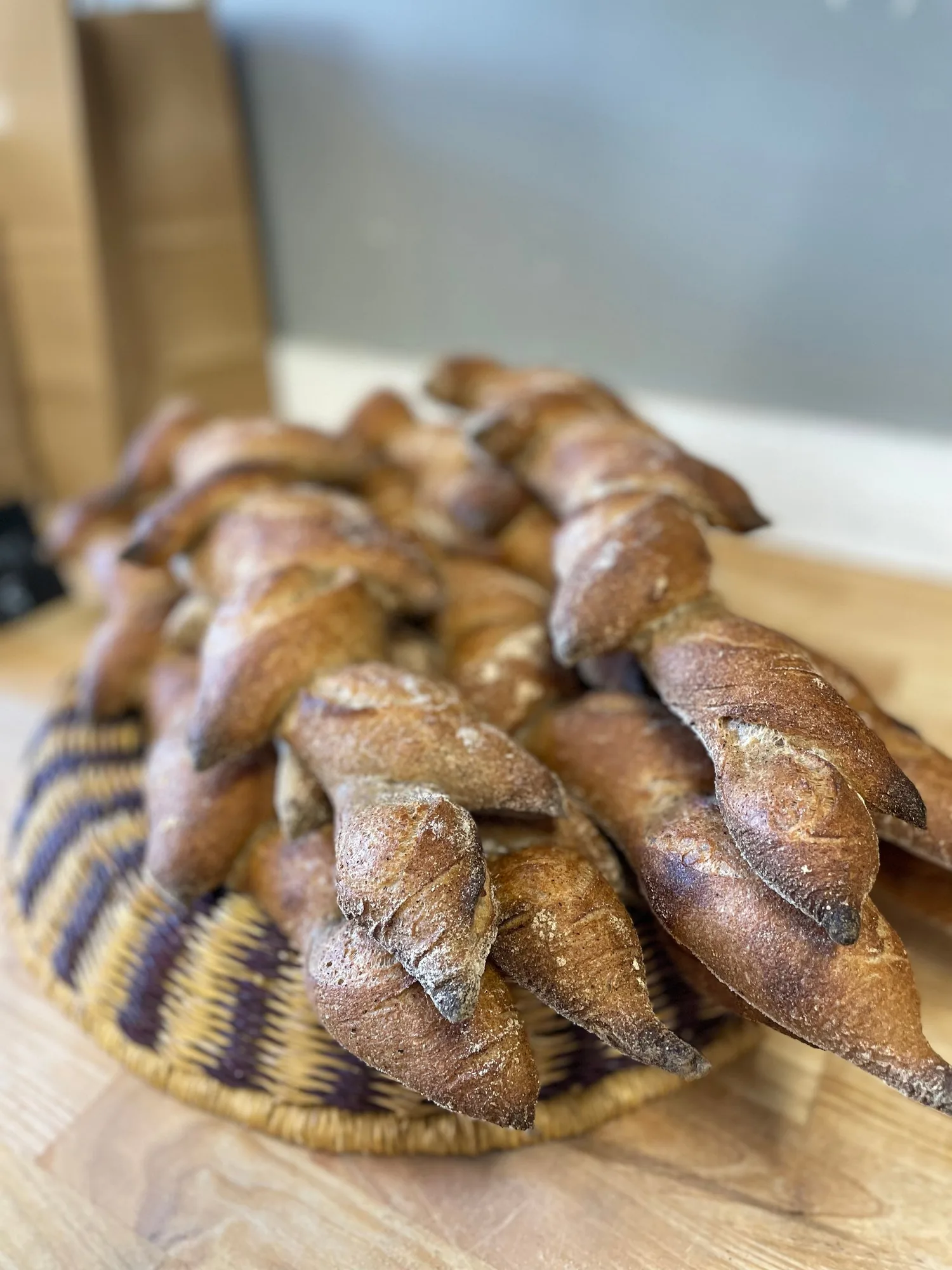
- Sourdough Epi Baguette: The Sourdough Epi Baguette from Kneads is a pull-apart baguette shaped to resemble a wheat stalk, with each piece pulling away from the loaf. If you are serving pie for dessert, a shareable bread like this works well on the same table without competing with the pie's texture.
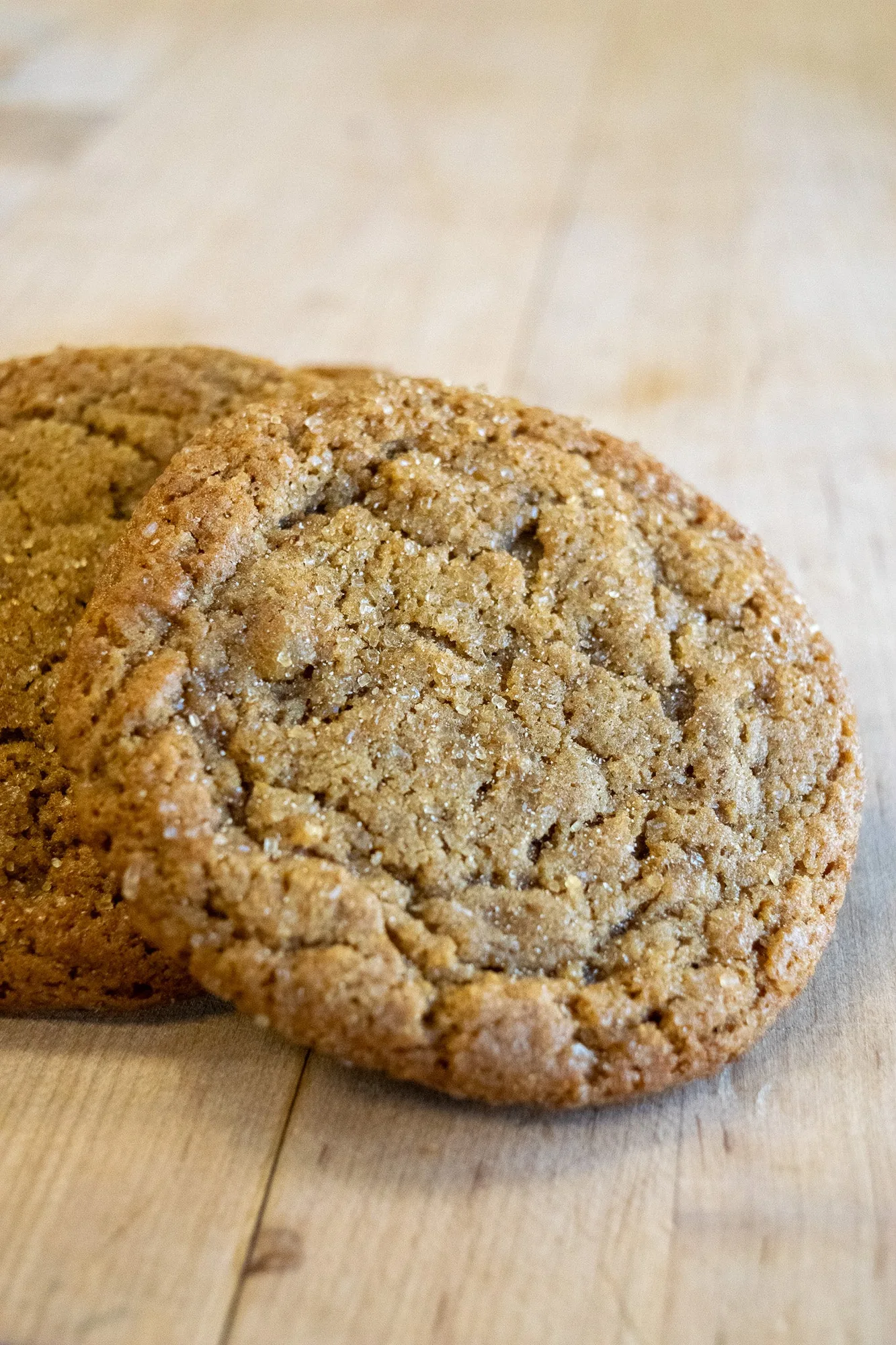
- Ginger Cookie: Ginger Cookie from Kneads is a bakery-style cookie in the Pastries & Scones category, tagged for Mother's Day and Pastries. A simple cookie is a useful backup dessert when a pie does not set as planned, and it pairs well with coffee or tea.
Soggy pie crust is rarely a mystery. Check where the sogginess is, match it to the cause, and change one thing next time: blind bake, thicken the filling, keep the dough cold, or preheat the pan. If the crust is already soaked, stop trying to rescue it and choose a crumb crust or crumble topping instead.