Quick answer
Most job hunting books rely on outdated assumptions about resumes and hiring. To actually get hired, you need to adapt your approach to how recruiters and hiring managers work today.
The one-size-fits-all resume is a myth
Traditional career guides often tell you to craft a single, polished resume and send it everywhere. But in today's market, recruiters spend only seconds scanning each application. A generic resume that doesn't immediately show your specific value gets passed over.
The real job search reality is that customization wins. Tailoring your resume and cover letter to each role—highlighting the exact skills and results the employer asks for—makes a far bigger difference than a perfectly formatted but generic document.
Why old advice feels out of touch
Many career advice books were written for a pre-digital hiring process. They emphasize networking events, paper resumes, and waiting for a callback. But today, most applications go through applicant tracking systems, and initial conversations often happen over video.
That doesn't mean the books are useless. It means you should read them with a filter: take the underlying principles—like clarity, confidence, and preparation—and apply them to the current tools and channels you actually use.
Five job hunting myths—and what to do instead
- Myth: A perfect resume gets you hired: Verdict: False. A resume that clearly shows your value for a specific role beats a flawless generic one. Customize your application for each job. Before you send an application, check that your resume mentions at least three skills or achievements from the job posting.
- Myth: Applying online is a waste of time: Verdict: Partly true—but only if you send the same application everywhere. When you tailor your materials, online applications still work. Spend 20 extra minutes per application to align your language with the posting, and track which roles you've customized.
- Myth: More applications mean more interviews: Verdict: False. Quality beats quantity. A focused list of roles you're genuinely qualified for will outperform a scattergun approach. Limit yourself to 5–10 targeted applications per week instead of blasting out dozens.
- Myth: You should hide employment gaps: Verdict: False. Honest and brief explanations build trust. Frame gaps as time for learning, caregiving, or skill-building. Prepare a one-sentence positive explanation for any gap you might be asked about.
- Myth: Networking only happens at events: Verdict: False. LinkedIn messages, informational interviews, and alumni groups count as networking. A quick, respectful note can open doors. Reach out to one person per week in your target industry—not to ask for a job, but to learn.
A modern take on getting hired
-
Get Hired, Get Paid, Get Happy: Get Hired, Get Paid, Get Happy by Sho Dewan is a blueprint to break free from a toxic job and step into the career you've always wanted, written by the founder of Workhap. Instead of recycling old resume rules, this book focuses on how to convey your value quickly and navigate the changing job market—exactly where traditional guides fall short.
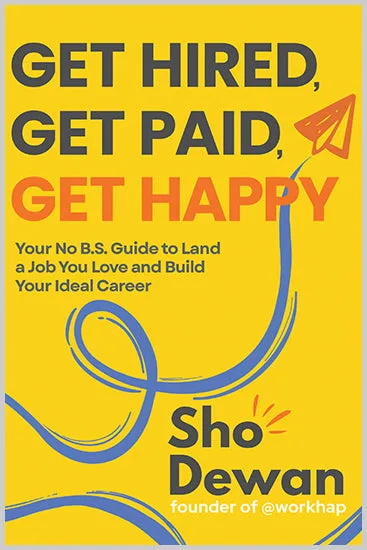
Get Hired, Get Paid, Get Happy