Quick answer
Most blurriness from night driving glasses comes from the wrong lens type for your eyes, a poor fit that lets glare sneak in, or dirty or scratched lenses. Check the lens tint and anti-reflective coating first, then verify the frame sits close without pressing. If the blur persists after those fixes, the glasses likely are not the right match for your vision or driving conditions.
Symptom: Everything looks soft or hazy, not just distant signs
If the whole scene looks slightly out of focus, the problem is usually the lens itself, not the road. Night-driving lenses are designed to sharpen contrast and cut glare, but they cannot correct a refractive error. Wearing a non-prescription night lens over uncorrected nearsightedness, farsightedness, or astigmatism will leave everything soft. The fix is either prescription night lenses or wearing your glasses underneath a fitover design. If you already wear prescription glasses, check that the night pair is not adding a second optical layer that shifts focus.
Symptom: Glare halos around headlights and streetlights
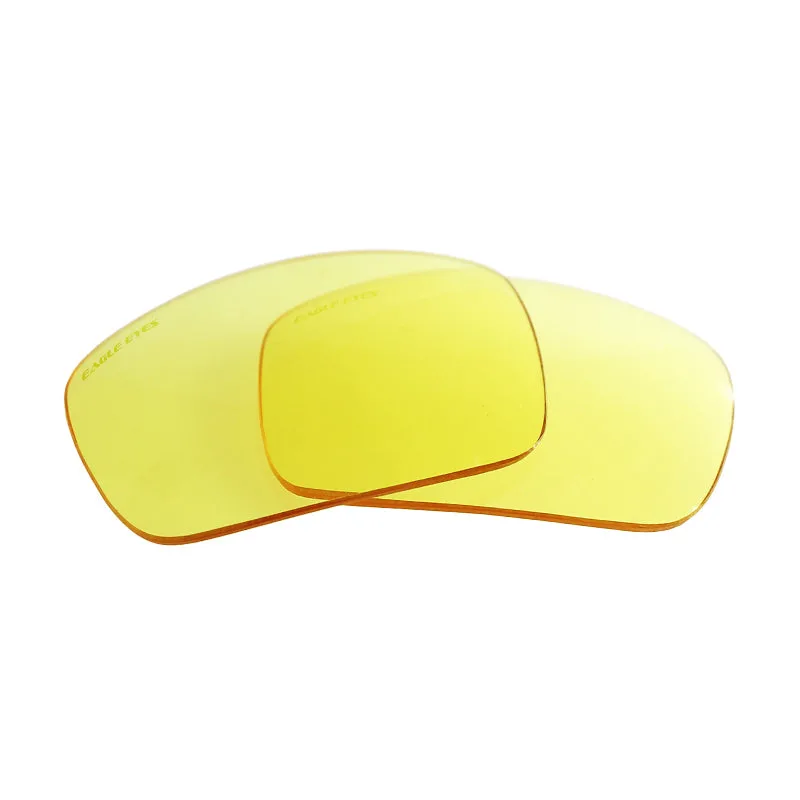
Halos and starbursts are a glare problem, not a blur problem, but they make vision feel blurry. Yellow night lenses with an anti-reflective coating reduce high-intensity glare from headlights, LED signage, and floodlights. If your current glasses lack that coating, or if the coating is scratched, glare will scatter and create that smeared look. Clean the lenses with a microfiber cloth and lens spray made for coated optics. Avoid paper towels or shirttails, which micro-scratch the coating. If the coating is already hazy or peeling, replacement is the practical fix.
Symptom: Blur only at the edges or when you turn your head
Edge blur usually points to frame fit, not lens quality. If the glasses slide down your nose or sit too far from your eyes, you look through the wrong part of the lens, and glare enters from the sides. Adjust the temples and nose pads so the frame stays centered and close without touching your lashes. A strap or retainer can help if the frame is otherwise correct. If the frame is too wide or too narrow for your face, no adjustment will fully solve it. In that case, choose a different frame size or a wraparound style that blocks side glare.
Symptom: Blur that started after cleaning or storing the glasses
Night driving lens care matters more than most people expect. Heat is the enemy: leaving glasses on the dashboard or in a hot car can warp the lens or damage the anti-reflective coating, causing permanent blur. Store them in a hard case when not in use. Clean with a gentle lens solution and microfiber, and avoid ammonia-based household cleaners. If the blur appeared suddenly after a cleaning, check for residue or a scratched coating. If the surface feels rough or looks cloudy under light, the lens is damaged and should be replaced.
When to stop adjusting and choose a different option
If you have checked the lens type, fit, and care routine and still see blur, stop forcing the same pair to work. Night vision glasses not working often means the lens category is wrong for your eyes or your driving environment. Some drivers do better with a clear prescription lens plus an anti-reflective coating, while others need a yellow non-polarized night lens. If you wear prescription glasses and want one system for day and night, a modular design can remove the guesswork. The key is to match the lens to your vision correction and the glare sources you actually face.
Night driving blur diagnosis
- Whole scene soft, near and far: Likely uncorrected vision. Night lenses do not replace a prescription. Try prescription night lenses or a fitover design that works with your glasses. If you have not had an eye exam in over a year, start there before buying another pair.
- Halos and starbursts around lights: Likely glare scatter from missing or damaged anti-reflective coating. Clean with microfiber and lens spray. If the coating looks cloudy or scratched, replace the lenses. A yellow non-polarized lens with a good anti-reflective coating is the right tool for this symptom.
- Blur at the edges or when turning your head: Likely frame fit. The glasses should sit close and centered without sliding. Adjust temples and nose pads, or switch to a wraparound frame that blocks side glare. If adjustments do not hold, the frame size is wrong for your face.
- Blur appeared after heat exposure or cleaning: Likely lens damage. Heat warps lenses and damages coatings. Store in a hard case and avoid ammonia cleaners. If the surface is rough or cloudy, the lens is done. Replace the lens rather than trying to polish away coating damage.
- All fixes tried, still blurry: The lens category may be wrong for your eyes or driving conditions. Consider a modular system that adapts to your prescription and light conditions, or switch to clear prescription lenses with anti-reflective coating. Stop adjusting and choose a different option when the same pair keeps failing after fit and care are ruled out.
Products that address common blur causes
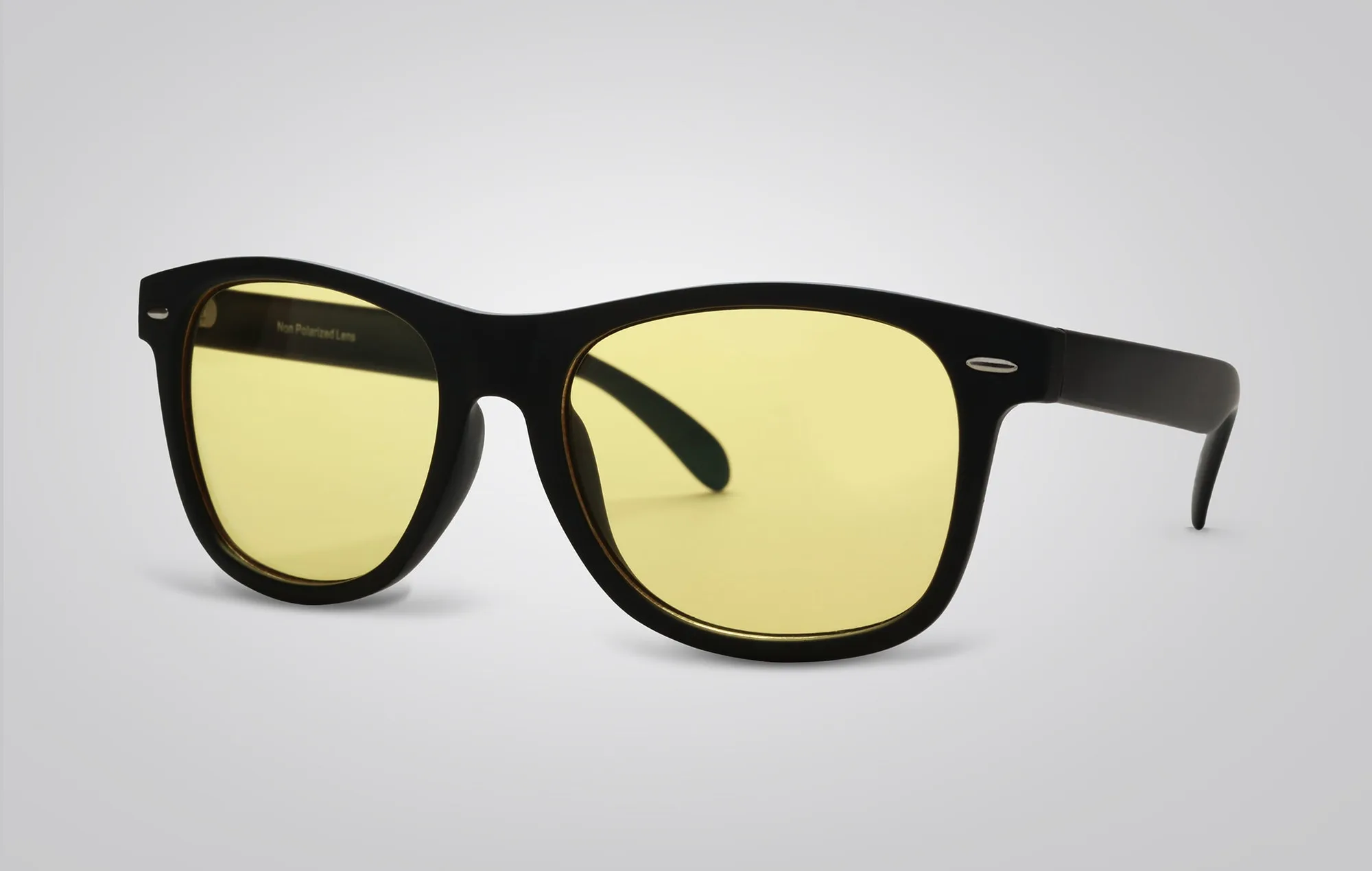
- Charlie Night: Charlie Night combines a retro club-style frame with Night-Lite technology, using micro-infused non-polarized yellow lenses and an anti-reflective coating to reduce glare from headlights, LED signage, and flood lights. If your blur comes from glare scatter rather than a prescription problem, this lens design targets the halos and smears that make night vision feel soft.
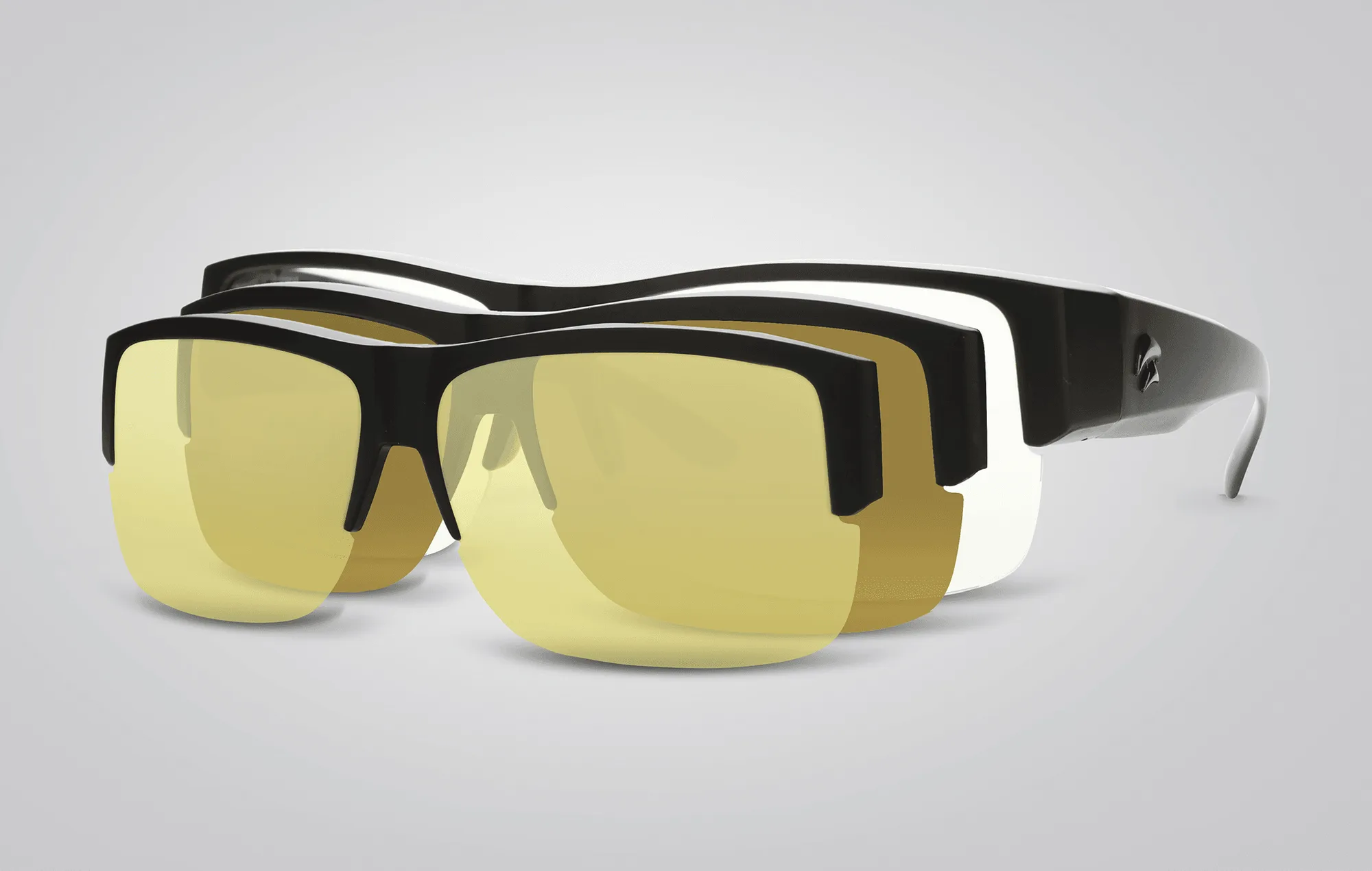
- 3in1 FitOn: 3in1 FitOn is a modular system with a TR-90 semi-rimless base frame and DigiTec technology that blocks blue light, designed to work over prescription glasses and adapt to day, low-light, and nighttime conditions. If you need prescription correction and your current night glasses do not accommodate it, this system lets you keep your glasses on and swap the outer lens instead of stacking blur-causing layers.
- RX Night-Lite® Lens: RX Night-Lite Lens is offered under the LensAdvizor brand in a Standard option. If the blur is caused by uncorrected vision, a prescription night lens removes the need to wear a separate pair of glasses underneath, which is a common source of double-layer distortion.