Quick Answer
Your perfume smells different on skin versus clothes because your skin's natural oils, pH, and heat interact with the fragrance, while fabric holds scent molecules differently. To enjoy both, spray on skin for the full evolving experience and on clothes for a longer-lasting, softer trail.
You spray your favorite fragrance, and it smells amazing on your wrist. But when you catch a whiff of your shirt later, it seems like a totally different scent. This isn't your imagination—it's chemistry at work.
Understanding why perfume behaves differently on skin and fabric can help you get the most from every bottle. Let's bust some common myths and give you practical tips for making your scent last.
Myth #1: Perfume Should Smell Exactly the Same on Everyone
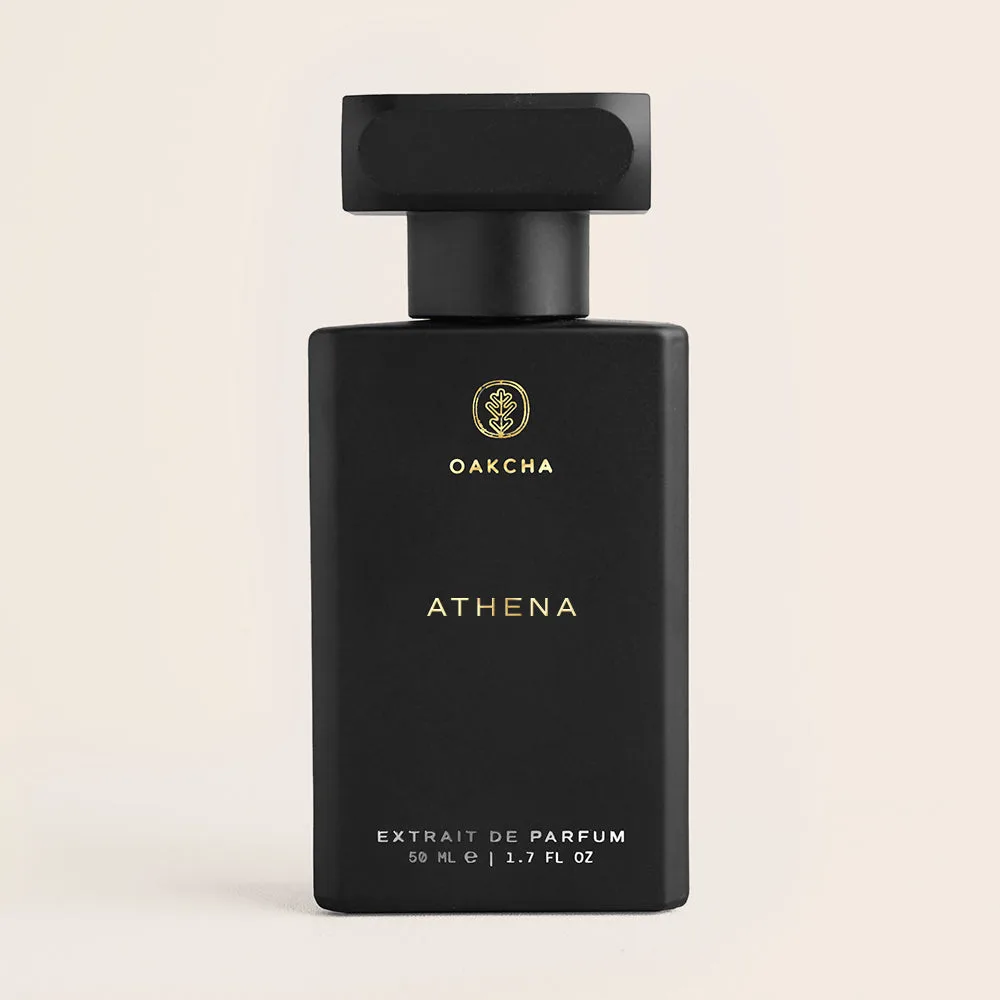
Many people believe that a fragrance has one fixed scent, but that's not true. Your skin's pH, moisture level, and natural oils can change how top, heart, and base notes unfold. For example, a citrus-floral scent like Athena opens with lemon blossom and California orange on skin, but on clothes, those bright top notes may linger longer without the warmth of your body to accelerate evaporation.
Athena
On fabric, fragrance doesn't interact with your skin's chemistry. The scent stays closer to the original composition but often lacks the dynamic evolution you get on skin. This is why a perfume can smell fruitier or more floral on one person and woodier on another.
- Test a fragrance on your skin before buying to see how it reacts with your body chemistry.
- If you love the scent but want it to stay true, consider spraying on clothes for a more consistent profile.
Myth #2: Spraying Perfume on Clothes Makes It Last Longer—Always
It's true that clothes can hold fragrance for a long time, sometimes even days. But that doesn't mean it's always the best choice. Fabric doesn't have the warmth or oils that help a fragrance develop, so you might miss out on the beautiful heart and base notes that emerge on skin.
Also, some fabrics can stain or trap scent in an unpleasant way. For a balanced approach, apply perfume to pulse points like your wrists and neck, and consider a light spritz on your scarf or collar for longevity without overwhelming the scent profile.
- Spray on skin first for the full experience, then add a spritz to clothing for extra staying power.
- Avoid spraying delicate fabrics like silk directly, as some oils can leave marks.
Myth #3: Rubbing Your Wrists Together Makes Perfume Last Longer
This is a classic myth. Rubbing your wrists together generates heat and friction, which can actually break down the fragrance molecules faster, causing the top notes to disappear more quickly. Instead, gently dab or let the perfume air-dry naturally.
The idea is to let the fragrance evolve on its own. When you apply perfume oil, like sinful-perfume-oil-254782">Sinful Perfume Oil, using the roll-on or dipstick method allows for even coverage without the destructive rubbing. Apply to pulse points and let it sit for a few seconds before dressing.
- After spraying, wait a moment before putting on sleeves to avoid transferring fragrance.
- Use a gentle touch—no rubbing, just a light press if needed.
How to Make Perfume Last on Clothes
If you want your scent to linger on your wardrobe, choose fabrics that hold fragrance well, like wool, cotton, and scarves. Spray from a distance of about 6-8 inches to distribute the scent evenly without over-saturating one spot.
You can also layer your fragrance by using a matching body lotion or oil underneath. For instance, applying Vanilla Glaze, a gourmand with bergamot, milk, and spun sugar, on your skin and then lightly misting your scarf can create a cozy, long-lasting aura.
- Spritz on the inside of your coat or on a scarf for a subtle scent that lasts all day.
- Reapply to skin after a few hours, but clothes may not need a refresh.
Understanding Fragrance Chemistry on Skin
Your skin is a living surface. Its temperature and oil content influence how fast a perfume evaporates and which notes are emphasized. Warmer areas like your neck and chest tend to project more, while cooler spots like wrists may keep the scent closer.
Fragrances with certain ingredients, like the creamy toffee and sandalwood in Vanilla Glaze, tend to be warmer and more skin-hugging, while citrus notes in Athena may fade quicker on oily skin. Knowing this can help you choose where to apply and how often to reapply.
- Apply to pulse points for maximum projection, but be aware that heat can shorten the scent's life.
- Moisturized skin holds fragrance longer—apply an unscented lotion before perfume.
Myth vs. Fact: Perfume Application
- Claim: Perfume smells the same on everyone: False. Skin chemistry alters how notes develop. Always test on your own skin.
- Claim: Rubbing wrists makes perfume last longer: False. Rubbing breaks down molecules and speeds up fading. Dab gently or let it air-dry.
- Claim: Clothes hold fragrance better than skin: Partly true. Clothes last longer but lose the scent's evolution. Use both for best results.
Products That Work Well on Skin and Clothes
- Athena: Citrus-Floral-Woody with top notes of lemon blossom and California orange, heart of amyris and iris, and base of vetiver, musk, and amber. The bright citrus top notes will pop on skin but may linger longer on clothes. Spray on skin for the lively opening, and add a light mist on your shirt for a softer, longer-lasting floral-woody trail.
- Vanilla Glaze: A unisex gourmand with bergamot, milk, and spun sugar top notes, and a heart of sandalwood and creamy toffee. The creamy, sweet notes are warm and comforting on skin, and they also cling beautifully to fabrics, making it a great choice for a cozy scent that lasts on both.
- Sinful Perfume Oil: A 20 ml perfume oil with roll-on or glass dipstick application, featuring cherry, Turkish rose, and roasted tonka bean notes. Perfume oils are more concentrated and can be applied precisely to pulse points. They interact intimately with skin chemistry, making the scent evolve differently than on clothes. Use on skin for a personal, long-lasting effect.
Your perfume is a personal experience, and understanding how it behaves on skin versus clothes helps you wear it with confidence. Test on your skin, layer with care, and enjoy the unique scent that only you can create. For more tips, explore Oakcha's collection and find your signature scent.