Quick answer
Playing cards clump and fan poorly when moisture from humid air swells the paper and softens the finish, making edges catch instead of slide. The fastest fix is to move the deck to a dry room below 50% relative humidity, then shuffle in small batches to redistribute the cards. If the deck stays sticky after drying, the coating is likely worn and no amount of drying will restore it.
Symptom: cards stick, fan unevenly, or feel soft
Clumping usually shows up as cards that resist a clean fan, stick together in small blocks, or feel slightly limp when you riffle. You might also notice the deck springing back slowly or edges catching on each other during a dribble. These are moisture symptoms, not signs that the deck is worn out.
Likely cause: humidity swells the paper and softens the finish
Playing card stock is paper, and paper absorbs water from the air. In a humid room, the edges of each card take on moisture first, expanding slightly and making the surface tacky. The finish that normally lets cards slide becomes less effective because the moisture sits on top of it. This is why a deck that fans perfectly in winter can clump in a damp summer room or a basement.
Corrective action: dry the deck and control the room
Move the deck to a room with lower humidity, ideally below 50%. If you do not have a hygrometer, a cheap one costs less than a deck and takes the guesswork out of deck moisture control. Let the cards sit out of the box in a single stack for a few hours, then shuffle them in small groups of ten to loosen any sticking. Avoid direct heat or sunlight, which can warp cards. A silica gel packet in your card box helps for storage, but it will not rescue a deck that is already damp.
When to stop drying and choose a different deck
If the deck still clumps after a full day in a dry room, the problem is not just moisture. Coatings wear with use, and once the finish is gone, the cards will stick no matter how dry they are. At that point, stop trying to fix it. Either retire the deck for casual play or switch to a deck that handles humidity better. A plastic-coated or fully plastic deck is more forgiving in damp rooms, but it will not feel like a traditional paper deck. For paper decks, a thinner stock with a cambric finish can sometimes tolerate humidity slightly better, though no paper deck is immune.
Diagnose your clumping deck
- Check the room humidity: Use a hygrometer to measure relative humidity where you store and play. Above 50% is a clumping risk for any paper deck. If humidity is high, fix the room first. Drying the deck without controlling the room will only give temporary relief.
- Test the deck after drying: Leave the deck out of its box in a dry room for 4–6 hours, then fan it. If cards still stick in blocks, the finish is likely worn. If it fans cleanly, return it to a dry storage spot. If it still clumps, the deck is past saving for serious fanning.
- Decide whether to replace: If the deck is a collector's item or has sentimental value, keep it for display and buy a cheap practice deck for humid days. If you need a working deck, choose one with a reputation for handling damp conditions. Do not keep fighting a worn-out deck. A new deck costs less than the frustration of sticky cards.
Fulton's decks and humidity: what to know before you buy
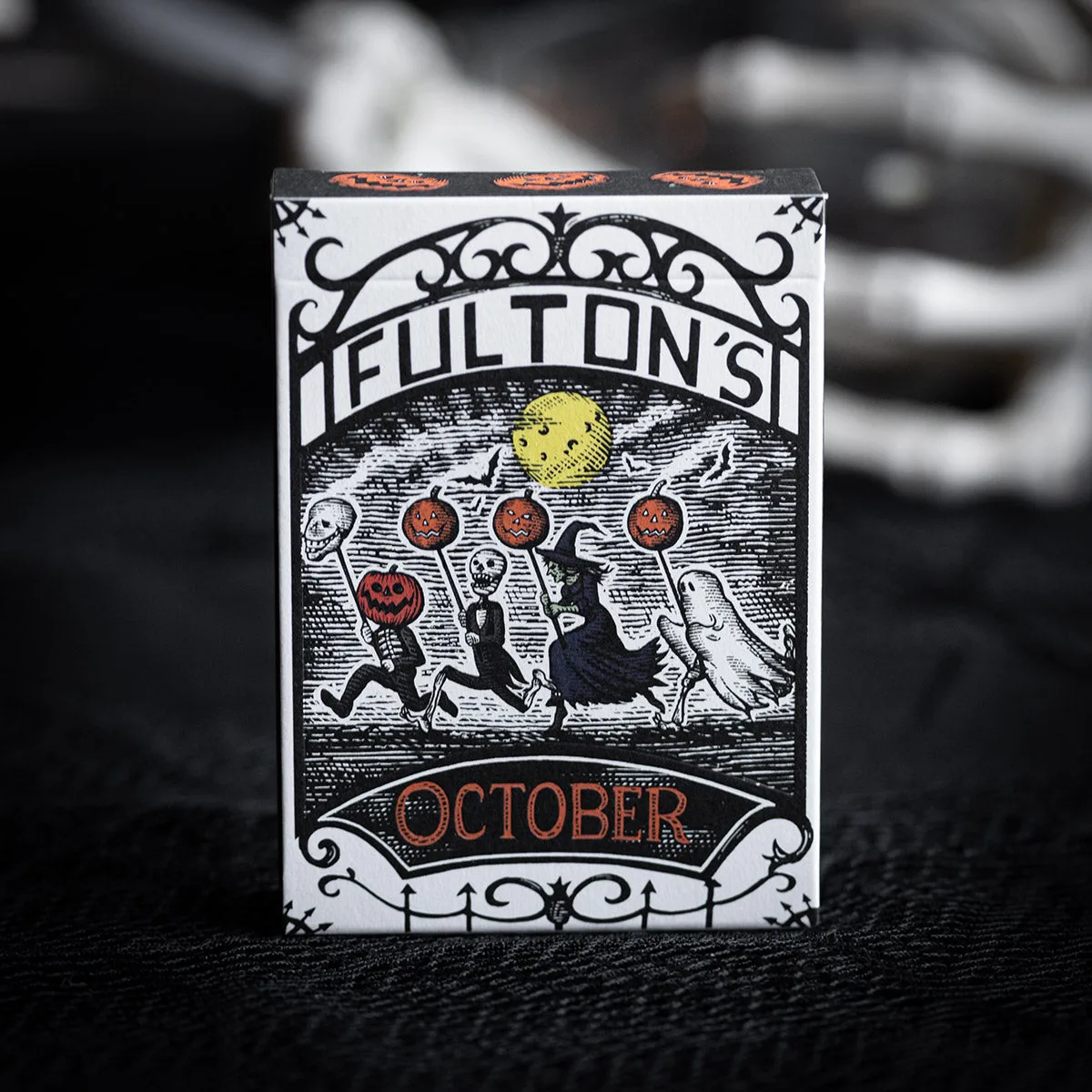
- FULTONS OCTOBER TOMBSTONE GREY PLAYING CARDS: FULTONS OCTOBER TOMBSTONE GREY PLAYING CARDS is printed as the Steven Noble Version from 2013, a classic paper deck. This is a traditional paper deck, so it will clump in high humidity like any paper deck. Keep it in a dry room if you plan to fan it often.
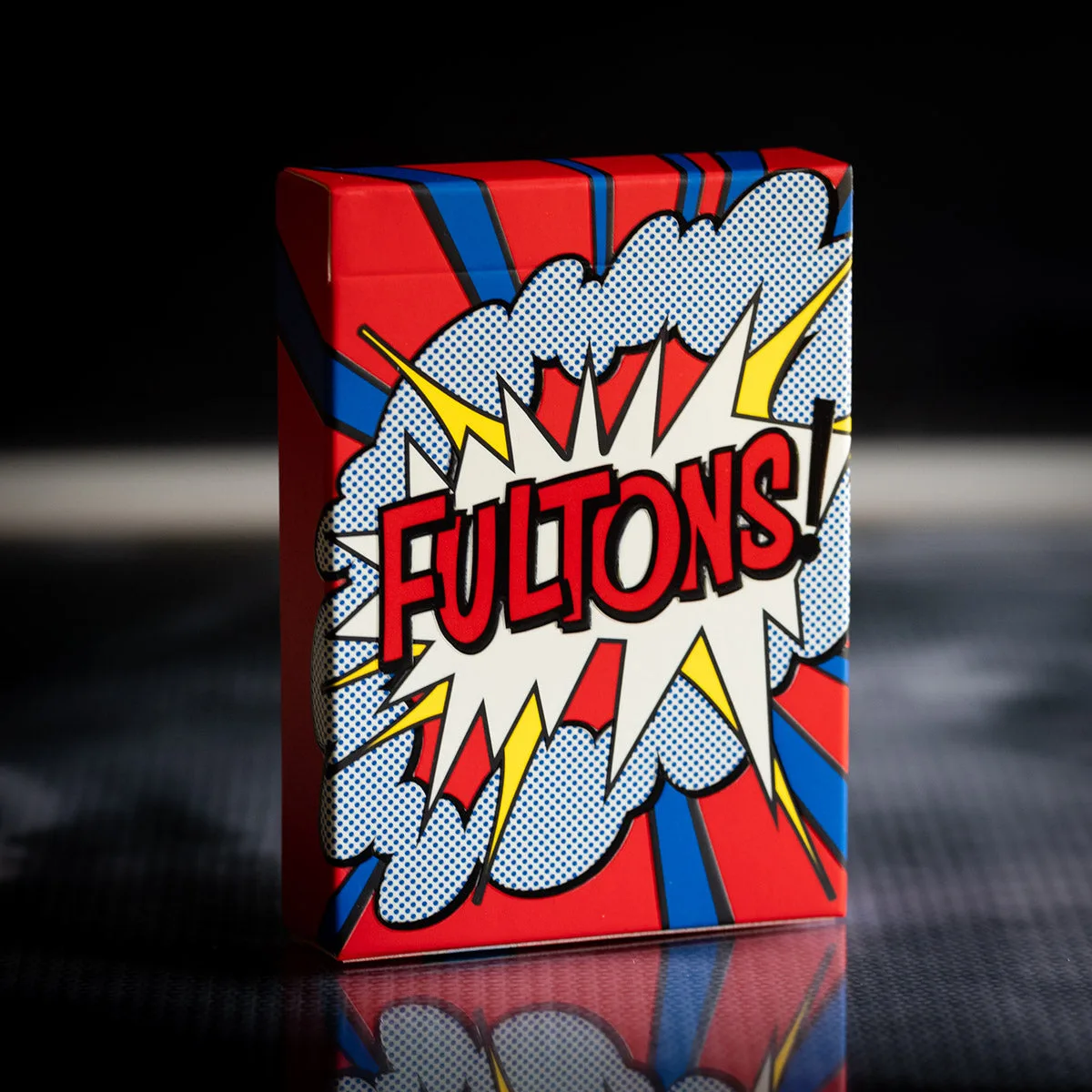
- Ace Fulton's Casino Playing Cards - Twin Pack: Ace Fulton's Casino Playing Cards - Twin Pack is printed by The United States Playing Card Co. with a Cambric finish on Thin Stock. The cambric finish and thin stock can make the deck feel more responsive, but it still absorbs moisture. The thin stock may dry faster than thicker stock, which helps in mildly humid rooms.