Quick answer
Most polycarbonate food pan lid cracks start with thermal shock, a gasket that is too tight for the pan, or stacking and washing habits that stress the rim. Stop the damage by matching the lid to the pan, letting lids reach room temperature before washing, and never forcing a GripLid onto a mismatched pan. If a crack reaches the sealing edge or gasket channel, replace the lid.
Symptom: Where the Crack Starts
Inspect the lid before you blame the pan. Hairline cracks usually appear at the corners, along the gasket channel, or near the tab you pull to lift the lid. A crack that stays outside the gasket channel may only affect appearance, but a crack that crosses the sealing edge lets air and moisture escape. That is when soups and sauces lose quality and cross-contamination risk rises.
Likely Cause: Thermal Shock and Heat Exposure
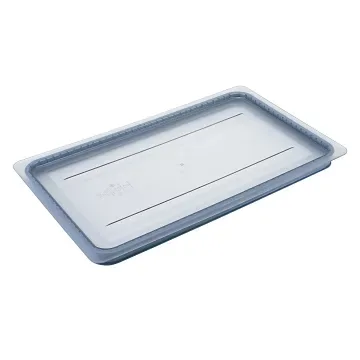
Clear polycarbonate pan lids are engineered for a wide temperature range, but sudden temperature swings are the most common cause of cracking. Moving a lid straight from a freezer or cooler into a hot wash or heated holding environment stresses the material faster than gradual changes do. The Cambro Clear Polycarbonate Food Pan GripLids are rated from -40°F to 210°F, so they handle cold and hot applications, but that range assumes you are not forcing an instant jump from one extreme to the other.
Likely Cause: Gasket Fit and Pan Mismatch
GripLids use a molded-in polyurethane gasket that grips the food pan tightly. That grip is what seals in freshness, but it also means the lid must match the pan size and style. Forcing a lid onto the wrong pan, or onto a pan with a bent rim, concentrates stress at the gasket channel and corners. Over time, that stress turns into a crack. Check that the pan rim is straight and that the lid seats without prying.
Likely Cause: Handling and Washing Habits
Stacking heavy pans on top of a lid, dropping lids into a crowded dish rack, or using the lid as a scraper all add impact damage. High-heat dish machines can also weaken the gasket and the polycarbonate if lids are not allowed to cool first. Treat lids as sealing tools, not as structural supports, and store them flat or in a dedicated rack rather than wedged under pans.
Corrective Action: What to Do Now
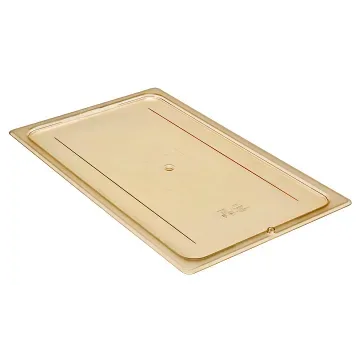
If the crack is small and outside the gasket channel, you can keep using the lid for short-term storage, but monitor it. If the crack crosses the gasket channel or the lid no longer seals, replace it. For high-heat applications such as heated carts, buffets, or microwaves, switch to the Amber High Heat Food Pan Lids - H-Pan, which are built for freezer-to-oven flexibility. For everyday prep tables, reach-in refrigerators, and walk-in coolers, the Food Storage Lids support HACCP guidelines and stack efficiently.
Diagnosis: Crack vs. Gasket Wear vs. Pan Damage
- Crack across the sealing edge: A crack that crosses the gasket channel or the outer sealing lip lets air in and moisture out, even if the lid still snaps on. Replace the lid. Do not rely on it for HACCP-sensitive storage.
- Gasket stretched or gummy: The molded-in polyurethane gasket can lose its grip after repeated high-heat washing or forced fits. The lid may still look intact but no longer seals. If the gasket no longer grips a clean, straight pan, replace the lid.
- Pan rim bent or mismatched: A bent pan rim or a lid sized for a different pan style forces the gasket to work harder and can crack the lid at the corners. Fix or replace the pan first. A new lid on a damaged pan will crack again.
Product Facts
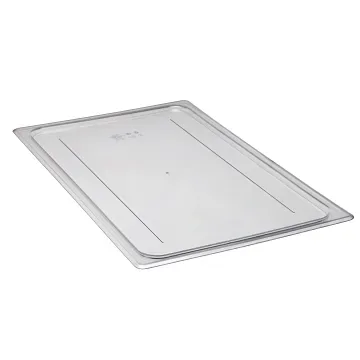
- Clear Polycarbonate Food Pan GripLids®: Clear Polycarbonate Food Pan GripLids feature a molded-in polyurethane gasket that grips the food pan tightly and a crystal-clear top for at-a-glance inventory, with a temperature range of -40°F to 210°F. The tight gasket seals in soups and sauces, but it also means the lid must match the pan to avoid stress cracks. The clear top lets you check contents without lifting the lid.
- Amber High Heat Food Pan Lids - H-Pan™: Amber High Heat Food Pan Lids - H-Pan are designed for freezer-to-oven flexibility, including heated carts, buffets, and microwaves, with translucent amber color-coding for inventory. If your operation regularly moves pans between freezing and reheating, these lids reduce the thermal shock that cracks standard polycarbonate lids.
- Food Storage Lids: Food Storage Lids are designed to support HACCP guidelines and are ideal for prep tables, reach-in refrigerators, and walk-in coolers, with options that minimize cross-contamination and allow space-saving stacking. For everyday cold storage and prep, these lids offer a practical way to protect freshness without over-specifying for high heat.