Quick answer
Protein pasta usually falls apart because it is boiled past al dente, cooked in too little water, or stirred and drained roughly. Start tasting one to two minutes before the package time, use a wide pot with plenty of water, and drain without rinsing. If the noodles are already mushy and breaking, stop boiling immediately and finish them in sauce rather than water.
Symptom: your protein pasta turns soft and breaks in the water
The first sign is usually a noodle that bends instead of snapping, followed by elbows or penne that split at the seam and leave cloudy starch behind. Wheat and chickpea pasta can look fine on the outside while the center keeps softening, so the pot can go from chewy to falling apart in under a minute. If you see broken pieces floating before the timer ends, the problem is already underway.
Likely cause: overcooking, weak water, or rough handling
Three things cause most protein pasta cooking problems: boiling past the point where the center is still firm, using a small pot that lets the noodles rub together, and stirring or draining with too much force. A rolling boil also beats the pasta against itself, which is why a gentle simmer works better than a hard boil for wheat and chickpea blends. Rinsing after draining is another common mistake because it washes away surface starch that helps sauce cling and can make the noodles feel slimy.
Corrective action: reset the pot, the timer, and the finish
If the pasta is still in the water, pull it out now and taste a piece. When it is close but not there, return it for 30 seconds at a time, not minutes. Use at least four quarts of water per pound, salt it until it tastes like mild sea water, and keep the heat at a strong simmer rather than a violent boil. Stir once at the start and once halfway, then drain in a colander without rinsing. For a firmer bite, stop cooking when the center still has a faint chalky line; the residual heat will finish it in the sauce.
- Taste at the earliest package time, not the latest.
- Keep a cup of starchy cooking water to loosen the sauce instead of adding more heat.
- Toss the drained pasta with sauce immediately so it does not sit and steam.
When to stop fixing and choose another shape or brand
If the noodles break before they reach al dente no matter how carefully you cook them, the batch may be too thin or too old. In that case, switch to a shape with thicker walls, such as penne or elbows, which hold up better in the pot. If you need a gluten free option and the texture keeps disappointing you, a brown rice pasta may suit your cooking style better, though it has its own timing quirks. The point to stop is when you have tried a shorter boil, more water, and gentler handling and the pasta still turns to paste; at that stage, change the product rather than the technique.
Diagnosis: match the symptom to the fix
- Noodles bend and split before the timer ends: The water is too shallow or the boil is too hard, so the pasta rubs and softens unevenly. Use a wider pot, more water, and a strong simmer instead of a rolling boil. If it still breaks, the shape is too thin for your pot.
- Pasta tastes mushy all the way through: It was cooked past al dente. Start tasting one to two minutes before the package time and pull it as soon as the center is firm but not chalky. Finish it in sauce, not in water, to stop the cooking.
- Surface feels slimy and sauce slides off: You rinsed the pasta after draining. Skip the rinse and toss with sauce right away so the surface starch helps the sauce cling. If the sauce still pools, add a splash of starchy cooking water.
Protein pasta options built for a firmer bite
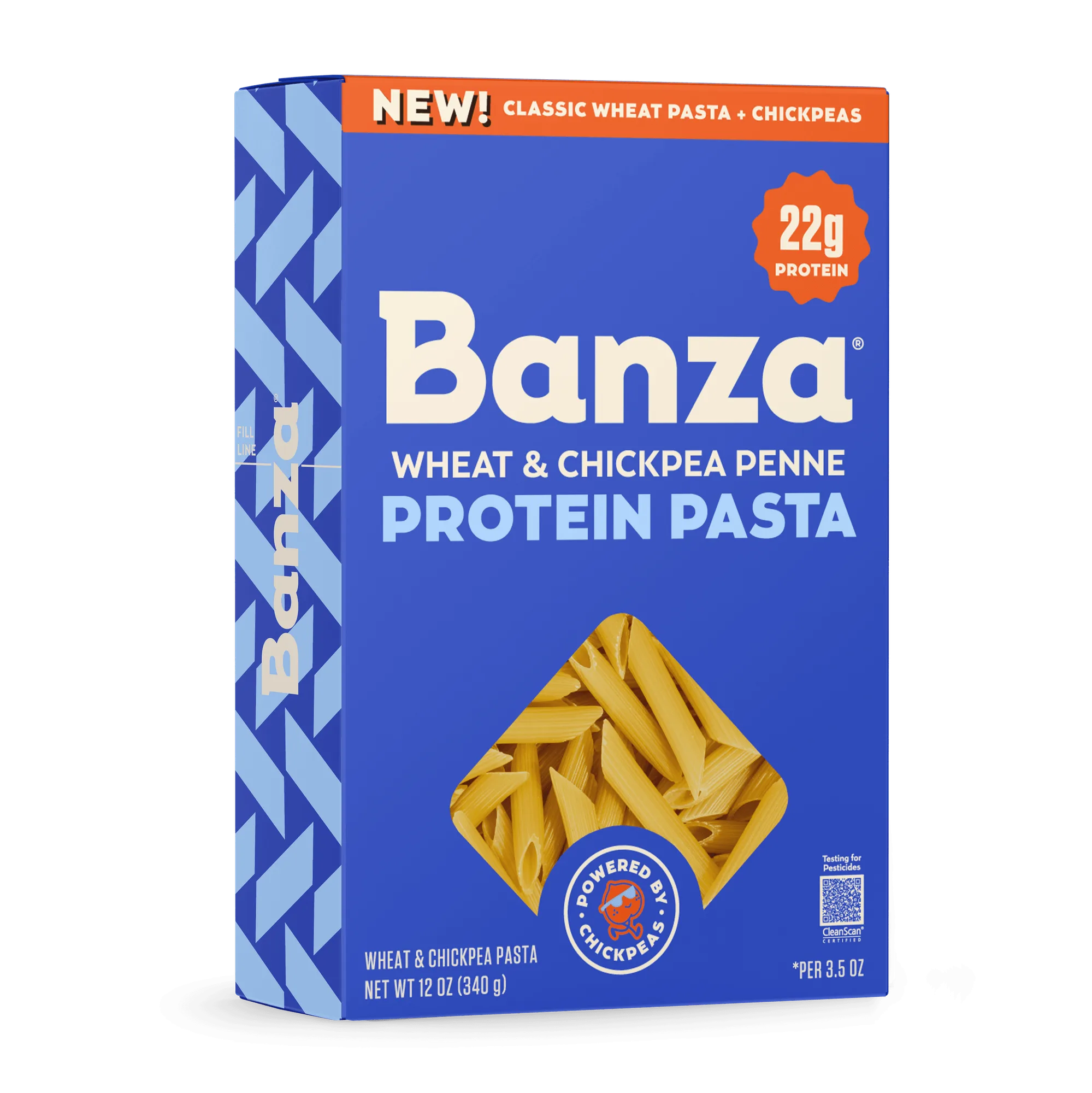
- Wheat Penne Protein Pasta (6-Pack): Wheat Penne Protein Pasta (6-Pack) combines wheat and chickpeas for classic taste and a boost of protein. Penne's tubular shape and thicker walls give you more margin before the pasta goes soft, which helps if you tend to overcook.
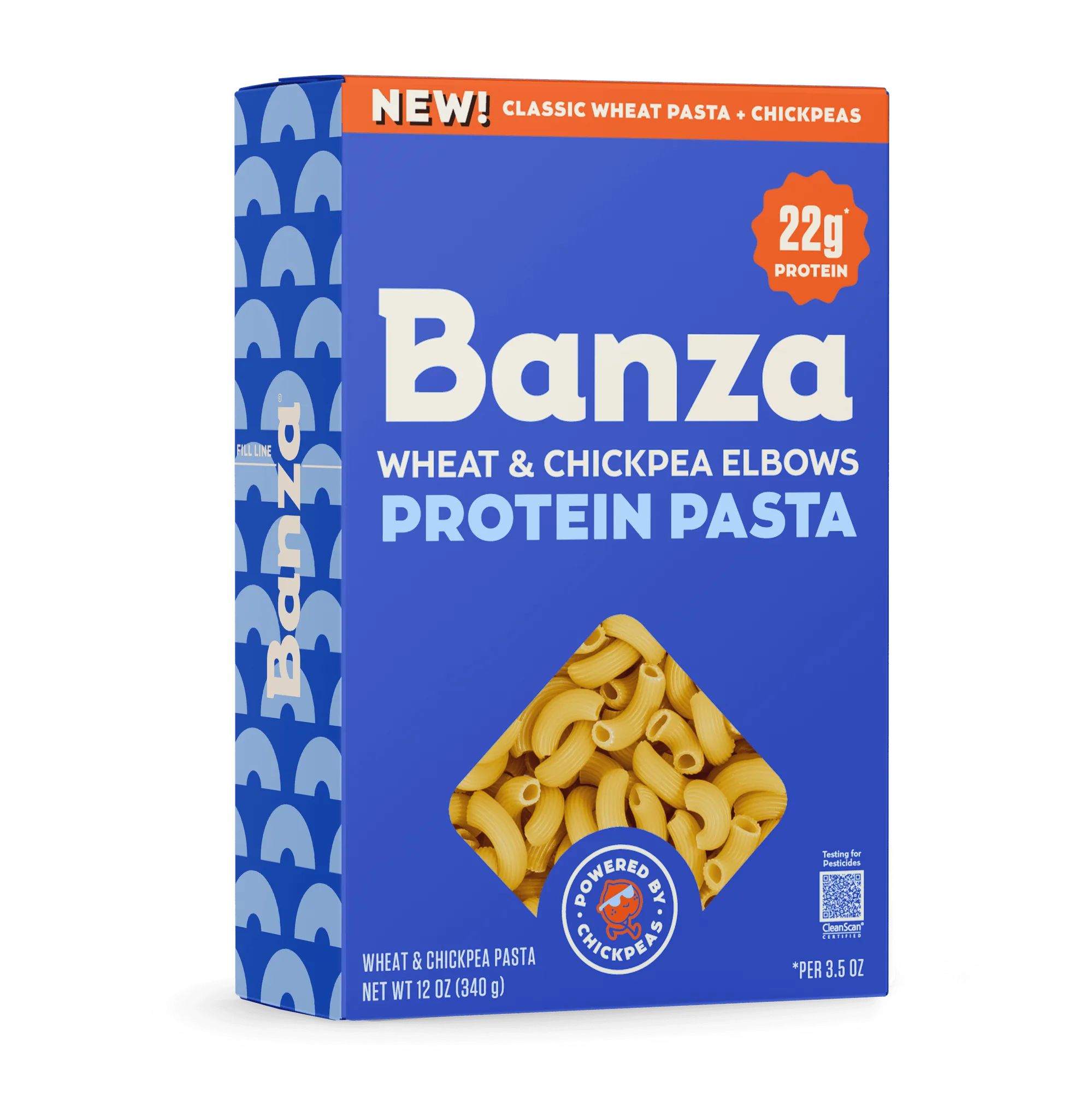
- Wheat Protein Elbow Pasta (6-Pack): Wheat Protein Elbow Pasta (6-Pack) is made with wheat and chickpeas and is described as deliciously al dente. Elbows are a good choice for baked dishes and cold salads where you want the pasta to hold its shape after tossing.