Quick Answer
Most crooked quilt seams come from one of four causes: seam allowance drift, feed dog or presser foot problems, inaccurate marking, or fabric shifting during piecing. Check your seam allowance first by stitching a test strip and measuring it. If the width is consistent but the line wanders, the problem is fabric control. Fix the cause, not the symptom.
You sit down to piece a block, sew a seam, press it open, and watch the strip curve like a banana. Crooked quilt seams are one of the most common frustrations in piecing, and they rarely mean you are a bad quilter. They mean something in your setup or technique is off, and the fix is usually simpler than you expect.
This guide walks through the four main causes of quilt seams not straight, how to tell which one is affecting your work, and what to do about each. The goal is to help you diagnose the problem before you spend money on tools you may not need.
Start With Seam Allowance Drift
Seam allowance problems are the number one cause of crooked quilt seams. If your seam is supposed to be a quarter inch but drifts to three-eighths on one end, the strip will bow. The fix starts with a test: cut two strips of scrap fabric, sew them together, press the seam open, and measure the finished width. Do this three times. If the width changes from seam to seam or wanders within a single seam, you have a seam allowance problem.
A magnetic seam guide can help here. It attaches to your sewing machine's throat plate with magnets and gives your fabric a physical wall to run against, so your quarter inch stays consistent. The Magnetic Seam Guide Metal is made from stainless steel and magnets and is designed for secure placement on the throat plate. It is a small change that removes a lot of guesswork, especially if you tend to watch the needle instead of the fabric edge.
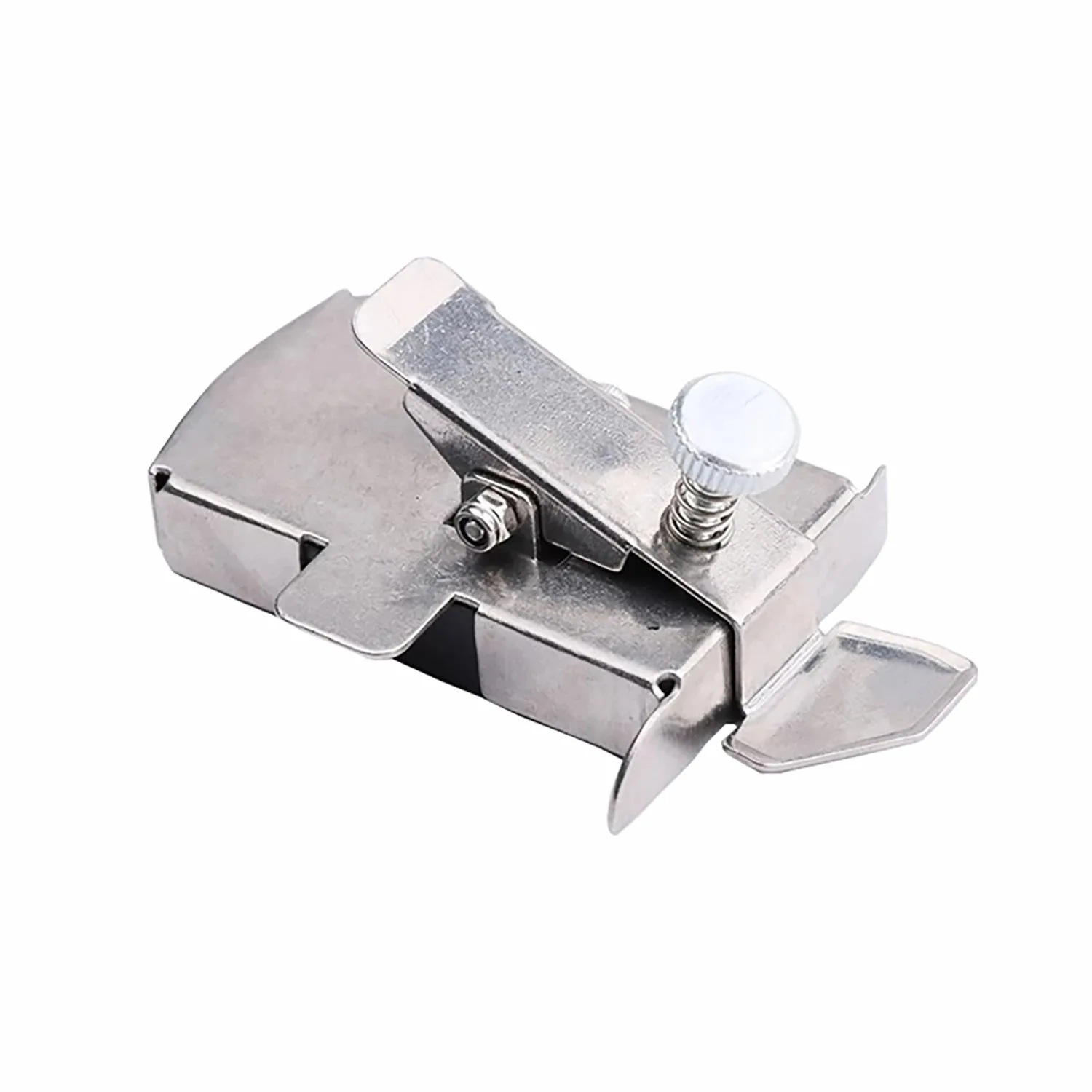
Magnetic Seam Guide Metal
- Measure your seam after pressing, not before. Pressing can shift the fabric and change the finished width.
- If your seam is consistently off by the same amount, adjust your needle position or guide rather than fighting it with your hands.
- Check that your presser foot is not pushing the fabric sideways. A foot with a wider opening can let fabric wander.
Rule Out Feed and Machine Issues
If your seam allowance is consistent but the seam still curves, the problem may be your machine's feed. Dull needles, incorrect tension, or feed dogs that are not gripping evenly can pull fabric to one side. Start by changing your needle. A fresh needle makes a bigger difference than most quilters expect, especially when piecing tightly woven cotton.
Next, check your presser foot pressure. If it is too light, the fabric can lift and shift. If it is too heavy, it can stretch the fabric as it feeds. Your machine manual will tell you how to adjust this. Also make sure you are not pulling or pushing the fabric through the machine. Your hands should guide, not drag. If you are fighting the machine, the seam will show it.
- Change your needle every project or every eight hours of sewing, whichever comes first.
- Clean lint from under the throat plate. Built-up lint can lift the fabric and cause uneven feeding.
- Test on scrap fabric before you sew on your project. Two minutes of testing saves an hour of unpicking.
Check Your Marking and Cutting
Crooked seams can start before you ever sit at the machine. If your cut strips are not straight, your seams will not be straight either. Check your ruler and rotary cutter. A dull blade or a ruler that slips can create a wavy edge that you then sew into a curve. Marking also matters. If you are drawing stitching lines by hand, a wobbly line becomes a wobbly seam.
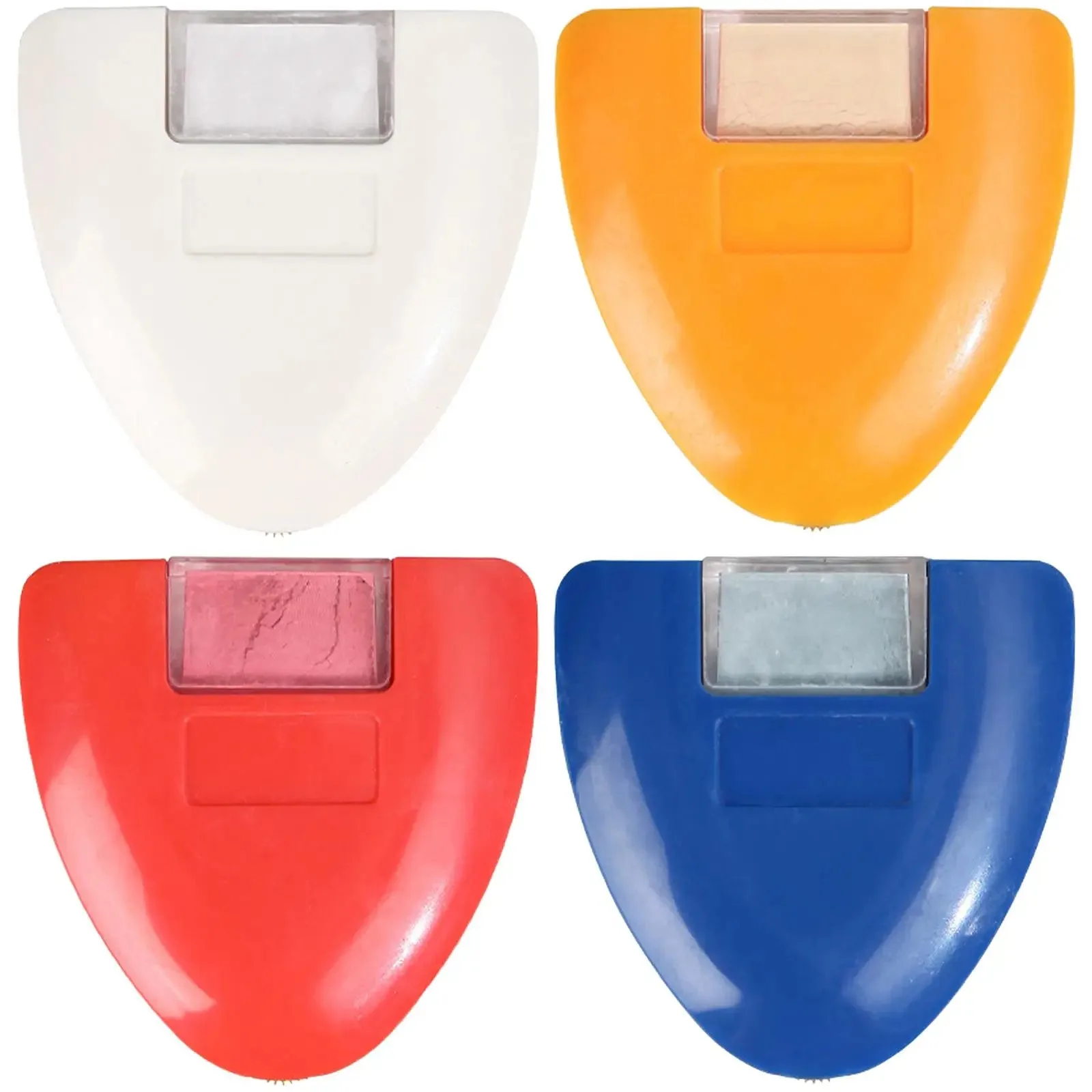
A fabric marking chalk wheel offers a cleaner alternative to hand-drawn lines. The Fabric marking chalk wheel leaves continuous, smooth marks with a rotating wheel, which helps you follow a consistent line. It is available in different colors, so you can choose one that shows up on your fabric without leaving a mess. Clean marking is not a luxury when you are trying to fix uneven seams; it is part of the solution.
- Replace your rotary blade when it starts skipping or leaving threads.
- Use a fresh ruler with clear markings. Worn edges can let the cutter slip.
- If you mark by hand, keep the line thin and consistent. Thick lines invite wandering stitches.
Improve Fabric Control at the Machine
Sometimes the seam allowance is right, the machine is fine, and the marking is accurate, but the fabric still shifts. This is a fabric control problem. Your hands may be too far from the needle, or you may be letting the weight of the quilt drag the fabric. For small piecing, this is less of an issue, but for larger blocks or quilting, it becomes a real cause of crooked seams.
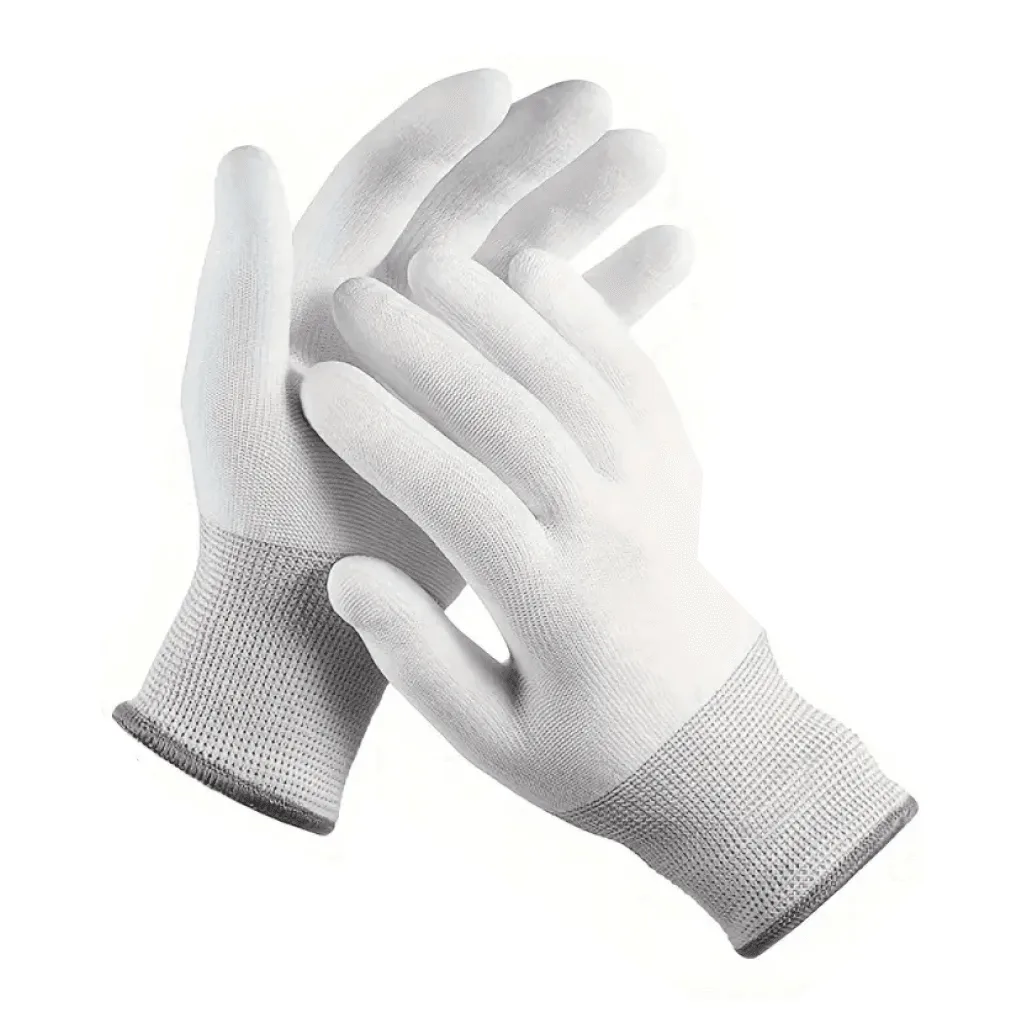
Quilting gloves can help you grip the fabric without gripping it too hard. The Quilting Gloves (2-pack) are lightweight and breathable, designed to give you a secure grip so you can maneuver fabric smoothly. They are not a fix for a machine problem, but if your hands slip or you find yourself tugging, they can make your stitching more consistent. The same applies to free-motion work, where control is everything.
- Keep your hands flat and close to the needle, guiding the fabric rather than pulling it.
- Support the weight of the quilt with a table or your lap so it does not drag.
- If your hands get tired, take a break. Fatigue leads to uneven pressure.
When to Stop and Try a Different Approach
Not every crooked seam is worth fixing at the machine. If you have tried adjusting your seam allowance, changed your needle, checked your marking, and still get uneven seams, the issue may be your project. Very stretchy fabrics, bias-cut pieces, and tiny pieces are harder to keep straight. In those cases, consider starching your fabric before cutting, or using a foundation piecing method where you sew on a drawn line.
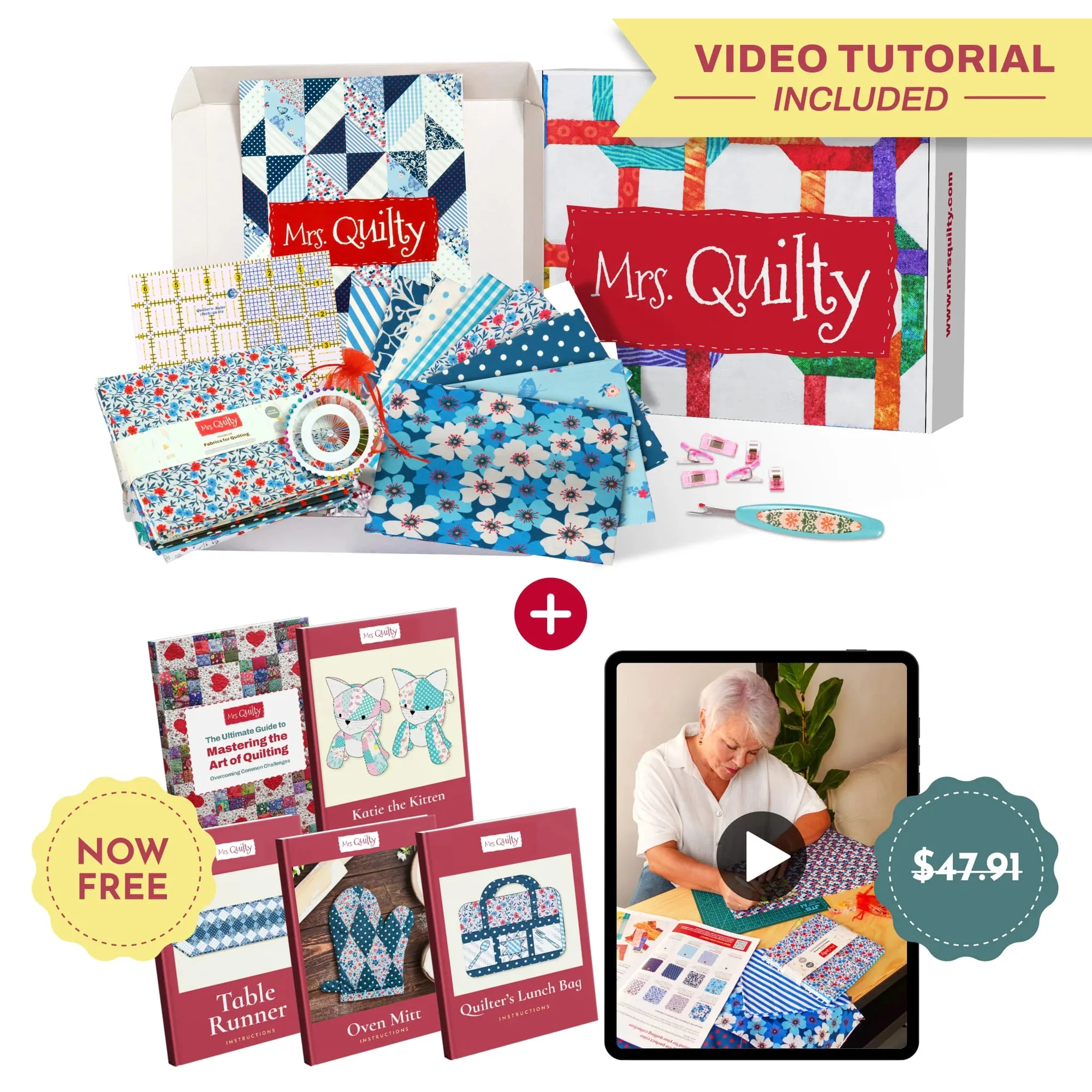
If you are new to quilting and feeling overwhelmed, a structured project can help you build skills without the pressure of a large quilt. The Mrs. Quilty Discovery Box includes everything you need to create two projects from scratch: a quilting block and a mystery home decor quilt. It is a low-commitment way to practice your seam allowance and see where your technique needs work. Sometimes the best fix is more practice on a smaller scale.
- If your seams are consistently off by more than a quarter inch, your pattern may require a different seam allowance than you are using.
- For stretchy or slippery fabrics, try a walking foot or a stabilizer.
- If you have tried three fixes and nothing works, step away and come back tomorrow. Fresh eyes catch what tired ones miss.
Diagnosis: Match the Symptom to the Fix
- Seam width varies along the seam: This is seam allowance drift. Measure your seam at three points. If the width changes, add a magnetic seam guide or adjust your needle position. Fix the guide before you change your technique.
- Seam is consistent but curves: This is usually a feed or fabric control issue. Change your needle, check presser foot pressure, and make sure you are not pulling the fabric. If the curve persists, try quilting gloves for better grip.
- Seam looks straight but block is wonky: The problem may be cutting or marking, not sewing. Check your ruler, blade, and marking lines. A wavy cut becomes a wavy seam. Re-cut a test strip and measure before you sew.
- Nothing works after three fixes: Stop and switch methods. Try starching fabric, foundation piecing, or a smaller practice project like the Mrs. Quilty Discovery Box. Practice on a small project before you tackle a large quilt.
Tools That Help With Crooked Seams
- Magnetic Seam Guide Metal: Crafted from high-quality stainless steel and magnets, this guide offers secure placement on your sewing machine's throat plate, ensuring consistent seam widths with every stitch. A physical guide gives your fabric a consistent edge to follow, which directly addresses seam allowance drift, the most common cause of crooked seams.
- Fabric marking chalk wheel: The rotating chalk wheel leaves crisp, clear lines without interruptions and avoids chalk smears or dust. Clean, continuous marking helps you sew a straight line when you are piecing or quilting, reducing the chance of wandering stitches.
- Quilting Gloves (2-pack): These lightweight quilting gloves offer a blend of grip and comfort, helping you maneuver fabric smoothly without slipping or tugging. Better grip means less fabric shifting, which keeps your seams straight, especially on larger projects where drag is a problem.
Crooked quilt seams are a solvable problem. Start by measuring your seam allowance, then work through feed, marking, and fabric control. Most quilters find the fix within the first two checks. If you need a physical guide, a magnetic seam guide is a low-cost way to add consistency. And if you are still building skills, a small structured project will teach you more than unpicking the same seam twice.