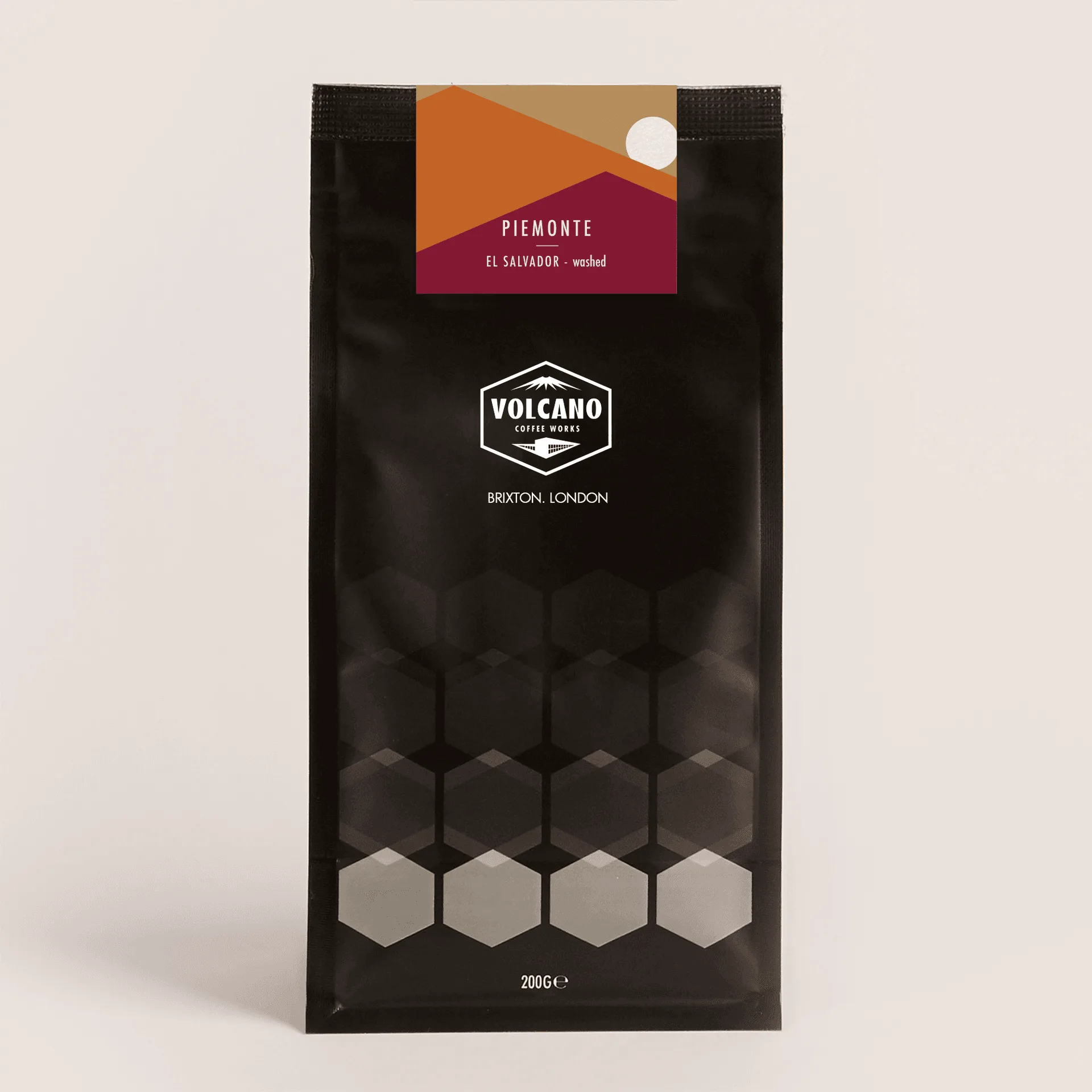
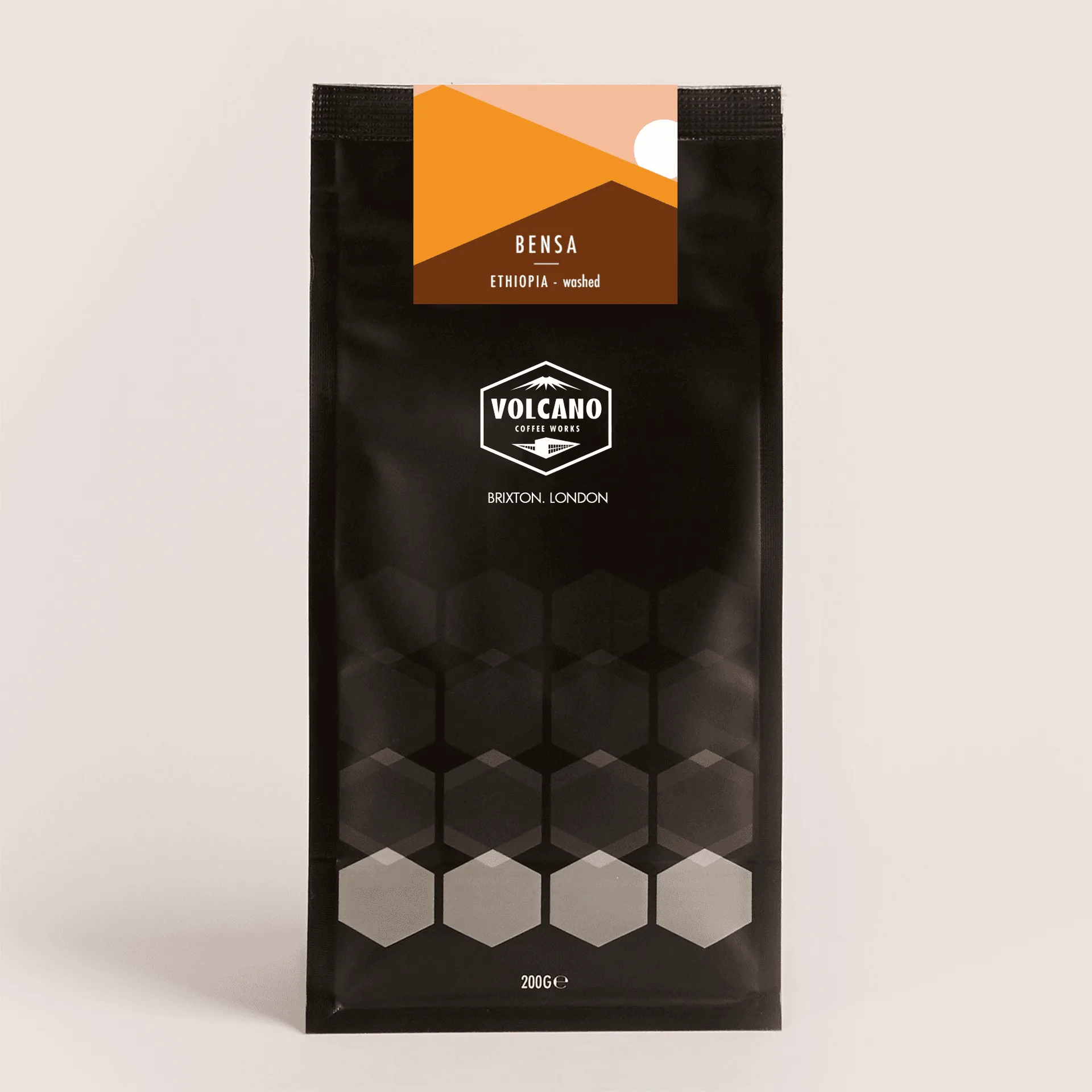
If you've been following coffee trends over the past few years, you've likely heard the term single origin coffee tossed around by baristas, roasters, and enthusiasts. But what does it actually mean, and why has it become such a buzzword in the specialty coffee world? In short, single origin coffee refers to beans sourced from one specific geographic region, farm, or cooperative. Unlike blends, which combine beans from multiple origins to achieve a consistent flavor profile, single origin coffees highlight the unique characteristics of a particular place.
For many coffee lovers, the allure of single origin is the chance to taste the terroir of a region, much like wine enthusiasts appreciate the distinct notes of a Bordeaux versus a Napa Valley Cabernet. Whether you're a seasoned home barista or just starting to explore high-quality coffee, understanding the single origin vs blend debate can help you make more informed choices and deepen your appreciation for the craft. In this article, we'll break down the key differences, the benefits of single origin, and how to get started with your own tasting journey.
What Defines Single Origin Coffee?
At its core, single origin coffee is traceable back to a single producer, crop, or region within one country. This could be a specific farm in Colombia, a washing station in Ethiopia, or a cooperative in Guatemala. The term is most commonly used for Arabica beans, which are prized for their complex flavors. Because the beans come from one place, the flavor profile reflects the local soil, climate, altitude, and processing methods. This transparency allows roasters to showcase the distinct characteristics of each origin, from the bright citrus and floral notes of Ethiopian Yirgacheffe to the rich chocolate and nutty tones of Brazilian Cerrado.
In contrast, blends are intentionally crafted by roasters to achieve a balanced, consistent taste year-round. While blends are often more approachable and affordable, single origin coffees offer a more adventurous experience. For example, the Sombra 500g Whole Bean is a perfect entry point for anyone curious about single origin. Its balanced profile with hints of dark chocolate and dried fruit showcases the best of its origin, making it a favorite among those who want to taste the difference without overwhelming their palate.

Sombra 500g Whole Bean
- Single origin beans come from one farm, cooperative, or region.
- They offer unique flavor notes shaped by local growing conditions.
- Traceability and transparency are key benefits for ethical sourcing.
Single Origin vs Blend: Which Should You Choose?
The choice between single origin and blend often comes down to personal preference and intended use. If you enjoy exploring nuanced flavors and want to experience the distinct character of a specific region, single origin is the way to go. These coffees are excellent for pour-over methods like the Hario V60 Coffee Dripper and Filter Set, which highlight delicate notes and acidity. On the other hand, blends are designed to be versatile and reliable, making them ideal for espresso-based drinks like lattes and cappuccinos, where milk can mask subtle flavors.
Another factor to consider is consistency. Blends are crafted to taste the same from batch to batch, while single origin coffees can vary slightly with each harvest. For home brewers who value predictability, a well-crafted blend might be more suitable. However, for those who love the story behind their cup and want to support small-scale farmers, single origin offers a direct connection to the source. Many specialty coffee enthusiasts keep both on hand: a single origin for slow weekend mornings and a reliable blend for daily espresso.
- Use single origin for pour-over and filter methods to appreciate subtle notes.
- Blends are great for espresso and milk-based drinks.
- Try both to discover your personal preference.
How to Brew and Enjoy Single Origin Coffee at Home
Brewing single origin coffee at home is easier than you might think, and the payoff is immense. Start with freshly roasted beans and grind them just before brewing. A burr grinder, like the Sage Smart Grinder Pro Coffee Grinder and Free 500g Coffee, ensures a consistent grind size, which is crucial for extracting the best flavors. For single origin beans, a medium-fine grind works well for pour-over methods, while a coarser grind suits French press or cold brew. Experiment with water temperature (around 195-205°F) and brew time to highlight the coffee's unique profile.
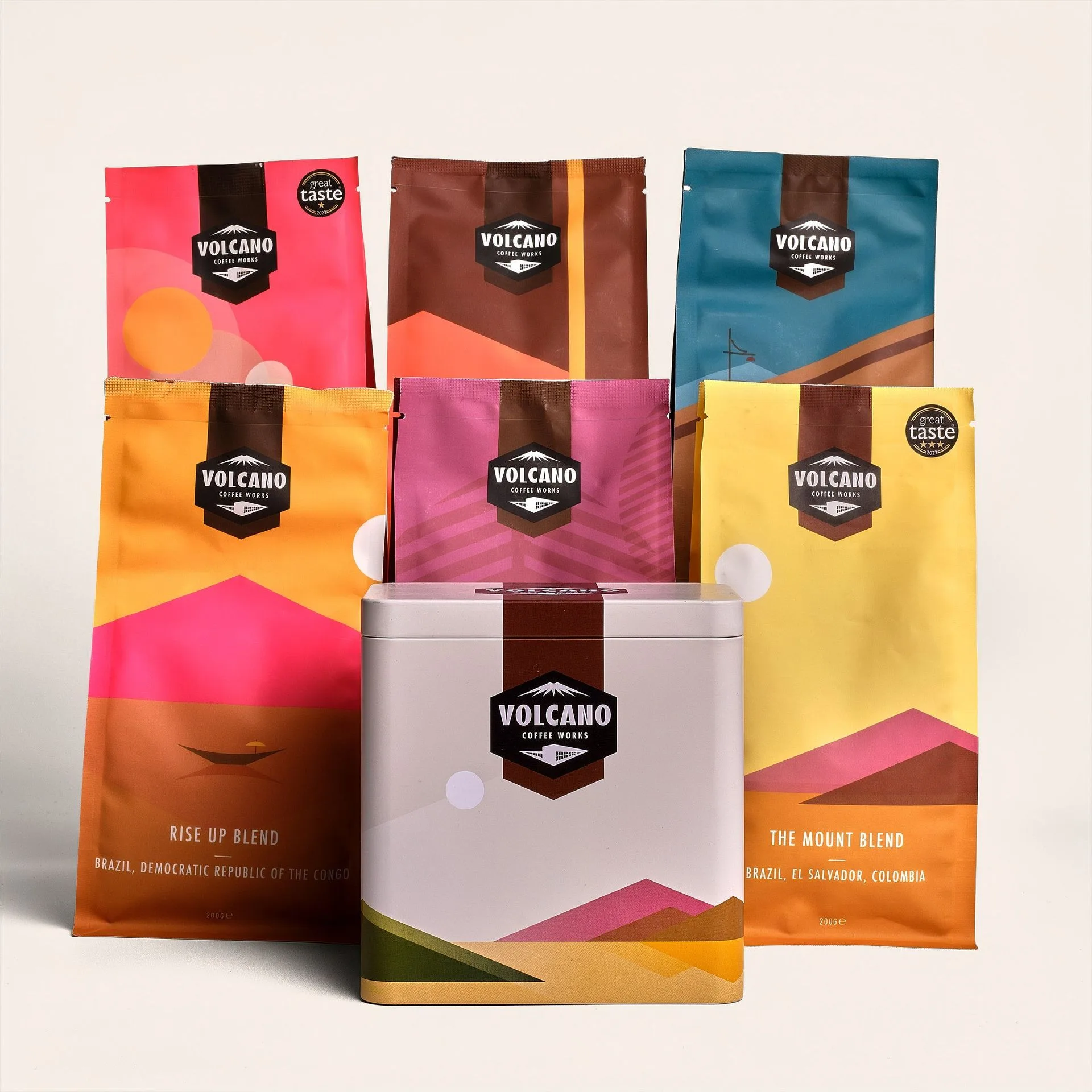
To truly appreciate the nuances, try tasting the coffee black first. Notice the aroma, acidity, body, and finish. Single origin coffees often have surprising notes like bergamot, stone fruit, or even wine-like characteristics. Keeping a tasting journal can help you track your preferences and learn which origins you enjoy most. And don't forget to store your beans properly: an airtight container like the Volcano Coffee Tin keeps them fresh longer, preserving those delicate flavors.
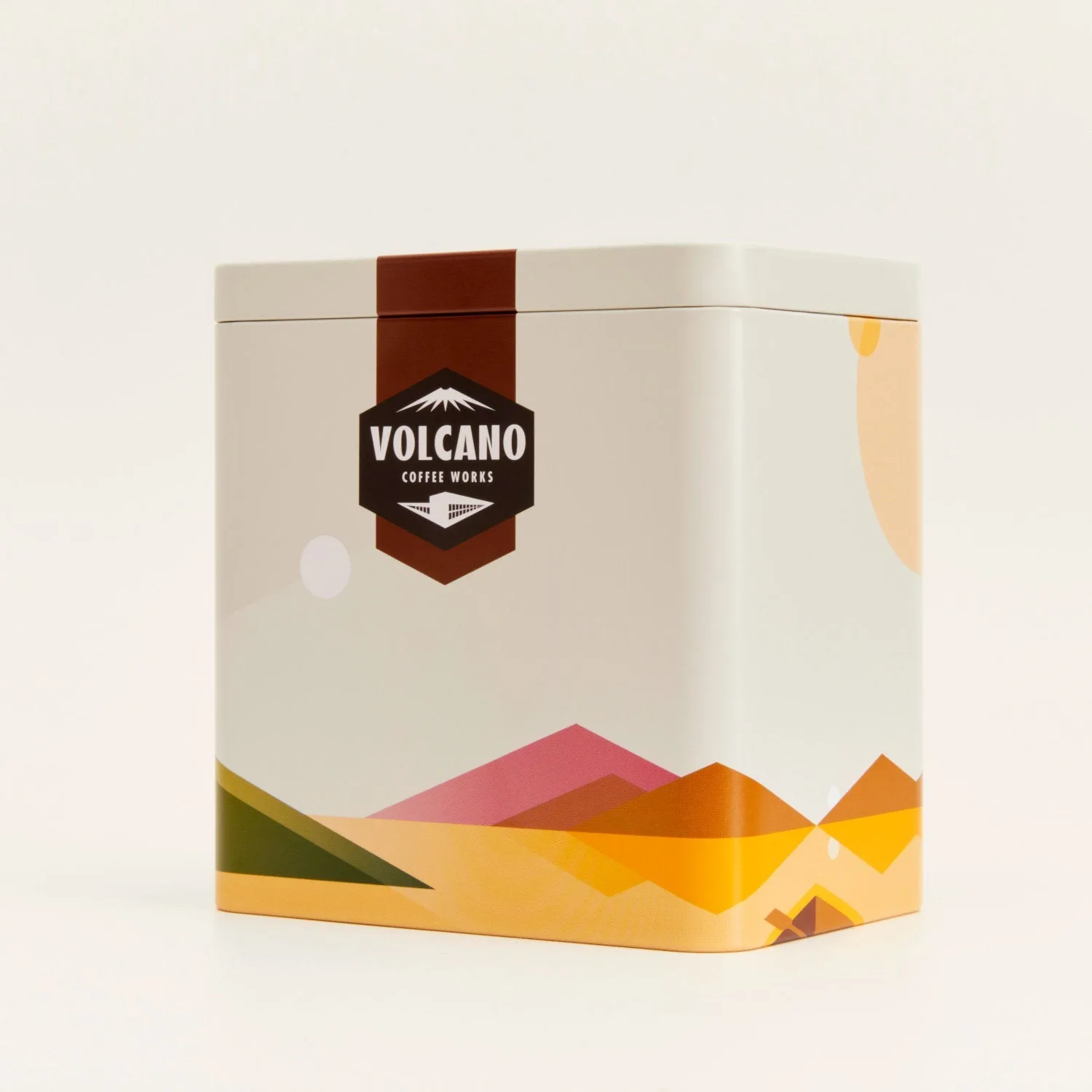
Volcano Coffee Tin
- Grind beans just before brewing for maximum freshness.
- Use a gooseneck kettle for precise pour-over control.
- Store beans in an opaque, airtight container away from heat and light.
Single origin coffee is more than a trend; it's an invitation to explore the diversity of flavors our planet has to offer. Whether you're drawn to the bright acidity of an Ethiopian natural process or the deep sweetness of a Colombian washed coffee, each cup tells a story of place and people. Ready to start your single origin journey? Try the Sombra 500g Whole Bean and taste the difference for yourself.