Quick answer
If you break out after switching to natural skincare, it's likely skin purging — your skin speeding up cell turnover and pushing out impurities. Give it 4–6 weeks, simplify your routine, and use gentle cleansing grains to support the process. If breakouts persist beyond that or come with pain, swelling, or rash, stop the product.
You finally swapped your conventional routine for natural skincare, and a week later your skin is breaking out. It feels unfair, but you're not alone — this is a common experience during the transition. The good news is that it's often a temporary phase called skin purging, not a permanent reaction.
Understanding the difference between purging and a true breakout is the first step to fixing it. This guide walks you through the signs, the likely causes, and the practical steps to help your skin adjust — including when to stick with it and when to stop.
What is skin purging?
Skin purging happens when active ingredients accelerate your skin's natural cell turnover rate. This pushes clogged pores and impurities to the surface faster than usual, leading to breakouts in areas where you typically break out. It's a temporary process that usually lasts 4 to 6 weeks.
Natural ingredients like botanical extracts, fruit enzymes, and certain oils can trigger this response. For example, cleansing grains that physically exfoliate can reveal fresher skin but also bring underlying congestion to the surface. It's a sign your skin is renewing itself — not that the product is harmful.
- Purging breakouts appear in your usual breakout zones and resolve within a few weeks.
- True breakouts often appear in new areas and may be accompanied by irritation or rash.
Purging vs. breakout: How to tell the difference
The key difference is location and timing. Purging happens in areas where you already get breakouts, while a reaction or breakout can show up anywhere, including places you've never had issues. Purging also follows a pattern: it starts within the first week or two of using a new product and clears up within a month.
A true breakout or allergic reaction often comes with redness, itching, burning, or swelling. If you experience these signs, stop using the product immediately. Purging may look like small whiteheads or closed comedones that come and go quickly, but it shouldn't feel painful or inflamed.
Why switching to natural skincare can cause breakouts
Your skin has been used to a certain environment. Conventional products often contain ingredients that suppress or alter your skin's natural processes. When you switch to natural formulas, your skin may need time to rebalance its microbiome and oil production.
Natural oils and butters can also change how your skin absorbs and retains moisture. For example, tallow-based products are rich in fatty acids that nourish the skin barrier, but if your skin is used to lighter lotions, the change can temporarily confuse it. This isn't a reason to give up — it's a reason to transition slowly.
- Introduce one new product at a time to identify what works and what doesn't.
- Patch test new products on a small area for 24 hours before applying to your whole face.
How to support your skin during the transition
First, simplify your routine. Cut back to the basics: a gentle cleanser, a moisturizer, and nothing else. This reduces the chance of irritation and lets your skin adjust without extra stress. Avoid harsh scrubs, strong acids, or over-exfoliating, as these can worsen the purge.
Second, be patient and consistent. Purging is temporary, but it can be tempting to switch products every few days. Give each product at least 4 weeks before judging it. Keep your skin hydrated with a gentle moisturizer, and consider using a facial cleansing grain that physically exfoliates without stripping your skin barrier.
- Use lukewarm water to wash your face — hot water strips natural oils.
- Don't pop or pick at purging breakouts; let them run their course.
When to stop and try something else
If you've given a product 6 weeks and your skin is still breaking out, or if the breakouts are painful, swollen, or accompanied by a rash, it's time to stop. This could mean the product isn't right for your skin type, or you're having a genuine sensitivity to one of the ingredients.
In that case, remove the product from your routine and give your skin a break. You may need to try a different formula with fewer ingredients or one tailored to your skin's needs. The goal is to find what works for you — not to force your skin to accept something it rejects.
Diagnosis: Is it purging or a problem?
- Symptom: Breakouts in your usual breakout zones, small whiteheads, or closed comedones that come and go. Likely purging — continue your routine and monitor.
- Likely cause: Accelerated cell turnover from new active ingredients, pushing out impurities. Be patient; this is temporary.
- Corrective action: Simplify your routine, use gentle cleansing grains, and moisturize well. Give it 4–6 weeks. If it clears up, you're on the right track.
- Stop or choose another option: If breakouts are painful, swollen, or in new areas, or if you see a rash, stop the product immediately. Consider a different product or consult a dermatologist.
Products that can help during the transition
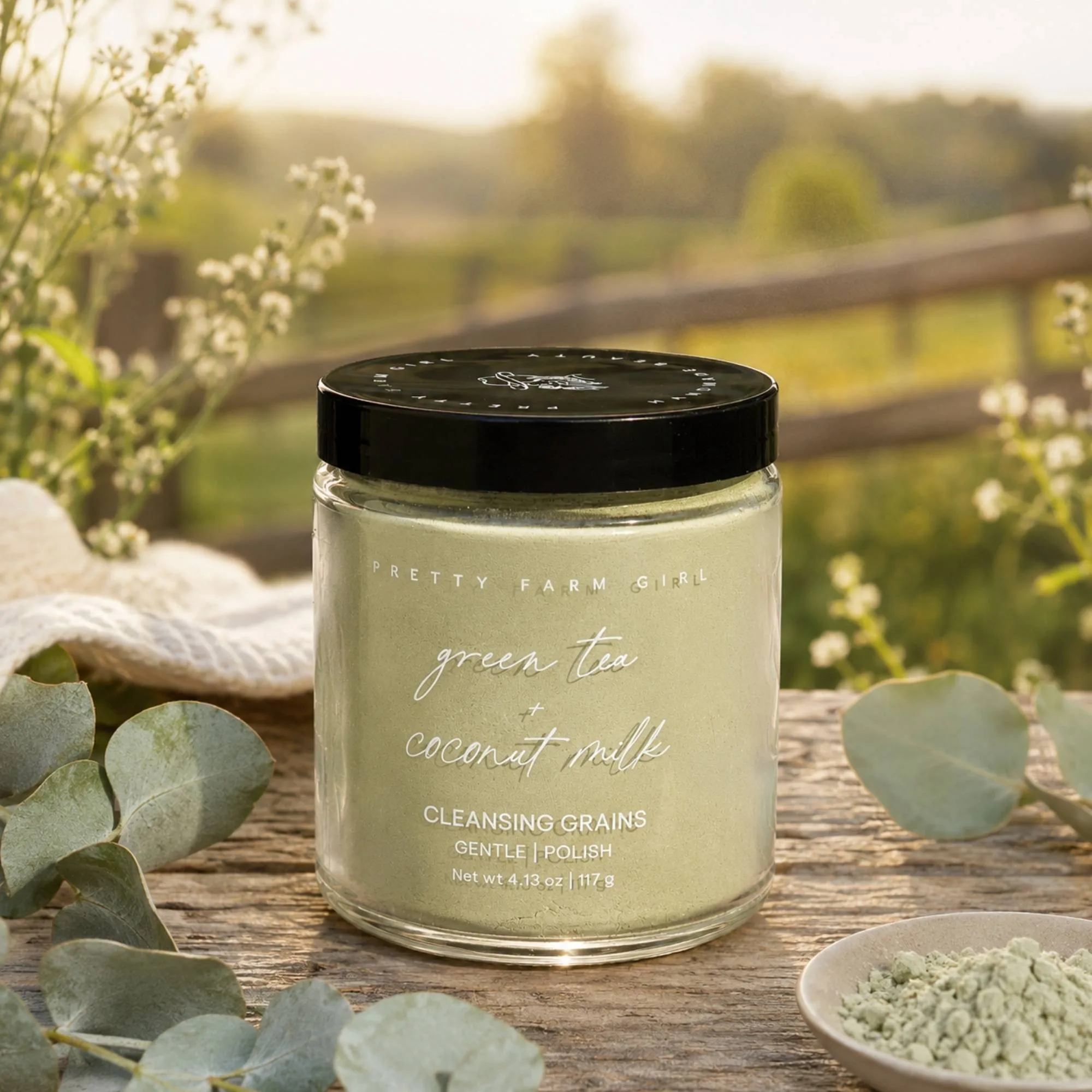
- Green Tea + Coconut Milk Facial Cleansing Grains: Contains kaolin, matcha green tea leaf powder, coconut milk powder, oat kernel flour, pearl powder, and a proprietary probiotic blend. These gentle cleansing grains physically exfoliate to help unclog pores during the purge, while the probiotics and oat flour support a balanced skin barrier. A good choice for acne-prone skin that needs a mild, non-stripping cleanse.
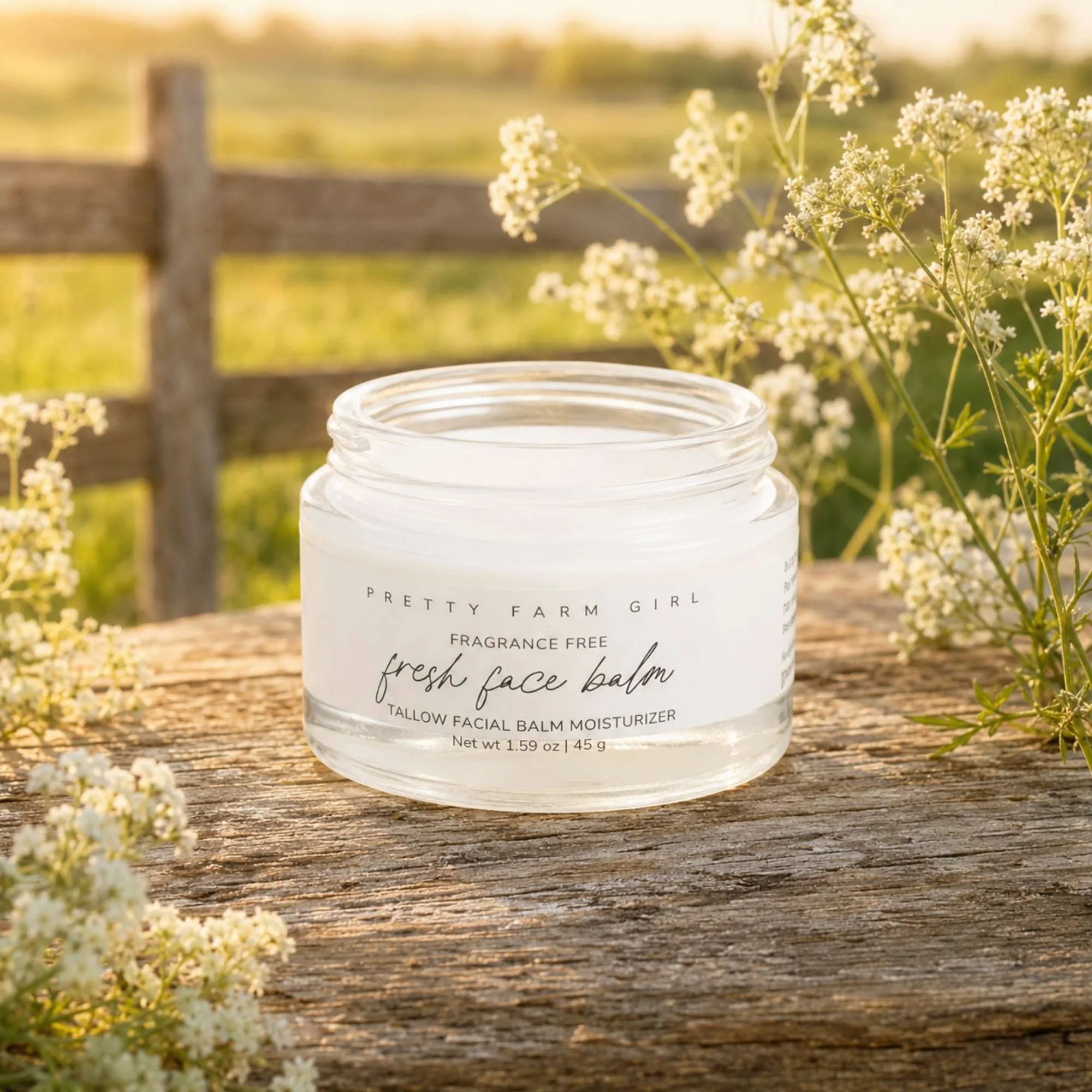
- Fragrance Free Fresh Face Balm Tallow Facial Moisturizer: Formulated with grass-fed tallow, shea butter, jojoba oil, tamanu oil, squalane, emu oil, beeswax, rosemary oil, vitamin E, propolis, honey, and a probiotic blend. This fragrance-free balm provides deep moisture without added irritants, helping to calm and protect your skin while it adjusts. The tallow and botanicals support the skin barrier, which is crucial during purging.
Switching to natural skincare is a positive step, but your skin needs time to adjust. By understanding the difference between purging and a true breakout, you can navigate the transition with confidence. Be patient, keep your routine simple, and don't hesitate to stop if something doesn't feel right. Your skin will thank you in the long run.