Quick answer
Rough towels are usually caused by detergent residue, fabric softener buildup, or over-drying. To fix them, wash with less detergent, skip synthetic softeners, and use a natural alternative like white vinegar or baking soda. Then dry on low heat or line-dry and give them a good shake.
There's nothing worse than stepping out of a warm shower and reaching for a towel that feels like sandpaper. If your towels have become stiff and scratchy, you're not alone. The good news is that most rough-towel problems are easy to reverse with a few simple changes to your laundry routine.
In this guide, we'll walk through the most common reasons towels lose their softness and exactly how to fix them. You'll also learn organic towel care tips that keep your towels fluffy and absorbent for years—without relying on harsh chemicals.
Why do towels get rough?
Towels feel rough for a few common reasons. The most frequent culprit is detergent and fabric softener buildup. Over time, these products leave a coating on the cotton fibers, making them stiff and less absorbent. Hard water minerals can also accumulate, especially if you have high mineral content in your water.
Another major cause is over-drying. High heat in the dryer can damage the cotton fibers, causing them to become brittle and scratchy. Similarly, drying towels on a hot radiator or in direct harsh sunlight can have a similar effect. Finally, towels can lose their softness if they're washed with heavy items like jeans, which causes friction and pilling.
- Detergent and fabric softener residue
- Hard water mineral buildup
- Over-drying with high heat
- Washing with abrasive items
How to soften towels naturally
To restore softness, start by washing your towels in hot water with half the usual amount of detergent. Add one cup of white vinegar to the rinse cycle—it helps break down residue and naturally softens fibers. Do this once a month to keep towels fresh and fluffy.
If your towels still feel stiff, try a baking soda wash. Add half a cup of baking soda to the wash cycle along with your regular detergent. This helps remove stubborn buildup and deodorizes. Avoid using fabric softeners or dryer sheets, as they coat the fibers and reduce absorbency.
After washing, give your towels a good shake before drying. This fluffs the loops and helps them dry evenly. Use a low or medium heat setting in the dryer, or better yet, line-dry them in the shade. If you use a dryer, toss in a couple of clean tennis balls or wool dryer balls to keep them fluffy.
- Use white vinegar in the rinse cycle monthly
- Try a baking soda wash for stubborn buildup
- Shake towels before drying
- Dry on low heat or line-dry
Preventing rough towels from the start
The best way to keep towels soft is to prevent the problem. Use less detergent than you think you need—most loads only require a small amount. Skip fabric softeners entirely; they may make towels feel soft initially but they reduce absorbency and cause stiffness over time.
Wash towels separately from heavy items like denim and avoid overloading the machine. This reduces friction and helps maintain the towel's loop structure. Also, consider your water hardness. If you have hard water, a water softener or a small amount of washing soda can help prevent mineral buildup.
Finally, invest in quality towels made from organic cotton. Organic cotton is often softer and more durable because it's grown without harsh chemicals that can weaken fibers. With proper care, organic towels can stay plush for years.
- Use less detergent and skip softeners
- Wash towels separately
- Address hard water if needed
- Choose organic cotton towels for durability
Organic towel care tips for long-lasting softness
Organic cotton towels are a great choice for both your skin and the environment. They're grown without synthetic pesticides and often have a softer, more natural feel. But they still need proper care to stay that way.
Always check the care label, but generally, wash organic towels in warm water with a mild, eco-friendly detergent. Avoid chlorine bleach, which can damage the fibers. If you need to brighten them, use oxygen-based bleach or a little lemon juice in the wash.
Dry organic towels on a low setting or line-dry them. High heat can shrink and stiffen them. If you line-dry, give them a good shake when they're almost dry to soften the fibers. You can also put them in the dryer for five minutes on air-fluff after line-drying to fluff them up.
- Wash in warm water with eco-friendly detergent
- Avoid chlorine bleach
- Dry on low heat or line-dry
- Fluff with air-dry after line-drying
Diagnosis: Is it buildup, drying, or the towel itself?
- Symptom: Towels feel stiff but look clean: This is usually residue buildup from detergent or fabric softener. Wash with white vinegar in the rinse cycle to strip the buildup. If vinegar doesn't help after two washes, move to the next step.
- Symptom: Towels feel scratchy and are less absorbent: This may be hard water mineral buildup. Use a baking soda wash or add washing soda to your detergent. If you still see no improvement, consider a water softener for your laundry.
- Symptom: Towels are rough even after following all steps: The towel fibers may be damaged from high heat or age. At this point, repair is unlikely—it's time to invest in new, quality towels. Choose organic cotton towels and start with a proper care routine to avoid the same problem.
Towel care products that help
- Bathhouse Check Organic Robe: Crafted from premium yarn-dyed cotton loomed to 600gsm in Portugal for earth friendly coziness. This robe shows the quality and softness that organic cotton can offer. Following the care tips above will keep it plush and comfortable for years.
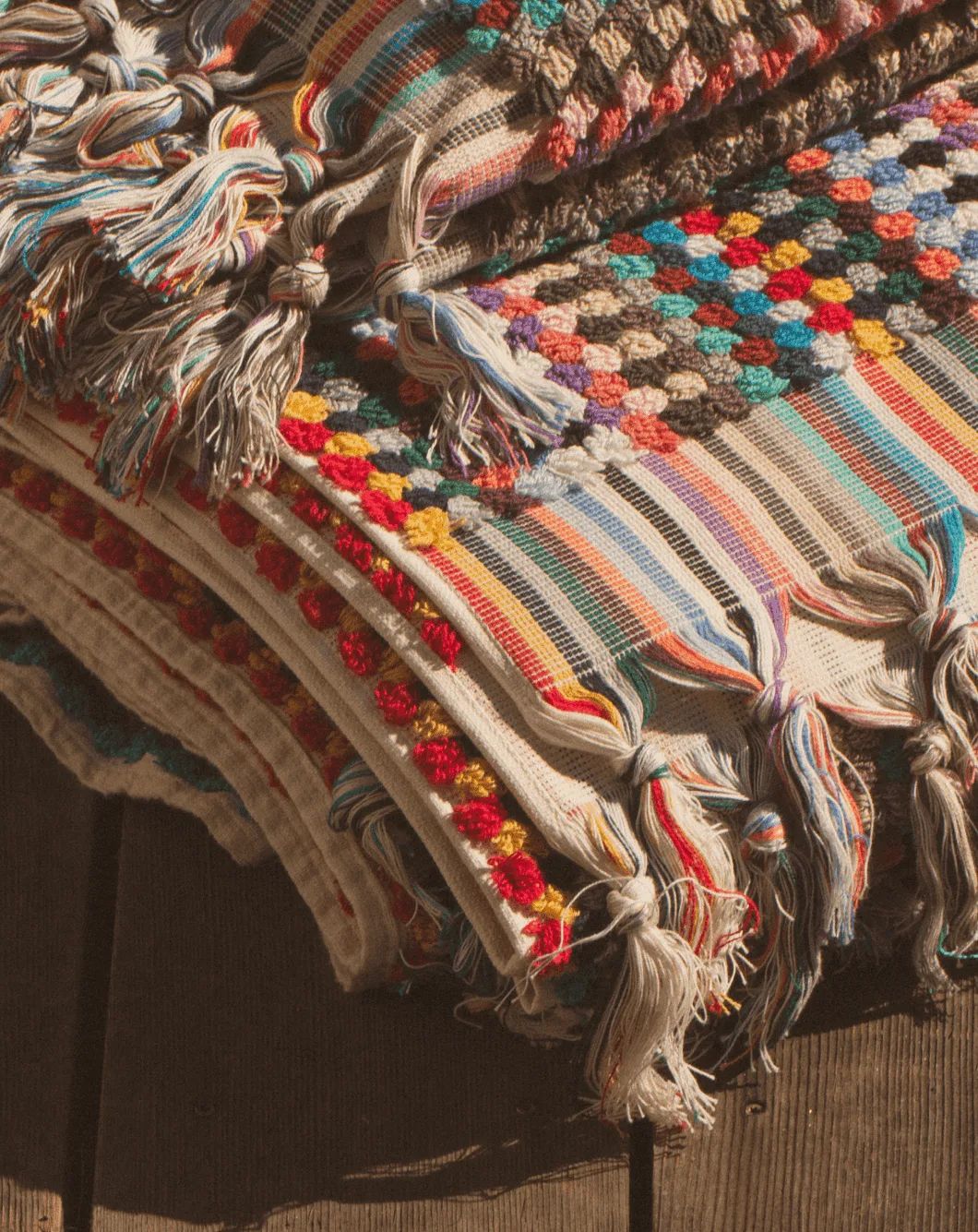
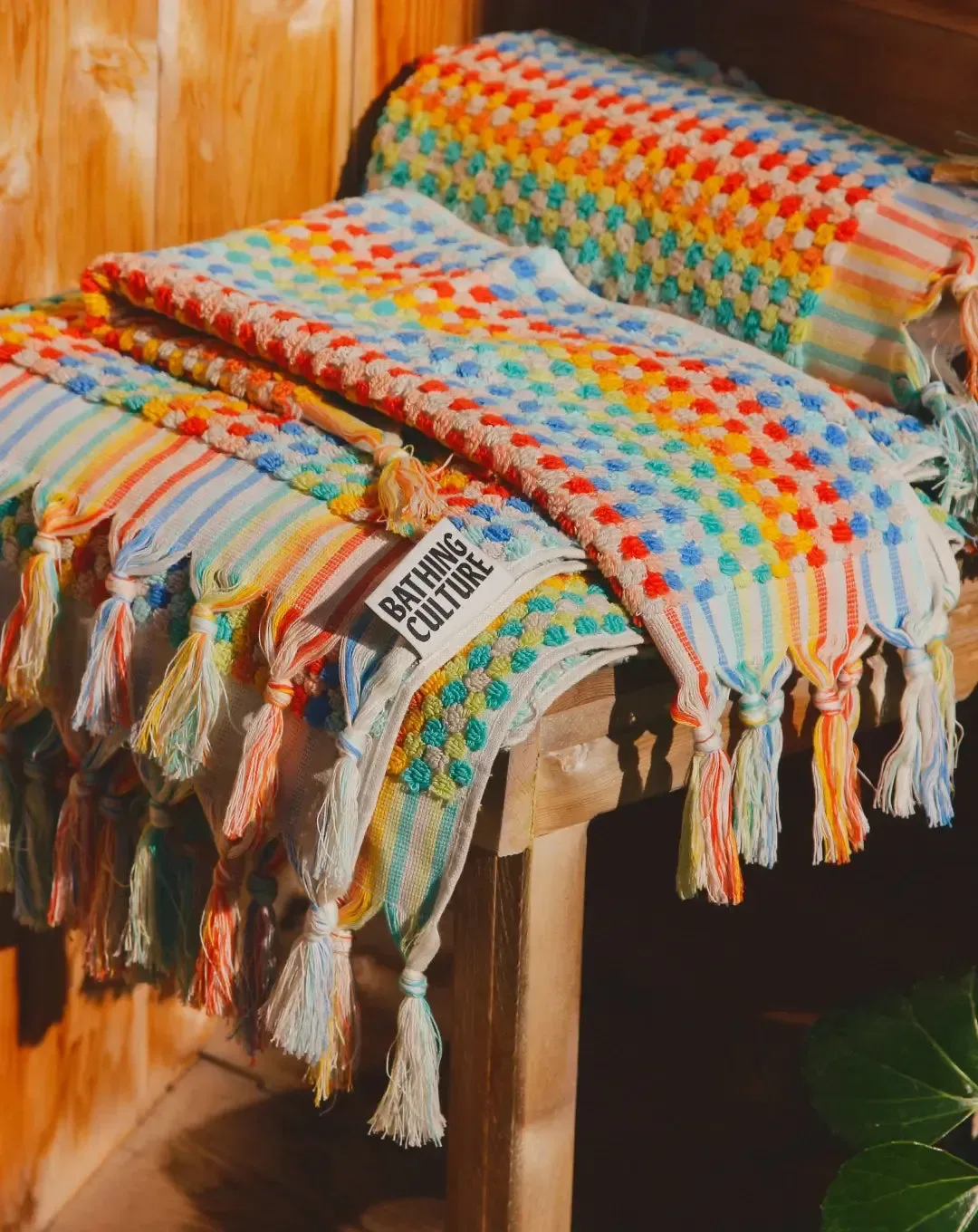
- Organic Cosmic Rainbow Towel (Vibrant): Hand-loomed, super-absorbent, fast drying towels for bringing cozy, colorful vibes to the beach or your bathroom. Made from certified organic cotton with hand-tied tassels. These towels are designed to be absorbent and fast-drying, which means they're less likely to stay damp and develop odors. Proper care helps maintain their vibrant colors and softness.
Rough towels are a common annoyance, but with the right laundry habits, you can restore and maintain their softness. Remember to use less detergent, skip fabric softeners, and dry gently. If your towels are beyond saving, consider upgrading to organic cotton options that are kinder to your skin and the planet.