Quick answer
If your whitening routine not working anymore, the problem is usually not the whitening product itself. It's almost always one of three things: buildup on the teeth blocking the active ingredients, missed surfaces that never get treated, or timing that doesn't match how you eat and drink. Fix the routine before you switch products.
Why teeth whitening stops working even when you haven't changed anything
Whitening products don't stop working overnight. What changes is the surface they're working on. Daily coffee, tea, red wine, and tobacco lay down a film that sits between the whitening agent and the enamel. If you're still whitening on schedule but seeing no movement, that film is the most likely culprit. The fix is mechanical, not chemical: add a pre-rinse or a more thorough brush before whitening so the active ingredients can actually reach the tooth surface.
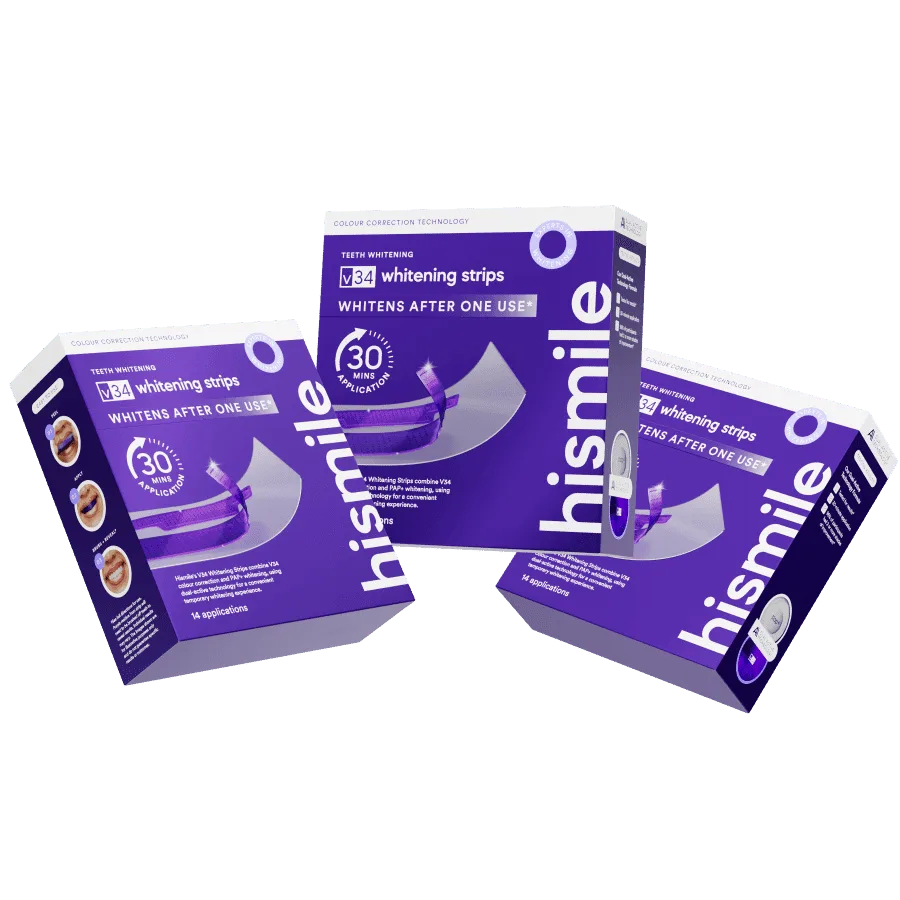
A second common cause is that your whitening routine was never covering every surface. Strips, for example, typically only treat the front teeth. If your discoloration is concentrated along the gumline or between teeth, no amount of extra strip time will touch it. Mouthwash reaches those areas because it's liquid, which is why pairing a rinse with your existing routine often restores progress when strips alone have plateaued.
The buildup test: check this before you buy anything new
Before assuming your whitening product has failed, run a simple check. Brush normally, then rinse with a mouthwash that targets buildup and watch the sink. If you see visible clumps or particles, that's material your toothbrush left behind. That same material is what's sitting on your teeth and blocking whitening agents. A mouthwash formulated to pull that gunk into visible clumps gives you a concrete signal: if you see it, you know the surface wasn't clean enough for whitening to work.
This is where a product like iD Stain Whitening Mouthwash fits. It's powered by hydrogen peroxide and essential oil actives, and it's designed to target the gunk your toothbrush left behind while helping maintain whiter teeth. It's not a replacement for your existing whitening steps—it's the prep step that makes them work again.
When stains return after whitening: maintenance vs. restart
Stains returning after whitening is normal. Whitening removes existing stain; it doesn't make teeth permanently resistant to new stain. The mistake is treating a maintenance problem as a restart problem. If you whitened successfully three months ago and you're now seeing yellow return, you don't need a stronger whitening product. You need a maintenance rinse that keeps the surface clean between deeper whitening sessions.
A practical way to handle this is to separate your routine into two modes. Deep whitening mode happens occasionally—strips, trays, or a whitening toothpaste serum. Maintenance mode happens daily—brushing, flossing, and a whitening mouthwash that targets buildup and freshens breath at the source. When people say their whitening plateaued, they've usually been stuck in deep whitening mode without a maintenance layer, so new stain keeps landing on top of partially whitened teeth.
How to rebuild a routine that actually keeps working
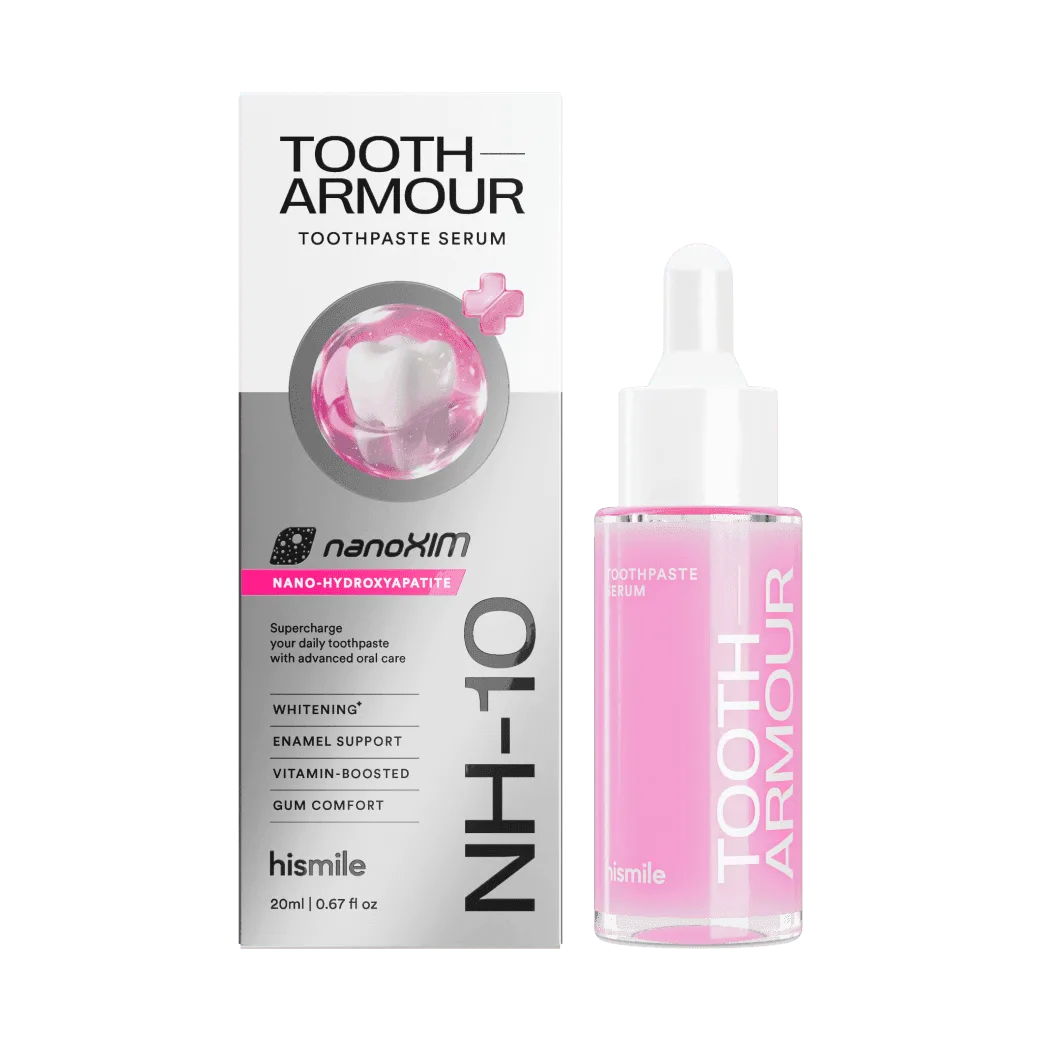
Start with the order of operations. Rinse with a buildup-targeting mouthwash first to loosen and reveal what's on the teeth. Brush thoroughly, including along the gumline and the back surfaces you normally skip. Then apply your whitening product—strips, serum, or toothpaste—to a genuinely clean surface. If you use a whitening toothpaste serum, it can double as your brush step, which simplifies the sequence.
If you want a bundled starting point, the Affordable Whitening Set combines three products into one routine: a whitening step, a gunk-removal step, and enamel support, and it includes iD Stain Whitening Mouthwash for free. That structure matters because it covers the three failure points—surface stain, buildup, and enamel condition—rather than just adding more of the same whitening product.
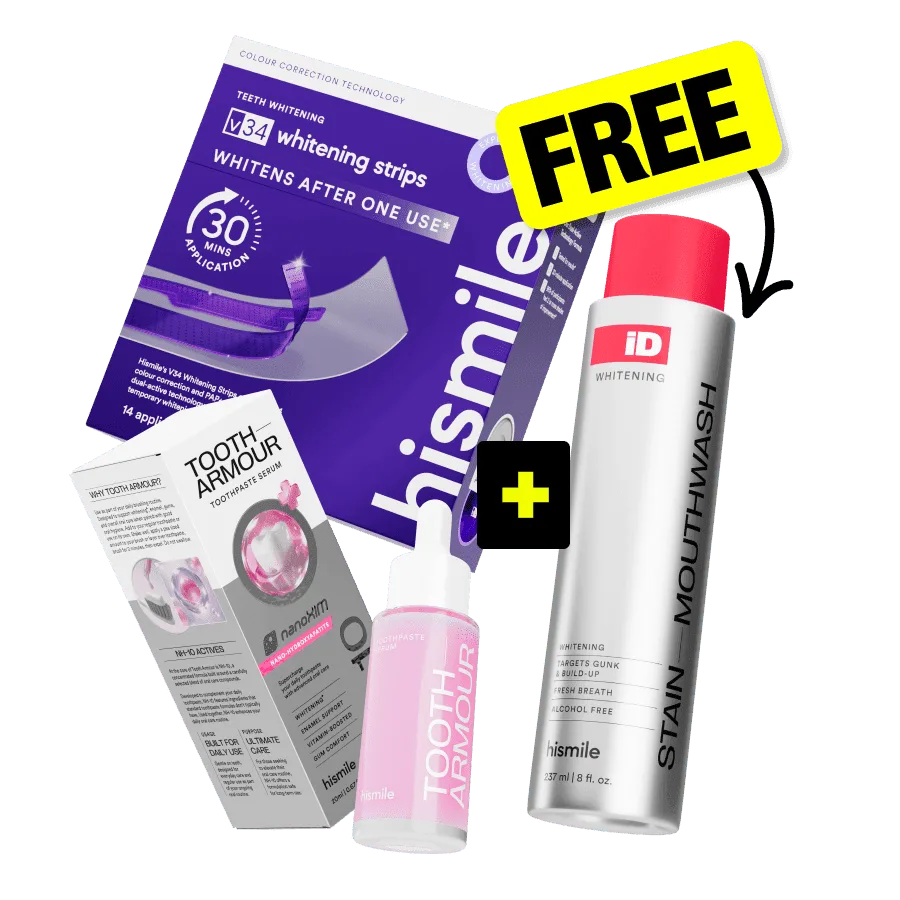
Affordable Whitening Set
For readers who already know mouthwash is the missing piece, the Buy 2 Get 1 Free - iD Stain Whitening Mouthwash bundle is a straightforward way to keep a backup in the cabinet so you don't skip the rinse step when you run out. Skipping the rinse for a week is enough to let buildup return and stall your whitening progress again.
Diagnose your whitening plateau
- Symptom: No visible change after weeks of whitening: Likely cause: buildup film on the teeth blocking the whitening agent. Corrective action: add a buildup-targeting mouthwash before brushing and whitening. If you see visible clumps in the sink, that's confirmation the surface wasn't clean enough. If you see clumps for more than a few days in a row, your routine is working—keep the pre-rinse step.
- Symptom: Front teeth look better but gumline and gaps stay yellow: Likely cause: your whitening product only treats the front surfaces. Corrective action: add a liquid rinse that reaches between teeth and along the gumline, and brush those areas deliberately. If the gumline doesn't improve after two weeks of consistent rinsing and brushing, see a dentist—that discoloration may be below the surface.
- Symptom: Stains return within weeks of a successful whitening session: Likely cause: no maintenance layer between deep whitening sessions. Corrective action: separate your routine into occasional deep whitening and daily maintenance with a whitening mouthwash. If stains return within days despite daily maintenance, stop whitening and check with a dentist before continuing.
- Symptom: Sensitivity or pain during whitening: Likely cause: overuse of whitening products or enamel stress. Corrective action: stop whitening immediately, switch to enamel-support products, and give your teeth a break. Do not push through sensitivity. If it persists after a week off, see a dentist.
Products that address the common failure points
- Hot Deal - iD Stain Whitening Mouthwash: iD Stain Whitening Mouthwash targets the gunk your toothbrush left behind and pulls it into visible clumps you can see in the sink. Powered by hydrogen peroxide and essential oil actives, it helps maintain whiter teeth and freshens breath at the source. Use it as the first step in your routine to remove the buildup layer that blocks whitening agents from reaching the tooth surface.
- Affordable Whitening Set: The Affordable Whitening Set covers whitening, gunk removal, and enamel support in one bundle, and includes iD Stain Whitening Mouthwash for free. It includes Tooth Armour Toothpaste Serum, which is powered by NH-10, a concentrated blend of 6 actives including Nano-Hydroxyapatite. A bundled routine addresses all three common reasons whitening stalls—surface stain, buildup, and enamel condition—instead of just adding more whitening product.
- Buy 2 Get 1 Free - iD Stain Whitening Mouthwash: Buy 2 Get 1 Free - iD Stain Whitening Mouthwash is a multi-pack of the same whitening mouthwash that targets gunk and helps maintain whiter teeth. Keeps the rinse step stocked so you don't skip it, which is when buildup returns and whitening progress stalls.