Quick answer
If a wooden puzzle piece feels too tight, stop forcing it. Most tight fits come from humidity swelling the wood or tiny manufacturing burrs on the tab edges. Let the puzzle sit in a dry room for a few hours, then try again with gentle pressure. If it still won't seat, a light rub with fine sandpaper or a dry cloth on the tab edges usually solves it. Never hammer or wet the piece.
Symptom: The piece goes halfway in and stops
This is the most common wooden puzzle assembly issue. The tab enters the slot but jams before it sits flush. You can feel resistance early, and pushing harder makes the surrounding pieces lift. This is different from a piece that simply doesn't belong there — check the image first before assuming a fit problem.
Likely cause: Humidity or a burr, not a wrong cut
Wood moves with moisture. In a damp room, a tab can swell just enough to bind. In dry conditions, the same piece may slide in easily. The second common cause is a tiny burr — a rough edge left from laser cutting — that catches inside the slot. Both are normal and fixable. A third possibility is that you're forcing a piece into the wrong slot; wooden jigsaw fit problems often disappear once you recheck the surrounding area.
Corrective action: Dry, inspect, then gently ease the fit
First, move the puzzle to a dry room (40–50% relative humidity is ideal) and wait two to three hours. Try the piece again with light, even pressure — no rocking. If it still binds, remove it and look at the tab edges under good light. Run a dry cloth or a fingernail along the tab to feel for burrs. For stubborn burrs, fold a piece of 400-grit sandpaper and give the tab edge two or three light strokes — no more. Wipe away dust and test the fit. If the piece now seats with mild pressure, you're done.
When to stop and choose another option
Stop if the piece requires more than light pressure, if the tab starts to bend or whiten at the edge, or if sanding changes the piece's shape noticeably. Forcing a tight tab can split the plywood layers, and that damage is permanent. If several pieces in the same area are tight, the puzzle may have been stored in a humid place before it reached you. In that case, contact the seller rather than sanding multiple pieces. If only one or two pieces are affected and gentle easing doesn't work, set them aside and finish the rest of the puzzle — you can revisit them later when humidity changes.
Diagnosis: Match your symptom to the fix
- Piece stops halfway, feels spongy: Likely humidity swelling. Move to a dry room for 2–3 hours and retry with light pressure. If it seats with mild pressure, no further action needed.
- Piece binds immediately, feels gritty: Likely a burr on the tab edge. Rub gently with a dry cloth or two light strokes of 400-grit sandpaper. Stop if the edge starts to round off or change shape.
- Multiple adjacent pieces are tight: Likely pre-existing moisture exposure. Do not sand multiple pieces. Contact the seller for a replacement or advice. This is a defect-level issue, not a maintenance fix.
Product facts
- Wooden Puzzle Wild Horses On The Beach 1000: Wooden Puzzle Wild Horses On The Beach 1000 is crafted with precision in Poland. Precision cutting means tight fits are more likely to be humidity-related than a manufacturing defect, so try drying first before sanding.
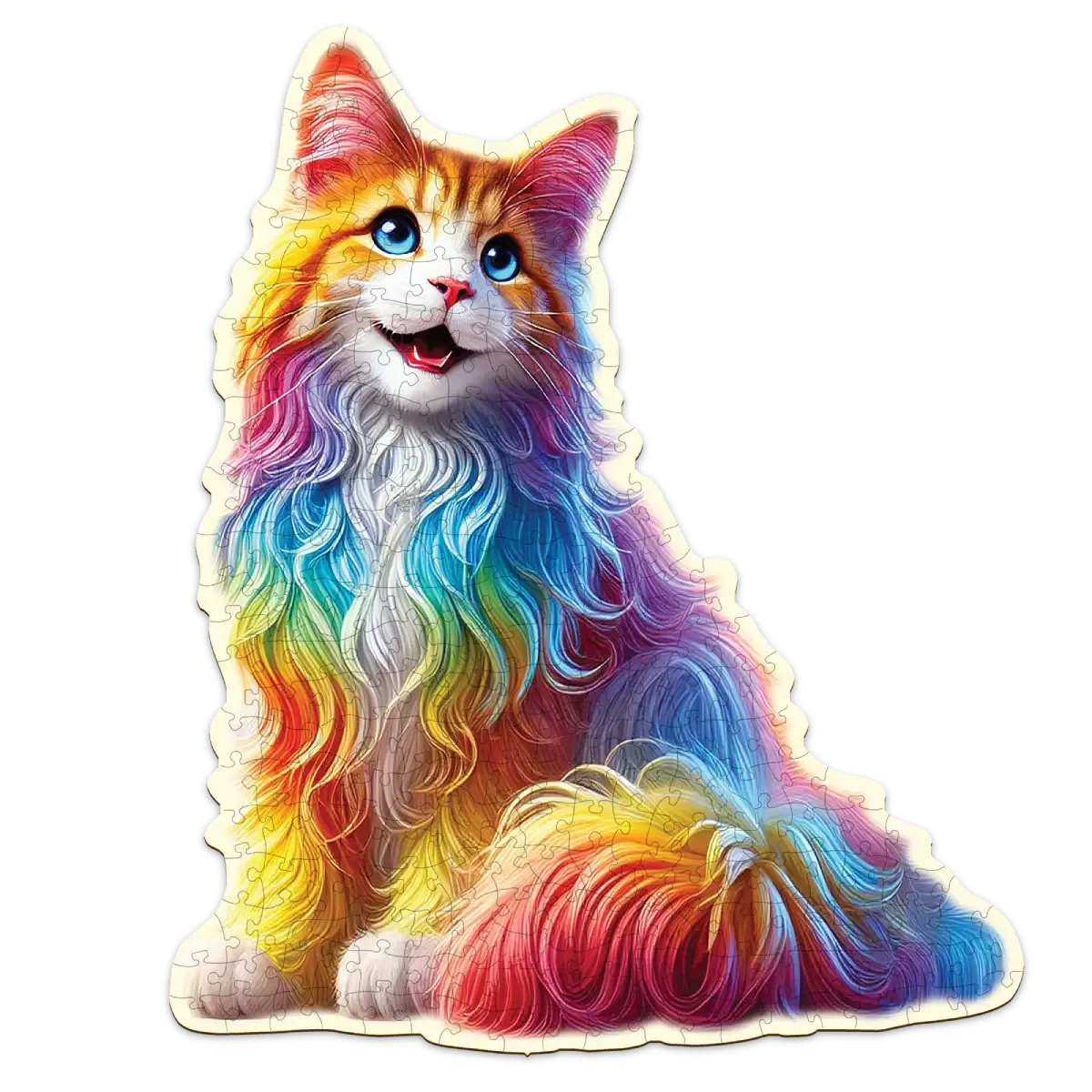
- Colorful Cat Fantasy 250 Wooden Puzzle: Colorful Cat Fantasy 250 Wooden Puzzle has pieces that fit together seamlessly to form a multi-colored cat. Seamless fit is the goal, but a new puzzle may still have slight tightness until it adjusts to your room's humidity.