Quick Answer
Most carrier fussiness comes from poor positioning, wrong seat width, or a too-tight strap. Check the baby's airway, adjust the seat to support thigh to knee, and loosen the shoulder straps slightly. If crying continues after 5 minutes of walking, try a different carry position or take a break.
Why Carrier Fussiness Happens
Babies cry in carriers for the same reasons they cry anywhere: discomfort, temperature, or overstimulation. But carrier-specific triggers include a seat that's too narrow (pressure on the knees), straps that dig in, or a position that doesn't match their developmental stage. A newborn needs a snug, upright carry with full head support, while a 6-month-old may fuss if they can't see around them.
Step-by-Step Fixes for Common Carrier Issues
Start by checking the baby's chin-to-chest distance: you should be able to fit two fingers between their chin and chest. Next, adjust the seat width so the fabric supports from knee pit to knee pit, not just the bottom. If the carrier has multiple seat positions, move up one setting as the baby grows. Loosen shoulder straps just enough to create a slight C-curve in the baby's spine. Finally, walk briskly or sway gently; movement often soothes better than standing still.
Diagnosis: Is It the Carrier or Something Else?
- Symptom: Crying starts immediately after buckling: Likely cause: The seat is too narrow or the baby is too low. Check that the carrier's seat supports from knee pit to knee pit and that the baby's bottom is not sagging below the waistband. Adjust seat width or raise the baby one setting. If crying stops, the fit was the issue.
- Symptom: Crying after 5-10 minutes of calm: Likely cause: Overheating or overstimulation. The baby may be too warm or facing a busy environment. Remove a layer or turn the baby to face you. If baby settles after facing you, try a hip carry or inward-facing position next time.
- Symptom: Arching back or pushing away: Likely cause: Discomfort from a tight strap or wrong carry position. Loosen shoulder straps slightly and check that the baby's spine forms a gentle C-curve. If the carrier has multiple positions, try a different one. If arching continues after adjustments, the carrier may not suit your baby's current development. Consider a carrier with more adjustability.
Product That Helps
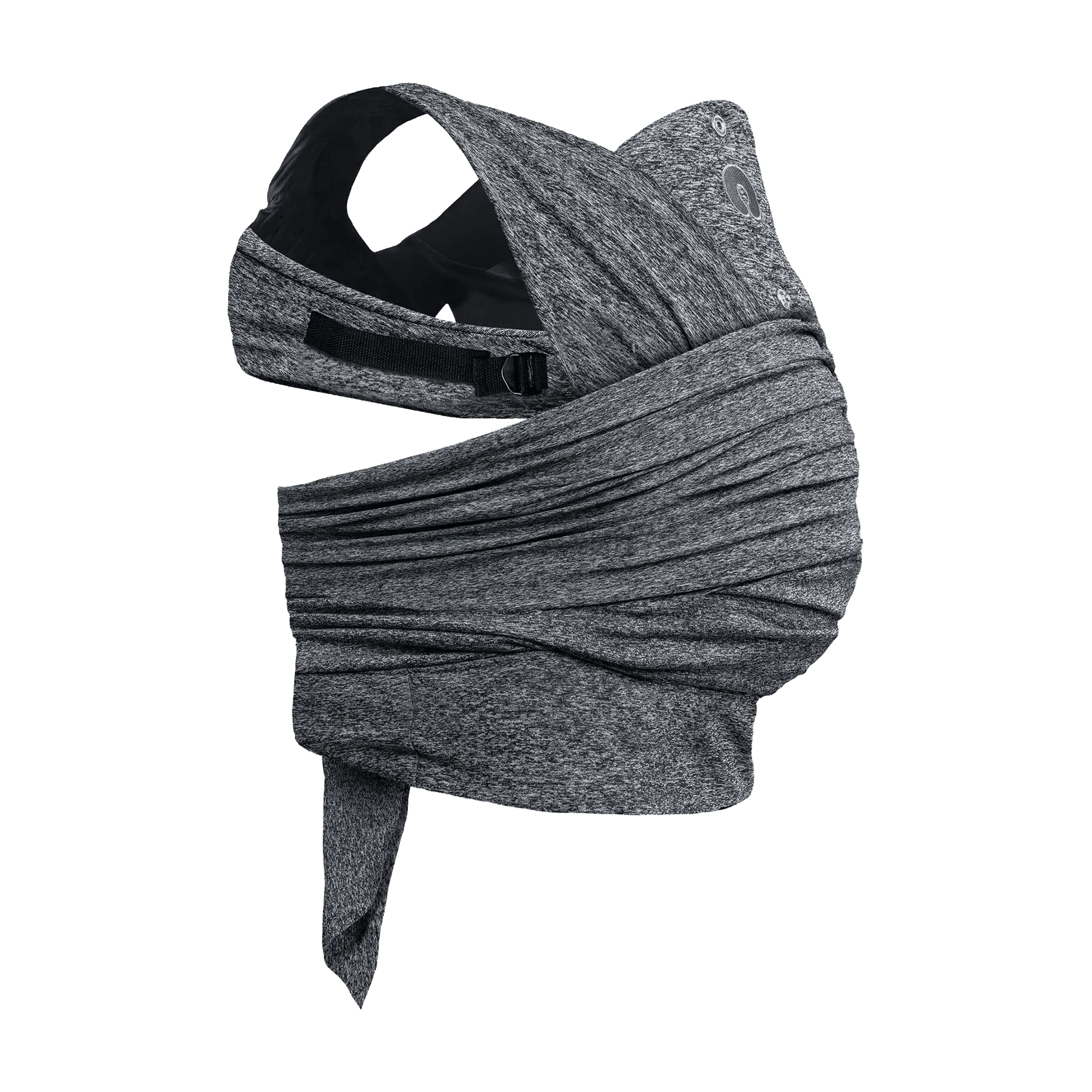
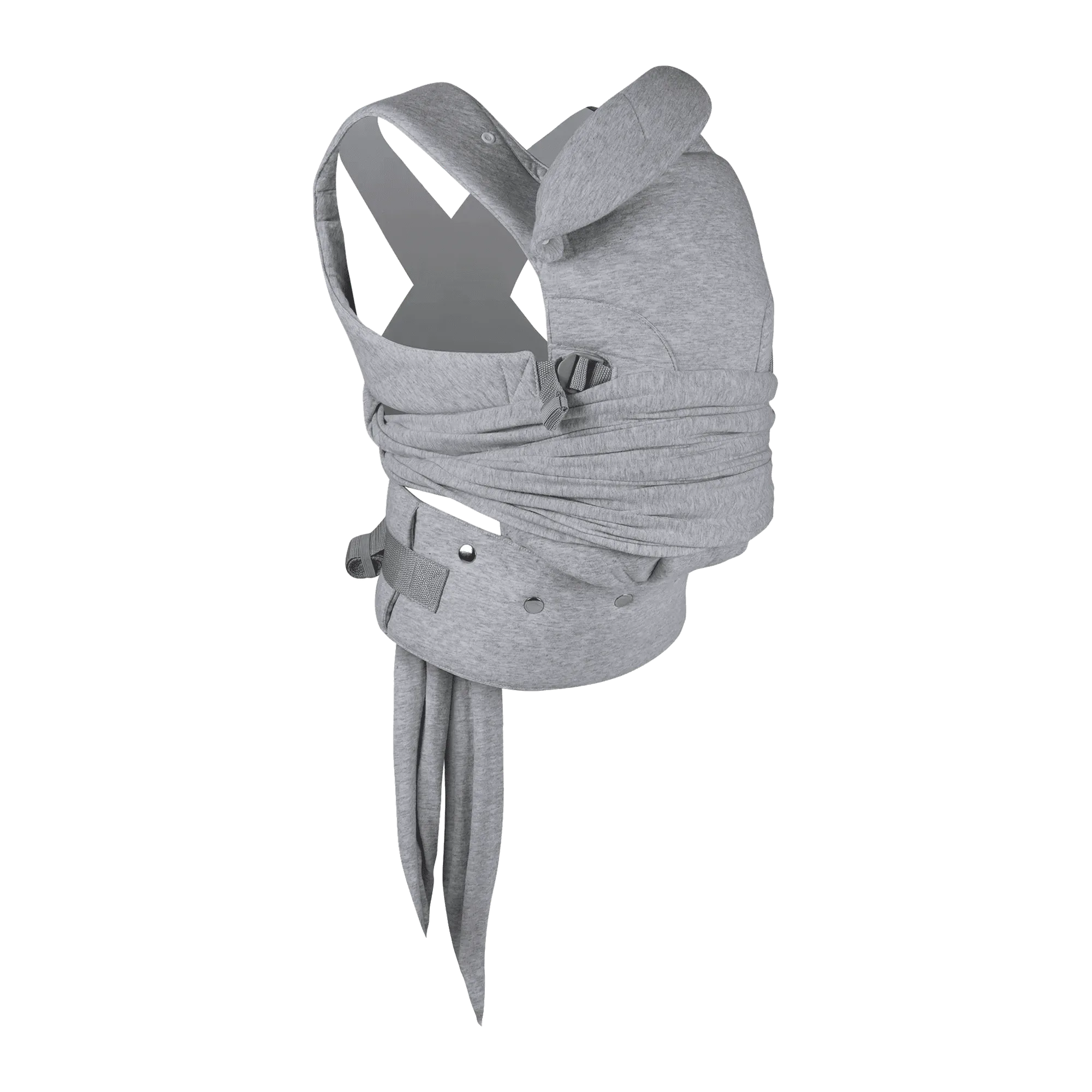
- ComfyGrow Hybrid Baby Carrier: From newborn to toddler (7-35lbs). Lightweight with three carrying positions, three seat positions, and multiple head support adjustments, the ComfyGrow Hybrid Baby Carrier evolves seamlessly with your baby's growth. Multiple seat and head support adjustments let you dial in the right fit as your baby grows, reducing the common causes of carrier fussiness.