Quick Answer
When your baby refuses the bottle, start by checking the nipple flow and milk temperature. Often, a simple switch to a slower or faster teat, or warming the milk slightly, resolves the issue. If the refusal persists, consider a change in feeding position or a different bottle design.
Common Causes of Bottle Refusal
Babies refuse bottles for many reasons, and the cause often changes with age. A newborn may struggle with the nipple shape or flow rate, while an older baby might be distracted or teething. Other common triggers include a change in milk temperature, a new formula brand, or even a temporary illness like an ear infection that makes sucking painful.
Sometimes the problem is simply that the baby prefers the breast and finds the bottle unfamiliar. In other cases, the baby may be over-hungry or overtired, making them too frustrated to feed. Observing when the refusal happens can give you clues: is it always the same time of day, or only with a specific caregiver?
Step-by-Step Solutions to Try
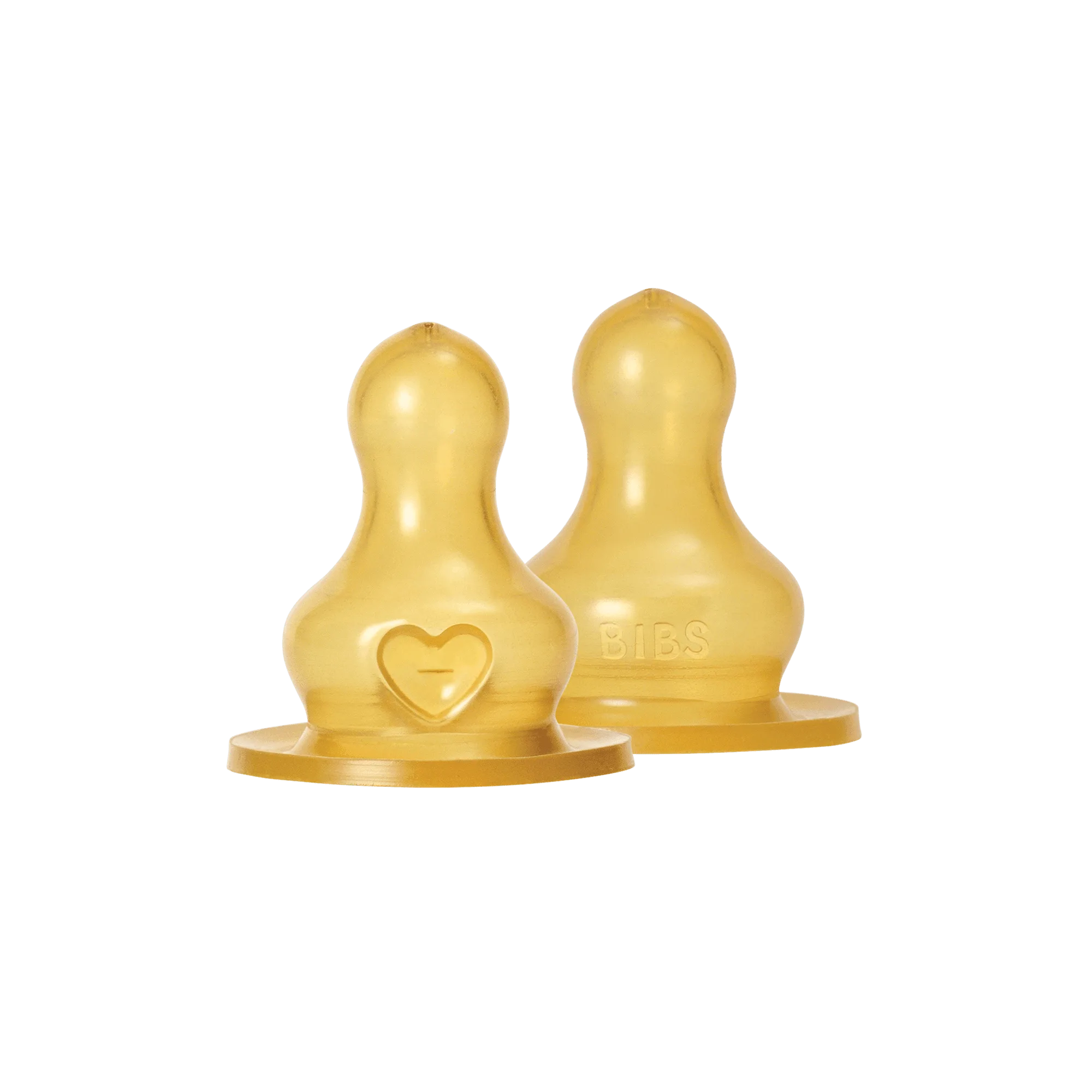
Start by checking the basics. Ensure the nipple is clean and the hole is the right size for your baby's age. For newborns, a slow-flow nipple prevents choking; for older babies, a faster flow may be needed. Warm the bottle to body temperature (around 98.6°F) by placing it in a bowl of warm water, not the microwave.
Experiment with feeding positions. Hold your baby in a more upright position rather than lying flat, which can reduce milk flowing too fast. Try offering the bottle when your baby is calm but not starving, and let someone else do the feeding—babies often associate mom with breastfeeding and may refuse the bottle from her.
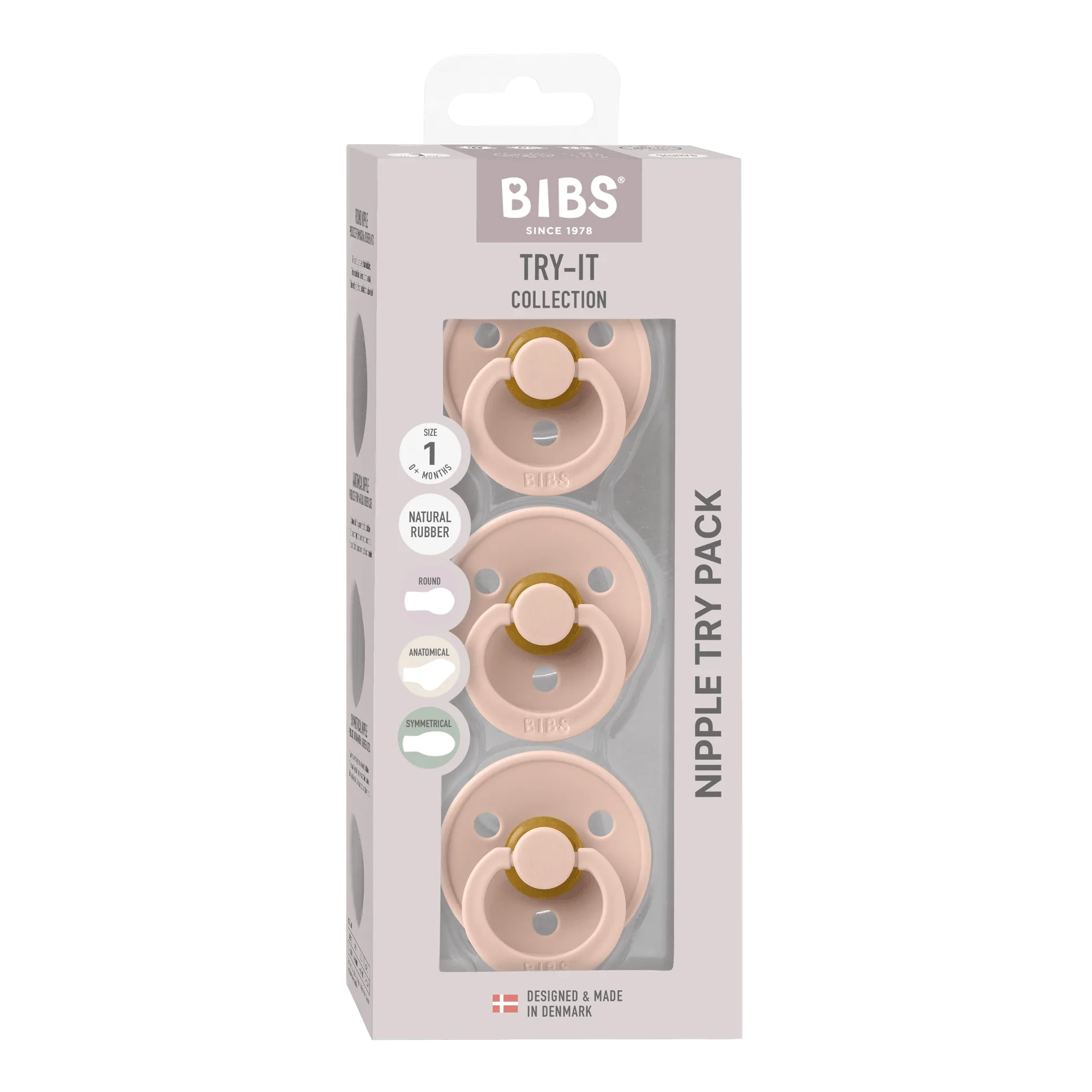
If the baby continues to refuse, consider a different bottle or teat shape. Some babies prefer a wider, breast-shaped nipple, while others do better with a standard round teat. The BIBS Colour Try It 3 Piece Pacifier Set, Baby Blue includes three different teat shapes that can help you discover your baby's preference for sucking, which may also translate to bottle feeding success.
When to Seek Help or Try a Different Approach
Most bottle refusal resolves within a few days of consistent troubleshooting. However, if your baby is losing weight, showing signs of dehydration (fewer wet diapers), or seems in pain during feeding, consult your pediatrician. In rare cases, refusal can signal an underlying medical issue like reflux or a tongue-tie.
If you've tried multiple solutions without success, consider using a different feeding tool altogether. For example, some parents find that using a soft spouted cup or a spoon works as a temporary bridge. Remember that every baby is different, and what works for one may not work for another—patience and observation are your best tools.
Diagnosis: Why Your Baby Refuses the Bottle
- Symptom: Baby turns head away, cries, or pushes bottle out when offered. This is common and usually temporary.
- Likely Cause: Nipple flow too fast or too slow, milk too cold, or baby is distracted or teething. Check nipple size and milk temperature first.
- Corrective Action: Try a different nipple flow, warm the milk, change feeding position, or let someone else feed. Give each change at least 2-3 tries before moving on.
- Stop or Choose Another Option: If baby still refuses after several days, or shows signs of dehydration or weight loss, consult a pediatrician. Medical advice is needed if feeding refusal persists with weight loss.
Product That Can Help
- BIBS Colour Try It 3 Piece Pacifier Set - Baby Blue: The BIBS Colour Pacifier Try-It Set, Baby Blue includes three pacifiers with distinct teat shapes – Round, Orthodontic, and Cherry – to help you discover which shape your baby prefers. Understanding your baby's preferred teat shape can guide you when choosing bottle nipples, potentially reducing bottle refusal.