Quick answer
The fastest fix is to remove pain and preference as causes: take your cat to the vet to rule out a urinary tract infection or crystals, then reset the litter box with an uncovered pan, unscented clumping litter, and one box per cat plus one extra. If your cat still avoids the box after two weeks of consistent setup, ask your vet for a behavior referral.
Rule out medical causes first
A cat that suddenly stops using the litter box may have a urinary tract infection, crystals, kidney issues, or arthritis that makes climbing into a high-sided box painful. These are medical problems, not training failures. Book a vet visit before you change anything about the litter box. If your cat cries while urinating, produces only small amounts, or has blood in the urine, treat it as urgent.
Reset the litter box setup
Cats are particular about texture, scent, and space. Start with an uncovered box at least one and a half times your cat's length, filled with unscented clumping litter about two inches deep. Place it in a quiet spot with two exits, away from noisy appliances and food bowls. Scoop twice daily and do a full litter change weekly. If you have multiple cats, provide one box per cat plus one extra, spread across different rooms.
Address stress and territory changes
New pets, moving, visitors, or even a new piece of furniture can trigger litter box avoidance. Give your cat vertical space, hiding spots, and separate feeding stations. Use a pheromone diffuser near the box. If a neighborhood cat sprays outside your windows, block the view with privacy film or curtains. For multi-cat homes, add a second litter box in a different location so no cat has to cross another cat's path.
Clean accidents correctly
Never punish your cat for going outside the box. Punishment increases stress and makes the problem worse. Clean soiled areas with an enzymatic cleaner that breaks down urine proteins. Avoid ammonia-based cleaners because they smell like cat urine and can attract your cat back to the same spot. If the area is carpet, saturate it and let it air dry.
Try a litter your cat will accept
If your cat has been avoiding the box, switch to an unscented, fine-grain clumping litter. Scented litters and deodorizers can irritate a cat's sensitive nose. Some cats prefer pellets or paper-based litter, especially after declawing or paw injuries. Introduce any new litter gradually by mixing it with the old litter over a week. If your cat still avoids the box after trying two different litters, the problem is likely not the litter itself.
Diagnose the litter box problem
- Symptom: Cat pees on soft surfaces like beds or laundry: Likely cause: pain or preference for soft texture. Corrective action: vet visit first, then try unscented fine-grain clumping litter in an uncovered box. If pain is ruled out and soft surfaces still attract your cat, add a litter box with softer litter in the same room.
- Symptom: Cat poops just outside the box: Likely cause: box is too small, too dirty, or in a high-traffic area. Corrective action: scoop twice daily, use a larger uncovered box, and move it to a quiet corner. If accidents persist after two weeks of consistent cleaning and relocation, add another box in a different spot.
- Symptom: Cat sprays urine on walls or vertical surfaces: Likely cause: territorial stress or unneutered status. Corrective action: neuter if not already done, reduce outdoor cat visibility, and add vertical territory. If spraying continues after neutering and stress reduction, consult a veterinary behaviorist.
- Symptom: Cat avoids the box only when you are away: Likely cause: separation anxiety or a change in routine. Corrective action: keep the box in a predictable location and consider a pheromone diffuser. If avoidance stops when you return, focus on gradual alone-time training and environmental enrichment.
Reward calm behavior near the box
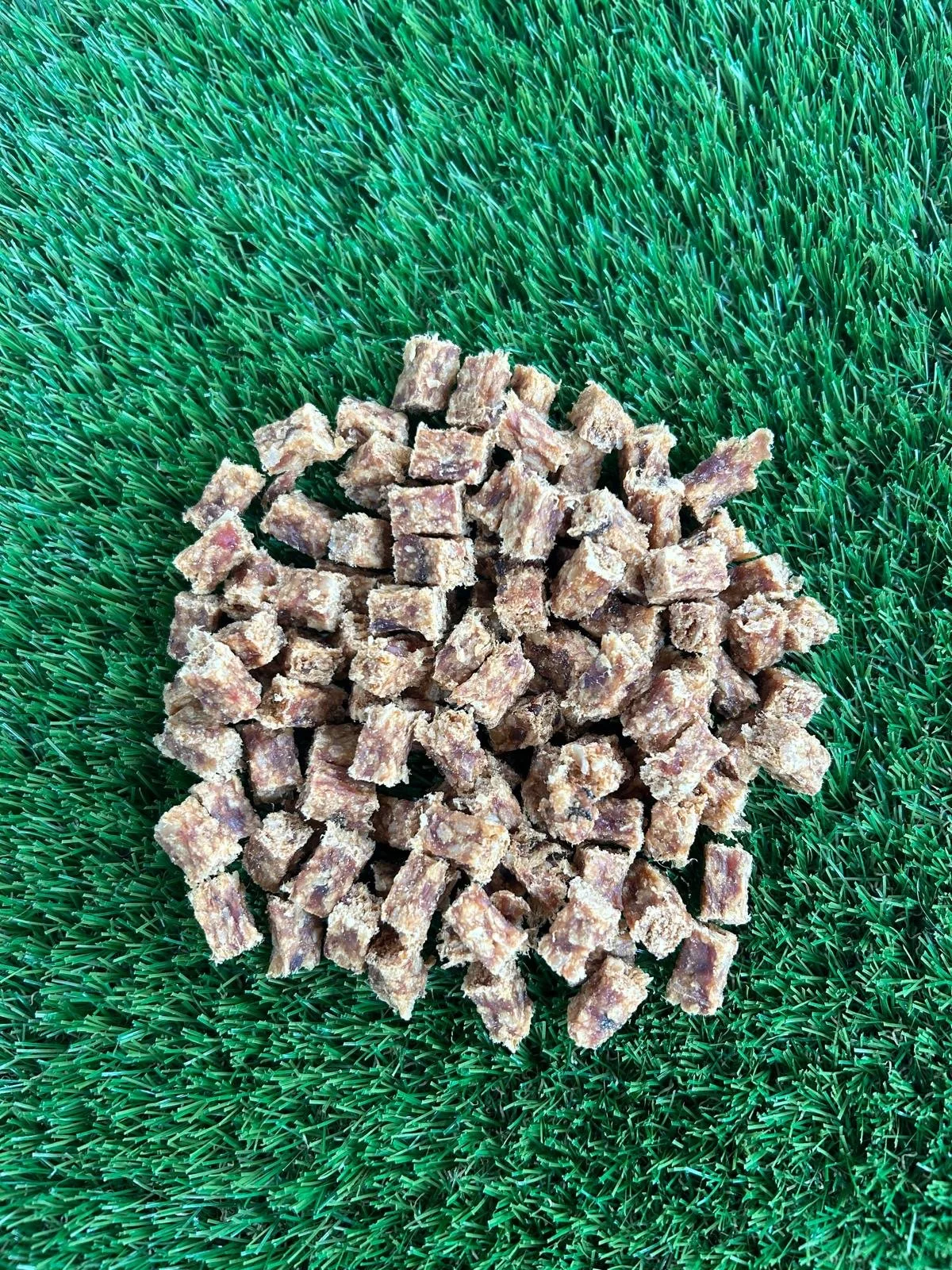
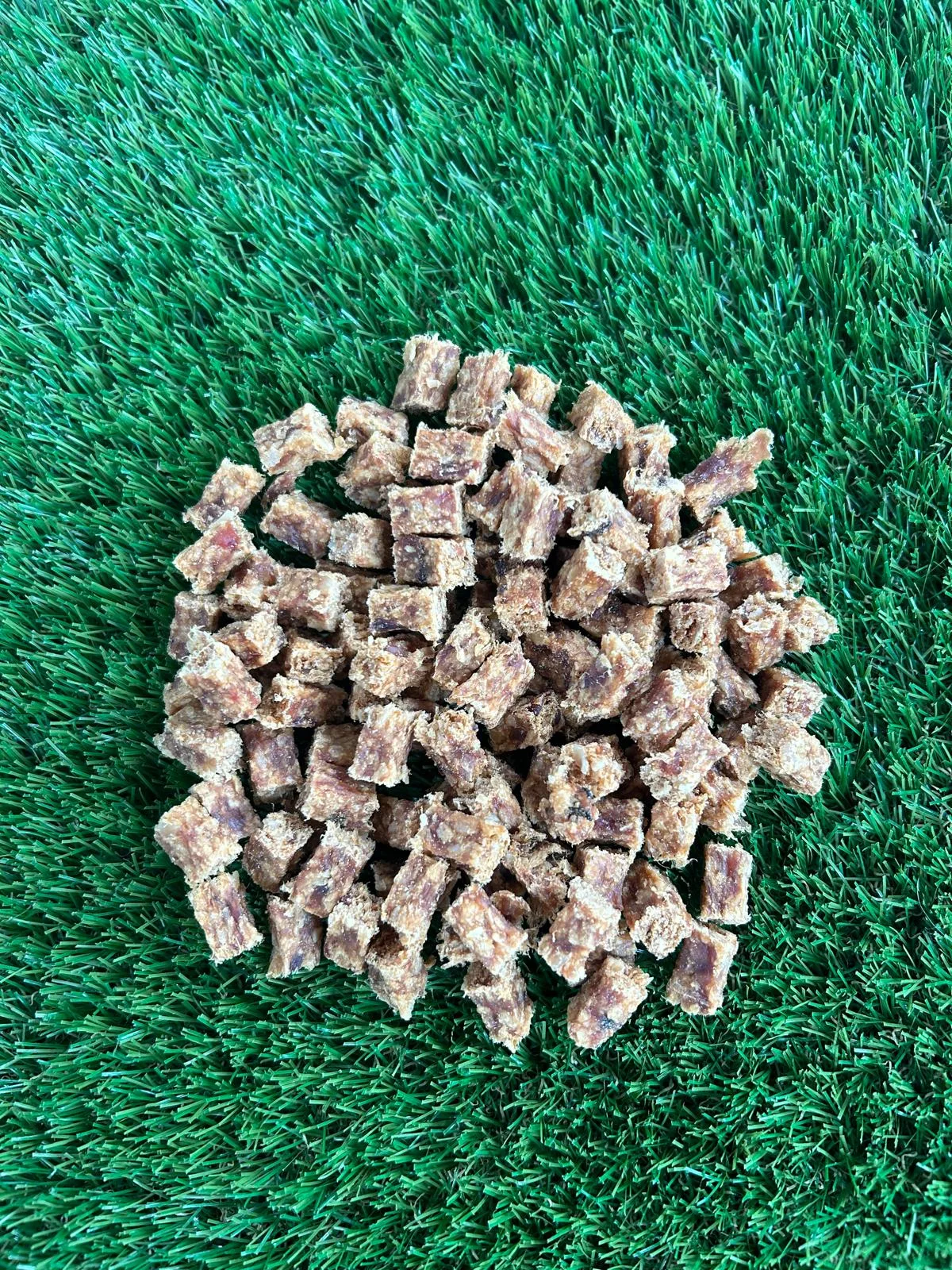
- Nova Duck Training Treats 100g: Nova Duck Training Treats are 100% natural, made entirely from high-protein duck, and free from artificial preservatives, colours, and flavours. Use these small, high-value treats to reward your cat for approaching, sniffing, or stepping into the litter box during retraining. Keep sessions short and calm.
- Nova Venison Training Treats 100g: Nova Venison Training Treats are 100% natural and made entirely from high-protein venison, suitable for all breeds from 8 weeks and older. If your cat is fussy about duck, venison offers a novel protein reward for litter box training without artificial additives.