Quick answer
Cookie sheet warping is usually caused by thermal shock—putting a cold pan into a hot oven or a hot pan onto a cold surface—or by using a thin-gauge pan that expands unevenly. To prevent it, choose a heavy-gauge aluminum or aluminized steel sheet, avoid sudden temperature changes, and never run a hot pan under cold water. If your pan already warps, stop using it for delicate cookies; it will bake unevenly.
What Warping Actually Looks Like (and Why It Matters)
Warping shows up as a sudden pop or clang from the oven, followed by a pan that rocks on the counter or has a visible curve. The metal expands at different rates across the pan, so one area lifts while another stays flat. This matters because a warped pan creates hot spots: cookies near the raised edge brown faster, while the center can stay pale. If you bake on a warped sheet, rotate it halfway through, but expect uneven results.
The Three Main Causes of Cookie Sheet Warping
First, thermal shock. A cold pan hitting a 375°F oven, or a hot pan placed on a cold granite counter, forces the metal to change size too quickly. Second, thin gauge. Budget sheets under 1 mm thick bend easily because they lack the mass to distribute heat evenly. Third, uneven heating. Ovens with hot spots or a heating element that cycles on and off can warp even a decent pan over time. Understanding which cause applies to you determines whether you can fix the pan or should replace it.
How to Prevent Cookie Sheet Warping
Start by preheating fully—at least 15 minutes—so the oven temperature is stable before the pan goes in. Let cold pans come to room temperature for 10 minutes before baking, or place them in the oven while it preheats (if the manufacturer allows). Never put a hot sheet on a cold surface; use a wire rack or a dry towel. Hand wash with warm water and a soft sponge, and dry immediately. Avoid dishwasher cycles, which combine heat and water that can accelerate warping. If you stack pans for storage, put a towel between them to prevent scratches that lead to hot spots.
When to Stop Trying to Fix a Warped Pan
If your pan has a permanent bend that makes it rock more than a quarter inch, or if the nonstick coating is scratched or flaking, replace it. A warped pan cannot be flattened back to true at home—bending it further weakens the metal. For everyday cookies, a heavy-gauge aluminum sheet is the most warp-resistant choice. If you bake delicate pastries like almond croissants, a warped pan will cause uneven browning, so use a flat sheet or a lined baking mat instead.
Diagnose Your Warped Cookie Sheet
- Symptom: Pan pops and rocks in the oven: This is thermal shock. The pan expanded too quickly because it was cold or thin. Next time, let the pan sit at room temperature for 10 minutes before baking, and avoid placing it on a cold counter after baking. If the pan still rocks after cooling, it has a permanent bend.
- Symptom: Cookies brown unevenly across the sheet: A warped pan creates hot spots where metal is closer to the heating element. Rotate the pan halfway through, but if browning is still uneven, the pan is the problem, not your oven. Use a flat, heavy-gauge sheet for delicate cookies.
- Symptom: Pan warps every time you bake: The pan is likely too thin (under 1 mm) or made of a material that expands too much. Replace it with a heavy-gauge aluminum or aluminized steel sheet. Stop using the old pan for cookies; it will continue to warp and cause uneven results. Replace when warping is permanent or coating is damaged.
Products that pair well with a warp-free baking setup
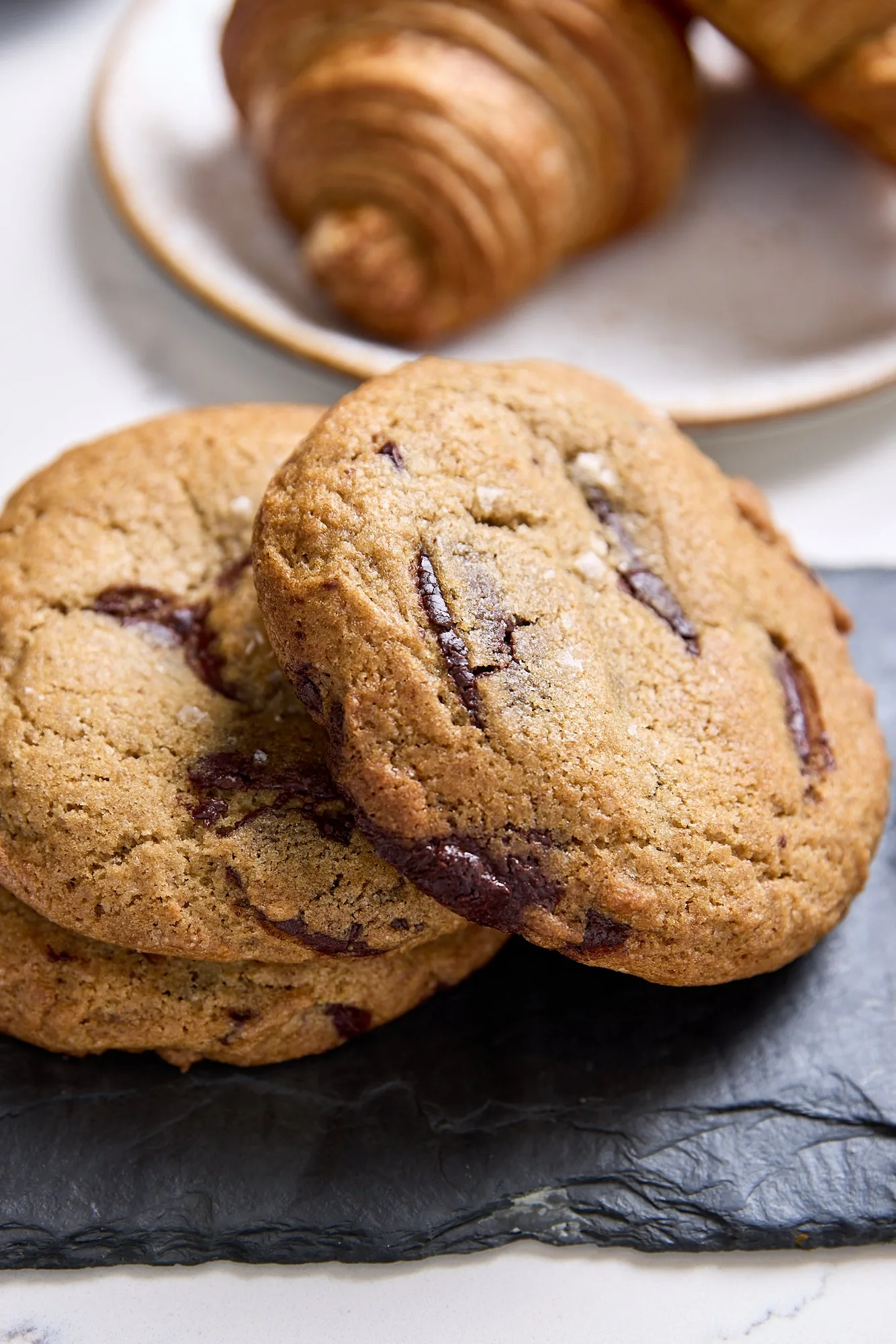
- Chocolate Chunk Cookie: The Chocolate Chunk Cookie from Kneads • Bakery • Café • Mill is a bakery-style cookie made with chocolate chunks, listed under Pastries & Scones. If you bake cookies at home, a flat, heavy-gauge sheet helps them brown evenly; this cookie is a good reference for the size and thickness that benefit most from stable heat.
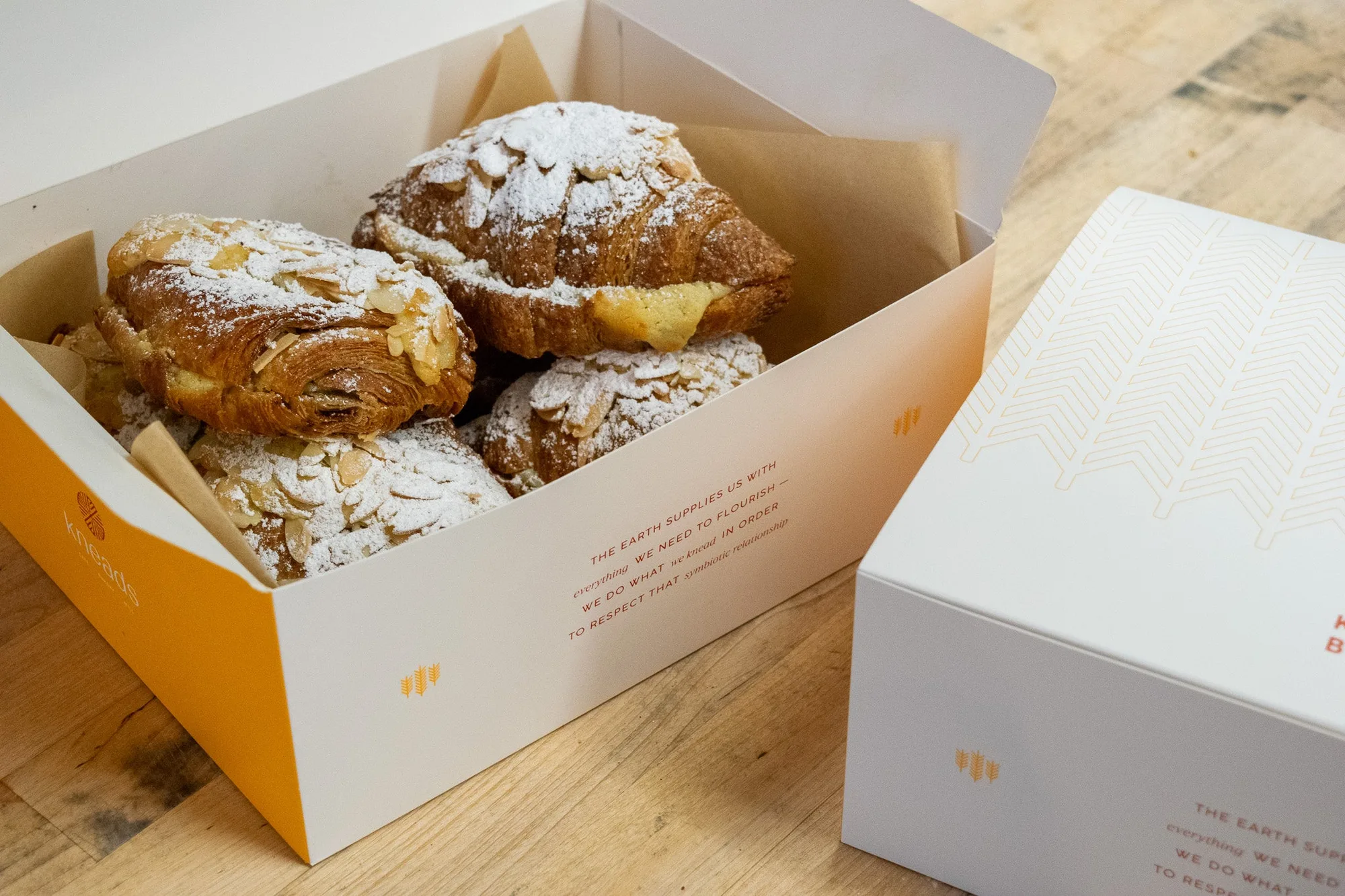
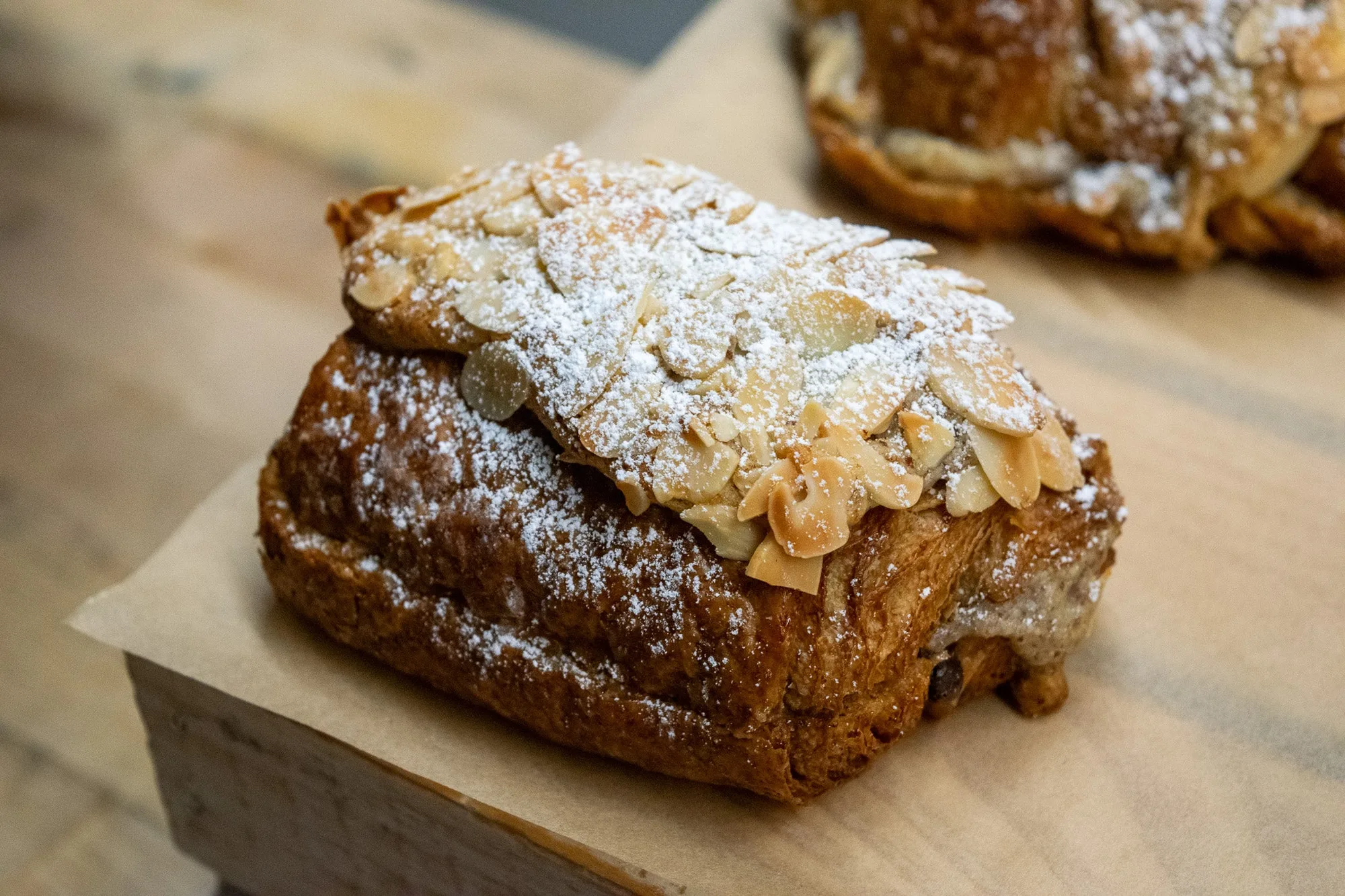
- Assorted Almond Croissant Box: The Assorted croissant-9da47d4ea0b259bd299da77c-1645676">Almond Croissant Box includes six almond croissants and six chocolate almond croissants, suited to pastry catering and group settings. For group baking or catering, a warped pan can cause uneven browning across a batch; a flat sheet or multiple stable sheets help maintain consistency when baking in volume.