Quick answer
Adding electrolytes to your post-workout shake helps replace what you lose through sweat, improving hydration and muscle recovery. Without them, even a high-protein drink can leave you feeling sluggish and cramp-prone.
Why electrolytes matter after a workout
When you exercise, you lose water and key minerals like sodium, potassium, and magnesium through sweat. Replacing only water can dilute your body's electrolyte balance, leading to muscle cramps, fatigue, and slower recovery. A post-workout shake that includes electrolytes helps restore this balance, allowing your muscles to function properly and repair more efficiently.
Many protein powders focus solely on protein content, but they may lack the electrolytes needed for optimal rehydration. This is especially important after intense or long-duration workouts where sweat losses are high.
The role of BCAAs in recovery and hydration
Branched-chain amino acids (BCAAs) are often included in recovery drinks to support muscle protein synthesis and reduce soreness. When paired with electrolytes, they can also help maintain fluid balance within muscle cells, which is critical for preventing dehydration at the cellular level.
Products like Xtend Original BCAA Powder combine BCAAs with electrolytes and L-glutamine, offering a dual approach: amino acids for muscle repair and electrolytes for hydration. This makes them a practical choice for intra- or post-workout use, especially if you're looking for a sugar-free option.
Diagnosing your post-workout hydration gap
- Symptom: You feel tired, get muscle cramps, or have dark urine after workouts, even though you drink water and have a protein shake.
- Likely cause: Your post-workout shake lacks electrolytes. Water alone cannot replace the sodium, potassium, and magnesium lost in sweat, and most protein powders do not include them in meaningful amounts.
- Corrective action: Switch to a recovery drink that contains both protein or amino acids and electrolytes. For example, mix a BCAA powder with electrolytes (like Xtend Original) or add an electrolyte tablet to your regular protein shake. Aim for at least 200-400 mg of sodium per serving after heavy sweating. If symptoms persist after 2 weeks of electrolyte replacement, consult a sports dietitian or doctor to rule out other issues.
Product spotlight
-
Xtend Original BCAA Powder, 7g BCAAs and 2.5g L-Glutamine for Muscle Recovery Hydration and Lean Muscle, Sugar Free Intra and Post Workout Drink with Electrolytes, Blue Raspberry Ice, 90 Servings: Xtend Original BCAA Powder in Blue Raspberry delivers 7 grams of BCAAs and 2.5 grams of L-Glutamine per serving, plus electrolytes, with no added sugar. This combination supports both muscle recovery and hydration in one drink, making it convenient for athletes who want to avoid multiple supplements.
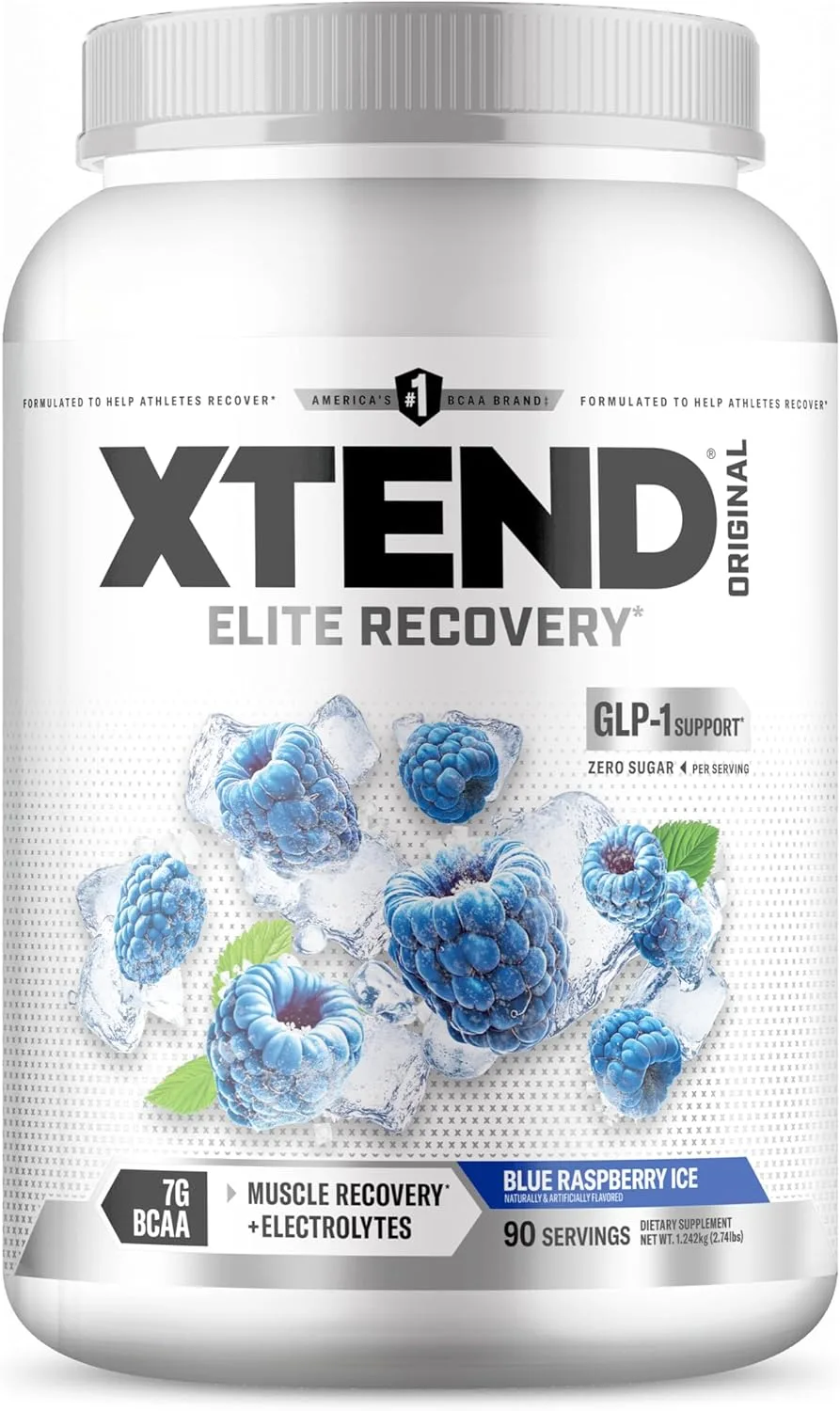
Xtend Original BCAA Powder, 7g BCAAs and 2.5g L-Glutamine for Muscle Recovery Hydration and Lean Muscle, Sugar Free Intra and Post Workout Drink with Electrolytes, Blue Raspberry Ice, 90 Servings