Quick answer
Choose a wind-up toy if you want a self-contained, no-battery toy that a child can activate with one twist and watch hop or move on its own. Choose a friction motor toy if you want a vehicle that rolls forward to charge and then zips ahead, which suits kids who prefer cars and racing. For toddlers, wind-ups are often easier to start because the action is a simple twist rather than a push-and-release.
How each mechanism actually works
Wind-up toys use a coiled spring inside the body. When you twist the handle, you tighten the spring and store energy; releasing it lets the spring unwind slowly and drive the toy's legs or wheels. That is the basic answer to how do wind up toys work: twist, store, release. No batteries, no charging, and the toy stops when the spring runs down.
Friction motor toys, including most pull back toy cars, use a flywheel and gear system connected to the wheels. You push the car forward along the floor a few inches; the wheels spin the flywheel, storing momentum. When you let go, the flywheel releases that energy and the car rolls forward on its own. The push distance and surface both affect how far it travels.
Play patterns and age fit
Wind-ups tend to be small, charming, and character-driven. The Toysmith Farm Fresh Fuzzy Chick Wind Up is a 2.2-inch plush chick with fuzzy yellow fur and orange feet; it hops when a child twists the easy-turn handle. That makes it a good first mechanical toy for kids aged 3 and up, because the action is a single twist rather than a coordinated push. It also works well as a springtime surprise or a small gift.
Friction motor toys are usually vehicles and reward a different kind of play: lining up, pushing, releasing, and chasing. They suit kids who already enjoy cars and want speed and distance. A friction car needs a flat, smooth surface to roll well, while a wind-up toy can hop on carpet, a tabletop, or a driveway. If your child gets frustrated by toys that need a running start, a wind-up is the gentler entry point.
Durability, mess, and storage
Both mechanisms are battery-free, which means no charging cables and no dead batteries. Wind-up springs can overwind if a child keeps twisting past the stop point, so teach the twist-and-release rhythm. Friction motors have fewer exposed parts but can pick up hair and dust around the axles, so a quick wipe keeps them rolling. Neither type needs water or cleanup, which makes them easy travel toys.
For a wind-up buying guide, check the size and the handle. A small toy like the 2.2-inch chick fits in a pocket or party favor bag, but it is not a toy for a child who still mouths objects. Friction cars are generally larger and heavier, so they stay on the floor. Store wind-ups upright so the spring is not compressed, and keep friction cars out of direct sun to protect plastic wheels.
When to choose a wind-up over a friction toy
Pick a wind-up when you want a toy that works on any surface, needs no runway, and gives a child immediate cause-and-effect feedback. A toddler can twist the handle and see the chick hop without needing to aim or push. Wind-ups also make strong stocking stuffers, classroom rewards, and party favors because they are compact and self-contained.
Pick a friction motor toy when the child is drawn to vehicles, wants to race, or enjoys the push-and-release loop. Friction cars cover more distance and feel more like real driving. If your child is under 3, check the age rating on the specific toy; the Toysmith chick is rated for ages 3 and up, and small parts or fast-moving cars may not suit younger children.
Trade-offs at a glance
- Energy source: Wind-ups store energy in a twisted spring; friction toys store energy in a flywheel spun by pushing the wheels forward. Wind-ups need one twist; friction toys need a push across a flat surface.
- Surface and space: Wind-up toys can hop or move on carpet, tabletop, or pavement; friction motor cars need a smooth, flat runway to build speed. Small spaces and uneven surfaces favor wind-ups; long hallways favor friction cars.
- Age and dexterity: A single twist is simpler for toddlers; a push-and-release motion asks for more coordination and aim. For a first mechanical toy around age 3, start with a wind-up like the Fuzzy Chick.
Product facts
- Farm Fresh Fuzzy Chick Wind Up: Toysmith Fuzzy Chick Wind-Up is a 2.2-inch tall plush wind-up chick that hops when you twist its easy-turn handle; fuzzy yellow fur, bright beady eyes, and orange feet; for kids aged 3 and up. A compact, battery-free wind-up that works on carpet or tabletop and is easy for a young child to activate with one twist.
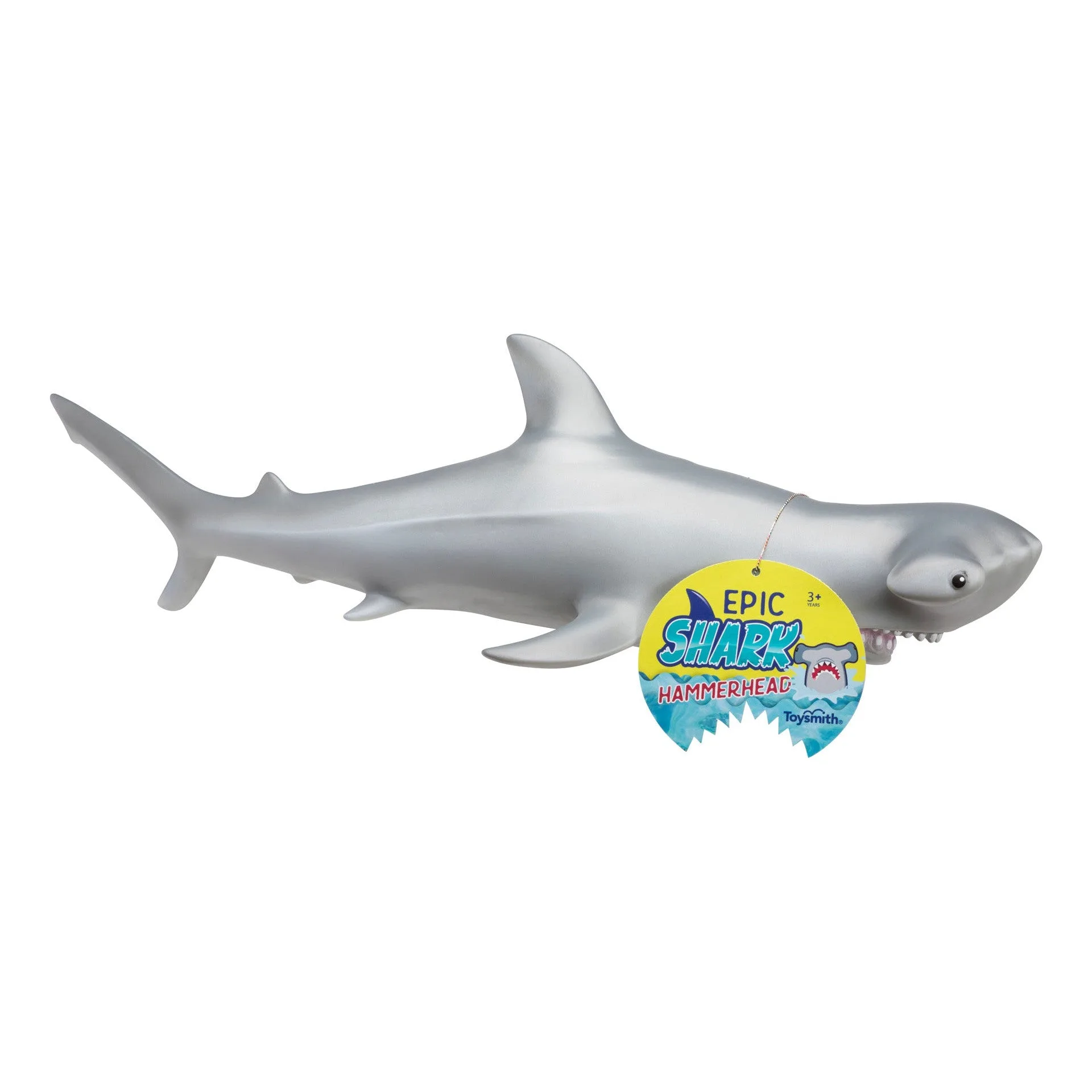
- Toysmith Epic Shark - Great White: Toysmith Epic Shark - Great White is a lifelike, nontoxic, soft, durable plastic shark measuring nearly 21 inches long, with an open jaw of triangular teeth, round black eyes, gills, and a silver-and-white painted body; suitable for indoor, outdoor, and water play. A larger, hands-on sealife figure for classroom or home play; it is not a wind-up or friction motor toy, so it serves a different kind of imaginative and educational play.
Which one fits your child?
Best for
- Toddlers and preschoolers who need a simple twist to start the action
- Travel, party favors, and stocking stuffers where a compact, no-battery toy helps
- Kids who enjoy animal or character toys that hop and move on their own
Not for
- Children who want speed, distance, and vehicle-style racing
- Kids under 3, unless the specific toy's age rating allows it
- Play on thick carpet or grass, where friction cars struggle to roll