Quick answer
Start by matching the weight and texture of the wine to the cheese: light, fresh cheeses with crisp whites, and bold, aged cheeses with fuller reds. Then balance salt, acid, and sweetness so neither side overwhelms the other. For a beginner cheese board wine, keep it to three cheeses and two wines, and taste as you go.
Why weight and texture matter more than color
The most useful rule in wine and cheese pairing basics is to match intensity. A delicate cheese disappears next to a heavy, tannic red, while a rich, aged cheese can make a light white taste thin. Think about how the cheese feels on your tongue—creamy, crumbly, dense, or fresh—and choose a wine with a similar weight. This is why a buttery Chardonnay often works with soft, creamy cheeses, while a structured Cabernet Sauvignon needs something with more fat and age to stand up to it.
A five-step method you can use tonight
Use this order every time you build a board. It keeps you from guessing and helps you learn what you actually like.
- Step 1: Pick your cheeses first. Choose one fresh, one soft-ripened, and one aged or hard cheese. This gives you a range without overwhelming the palate.
- Step 2: Match weight. Pair the lightest cheese with your lightest wine, and the densest cheese with your fullest wine.
- Step 3: Balance salt and acid. Salty cheeses soften tannin and make reds taste fruitier; high-acid wines cut through creamy textures.
- Step 4: Add one sweet or fruity element. A dab of honey, fig jam, or dried fruit bridges the gap between wine and cheese.
- Step 5: Taste, then adjust. If a pairing tastes bitter or metallic, add a pinch of salt or a sweeter condiment, or switch to a different wine.
What cheese goes with red wine
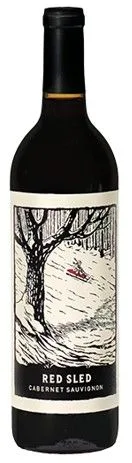
Red wines generally need cheeses with enough fat and flavor to match their tannin. Hard, aged cheeses like aged cheddar, gouda, or manchego are classic partners. For a Cabernet Sauvignon cheese pairing, look for a cheese with some age and a little salt—the salt tames the tannin and lets the wine's dark fruit come forward. A Lodi Cabernet like Red Sled Cabernet Sauvignon 2021, with its ripe black cherry and dark chocolate notes, can handle a firm, nutty cheese or a piece of aged gouda. Avoid very fresh, milky cheeses with big reds; they can taste sour next to the wine.
Simple wine cheese pairings to try
If you want a starting point, these combinations are forgiving and easy to find. For a white option, a dry Riesling with a fresh goat cheese or a young gouda works because the wine's acidity lifts the creaminess. For a red, try a Cabernet Sauvignon with aged cheddar or a dark chocolate square. If you prefer a spirit, a dry gin like Botanist Islay Dry Gin can be served alongside a mild cheese—its botanical notes echo herbal cheeses without overwhelming them.
Your five-step pairing process
- Choose three cheeses: Pick one fresh, one soft-ripened, and one aged or hard cheese. This gives you a range of textures without overwhelming the palate. Checkpoint: If you only have one cheese, match the wine to its weight—light with light, heavy with heavy.
- Match weight and texture: Pair delicate cheeses with light wines and dense, aged cheeses with fuller wines. A creamy brie does well with a dry Riesling or a buttery Chardonnay; an aged gouda stands up to a Cabernet Sauvignon. Common mistake: serving a big red with a fresh, milky cheese—the wine will taste harsh and the cheese will seem sour.
- Balance salt, acid, and sweetness: Salty cheeses soften tannin, so they make reds taste fruitier. High-acid wines cut through creaminess. Add a sweet condiment like honey or fig jam to bridge the gap. Checkpoint: If a bite tastes bitter or metallic, add a pinch of salt or a sweeter element, or switch to a different wine.
- Taste and adjust: Try the wine before and after the cheese. Notice how the cheese changes the wine's fruit, acidity, and tannin. Adjust by adding a condiment or changing the order of bites. Next step: Keep notes on what worked so you can repeat your favorite simple wine cheese pairings.
Bottle notes that help your board
- RED SLED CABERNET SAUVIGNON 2021: A Lodi Cab with ripe black cherry, rich dark chocolate, ground coffee, and hints of freshly picked herbs on the palate. Those dark fruit and chocolate notes make it a natural fit for aged cheddar, gouda, or a piece of dark chocolate on the board.
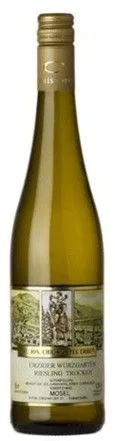
- JJ CHRISTOFFEL ERBEN URZIGER TROCKEN 2023, Germany: Aromas of yellow pear, grapefruit zest and a hint of smoked coconut; driven by melon and pear on the almost powerful palate, with a round, pleasantly bitter finish. Trocken means the wine finishes dry. The dry finish and citrus edge cut through creamy cheeses, so it works well with soft-ripened styles like brie or camembert.