Quick Answer
A wine rack wins if you drink bottles within a few weeks, want zero running costs, and have a cool, dark corner to spare. A wine fridge wins if you hold bottles for months, live somewhere with warm swings in room temperature, or want a set serving temperature. Many homes end up using both: a rack for everyday bottles and a small fridge for the ones you are saving.
The Real Trade-Offs, Not the Brochure Version
The wine fridge vs wine rack decision is usually framed as temperature versus price. In practice it is a trade of space, noise, and electricity against steady conditions. A rack asks nothing of your home except a spot away from radiators, direct sun, and the top of the kitchen cabinets where heat gathers. A fridge asks for a power point, a gap for ventilation, and a hum you will notice in a small flat. Neither is wrong. They solve different problems.
- A rack suits bottles you will open soon and costs nothing to run.
- A fridge suits bottles you are deliberately holding and keeps a steadier temperature.
- Both need to be kept out of direct light and away from heat sources.
How Long You Keep Bottles Should Decide It
If a bottle rarely survives a month in your kitchen, a rack is the honest answer. You are not ageing wine, you are parking it, and a rack does that with no noise and no electricity bill. If you buy by the case, tuck bottles away for a year or more, or keep a few special bottles you do not want to waste, the fridge earns its place. The longer a bottle sits, the more a steady, cool, dark spot matters.
Space, Noise, and Running Costs
Measure before you decide. A rack can be a wall-mounted strip, a countertop cube, or a slim tower, and it fits places a fridge never will. A fridge is a fixed footprint that needs clearance around the back and sides, and it makes some noise. Racks are silent. On running costs, a rack is free and a fridge is not, but the difference is usually small next to what you spend on the wine inside it.
- Racks: no power, no noise, flexible placement, but no temperature control.
- Fridges: steady temperature, but a fixed footprint, ventilation needs, and a low hum.
What Happens After You Pull the Cork
Neither option helps once a bottle is open, and that is where a small accessory budget goes further than a bigger cabinet. For a bottle you will finish tomorrow, a reusable stopper is enough. For one you want to keep for several days, a vacuum pump pulls air out and slows the decline. Buy the storage first, then match the preservation tool to how fast you actually drink.
Light, Position, and Small Habits That Protect Wine
Wine dislikes light, heat, and vibration more than it dislikes a modestly imperfect temperature. Keep racks and fridges out of direct sun and away from ovens, dishwashers, and radiators. Store bottles on their side so the cork stays in contact with the wine, and avoid moving them around more than necessary. If you keep a rack in a bright room, a closed cabinet or a shaded corner is a meaningful upgrade over an open shelf.
- Avoid direct sunlight and heat sources for both racks and fridges.
- Lay bottles down; keep the cork in contact with the wine.
- Keep bottles still rather than shuffling them between spots.
Trade-Offs at a Glance
- Upfront and running cost: A rack is a one-time purchase with no electricity; a fridge costs more and draws power continuously. If budget is tight, spend on the rack and put the difference into better bottles.
- Temperature stability: A rack follows your room, so it swings with the seasons; a fridge holds a steadier, cooler range. Choose the fridge if your home gets warm or varies a lot through the year.
- Space and placement: Racks fit walls, corners, and countertops; fridges need a fixed footprint with ventilation clearance. Measure the gap and the door swing before buying a fridge.
- Noise and attention: Racks are silent and need nothing; fridges hum and need occasional cleaning and clearance checks. In a studio flat, put the fridge away from where you sleep.
- Open-bottle handling: Neither option preserves wine after opening; that job belongs to a stopper or a vacuum pump. Budget for one preservation tool alongside whichever storage you pick.
Accessories That Support Either Choice
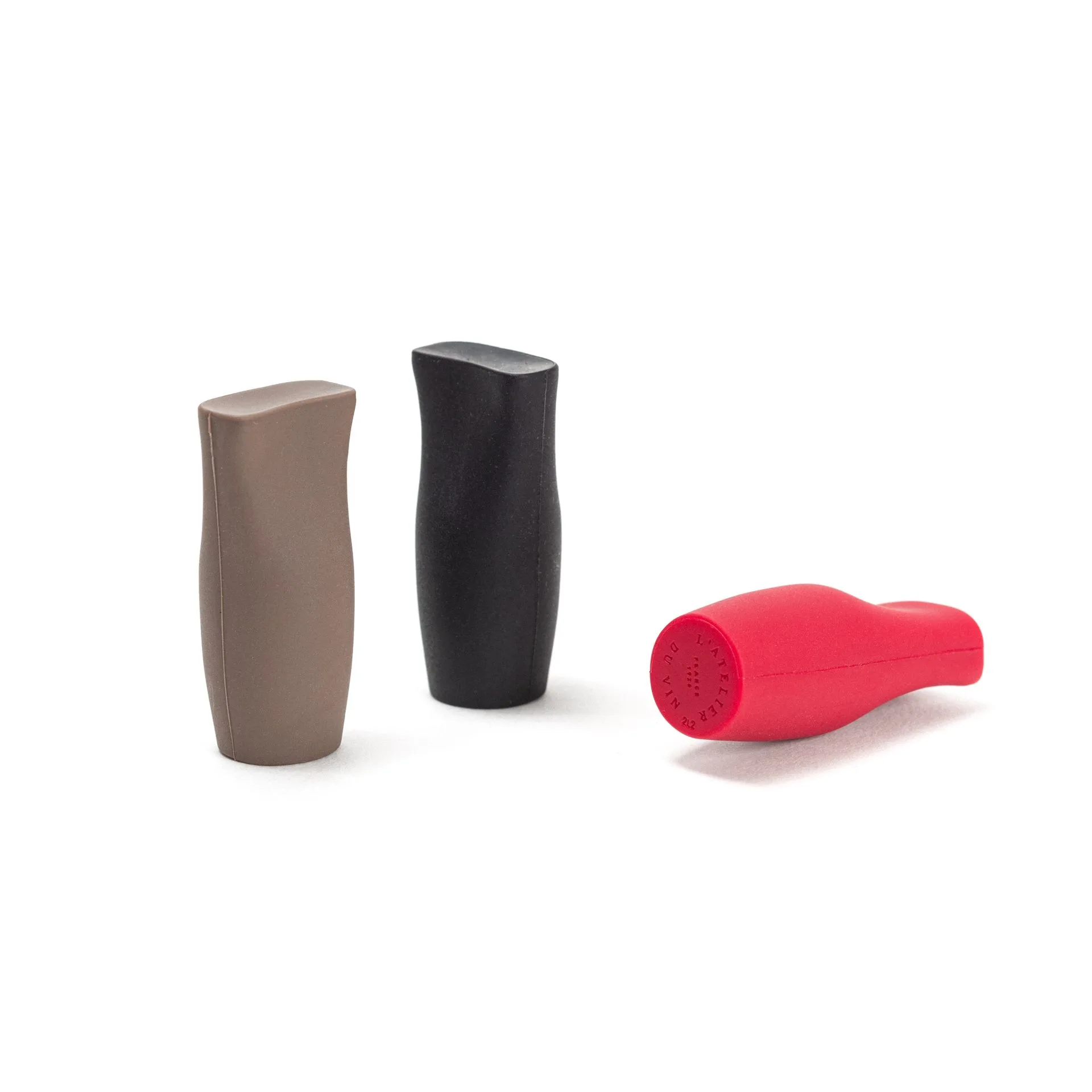
- Universal Wine Bottle Stopper | L’Atelier du Vin: Reusable stopper designed to securely seal opened bottles and help preserve the wine's character between pours, with a universal fit for most standard neck diameters. Works whether your bottles live in a rack or a fridge, and it is the cheapest way to stop an open bottle fading overnight.
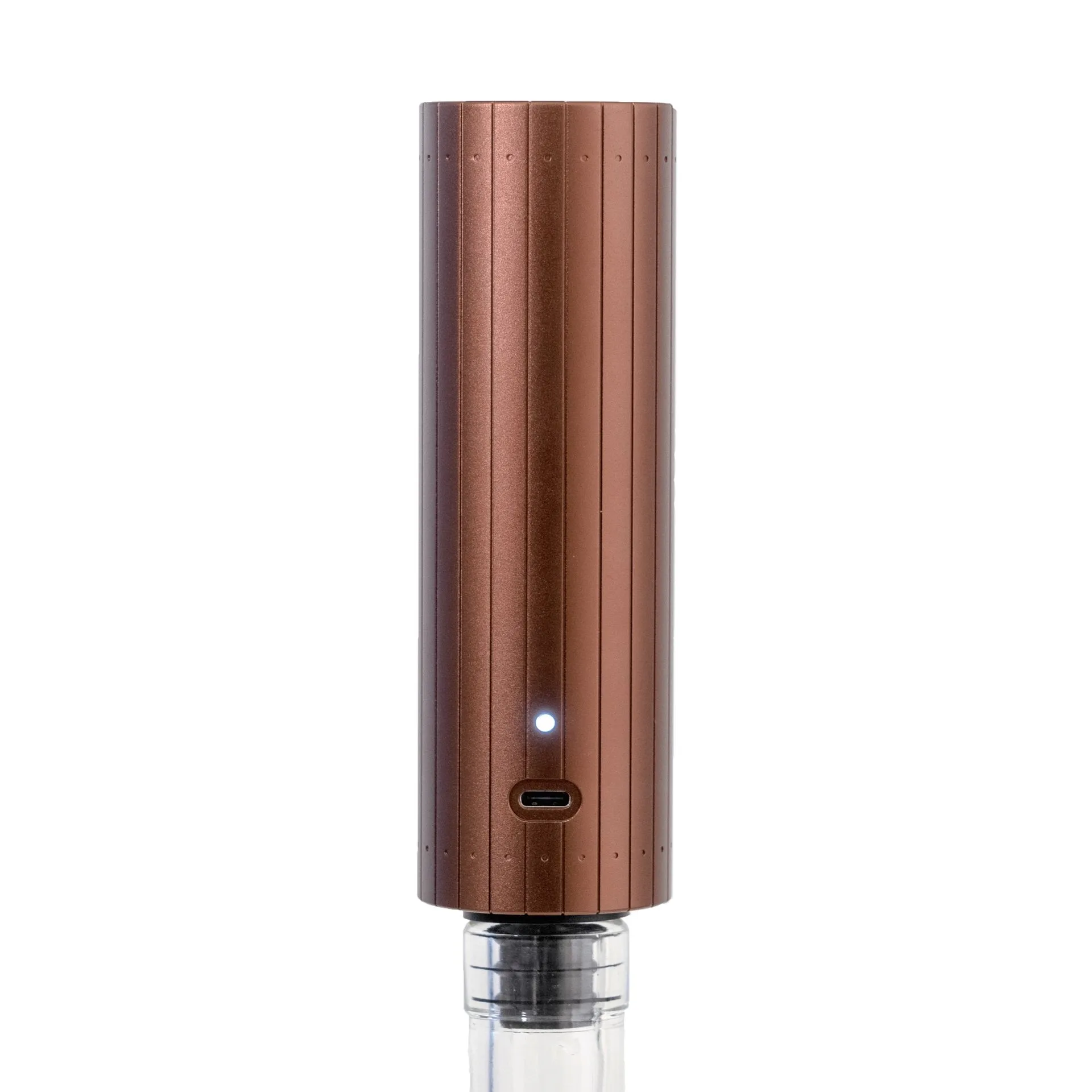
- Gard'Vin On/Off Power Signature electric vacuum pump | L'Atelier du Vin: Electric vacuum pump with automatic air extraction from the wine bottle. A better match than a simple stopper if you routinely keep an opened bottle for several days rather than finishing it the next evening.
- Rainbow Wine Glass Markers – Set of 9 | L’Atelier du Vin: Set of 9 colourful, reusable wine glass markers that are easy to clean. Useful when you are pouring from several open bottles at once, so guests keep track of their glass and you waste less wine.
Which One Fits Your Home?
Choose this if
- You drink bottles within a few weeks and want silent, zero-cost storage.
- You have a cool, dark corner or wall and limited floor space.
- You are starting out and would rather spend on wine than on a cabinet.
Skip this if
- You hold bottles for months or years and your room temperature swings.
- You want a consistent serving temperature for reds and whites.
- You buy by the case and need capacity a rack cannot give you.