Quick answer
To keep your dog safe and comfortable through winter, focus on three key areas: limiting exposure during extreme cold, protecting paws from ice and salt, and learning to recognize early signs of hypothermia.
Why winter is different for dogs
Cold weather brings unique challenges for dogs. Their paws are vulnerable to ice, salt, and chemical de-icers. Short-coated, small, or senior dogs lose heat faster and may need extra protection. Even hardy breeds can suffer frostbite or hypothermia if left out too long. Understanding these differences helps you make smart decisions every day.
When to bring your dog inside
Not every dog can tolerate the same cold. A Siberian Husky may be fine at 20°F, while a Chihuahua or Greyhound needs a coat and boots below 40°F. General rule: if it's below freezing, limit outdoor time to short potty breaks and quick walks for most dogs. Watch for shivering, lifting paws, or reluctance to move—these are signs it's time to go in.
Winter dog care decision rules
- Check the wind chill and temperature: Use a weather app that shows wind chill. If it's below 20°F (with wind chill), limit walks to 10-15 minutes for most dogs. For small, thin-coated, or senior dogs, cut that in half.
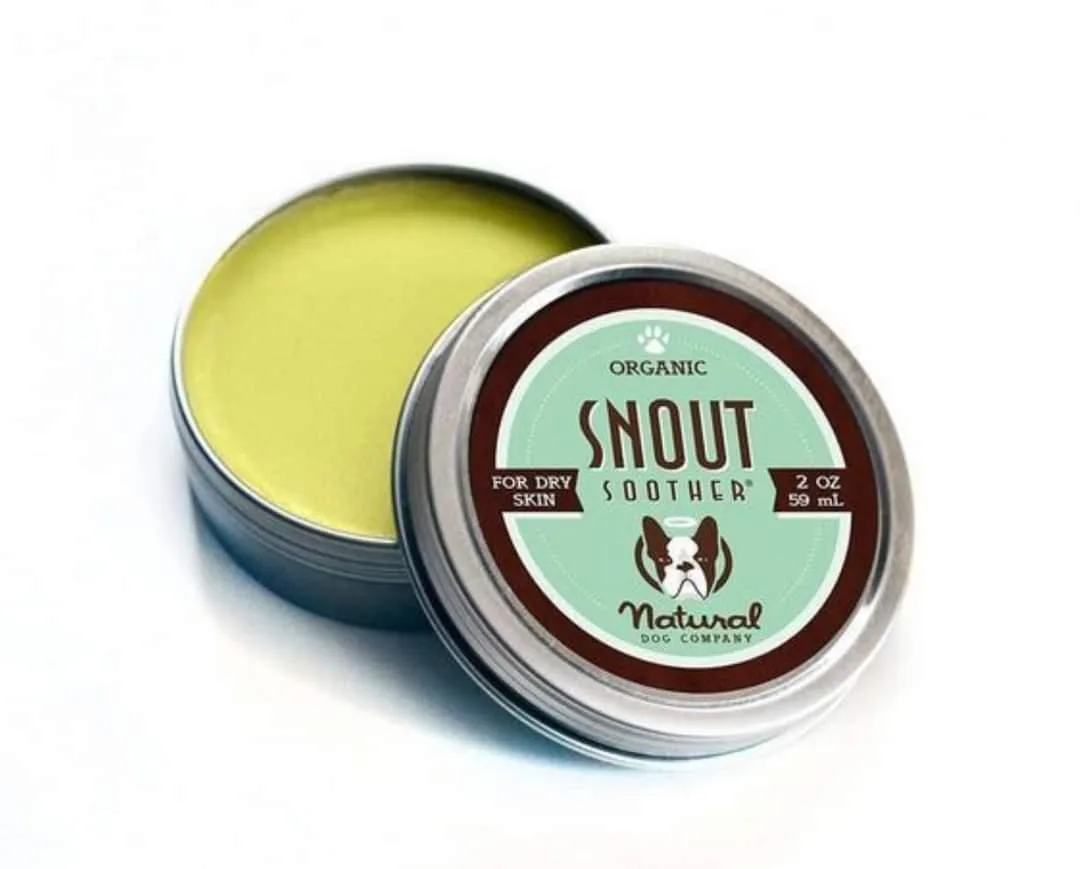
- Protect paws from ice and salt: Wipe your dog's paws with a warm damp cloth after every walk to remove salt and ice melt. Consider dog booties for walks on salted sidewalks. If your dog refuses boots, apply paw wax before heading out. Check between toes for ice balls or cracks daily.
- Recognize hypothermia early: Signs include shivering, lethargy, pale gums, and a weak pulse. If you see these, bring your dog inside immediately, wrap in a warm towel, and call your vet. Do not use hot water or direct heat—it can cause burns. If your dog is shivering uncontrollably or seems confused, it's an emergency.
- Adjust winter grooming: Keep your dog's coat clean and dry, but do not shave it down to the skin in winter. A longer coat provides insulation. For double-coated breeds, regular brushing removes dead undercoat and improves insulation. Bathe less often in winter to avoid stripping natural oils.
- Maintain exercise safely: On very cold days, play indoor fetch or use food puzzles to burn energy. When you do walk, choose the warmest part of the day (usually mid-afternoon) and keep the walk shorter than usual. A tired dog is a happy dog—even in winter.
Recommended resource
-
Winter Care for Your Dog: This guide covers everything from ensuring your dog gets enough exercise in cold weather to convincing him to go potty outside. It gives you a complete plan for winter, so you don't have to guess what your dog needs.
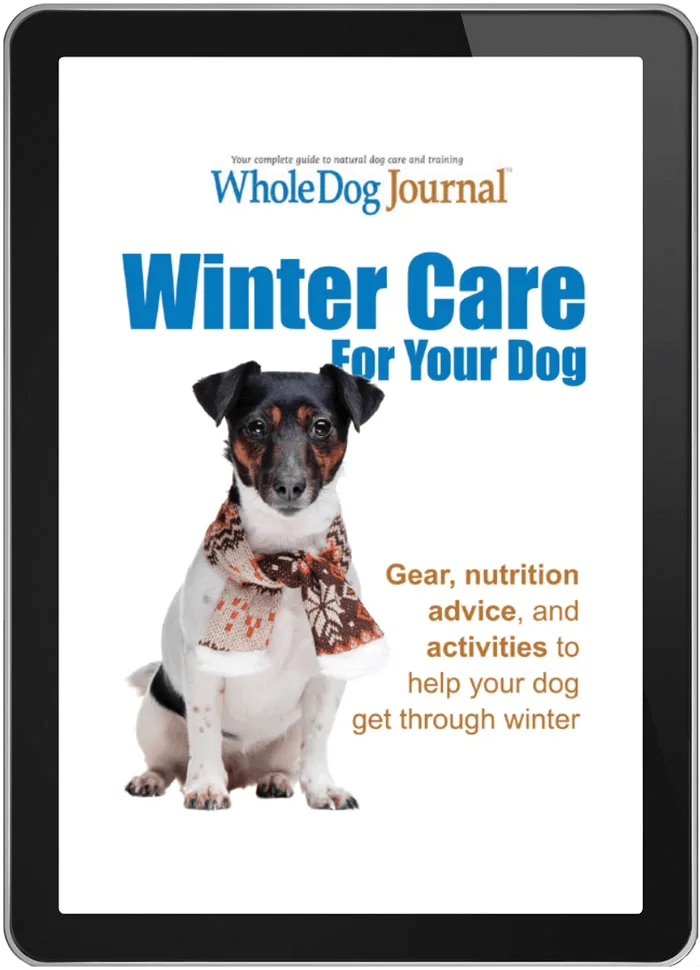
Winter Care for Your Dog
Who this guide is for
Best for
- Dog owners living in areas with regular freezing temperatures
- Owners of small, short-coated, or senior dogs who need extra winter protection
Not for
- Owners of Arctic breeds who are already experienced with cold-weather care
- Dogs that primarily live in mild climates without winter weather