Quick answer
For preschoolers, wooden puzzles and screen time serve different purposes, but puzzles offer hands-on, screen-free learning that builds fine motor skills, problem-solving, and focus. Screens can be useful tools when used intentionally, but they shouldn't replace tactile play. Aim for a daily balance that prioritizes active, open-ended play like puzzles, and use screens sparingly and with clear limits.
Myth: Wooden puzzles are just quiet entertainment
Verdict: False. Wooden puzzles are active learning tools. When a child picks up a chunky puzzle piece, they're refining their pincer grasp, practicing hand-eye coordination, and learning to match shapes and images. Unlike passive screen watching, puzzles require physical manipulation and trial-and-error problem-solving. The quiet focus you see is actually deep cognitive engagement.
Myth: Screen time is always bad for preschoolers
Verdict: Not always. Screens can deliver educational content and interactive experiences when used with guidance and time limits. The problem arises when screen time replaces hands-on play, physical activity, and face-to-face interaction. The goal isn't to eliminate screens but to ensure they don't crowd out the developmental benefits of tactile play.
Myth: You need to buy special 'educational' puzzles
Verdict: Misleading. Many classic wooden puzzles are educational by design. Look for puzzles with sturdy wooden pieces, clear images, and a good fit for small hands. The learning comes from the manipulation and problem-solving, not from a label. Simple shape puzzles, animal puzzles, and knob puzzles all support preschool skills.
Myth: Screen-free activities require elaborate setup
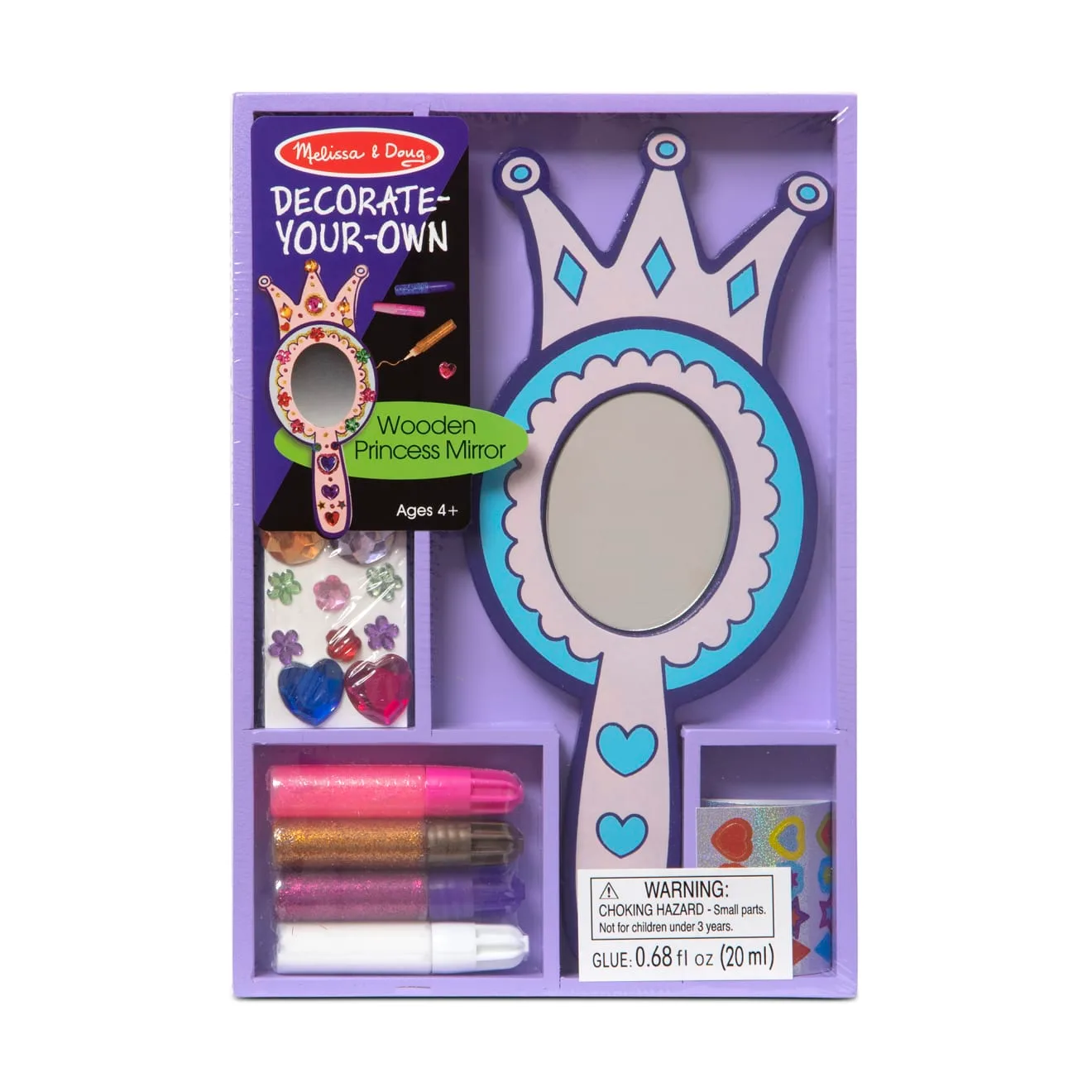
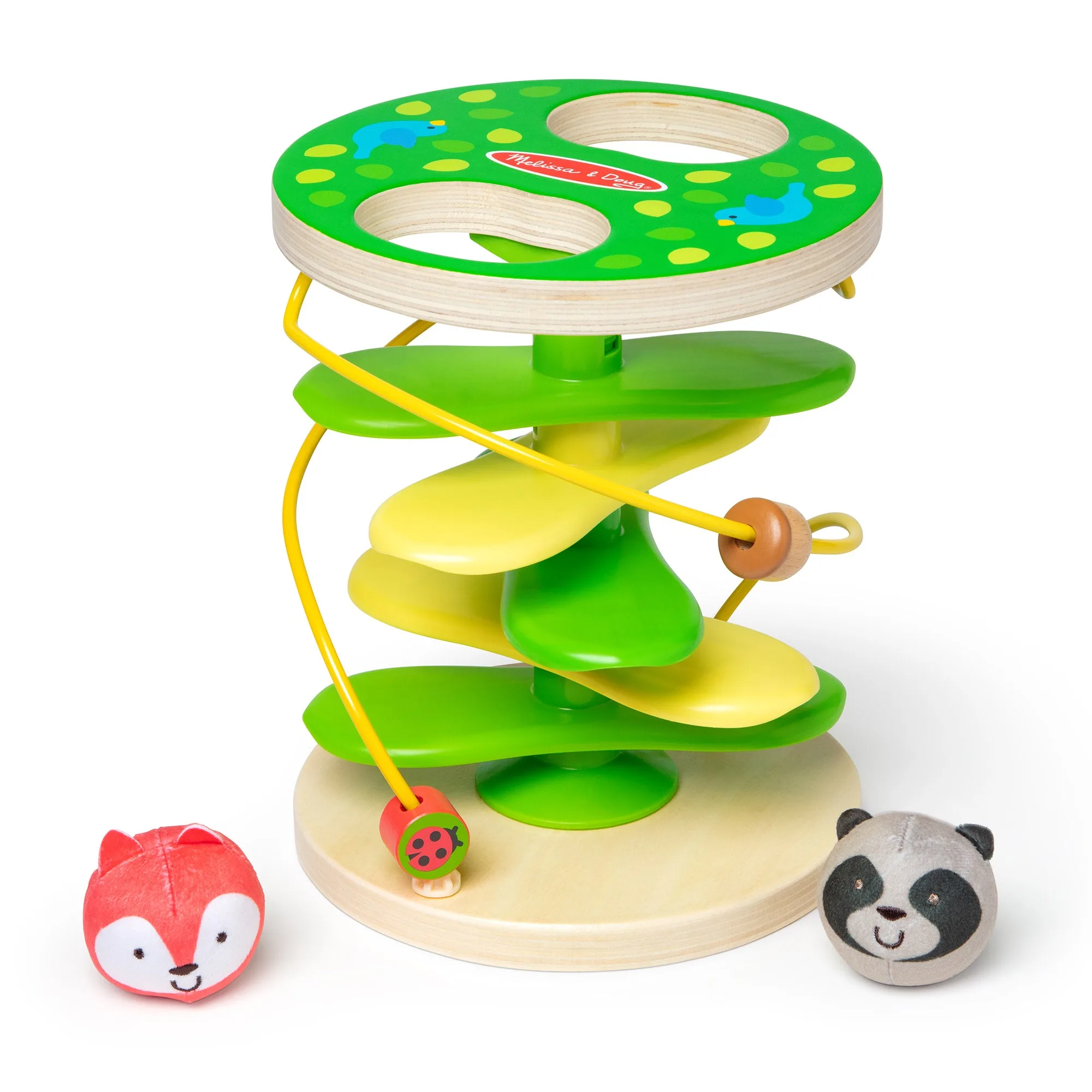
Verdict: False. Screen-free toddler activities can be as simple as offering a wooden puzzle on a tray. Rotate a few puzzles to keep interest high. Pair puzzles with other open-ended toys, like a wooden treehouse or a craft kit, to extend play. The key is accessibility: keep puzzles within reach so your child can choose them independently.
How to choose wooden puzzles for your preschooler
Match the puzzle to your child's current abilities and interests. For beginners, choose puzzles with few pieces and thick knobs. As skills grow, move to larger floor puzzles or puzzles with more intricate shapes. Consider themes your child loves, such as animals, vehicles, or fairy tales. Always check that pieces are smooth-sanded and painted with non-toxic finishes. Melissa & Doug offers a range of wooden puzzles designed for different ages and stages.
Myth-busting verdicts at a glance
- Wooden puzzles are just quiet entertainment: They actively build fine motor skills, problem-solving, and concentration through hands-on manipulation. Verdict: False
- Screen time is always bad for preschoolers: Screens can be educational when used intentionally and with limits, but they shouldn't replace tactile play. Verdict: Not always
- You need special 'educational' puzzles: Classic wooden puzzles with sturdy pieces and clear images already support preschool learning. Verdict: Misleading
- Screen-free activities require elaborate setup: Simple toys like wooden puzzles and craft kits are easy to offer and encourage independent play. Verdict: False
Wooden play options that support screen-free learning
- Rollables Treehouse Twirl: Rollables Treehouse Twirl is a sturdy wooden treehouse tower with two Rollables (raccoon and fox) that have chimes. Drop them into the top and watch them tumble down the branches; a built-in bead maze adds extra play. This toy combines cause-and-effect learning with fine motor practice—a great alternative to screen time that keeps little hands busy.
- Decorate-Your-Own Wooden Princess Mirror: Decorate-Your-Own Wooden Princess Mirror is a craft kit that includes a wooden mirror, glitter, craft glue, sparkling gems, and stickers. A hands-on creative activity that encourages self-expression and focus, perfect for rainy days or parties when you want to avoid screens.