Quick answer
Wipe wooden blocks and peg boards with a barely damp cloth, mild soap, and immediate drying. Sorting cups and plastic pegs can be washed in warm soapy water, then air-dried completely before storage. Skip soaking, dishwashers, and harsh sprays so paint and wood stay intact.
What you need before you start
Keep two cloths, a small bowl of warm water with a drop of mild dish soap, and a dry towel within reach. A soft-bristle brush helps with dried food or playdough in peg holes, but avoid abrasive scrubbers that can dull painted surfaces. If a toy has cracks, loose pegs, or flaking paint, set it aside before cleaning rather than washing around the damage.
How to clean wooden blocks and peg boards without warping them
Wring the damp cloth until it barely releases water, then wipe each block or board. For sticky spots, dip the cloth in the soapy water, wipe, and follow immediately with a clean damp cloth. Dry right away with a towel and let pieces air-dry fully before stacking or storing. Never submerge wooden blocks or peg boards; standing water can swell the wood and lift paint.
How to clean sorting cups and plastic pegs
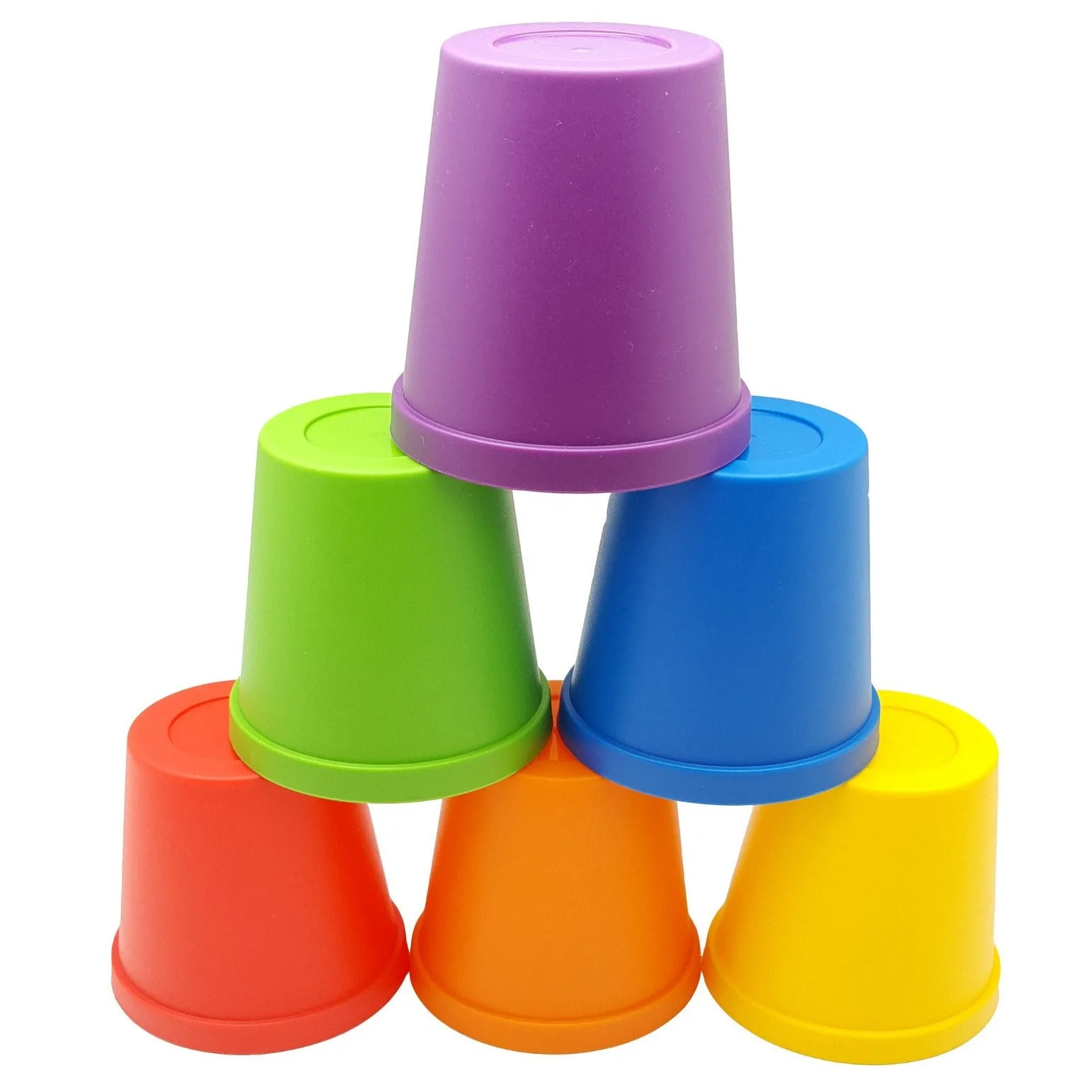
Plastic cups and pegs tolerate more water than wood. Wash them in warm soapy water, rinse well, and shake off excess. Stand cups upside down on a drying rack so water drains from the bottom, and spread pegs on a towel. Confirm every piece is completely dry before returning it to a bin or bag, since trapped moisture encourages mildew.
How to store wooden toddler toys so they last
Store blocks, pegs, and cups in a dry spot away from radiators, sunny windows, and damp basements. Use open bins or breathable cotton bags rather than sealed plastic containers, which can trap humidity. Keep sets separate if small pegs and larger blocks are mixed, and place heavier items on the bottom of a bin so wooden pieces are not crushed. A quick weekly check for missing pegs or cracked blocks takes less time than a deep clean.
Wooden toy cleaning FAQ
Can I put wooden blocks in the dishwasher?
No. Dishwasher heat and prolonged water exposure can warp wood, crack joints, and break down paint or finish. Hand-wipe wooden blocks and peg boards with a damp cloth and mild soap, then dry immediately. Dishwasher-safe applies to some plastic pieces, not wood.
How do I clean sticky residue from peg holes?
Wrap a soft-bristle brush or a cloth-wrapped cotton swab in a little soapy water and twist gently inside the hole. Wipe with a clean damp cloth and let the board air-dry before pegs go back in. Never pour water directly into peg holes.
What should I use for nontoxic toy cleaning?
Mild dish soap and warm water are enough for routine cleaning. Avoid bleach, ammonia, and heavy fragrances around toys that go in mouths. If you prefer a spray, choose one labeled for child-safe surfaces and still wipe with a damp cloth afterward. Simple soap and water is the safest default.
How often should I clean wooden toys?
Wipe blocks and peg boards weekly or whenever you see sticky fingerprints. Wash plastic cups and pegs more often if they are used for snack sorting or during illness, and always dry them completely before storage. Little and often beats a deep soak.
How do I store wooden toddler toys between uses?
Keep them dry, out of direct sun, and in breathable bins or cotton bags. Separate small pegs from larger blocks so pieces are not crushed, and check for loose paint or splinters before the next play session. Dry, breathable storage protects both wood and plastic.
Product care notes
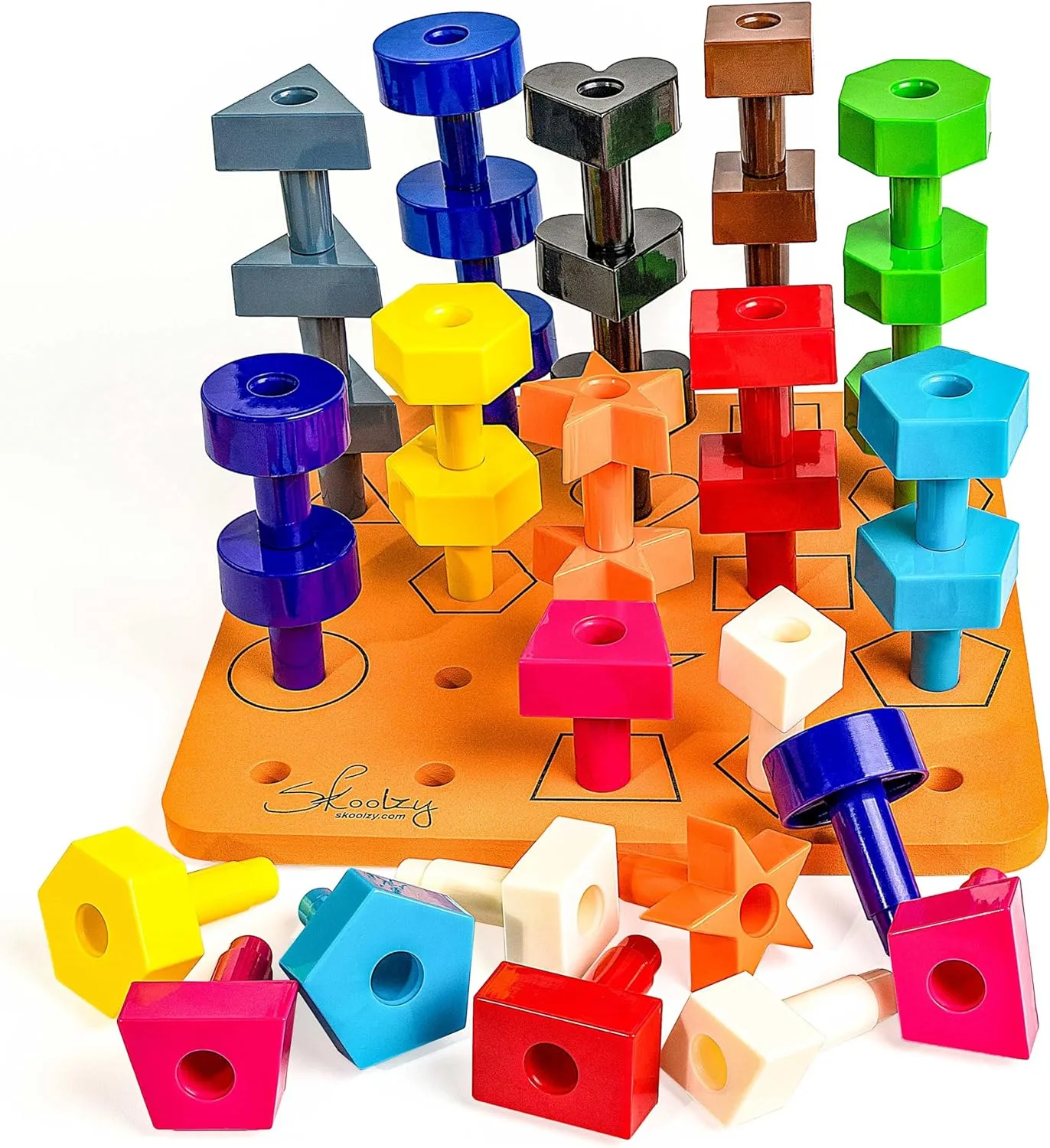
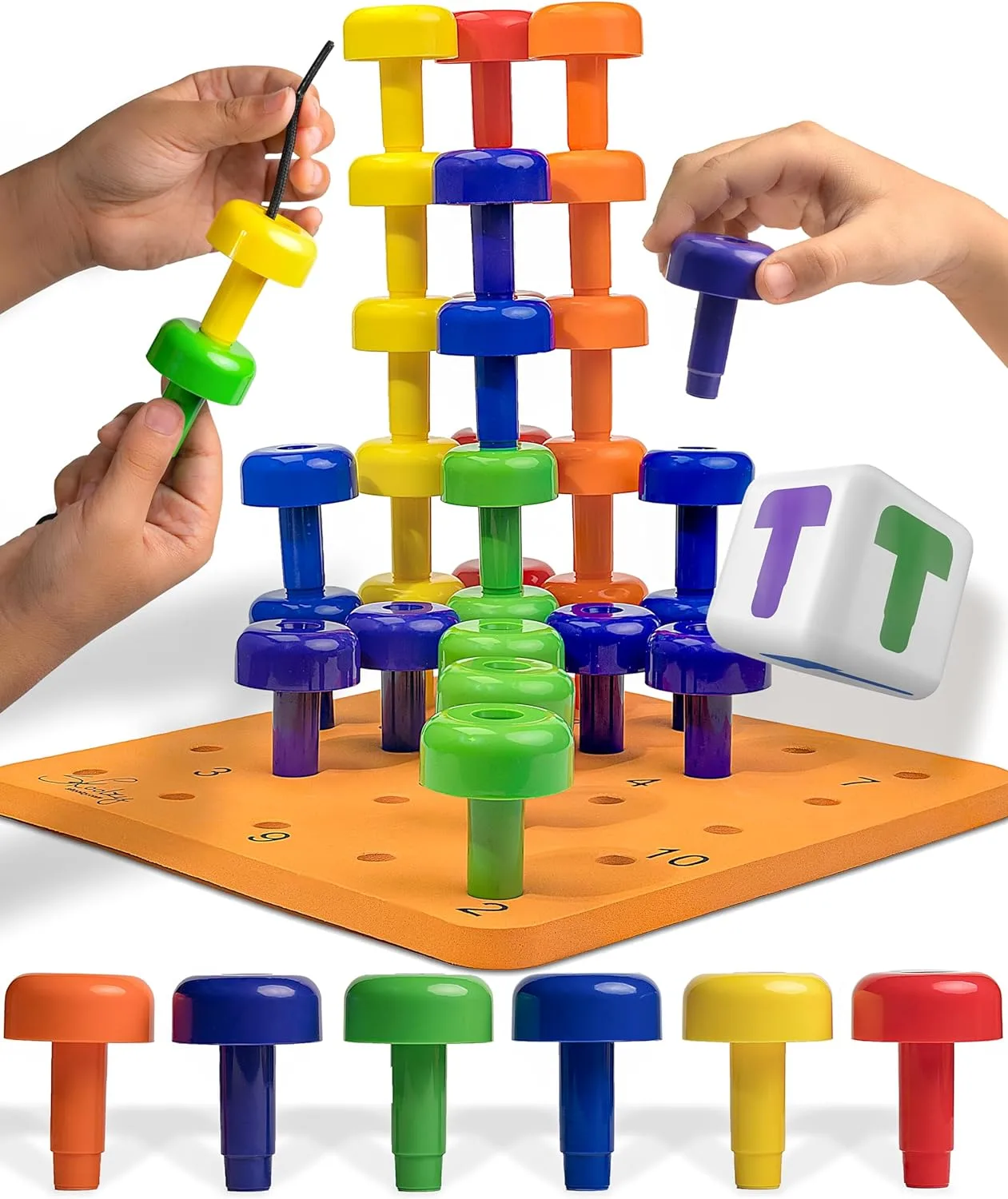
- Sensory Peg Board 33 Piece Set - Montessori Occupational Therapy Toys for Kids & Toddlers 2+: The Sensory Peg Board 33 Piece Set has oversize pegs designed for small fingers to grasp and stack on the peg boards and build towers. Because the pegs are handled constantly, wipe them and the boards with a barely damp cloth rather than soaking them, and dry the stacking surfaces so pegs slide easily.
- Toddler Peg Board 38 pcs | Pegboard for Toddlers: The Toddler Peg Board 38 pcs set includes 36 colorful pegs, a foam board, and a handy bag. The foam board should be wiped, not washed, and the included bag is a practical place to store dry pegs so they do not scatter or stay damp.
- 6 Rainbow Primary Color Identification, Sorting and Matching Cups by Skoolzy: The 6 Rainbow Primary Color Matching Cups match Skoolzy math manipulative and counter toys, letting you create your own games at home or in school. Wash the cups in warm soapy water and dry them fully before nesting them together, so color-matching games stay ready without trapped moisture.