Quick answer
Choose a wooden world map puzzle by matching the finished wall size to your room, the piece count to your available time, and the color palette to the light in that room. For adults who want a display piece, go larger and more detailed; for children, go smaller and bolder. If you are unsure, start with a mid-size puzzle and measure the wall before you buy.
Start with the wall, not the puzzle
Measure the wall space where the puzzle will hang, then subtract at least 5 cm on each side for a frame and visual breathing room. A wooden world map puzzle that fills the whole wall can look impressive, but it also leaves no room for a frame or for other decor. If the wall is narrow, a vertical map layout or a smaller country-focused map will fit better than a wide world map.
Also check the wall material. Heavier wooden puzzles need proper anchors, and a large framed map can weigh several kilograms. If you rent or cannot drill, plan for a lighter puzzle or a different display method.
How piece count changes the experience
Piece count is the clearest signal of time and difficulty. A 150-piece puzzle is a few evenings for most adults, while a 250-piece puzzle adds more color and detail without becoming a long project. A 1000-piece puzzle is a multi-week hobby for many people and rewards patience with a much richer final image.
For children, a lower piece count with larger, clearer shapes matters more than the total number. A 20-piece puzzle can be a complete activity for a young child, while older kids can handle 150 pieces if the image has strong color blocks.
Color and contrast: what actually helps you build
Color is not only decoration; it is your sorting system. Maps with distinct color regions for oceans, land, and borders are easier to assemble because you can group pieces by area. Maps with very similar tones across large regions look elegant but are harder to build, especially in low light.
Check the light in the room where you will build. Warm indoor lighting can mute blues and greens, so a map with strong contrast between land and sea will stay readable. If you plan to frame the puzzle, choose colors that match the room, not just the photo on the product page.
Country detail and map style
A wooden country map puzzle can show political borders, physical geography, or a mix. Political maps with clear country names and borders are better for learning and for kids. Physical maps with mountains and rivers look more artistic but can be harder to assemble because borders are less obvious.
If the map includes country names, check the language and label size. Small labels are fine for adults but frustrating for children. For a child, choose a map with large, simple labels and fewer countries, or a map that focuses on continents rather than every border.
Decision rules for choosing your wooden world map puzzle
- If the wall is under 60 cm wide: Choose a smaller map or a vertical layout. A wide world map will crowd the space and leave no room for a frame. Measure twice; a map that fits the wall looks better than a bigger map that does not.
- If you have only a few evenings: Stay under 300 pieces. A 150- or 250-piece puzzle gives a satisfying result without turning into a long-term project. Match the piece count to your realistic free time, not to the most impressive number.
- If a child will use it: Prioritize large pieces, strong color contrast, and simple labels. A 20-piece puzzle for ages 3+ is a better fit than a 1000-piece map. For kids, clarity and piece size matter more than total piece count.
- If the room has warm or dim lighting: Choose a map with high contrast between land and ocean. Low-contrast maps are harder to build and less readable once framed. Check the map under the light where it will actually hang.
Product facts that illustrate the trade-offs
- Wooden Puzzle 20 Panda Butterfly Journey: Wooden Puzzle 20 Panda Butterfly Journey is a 20-piece puzzle for children aged 3 and up, showing a panda mother and baby with butterflies. This is a good benchmark for the low end of the size range: a small piece count and a simple, warm image suit very young children and short attention spans.
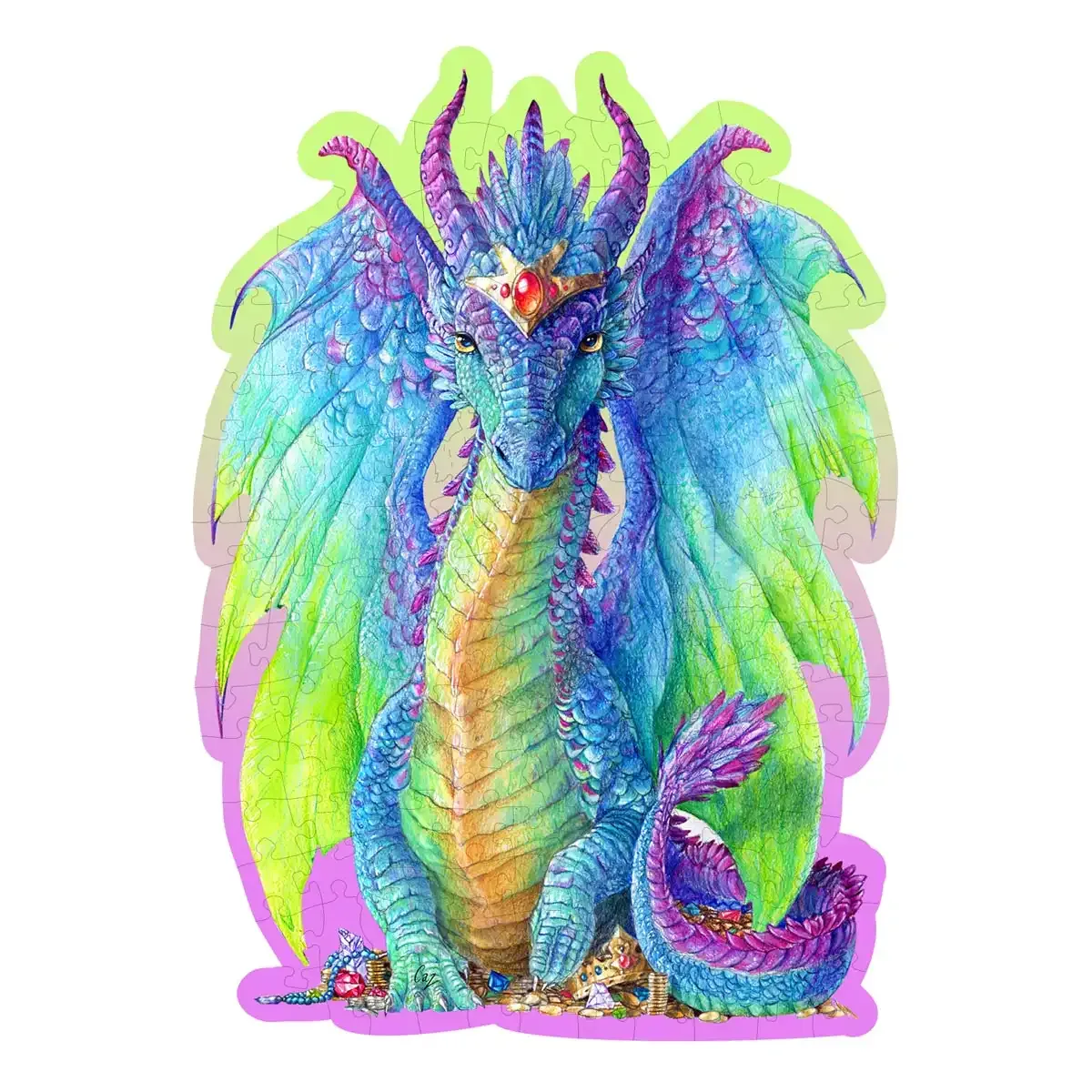
- Magnificent Dragon 150 Wooden Puzzle: Magnificent Dragon 150 Wooden Puzzle is a 150-piece puzzle made in a workshop in Poland within the European Union, with a colorful mythical dragon design. A 150-piece puzzle is a middle step: more challenging than a child's puzzle but still finishable in a few sessions, and the strong colors help with sorting.
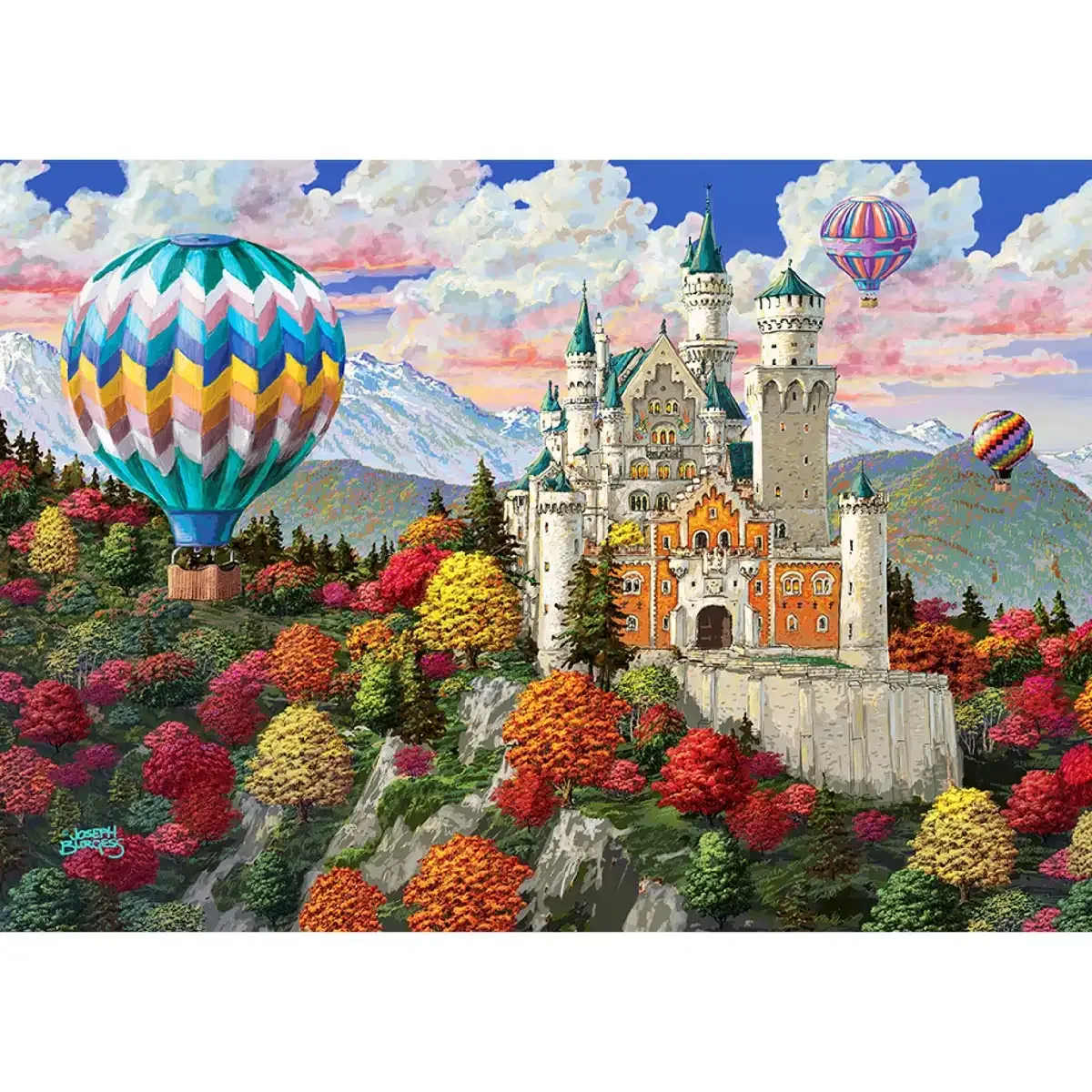
- The Neuschwanstein Castle 1000 Wooden Puzzle: The Neuschwanstein Castle 1000 Wooden Puzzle is a 1000-piece puzzle capturing a scene from Germany. At 1000 pieces, this represents the high-detail, long-project end of the range, better suited to adults with dedicated table space and time.
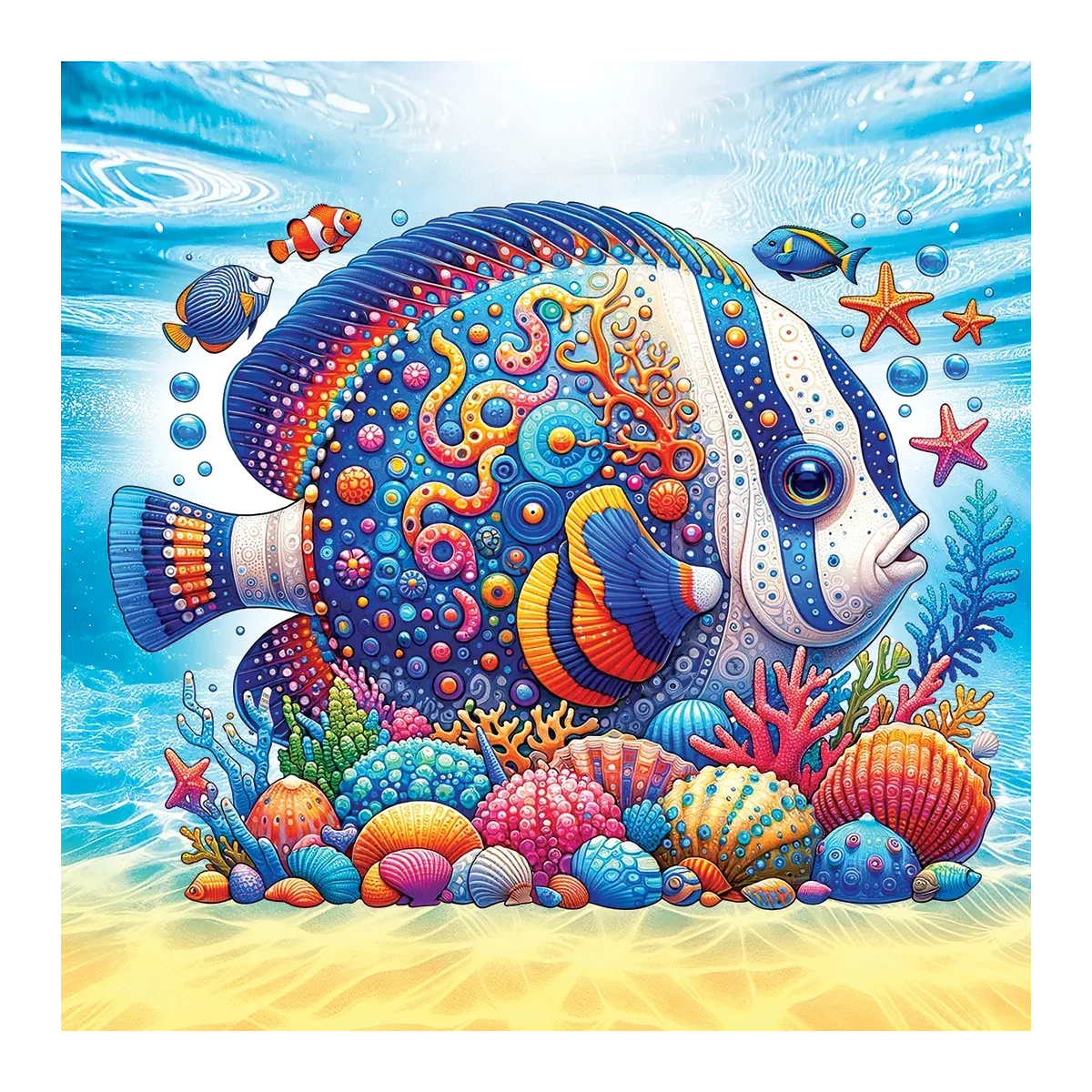
- Exotic Fish 250 Wooden Puzzle: Exotic Fish 250 Wooden Puzzle is a 250-piece puzzle with a colorful exotic fish surrounded by shells, described as suitable for enthusiasts of all ages. A 250-piece puzzle sits between casual and serious: enough detail for adults, but not so many pieces that it becomes a months-long commitment.
Who should buy which wooden map puzzle
Best for
- Adults who want a large, detailed wall display and have dedicated table space
- Families with older children who can handle 150–250 pieces with guidance
- Buyers who want a wooden country map puzzle with clear borders for learning
Not for
- Toddlers or children under 3, who need larger, simpler pieces
- Buyers with very limited wall space or no way to mount a heavy frame
- Anyone wanting a quick one-evening build from a 1000-piece puzzle