Quick answer
Woven and printed are not competing categories. Woven describes how threads are interlaced to make the fabric; printed describes how color and pattern are applied to the finished cloth. Most quilting cotton is both woven and printed. The real distinction that changes your project is whether the color comes from dyed yarns or from a print applied to the surface.
Why the label "woven fabric" is not the opposite of "printed fabric"
A woven fabric is made by interlacing lengthwise and crosswise threads. A printed fabric has color or pattern applied to the surface of a finished cloth, which may itself be woven. That means a single bolt of quilting cotton can be correctly described as woven and printed at the same time. The confusion usually comes from shopping pages that use "woven" as a style label, when it is really a construction term.
If you are comparing two bolts and one is called woven while the other is called printed, ask what the seller actually means. It may be a plain-weave fabric with dyed yarns, or it may simply be a print on a woven base. The product description, not the category name, tells you which.
Yarn-dyed fabric: color that comes from the thread
Yarn-dyed fabric is woven from threads that were dyed before weaving. The pattern is built into the cloth, so the design does not sit only on the surface. This matters for projects where you want a subtle, integrated look and for quilts that will be handled and washed often. It does not automatically make the fabric stronger or better, but it does change how the fabric behaves when it frays or fades.
Yarn-dyed fabric is not the same as a printed fabric that imitates a woven look. If the color runs through the thread structure, it is yarn-dyed. If the pattern sits on top of the cloth, it is printed. Both are legitimate choices for quilting.
Woven fabric fraying: what actually causes it
Any woven fabric can fray when cut, because the cut edge exposes the thread ends. Fraying is not a sign that a fabric is defective. It is a normal result of cutting across woven threads. The amount of fraying depends on the weave tightness, the thread count, and how much the fabric is handled before it is sewn into a seam.
If you are working with a loosely woven fabric, handle cut pieces gently and consider stay-stitching or starching the edges before assembly. If you are working with a tightly woven quilting cotton, fraying is usually minor and manageable with standard seam allowances. The key is to match your handling to the fabric, not to assume that one type always frays more.
Printed cotton vs woven cotton: what changes in care
Care instructions for quilting cotton usually depend on the fiber content and the dye method, not on whether the fabric is woven or printed. Most quilting cotton, whether printed or yarn-dyed, is machine washable and can be tumble dried on low. The safest approach is to follow the care label on the bolt and to prewash a small sample if you are unsure.
Printed fabrics may release excess dye in the first wash, especially in deep colors. Yarn-dyed fabrics can also bleed if the dyes are not stable, though the color is less likely to sit only on the surface. In both cases, testing a swatch with a white cloth is a practical way to check before washing a whole quilt.
How to read a product listing without guessing
When a listing says "woven," look for the fiber content, width, and color method. For example, a fabric described as 100% cotton woven with a width of 44 inches tells you the base construction and the fiber, but it does not tell you whether the color is printed or yarn-dyed. If the listing does not say, treat that as an open question and test a swatch before committing to a large project.
Swatch books are useful here because they let you see and feel the actual cloth before buying yardage. A swatch book that contains a variety of 100% cotton quilting fabric swatches in a single color palette can help you compare how different weaves and finishes behave. That is more reliable than trying to judge from a screen.
Myths and verdicts
- Myth: Woven and printed are opposites: Woven describes the structure of the cloth, while printed describes how color is applied. A fabric can be both woven and printed at once, which is true for most quilting cotton. Verdict: false. Read the full product description instead of choosing based on the category label.
- Myth: Yarn-dyed fabric never fades or frays: Yarn-dyed fabric has color built into the threads, but it is still a woven fabric that can fray when cut and can fade with harsh washing. The dye method changes the look, not the basic physics of woven threads. Verdict: overstated. Test a swatch and follow the care label for any fabric.
- Myth: Printed fabric always needs different care than woven fabric: Care depends mainly on fiber content and dye stability. A printed cotton and a yarn-dyed cotton are both usually machine washable, but deep prints may release excess dye in the first wash. Verdict: mostly false. Wash a test swatch first, especially with dark or saturated colors.
- Myth: You can tell woven from printed by looking at a photo: Screens can hide the surface texture and the thread structure. A swatch book or an in-person look is the only reliable way to see whether color sits on the surface or runs through the yarn. Verdict: false. Order a swatch when the color method matters to your project.
Product facts that help you choose
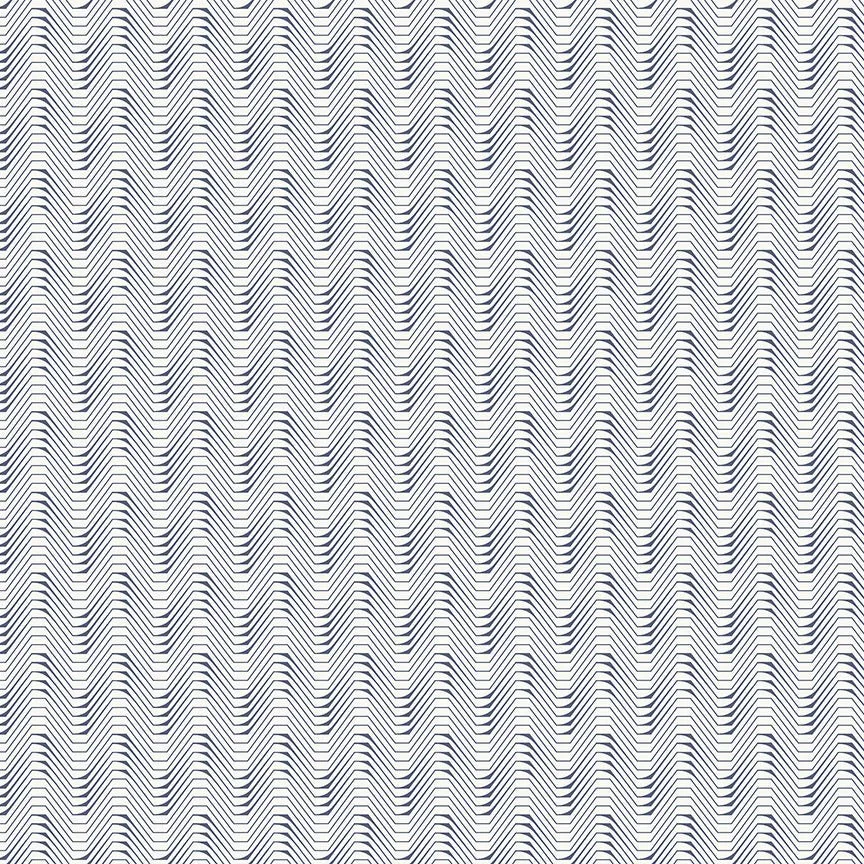
- WINDHAM - Swatch Book by Iowa Quilt Museum - Wavelengths - Ivory: This Windham Fabrics swatch book, themed "Wavelengths" in Ivory, contains a variety of 100% cotton quilting fabric swatches in an ivory color palette, with fabrics approximately 44/45 inches wide. A swatch book lets you compare weave and color in person before buying yardage, which is the most reliable way to tell how a fabric will fray, drape, and wash.
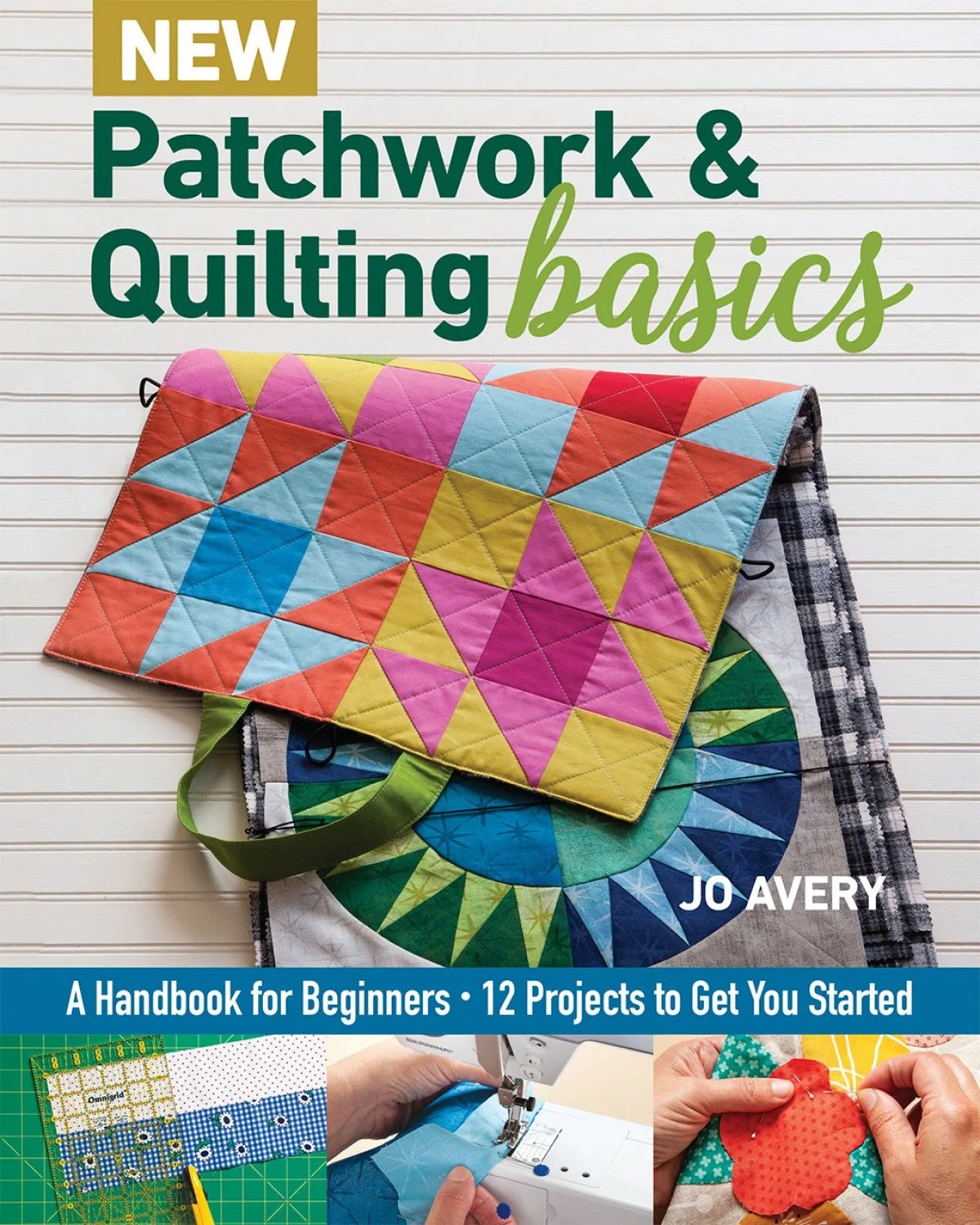
- New Patchwork & Quilting Basics Handbook by Jo Avery: The New Patchwork & Quilting Basics Handbook by Jo Avery guides you through twelve projects, starting with basic pieced strips, squares, and triangles, then moving to foundation paper piecing, appliqué, and curves. If you are still learning how different fabrics behave, a project-based handbook gives you structured practice with woven and printed cottons before you invest in a large quilt.
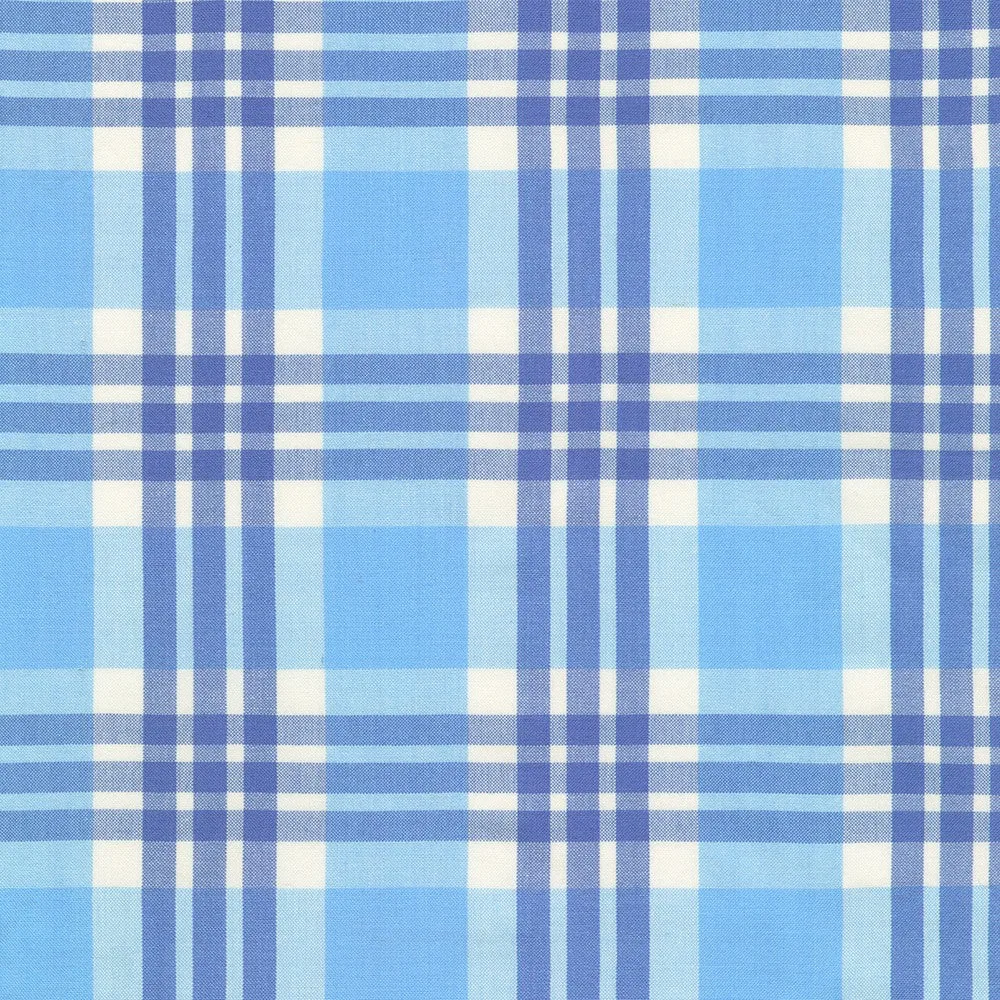
- KAUFMAN - Kona Loomworks-Summer Breeze by Studio RK - Woven - Sky: Kona Loomworks-Summer Breeze by Studio RK for Robert Kaufman is a 100% cotton woven fabric in a light blue sky colorway, 44 inches wide. This is an example of a woven cotton that is not described as yarn-dyed or printed, so you would check the listing or a swatch to confirm the color method before relying on it for a color-critical project.