Quick answer
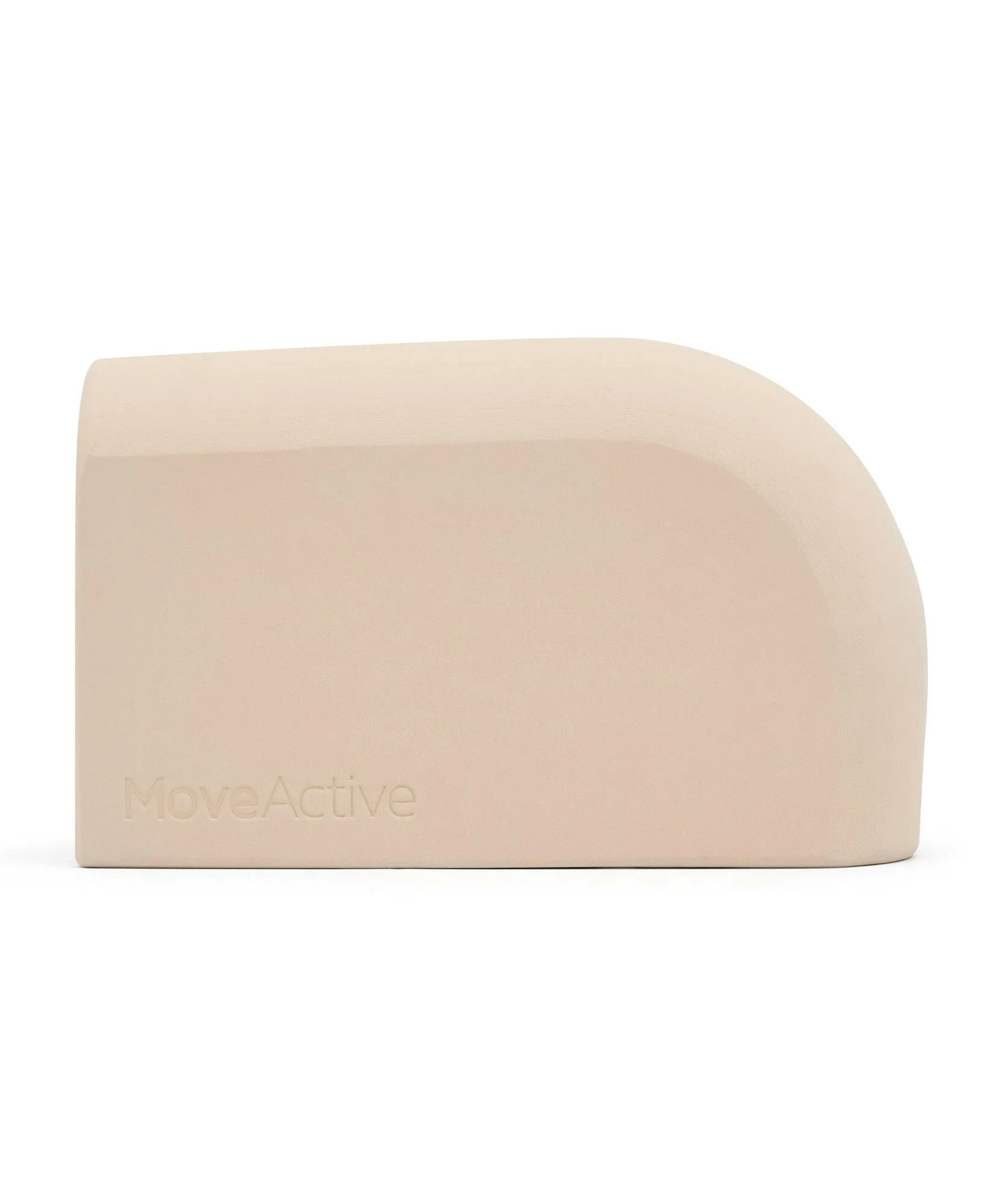
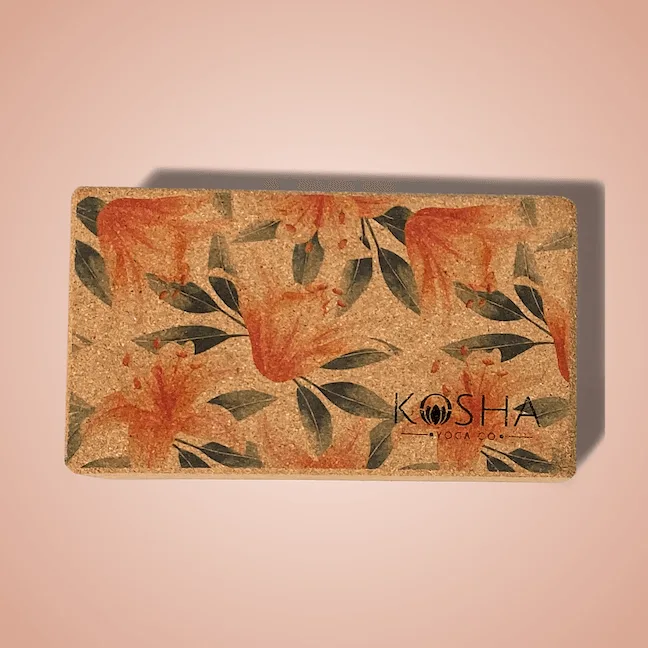
A yoga block is a versatile prop for adding resistance, stability, and range of motion to strength exercises and Pilates flows. Use it under your hand, between your thighs, or behind your back to target muscles you often miss in passive poses.
Why Use a Yoga Block for Strength?
Most practitioners think of a block as a seat or a hand support in restorative poses. But a block can also create instability that forces your core and stabilizers to work harder. For example, placing a block under one hand during a plank challenges your obliques and shoulders more than a flat floor. It also teaches you to distribute weight evenly across your palm, which improves wrist health over time.
Block Placement for Pilates Exercises
In Pilates, a block can replace a small ball or ring for targeted muscle engagement. Squeeze the block between your thighs during a bridge to activate your inner thighs and glutes. Place it behind your sacrum in a supine leg circle to keep your lower back off the mat and your core engaged. The block gives you immediate tactile feedback, so you know when your form drifts.
Step-by-Step: Yoga Block Exercises for Strength
- Step 1: Block Under One Hand in Plank: Start in a high plank with your shoulders over your wrists. Place a block flat under your right hand. Keep your hips level and hold for 20 seconds. Switch sides. Common mistake: letting your hips drop on the block side. Keep your glutes and core engaged to stay even. This builds oblique and shoulder stability. If your wrist hurts, try a fist instead of a flat palm.
- Step 2: Block Squeeze in Bridge: Lie on your back with knees bent and feet hip-width apart. Place a block between your thighs, about 2 inches above your knees. Press your hips up into a bridge while squeezing the block. Hold for 5 seconds, then lower. Repeat 10 times. Common mistake: letting the block slip forward. Keep your inner thighs active throughout. This fires your inner thighs and glutes. If you feel only your hamstrings, bring your feet closer to your glutes.
- Step 3: Block Behind Your Back in Seated Twist: Sit tall with legs extended. Place a block vertically behind your sacrum, supporting your lower back. Twist your torso to the right, keeping both sit bones grounded. Use your hands to gently deepen the twist. Hold for 30 seconds, then switch. Common mistake: leaning backward onto the block. Keep your spine long and your chest lifted. This supports your lower back while allowing a deeper spinal rotation. If you feel pinching, reduce the twist angle.
Prop Tips for Your Practice
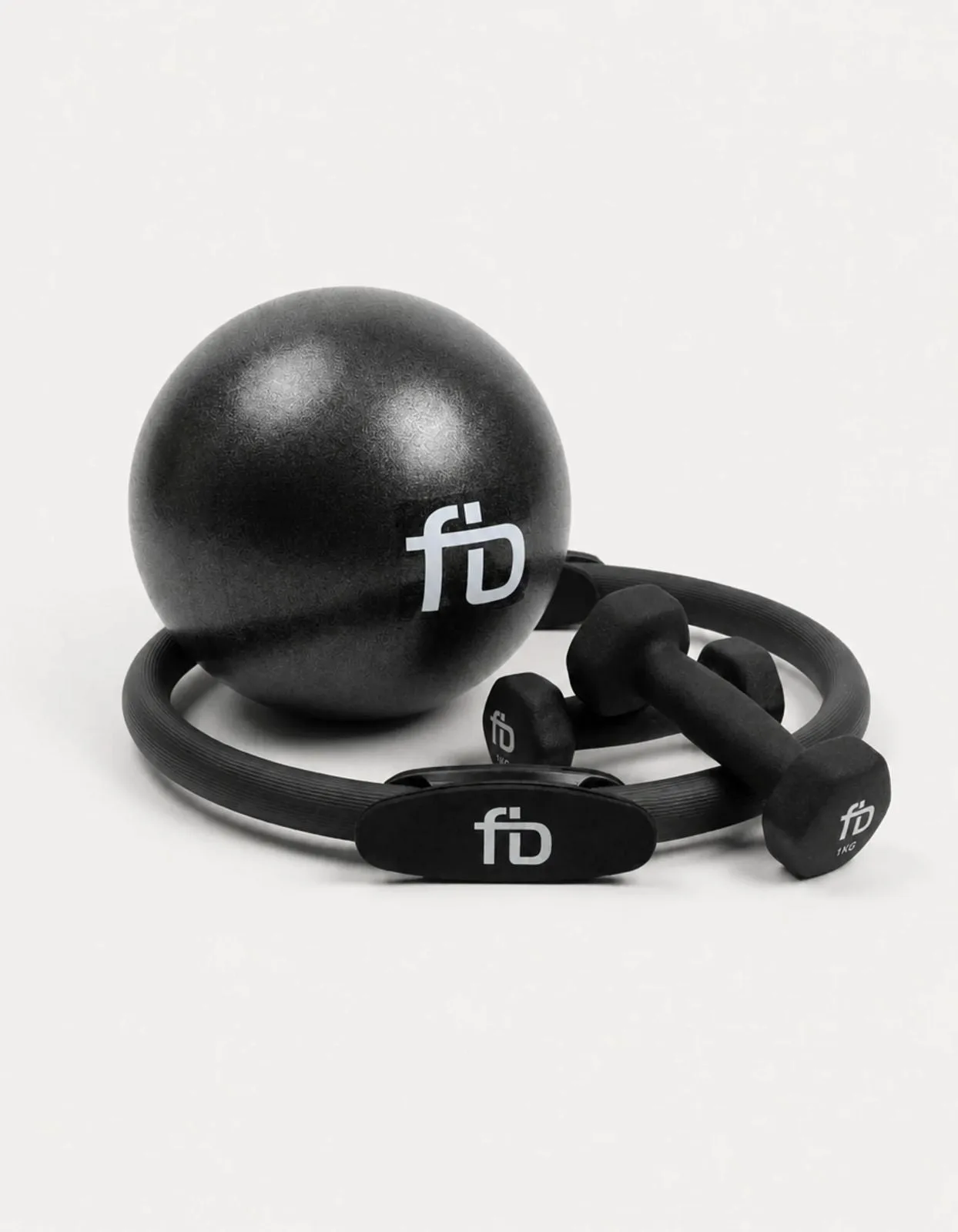
- Yoga Starter Kit: The FitBoutique Yoga Starter Kit is a complete Pilates and yoga accessory set designed for home workouts and studio training. This all in one kit includes a yoga ball, yoga ring and 1kg dumbbells to support strength, support control and flexibility. Ideal for beginners and experienced users, the Yoga Starter Kit helps improve core stability, stability and muscle tone. Use it for Pilates sessions, flows or low impact… The included 1kg dumbbells add resistance for arm exercises when paired with your block. Use the dumbbell in one hand while pressing into the block with the other to combine strength and stability work.