Quick answer
An air purifier and a humidifier do opposite jobs: a purifier removes particles and some gases from the air, while a humidifier adds moisture. You need both only if you have both problems — allergies or dust plus dryness. Most homes can start with one, measure results, then add the other if symptoms persist.
What each device actually does
Air purifiers pull air through a filter (often HEPA) to trap dust, pollen, pet dander, smoke, and some microorganisms. Some models add carbon for odors and gases. They do not change humidity.
Humidifiers release water vapor or mist to raise relative humidity. They do not remove particles. In fact, ultrasonic or cool-mist humidifiers can aerosolize minerals from tap water, which a purifier may then capture — one reason to use distilled water.
Do you need a humidifier?
You likely need a humidifier if indoor relative humidity stays below 30% and you notice dry skin, chapped lips, static shocks, or frequent nosebleeds. Winter heating and arid climates are common triggers.
Skip it if humidity is already 40–50% or if you see condensation on windows — adding moisture can encourage mold and dust mites.
Can you run an air purifier and humidifier together?
Yes, but placement matters. Keep at least a few feet between them so mist doesn't get pulled straight into the purifier's sensor or filter. If your purifier has an auto mode, mist can falsely trigger it to run at high speed.
Run the humidifier first to reach target humidity, then let the purifier handle particles. Clean or replace the purifier's pre-filter more often if you use a humidifier in the same room, because damp dust clogs faster.
What about allergies — which one helps?
For allergies to pollen, pet dander, or dust mites, an air purifier with a HEPA filter is the priority. It reduces airborne particles that trigger symptoms.
A humidifier can help or hurt: dry air irritates airways, but too much humidity (above 50%) helps dust mites and mold thrive. If you have allergies, aim for 40–45% humidity and use a purifier continuously.
Humidity and purification: the balance that works
Target 30–50% relative humidity. Below 30% is dry; above 50% invites biological growth. A hygrometer costs little and removes guesswork.
If you run both, choose a purifier with a washable pre-filter to catch larger mist-borne particles, and a humidifier with a humidistat so it shuts off at your set point.
Frequently asked questions
Can I use just a humidifier without a purifier?
Yes, if dryness is your only issue and you don't have allergies or dust problems. But if you notice musty odors or dust, a purifier addresses those particles. Match the device to the symptom.
Will a humidifier make my air purifier work harder?
It can. Mist particles may be captured by the purifier, and some sensors interpret mist as particulate matter, causing the fan to ramp up. Keep them separated and clean the pre-filter often. Space them apart and maintain filters.
Do I need both if I have allergies and dry air?
Often yes. Use a purifier for allergens and a humidifier to keep humidity in the 40–45% range. Monitor with a hygrometer to avoid over-humidifying. Both can coexist with proper humidity control.
Product facts
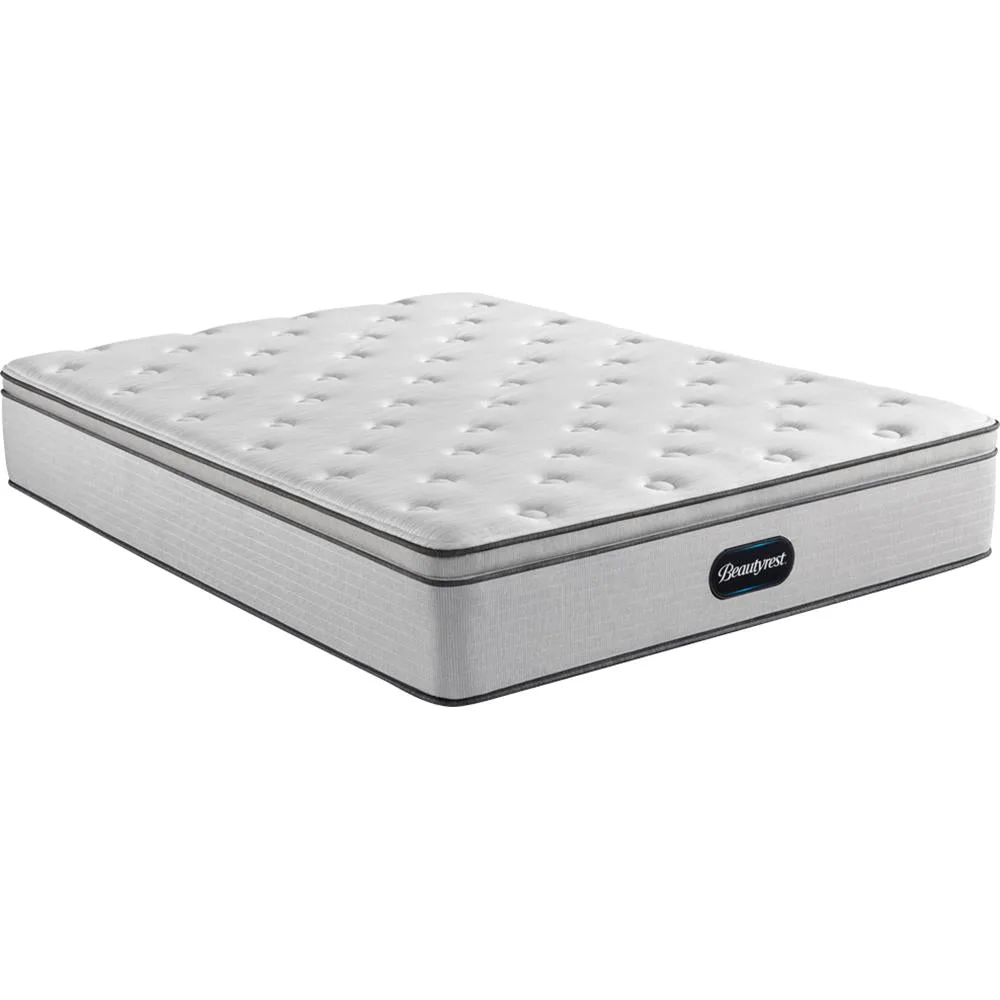
- Simmons Beautyrest 800 Series Medium Pillow Top King Mattress - 700810006-1060: Simmons Beautyrest 800 Series Medium Pillow Top King Mattress features DualCool Technology, an antimicrobial performance layer that moves heat and moisture away to help you sleep at your ideal temperature. If you add a humidifier to a bedroom, moisture control matters. A mattress with moisture-wicking technology helps prevent that damp, clammy feeling and supports a fresher sleep environment.