Quick answer
Amber ale and brown ale both belong to the broader amber & brown beer family, but they differ mainly in malt depth and bitterness. Amber ales lean toward a balanced, toasty malt profile with moderate hop bitterness, while brown ales emphasize richer, nutty, and caramel flavors with lower bitterness. Choose an amber ale like Long Trail Ale for a crisp, everyday drinker; go with a brown ale like Samuel Smith Nut Brown Ale when you want a more full-bodied, malt-forward experience.
How malt and hops set them apart
The defining difference between amber and brown ales is the roasted malt character. Amber ales use pale and caramel malts that produce a toasty, slightly sweet backbone with enough hop bitterness to keep it refreshing. Brown ales use darker malts—often chocolate or crystal—that give a nutty, sometimes coffee-like flavor with much less hop presence. This is why brown ales taste fuller and sweeter on the palate, while amber ales finish cleaner.
The bitterness level also differs. Amber ales typically have a higher IBU (International Bitterness Units) range, making them more balanced for drinkers who want malt with a hoppy edge. Brown ales stay in a lower IBU range, letting the malt sweetness shine. If you are new to the style, an amber ale is a safer bridge from lighter lagers, while a brown ale is a step into darker, richer territory.
Food pairing notes
Amber ales pair well with grilled meats, burgers, and sharp cheddar because their moderate bitterness cuts through fat. Brown ales match roasted dishes, smoked sausages, and chocolate desserts—the nutty malt complements earthy flavors without overwhelming them. For a versatile table beer, an amber ale works across more courses, while a brown ale shines with hearty winter meals.
Trade-offs at a glance
- Amber ale: balanced bitterness: More hop presence means a crisper finish and better pairing with spicy or fatty foods. But drinkers who dislike any bitterness may find it too assertive. Best for those who want malt flavor without sacrificing hop character.
- Brown ale: malt-forward richness: Lower bitterness lets nutty, caramel, and chocolate notes dominate. The trade-off is less versatility with food and a heavier mouthfeel that may not suit warm-weather drinking. Ideal for cool evenings and dessert pairings, but not a thirst-quencher.
- Pack size and format: Amber ales often come in 6-packs (like Long Trail Ale) for better value per serving, while brown ales are more common in 4-packs (like Samuel Smith). Cans offer portability; bottles suit traditional serving. Consider how you plan to drink: 6-packs for sessions, 4-packs for quality over quantity.
How these beers compare on the shelf
- Long Trail Ale 6pk Bottle: Long Trail Ale is an amber ale sold as a 6-pack of bottles, priced at USD 8.27 (compare at USD 11.99). At about USD 1.38 per bottle, it is a budget-friendly everyday amber ale that offers a balanced malt-hop profile in a classic bottle format.
- Samuel Smith Nut Brown Ale 4pk Bottle: Samuel Smith Nut Brown Ale is a brown ale sold as a 4-pack of bottles, priced at USD 10.07 (compare at USD 15.99). The higher per-bottle cost reflects its richer, more complex malt character—ideal when you want a sipping beer rather than a session ale.
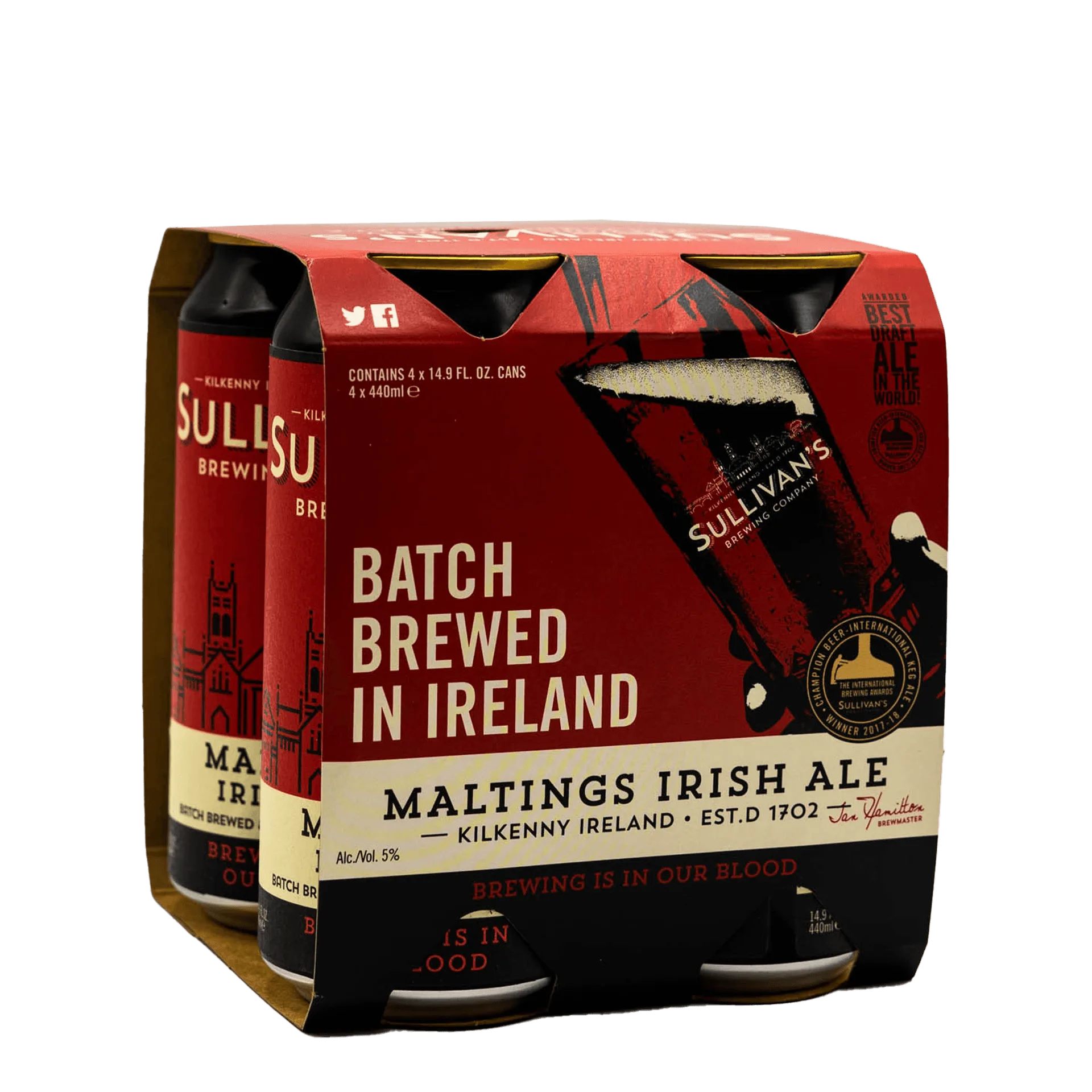
- Sullivan's Maltings Irish Ale 4pk Can: Sullivan's Maltings Irish Ale is an amber ale sold as a 4-pack of cans, priced at USD 9.93 (compare at USD 13.99). Cans are more portable and block light better than bottles, making this a good choice for outdoor drinking; the Irish ale style gives it a slightly toastier edge than standard amber ales.
- Vermont Scarlet 4pk Can: Vermont Scarlet is an amber beer sold as a 4-pack of cans, priced at USD 9.51 (compare at USD 13.99). A New England–style amber ale that offers a local craft option; the can format and moderate price make it a solid pick for cookouts and casual gatherings.
Which style fits you?
Choose amber ale if you...
- Enjoy a balanced beer that pairs with a wide range of foods
- Prefer moderate hop bitterness alongside malt sweetness
- Want a value-friendly option like Long Trail Ale for regular drinking
Choose brown ale if you...
- Prefer a sweeter, malt-forward beer with minimal bitterness
- Are looking for a richer sipping beer for cold weather or dessert
- Want a classic imported style like Samuel Smith Nut Brown Ale