Quick answer
Yes, frozen breakfast sandwiches can be healthy—but not automatically. The deciding factors are protein, calories, and sodium, plus what you eat alongside them. A sandwich with 12 grams of protein can anchor a balanced morning, while a lower-protein option may need a side. Check the label and build the rest of your plate around it.
What frozen breakfast sandwich nutrition labels actually tell you
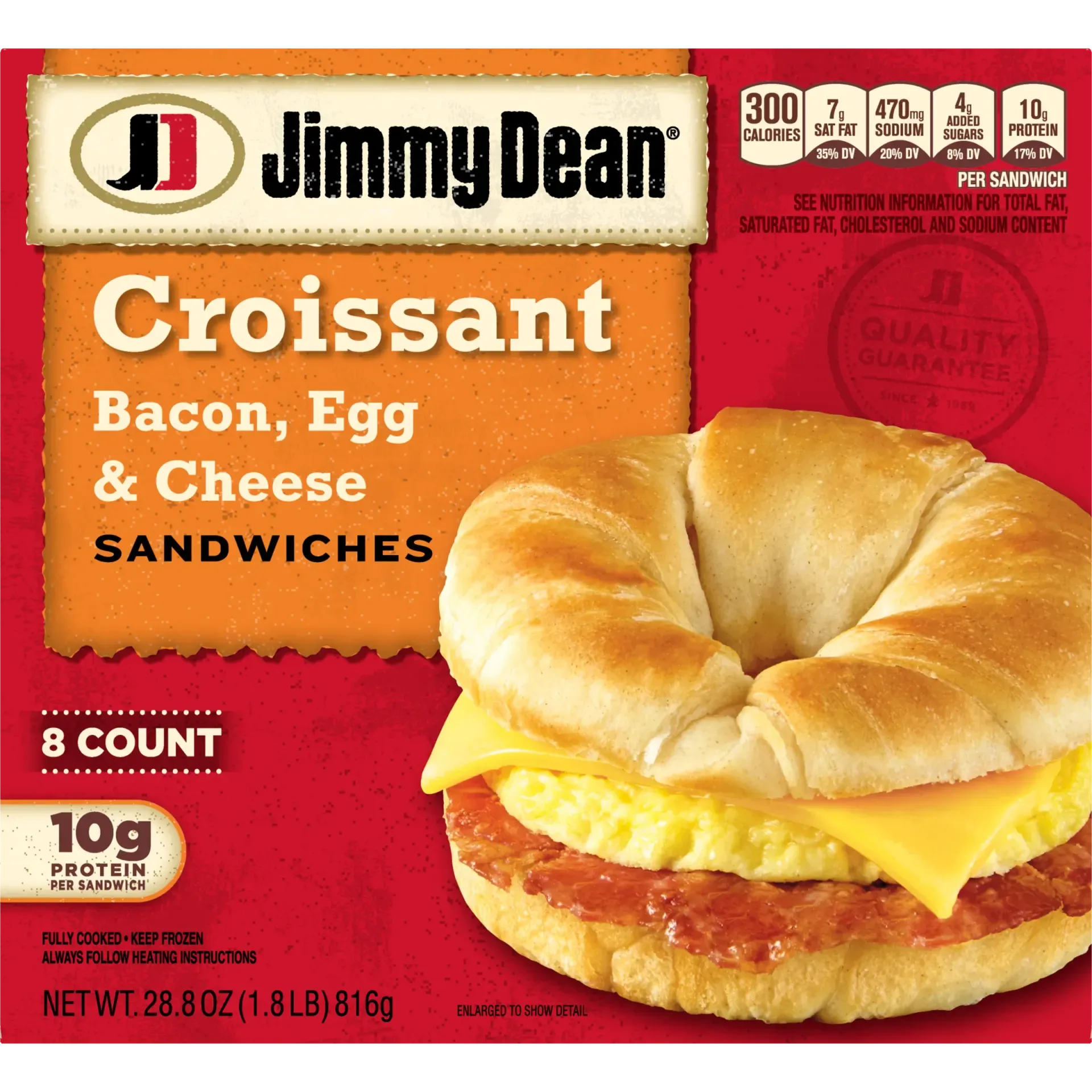
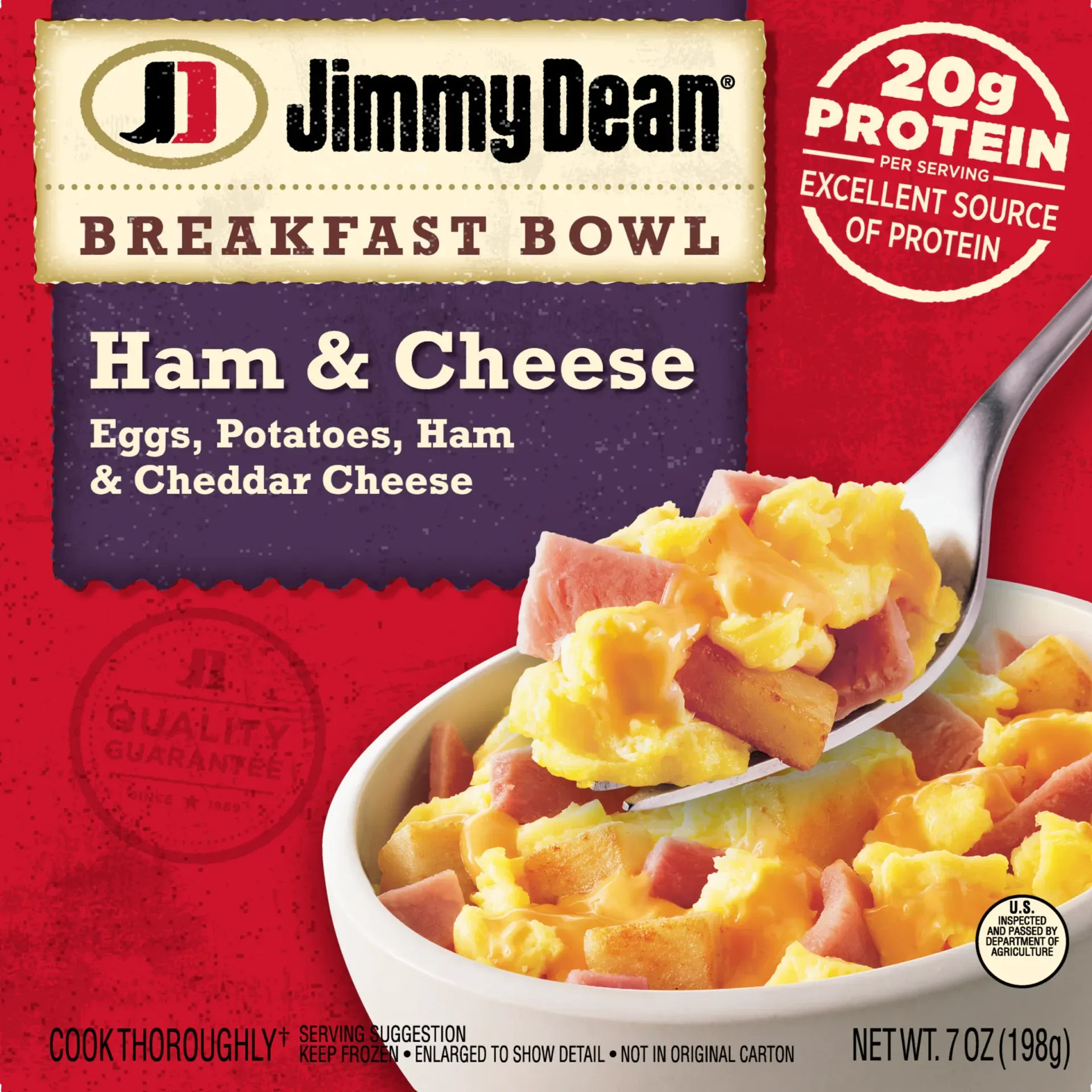
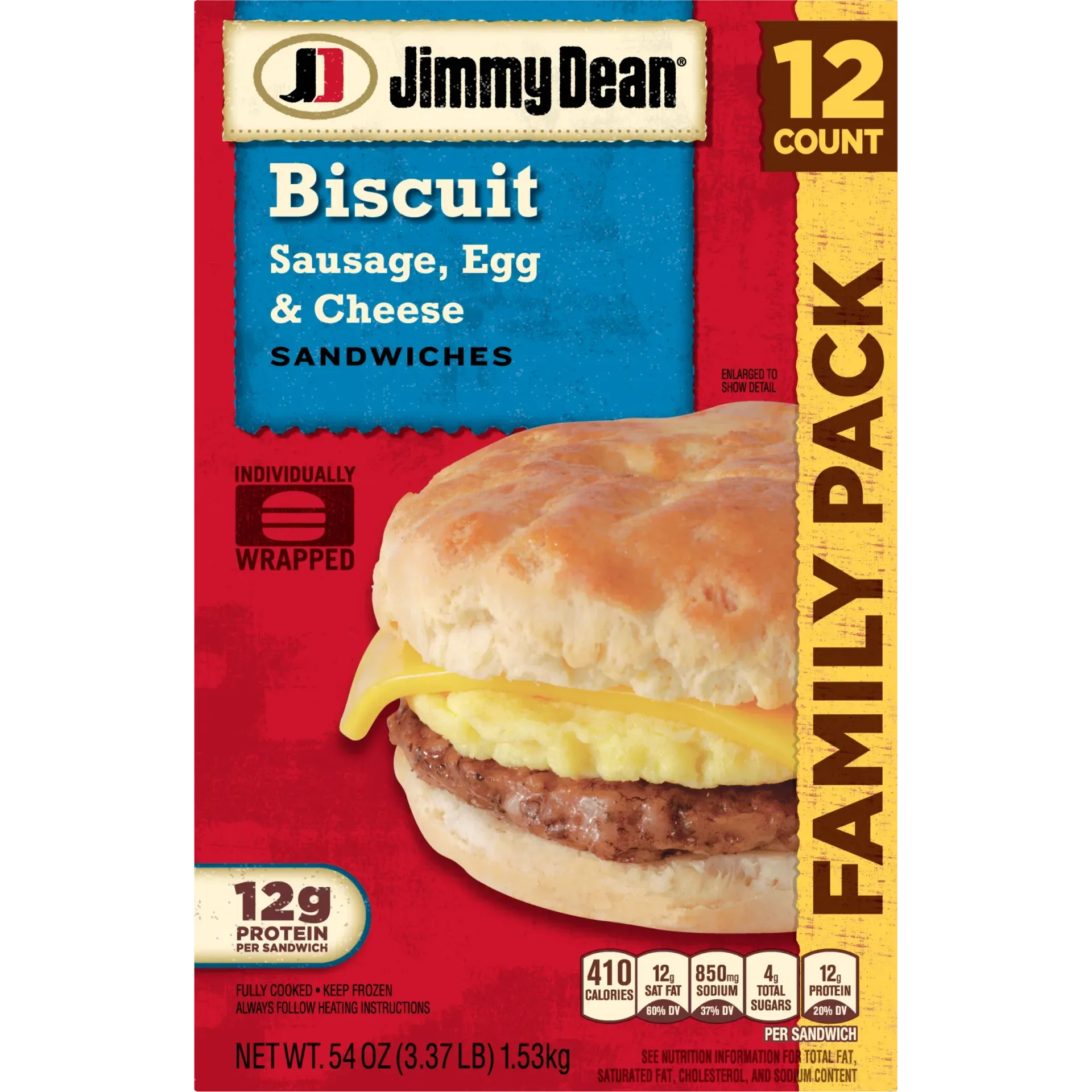
Start with three numbers: protein, calories, and sodium. Protein helps you feel full; calories set the energy load; sodium matters if you're watching blood pressure or bloating. These numbers vary widely across frozen breakfast sandwiches, so compare labels rather than assuming all are the same. For example, a sausage, egg, and cheese biscuit sandwich provides 12 grams of protein per serving, while a ham, egg, potato, and cheese bowl delivers 20 grams. That difference can change how satisfying your morning feels.
How to build a better frozen breakfast without giving up convenience
A frozen sandwich is a base, not the whole meal. Add a piece of fruit, a handful of spinach, or a glass of milk to round out fiber, vitamins, and extra protein. If sodium is your focus, pair the sandwich with low-sodium sides like plain yogurt or unsalted nuts instead of processed meats or salty condiments. Portion matters too: if a sandwich is smaller or lower in protein, consider adding a hard-boiled egg or a second serving of fruit rather than doubling the sandwich.
Myth vs. reality: frozen breakfast sandwiches
- Myth: All frozen breakfast sandwiches are unhealthy.: Nutrition varies by product. Some provide meaningful protein, like 12 grams in a sausage, egg, and cheese biscuit or 20 grams in a ham and cheese bowl. The key is reading labels and choosing based on your goals. Verdict: False—quality depends on the specific product and your overall diet.
- Myth: You can't eat frozen breakfast sandwiches if you're watching sodium.: Sodium levels differ across products. You can still include them by balancing with low-sodium sides and not eating them every day. Check the label for sodium content and adjust the rest of your day accordingly. Verdict: Partly true—they can fit, but portion and frequency matter.
- Myth: Frozen breakfast sandwiches are only for breakfast.: Many frozen breakfast items work any time of day. A pancake and sausage sandwich or a breakfast bowl can be a quick meal or snack. Just account for the calories and protein in your daily total. Verdict: False—they're flexible, but track how they fit your day.
Product facts to ground your choice
- Jimmy Dean Biscuit Breakfast Sandwiches with Sausage, Egg, and Cheese, Frozen, 12 Count: Jimmy Dean Biscuit Breakfast Sandwiches with Sausage, Egg, and Cheese, Frozen, 12 Count provide 12 grams of protein per serving. A 12-gram protein starting point can help you feel full, but it's moderate—pair with a protein-rich side if you need more.
- Maple Pancake & Sausage Griddle Cake Sandwiches: Maple Pancake & Sausage Griddle Cake Sandwiches deliver 8 grams of protein per serving. Lower protein per serving means this option works better as a treat or with added protein on the side.
- Ham & Cheese Breakfast Bowl: Ham & Cheese Breakfast Bowl contains 20 grams of protein per serving. Higher protein can make this a more filling choice when you want a savory breakfast without adding sides.