Quick Answer
Board game design is a multi-stage process involving prototyping, playtesting, and iteration. It often takes years from concept to publication, with designers balancing mechanics, theme, and art to create engaging experiences.
Ever wondered how your favorite board games come to life? Behind every game is a designer who starts with an idea and shapes it through countless hours of testing and refinement.
In this article, we pull back the curtain on the board game design process, answering common questions about how games are developed, prototyped, and published.
How Does a Board Game Go from Idea to Prototype?
The journey begins with a concept, often sparked by a theme, mechanic, or personal experience. Designers sketch out rules and components, then create a rough prototype using paper, tokens, or even digital tools. This prototype is not meant to be pretty; it's a functional test bed for ideas.
Early playtesting is crucial. Designers gather friends or local groups to try the game, observing where players get confused or bored. Feedback drives iterative changes, sometimes completely overhauling mechanics. This phase can last months or years, with each iteration refining the experience.
- Start with a simple, low-fidelity prototype to focus on mechanics.
- Playtest early and often, with diverse groups to uncover different perspectives.
- Keep a design journal to track changes and insights.
What Role Does Art Play in Board Game Design?
Art is not just decoration; it enhances immersion and communicates information. A well-illustrated board can make a game more intuitive, helping players understand the world and their objectives at a glance. Art also creates emotional connection, drawing players into the theme.
Designers must balance art with clarity. Overly busy artwork can obscure important information, while minimal art might fail to engage. The best games use art to support gameplay, with icons and visual cues that reinforce mechanics.
- Art should reinforce the theme and aid comprehension, not distract.
- Consider accessibility: use color-blind friendly palettes and clear icons.
- Hire illustrators who understand game design, not just visual art.
How Are Board Games Tested and Balanced?
Playtesting is the heart of game development. Designers and publishers run dozens, sometimes hundreds, of playtests to identify balance issues, rule ambiguities, and fun factors. They collect data on win rates, game length, and player satisfaction, adjusting numbers and mechanics accordingly.
Professional playtesting often involves blind tests, where players receive no guidance from the designer. This simulates the real experience of learning a game from the rulebook. Feedback from these sessions helps polish the rules and ensure the game is enjoyable for its target audience.
- Track win rates to spot dominant strategies.
- Conduct blind playtests to test rulebook clarity.
- Be willing to cut mechanics that don't work, even if you love them.
What Does the Publishing Process Look Like?
Once a game is polished, designers pitch it to publishers or self-publish. Publishers handle manufacturing, distribution, and marketing, while designers often continue to refine the game during production. The publishing process includes graphic design, component sourcing, and rulebook editing.
Crowdfunding has become a popular route, allowing designers to gauge interest and fund production directly. However, it requires significant marketing effort. Traditional publishing offers established distribution but less creative control. Each path has trade-offs in time, money, and creative freedom.
- Research publishers that match your game's genre and complexity.
- If crowdfunding, prepare a compelling campaign with a playable demo.
- Budget for unexpected costs in manufacturing and shipping.
Key Takeaways for Aspiring Designers
Prototype Early
Don't wait for perfect components. Use paper and placeholder pieces to test your core mechanics quickly. Iterate fast to find what works.
Playtest with Strangers
Friends may be too polite. Seek out gaming groups or conventions to get unbiased feedback. Honest feedback is invaluable.
Study Published Games
Play a variety of games and analyze their design choices. Notice how they handle rules, balance, and player engagement. Learn from the masters.
Games That Showcase Design Innovation
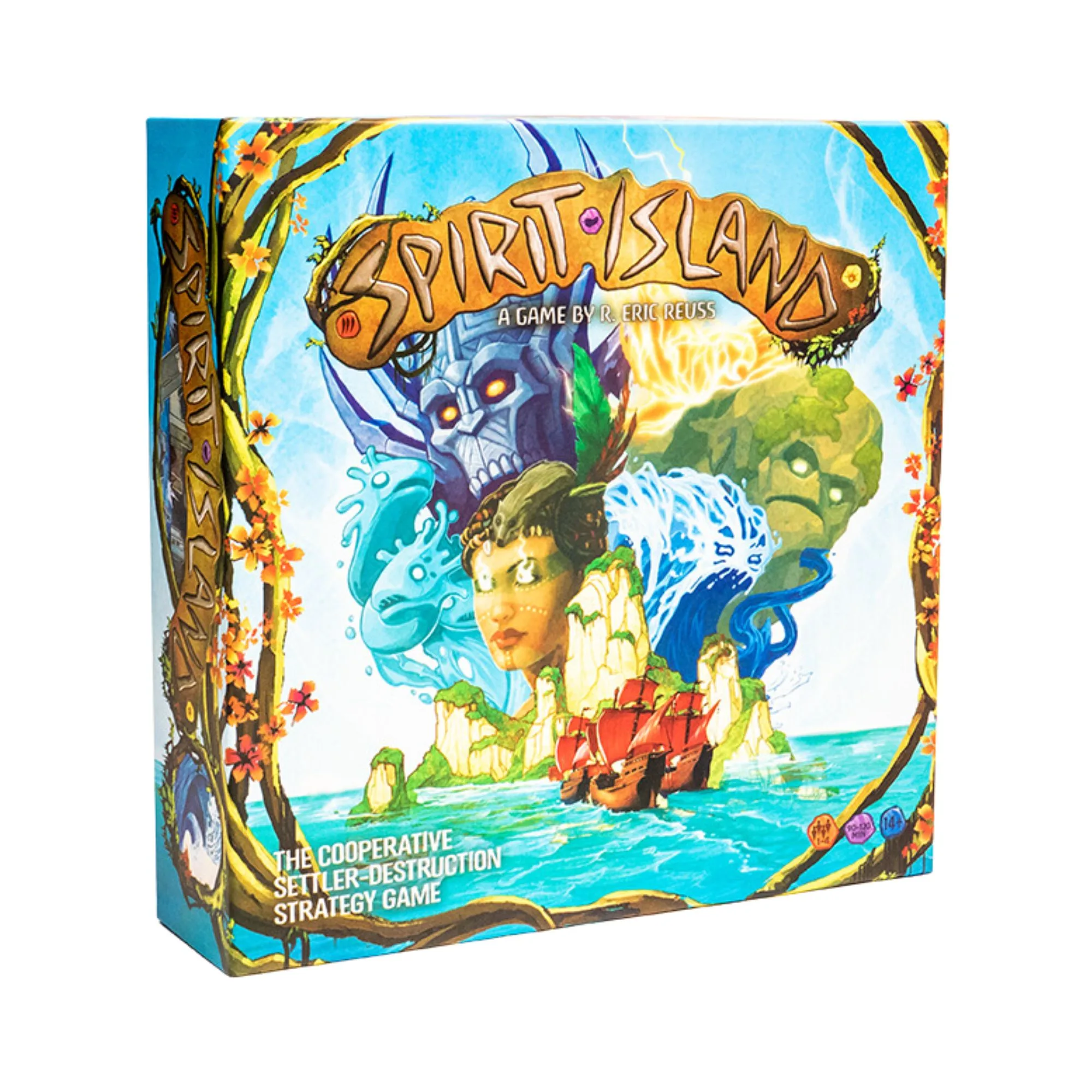
- Spirit Island: Spirit Island is an award-winning, cooperative, settler-destruction strategy game for 1 to 4 players designed by R. Eric Reuss and set in an alternate-history world. This game exemplifies deep thematic integration and unique mechanics, offering a glimpse into how design can create a rich cooperative experience.
- Fired Up: In the near future, entertainment will have changed. It will have evolved beyond traditional sports in stadiums and into a larger than life spectacle where digital warriors will compete against one another inside the cyberspace arena in bloodless conflict sports. In this futuristic environment is where Fired Up is set. Fired Up demonstrates how a strong theme can drive design, creating a unique setting that shapes the game's mechanics and player engagement.
Board game design is a blend of art and science, requiring creativity, persistence, and a willingness to learn from failure. Whether you're a player or a budding designer, understanding the process deepens your appreciation for the games you love. Next time you open a new game, consider the journey it took to reach your table.