Quick answer
If a cotton baby sweater came out of the wash smaller, soak it in cool water for 20 to 30 minutes, press the water out in a towel, then gently stretch it back to shape and dry it flat. If it came out longer, wider, or with stretched-out cuffs and neckline, you can usually improve it slightly with a warm soak and a low-heat tumble, but you cannot knit the fibers back. Stop when the shape looks right and the piece still fits; if the yarn has thinned or pilled badly, replace it instead of fighting it.
Shrunk or stretched: match the fix to the symptom
These two problems need opposite treatments, so diagnose before you act. Shrinking shows up as a sweater that is shorter in the body, tighter at the armholes, and stiff to the touch, usually after heat or agitation. Stretching shows up as a longer body, wider shoulders, and cuffs, a neckline, or a hem that hangs loose and no longer springs back. A piece can do both at once, which is common in a cotton knit that was washed hot and then hung wet.
One more distinction matters: relaxed versus felted. If the sweater is merely tight and stiff, the fibers have drawn together and can often be relaxed. If the surface looks matted, fuzzy, or blurry and you can no longer see individual stitches, the fibers have locked together. That is felted knitwear, and no home method reverses it.
How to unshrink a baby sweater without wrecking it
Fill a basin or clean sink with cool water and a small amount of gentle detergent or hair conditioner. Submerge the sweater and let it soak for 20 to 30 minutes so the fibers relax. Do not wring, twist, or rub it, and do not use hot water, which can set the shrinkage further.
Lift the sweater out supporting it with both hands, then lay it on a clean towel and roll the towel up to press out excess water. Lay the damp sweater flat on a dry towel or mesh drying rack. Working from the center outward, gently stretch the body, sleeves, and ribbing back toward the original measurements, using a sweater you already own as a size guide. Hold each area for a few seconds and re-check as it dries; knitwear relaxes as it dries, so a light stretch now often becomes a bigger one later.
Let it air dry completely away from direct sun and radiators. If it is still tight after drying, one more cool soak and reshape is reasonable. If two attempts have not helped, the yarn has likely felted.
How to improve a stretched baby cardigan
Stretched knitwear is harder to correct because the yarn has been pulled rather than tightened. Start with a warm, not hot, soak for 15 to 20 minutes to relax the fibers, then press out the water and reshape the piece to its intended measurements on a flat towel. For cotton knits, a short tumble on low heat can help the fibers draw back slightly, but check the piece every few minutes, because the same heat that helps can also shrink it unevenly.
Pay the most attention to the areas that stretched first: cuffs, the neckline, and the button band on a cardigan. Pinch these back to their original width while damp and let them dry flat. Avoid hanging a wet sweater, which is what stretches shoulders and hems in the first place, and skip fabric softener, which can coat fibers and reduce their natural spring.
Washing habits that prevent the next problem
Most baby knitwear damage happens in the wash, not in the drawer. Wash cotton sweaters and cardigans on a cold, gentle cycle or by hand, turn them inside out, and use a mesh laundry bag if you are machine washing. Skip the dryer for anything you want to keep its shape, and never hang a wet knit, since the weight of the water pulls the whole garment downward.
For drying, lay the piece flat and gently pat it into shape while it is still damp. This is the single easiest baby sweater drying tip to build into your routine, because it lets you correct small distortions before they set. Store folded rather than hung, and give a stretched or shrunken piece a rest between wears so the fibers can recover.
Diagnose before you treat
- Shorter, tighter, and stiff: The fibers have drawn together from heat or agitation. Soak in cool water for 20 to 30 minutes, press out water in a towel, stretch gently back to shape, and dry flat. Checkpoint: if two cool-soak attempts do not help, the knit has felted and will not return.
- Longer, wider, or droopy cuffs and neckline: The yarn has been pulled by hanging, wringing, or heavy wet weight. Soak briefly in warm water, reshape flat to the original measurements, and consider a short low-heat tumble for cotton. Checkpoint: if the yarn looks thin or the ribbing no longer springs back, the fix will be partial at best.
- Matted, fuzzy surface with no visible stitches: This is felted knitwear. The fibers have permanently locked, and no soak, stretch, or conditioner will separate them. Stop here and replace the piece rather than spending more time on it.
- Still fits but looks slightly off: Minor distortion after one wash is normal. A quick damp reshape and flat dry usually brings it back without a full soak. Stop when the garment fits and hangs evenly; further stretching risks going too far the other way.
What the label tells you before you wash
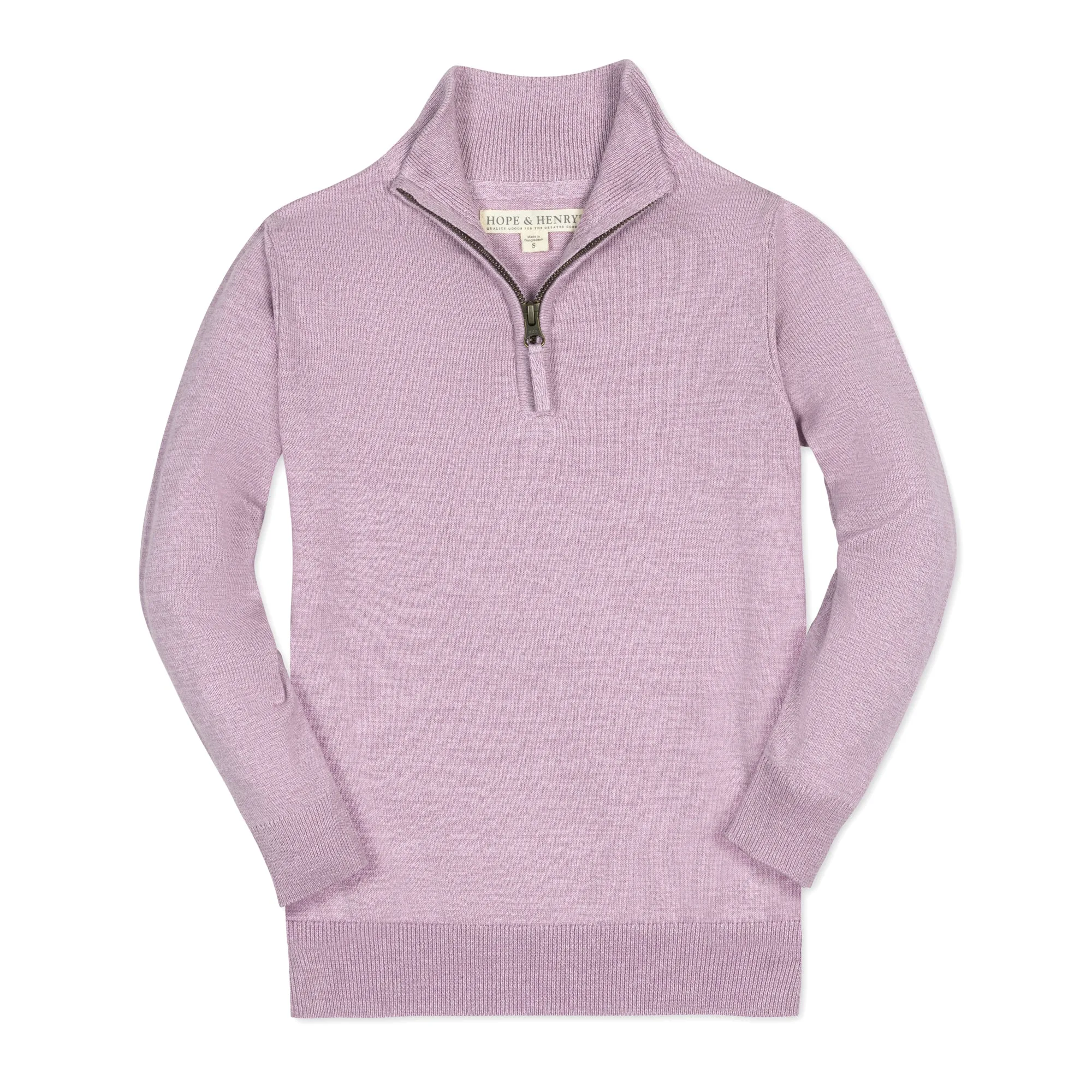
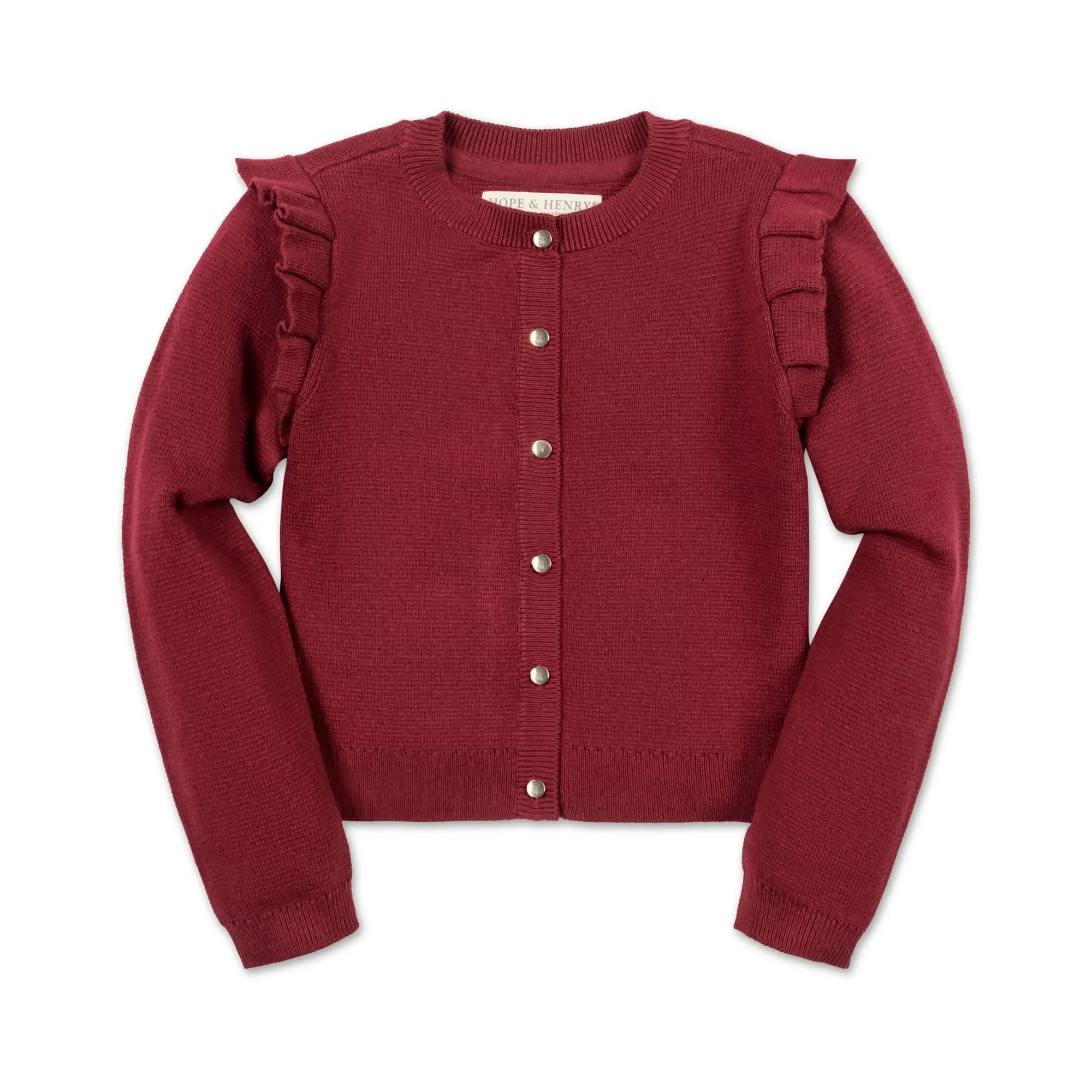
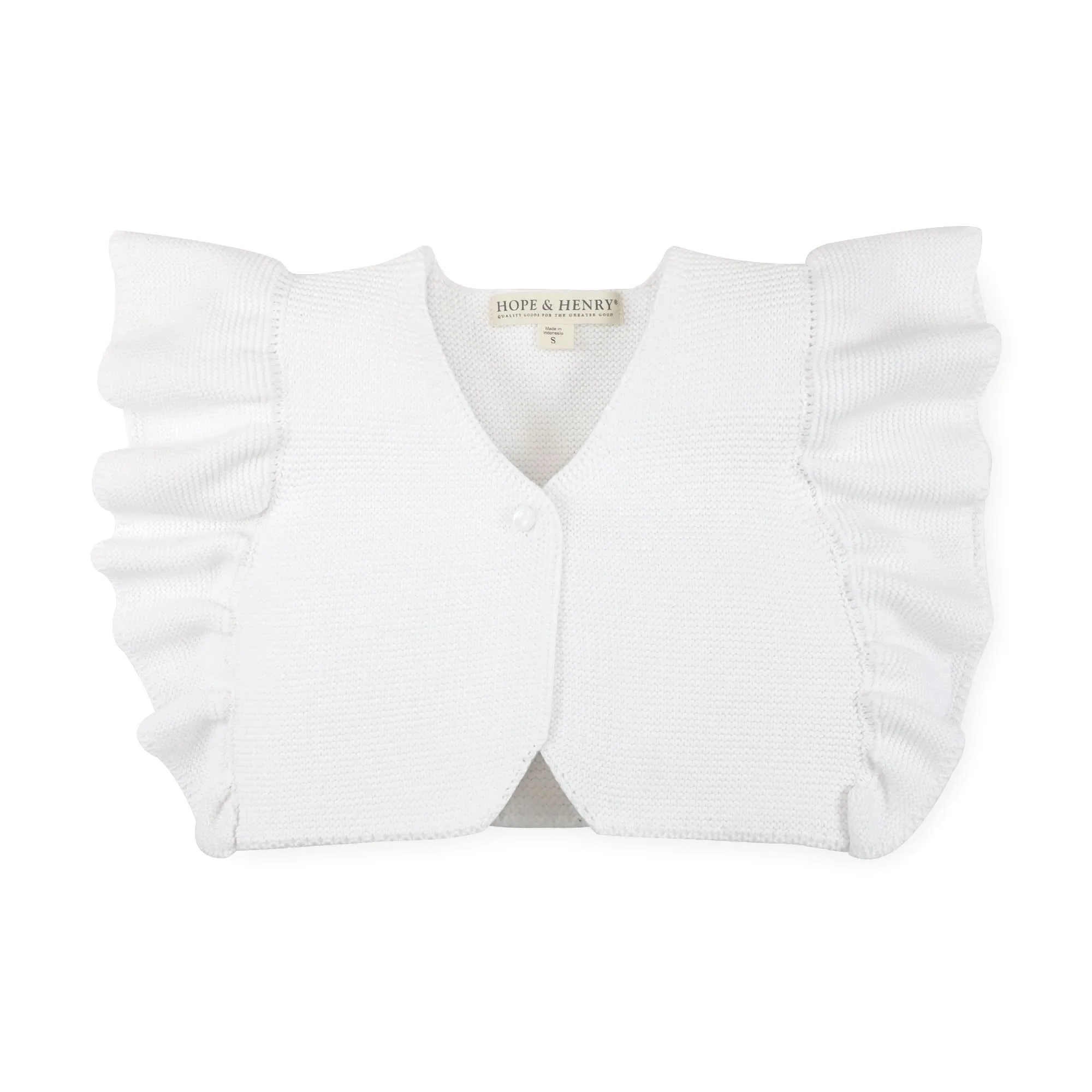
- Ruffle Sleeve Sweater Vest - Baby: 100% Organic Cotton, exclusive of trims, with a single button closure at the front. Cotton responds well to the cool-soak and reshape method, but the single button closure and ruffle sleeves are the areas most likely to distort if you wring or hang the piece wet.
- Organic Curved Hem Cardigan: Crafted from soft organic cotton in a Milano stitch with a gently curved front hem and pearlized buttons; the garment is 100% GOTS-Certified Organic. A Milano stitch is a denser knit, so it holds its shape better than a loose knit but takes longer to dry flat; the curved hem is the first place a stretched cardigan shows it.
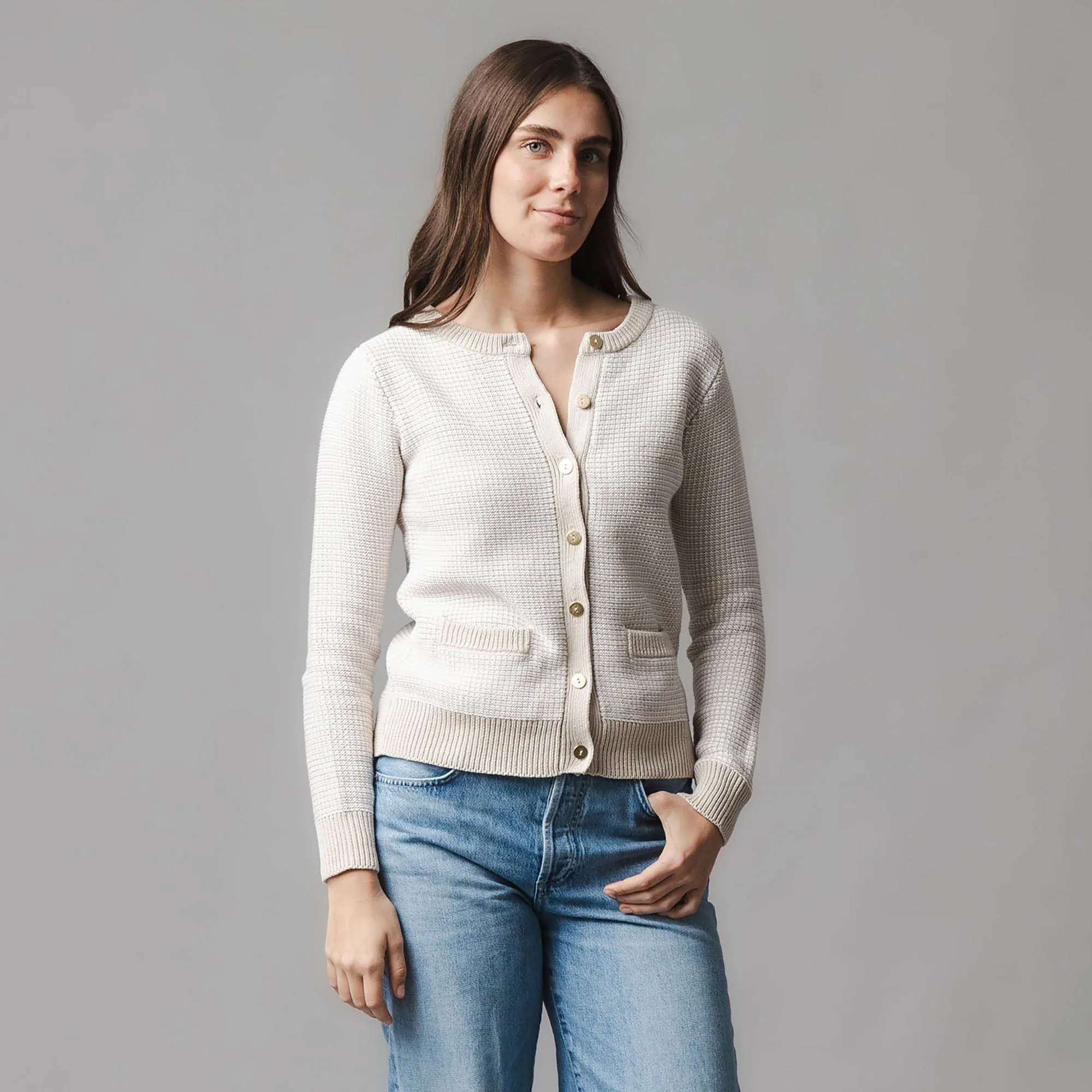
- Organic Classic Cable Cardigan: Classic cable cardigan in soft organic cotton with gold shank buttons at the center front and two pockets; the garment is 100% GOTS-Certified Organic. Cable patterns and pockets add weight, so this style needs flat drying rather than hanging, and the pockets should be patted flat while damp so they do not sag.