Quick answer
Most home bakers need a rimmed half sheet pan, a 9-inch round cake pan, a 9x5-inch loaf pan, an 8- or 9-inch square pan, and a 12-cup muffin tin. Add a wire rack and parchment. Buy a set only when its pieces match your oven and the bakes you actually make; otherwise buy individual pieces.
A bakeware set can save money and shelf space, but only if every piece earns its spot. The wrong set leaves you with two pans you never use and missing the one you need for weeknight cookies or a birthday cake. This guide gives you decision rules for choosing a set based on your oven, your storage, and the baking you do most.
We will cover what to look for in bakeware, the essential bakeware pieces, common set sizes, and how material changes browning and cleanup. You will also see how to test fit before buying online and when a bakery item from Kneads • Bakery • Café • Mill makes more sense than another pan.
Start with your oven and storage, not the set
Measure the inside of your oven and your cabinet before you compare sets. A half sheet pan is about 18 by 13 inches, which fits most home ovens but can be tight in small apartment models or toaster ovens. If your oven is narrow, a quarter sheet pan or a set built around 9-inch rounds will get more use. Write down the largest pan that fits with at least an inch of clearance on all sides.
Storage matters just as much. Stacking nested pans saves space, but only if the set nests cleanly. Look for sets with straight sides and similar footprints, or plan to store sheet pans vertically on a rack. If you have limited drawer space, a five-piece set that nests is more practical than a ten-piece set that does not.
- Measure oven width, depth, and height before buying any pan.
- Check cabinet or drawer height for stacked pans and muffin tins.
- Prefer sets that nest or share a footprint if space is tight.
The essential bakeware pieces and what each one does
A rimmed sheet pan handles cookies, sheet cakes, roasted vegetables, and traybakes. A 9-inch round cake pan is for layer cakes and single rounds. A 9x5-inch loaf pan covers quick breads, yeast loaves, and meatloaf. An 8- or 9-inch square pan is for brownies, bars, and small cakes. A 12-cup muffin tin covers muffins, cupcakes, and egg bites. A wire rack is not optional if you want crisp bottoms and even cooling.
Beyond those, add pieces only when a specific bake demands them. A springform pan is for cheesecake. A tart pan with a removable bottom is for tarts. A tube pan is for angel food and chiffon. If you bake those once a year, buy the single pan rather than a set that includes it plus five pans you already own.
- Buy the five core pieces first; add specialty pans only for bakes you make often.
- A wire rack improves results more than a second sheet pan.
- Skip sets that include duplicate sizes you already own.
Bakeware set sizes: what counts as small, medium, and large
Small sets usually have three to five pieces: one or two sheet pans, a round pan, a square pan, and sometimes a loaf pan. They suit beginners, small kitchens, and bakers who mostly make cookies and bars. Medium sets add a muffin tin and a second round pan, which covers layer cakes and cupcakes. Large sets often include ten or more pieces, including specialty pans, and can be a poor value if you will not use the extras.
Match the set size to your baking frequency and household. A two-person household that bakes twice a month rarely needs a twelve-piece set. A family that bakes weekly for school events will use a medium or large set. If you are unsure, start with a small set and add pieces as specific recipes require them.
- Small set: 3-5 pieces, best for beginners and tight storage.
- Medium set: 6-9 pieces, covers cakes, muffins, and sheet bakes.
- Large set: 10+ pieces, only worth it if you will use the specialty pans.
Best bakeware material for your style of baking
There is no single best bakeware material. Aluminum heats quickly and evenly, which is why it is common for sheet pans and cake pans. It can react with acidic foods if uncoated, so many pans use an anodized or coated finish. Nonstick coatings release food easily and clean up fast, but they scratch, and some bakers avoid them at high heat. Dark metal browns crusts faster, so you may need to lower the oven temperature by about 25°F when switching from light to dark pans.
Glass and ceramic heat slowly and hold heat well, which suits casseroles and pies but can make cookies spread differently. Stainless steel is durable and dishwasher-safe but browns less evenly for delicate cakes. Choose based on what you bake most: aluminum or light-colored metal for cakes and cookies, glass for pies and gratins, and nonstick for muffins and sticky bakes.
- Light-colored metal for even browning on cakes and cookies.
- Nonstick for muffins and sticky bakes, but hand wash to protect the coating.
- Reduce oven temperature about 25°F when using dark pans.
Fit guidance: how to check a set before you buy
Fit is the most common reason a bakeware set disappoints. Check the listed dimensions against your oven and storage, and read the product details for pan depth and thickness. A pan that is too deep for your oven rack position can block heat, and a pan that is too thin can warp at high heat. If the listing does not state material, gauge, or exact dimensions, treat that as a limitation and look for a set that does.
If you buy online, confirm the return policy before ordering. Once the set arrives, test fit with a cold oven: slide each pan in and out, stack them in your cabinet, and check that a wire rack sits securely inside the sheet pan. If a pan does not fit or feels flimsy, return the set rather than storing a piece you will avoid.
- Compare exact pan dimensions to your oven and cabinet measurements.
- Look for stated material, gauge, and depth; missing specs are a warning sign.
- Test fit and sturdiness immediately so you can return the set if needed.
When to buy a set and when to buy pieces
Buy a set when its pieces match your core list, nest well, and cost less than buying the same pieces individually. Buy individual pieces when you already own some pans, when you need a specific size for your oven, or when you bake mostly one thing. A set is also a good choice for a first apartment or a gift, because it gives a new baker a complete starting point without research.
If you are replacing one worn pan, do not buy a whole set. If you are starting from zero and the set includes a sheet pan, round pan, square pan, loaf pan, and muffin tin, that is a strong buy. If the set includes a tube pan and a tart pan but no loaf pan, you will still need to shop separately.
- Set: you need most core pieces and the set nests well.
- Pieces: you own some pans or need a specific size for your oven.
- Skip any set that lacks a piece you will use weekly.
Decision rules for choosing a bakeware set
- Rule 1: Match the set to your oven: Measure your oven interior and compare it to the largest pan in the set. If the set includes an 18x13-inch half sheet pan and your oven is narrower, choose a set with smaller pans or buy pieces individually. A set that does not fit your oven is not a bargain.
- Rule 2: Count the pieces you will use weekly: List the pans you reach for most: sheet pan, round pan, square pan, loaf pan, muffin tin. If a set covers at least four of those, it is likely worth buying. If it covers two, buy the missing pieces instead. Four or more core pieces is the threshold for most bakers.
- Rule 3: Choose material by your most common bake: For cakes and cookies, choose light-colored metal. For muffins and sticky bakes, choose nonstick. For pies and gratins, choose glass or ceramic. If you bake a mix, a light metal set with one nonstick muffin tin is a practical compromise. One material will not be best for every bake.
- Rule 4: Check storage before you commit: Stack the pans in your cabinet or drawer at the store or after delivery. If they do not nest and you have limited space, return the set and choose a nesting design or individual pans. If it does not store well, you will not use it.
- Rule 5: Buy a set only when it beats buying pieces: Add up the cost of the core pieces you need individually. If the set costs less and includes those pieces, buy the set. If not, buy pieces and add specialty pans only when a recipe requires them. A set is a value only when it matches your list.
Products that pair with a bakeware set
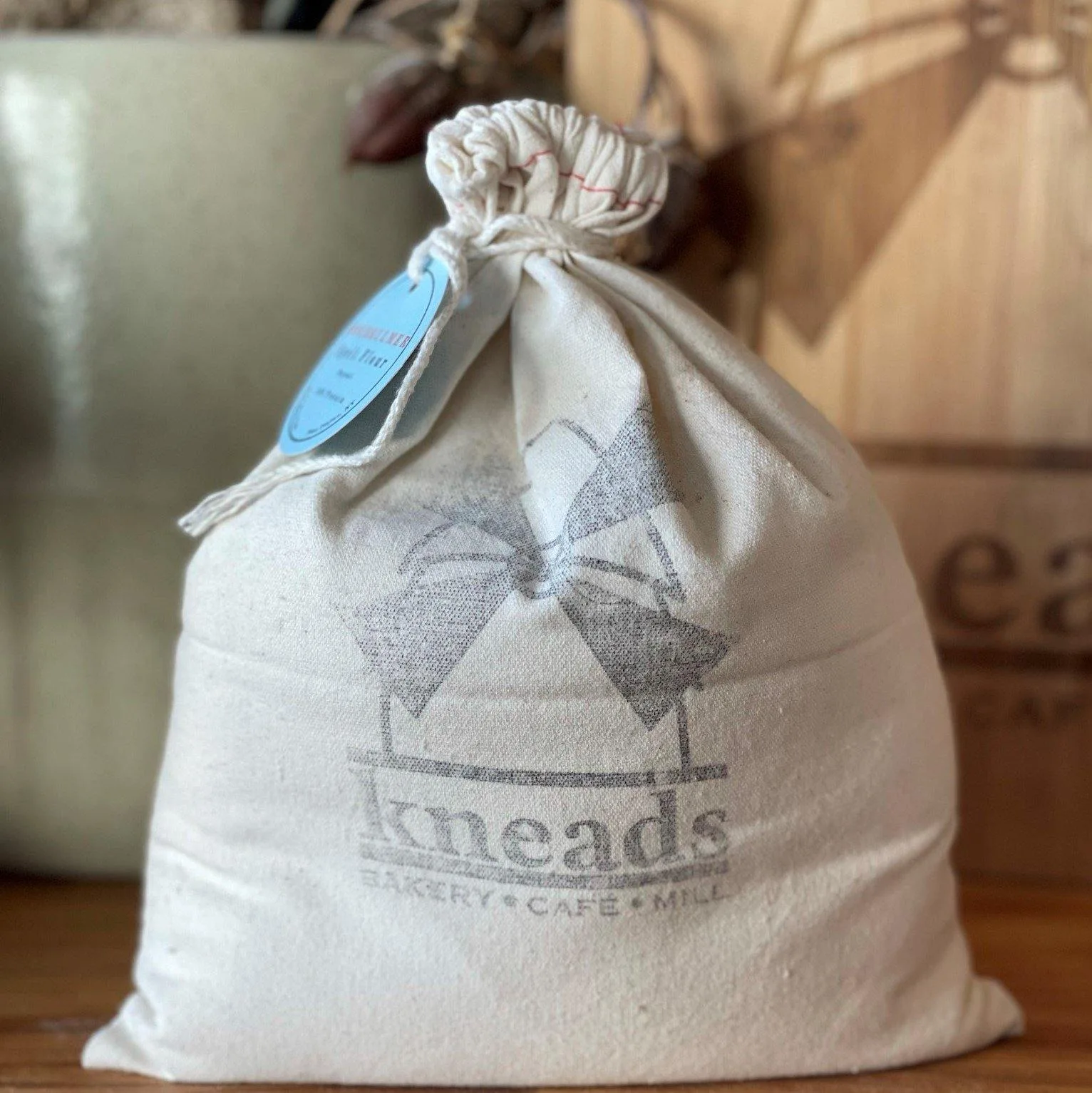
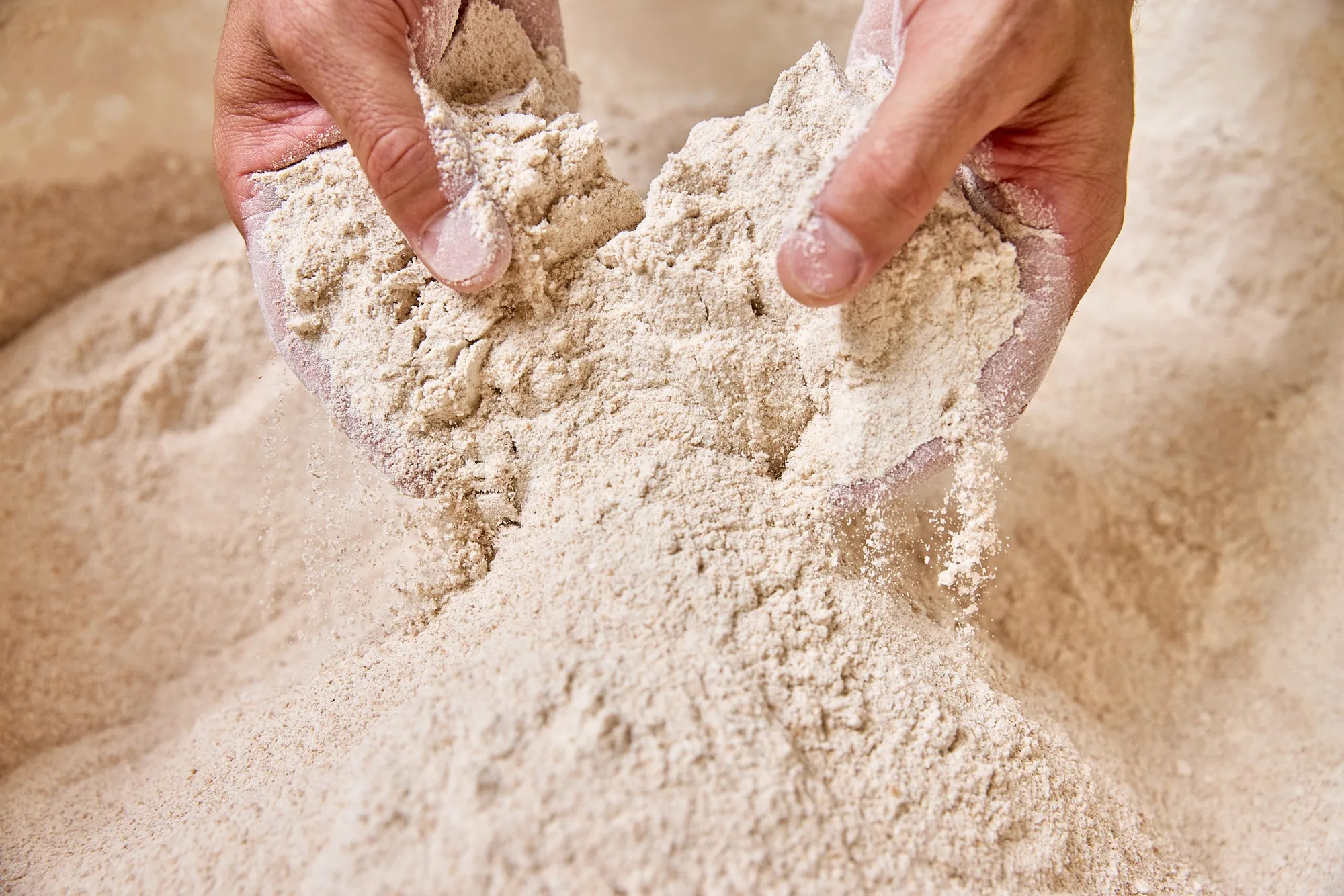
- Bulk Whole Grain Spelt Flour Organic 25#: Freshly milled whole grain spelt flour made using the in-store New American Stone Mill, sold in a bulk 25# format. A bulk flour like this suits bakers who use their sheet pans and loaf pans often and want a whole grain option on hand.
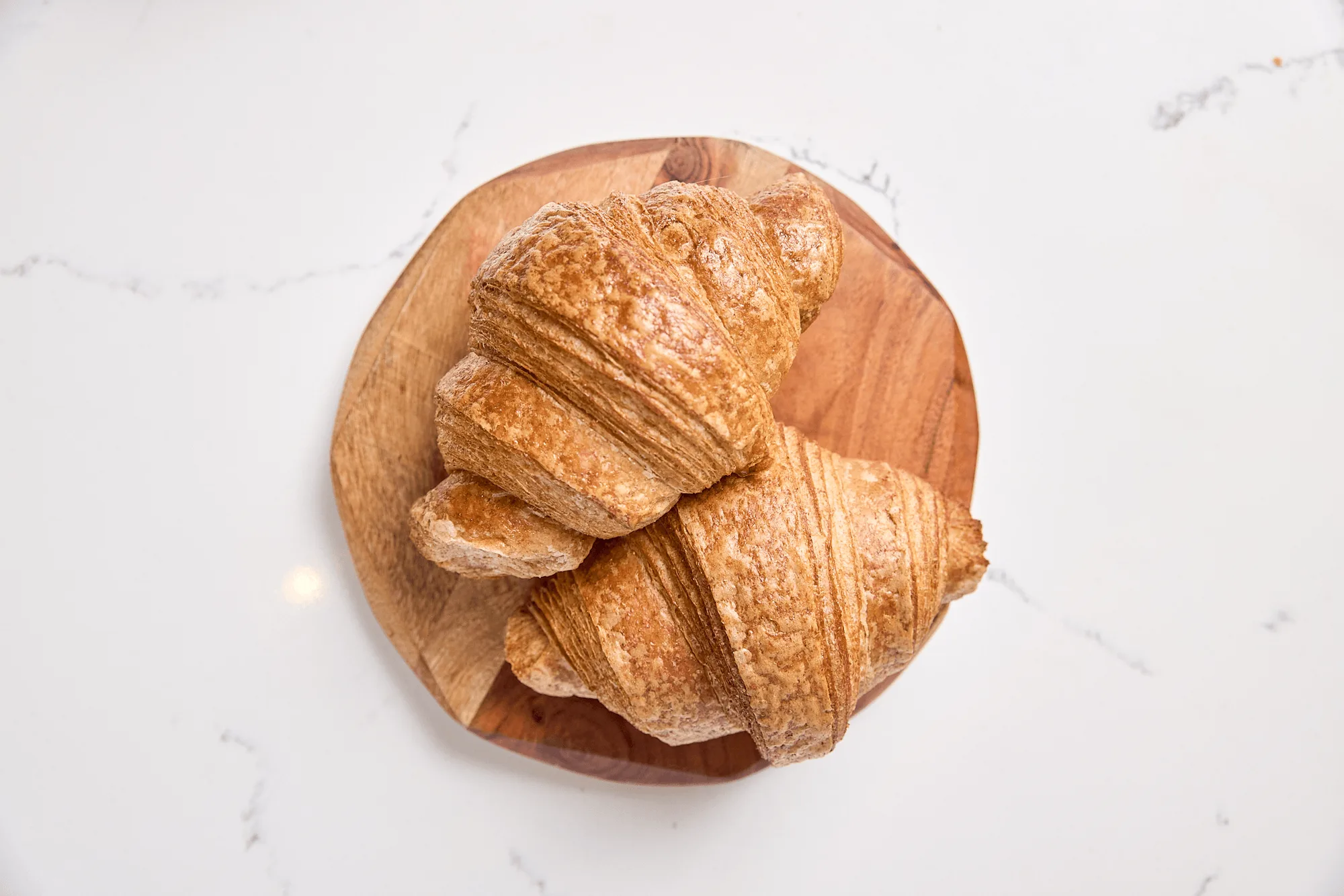
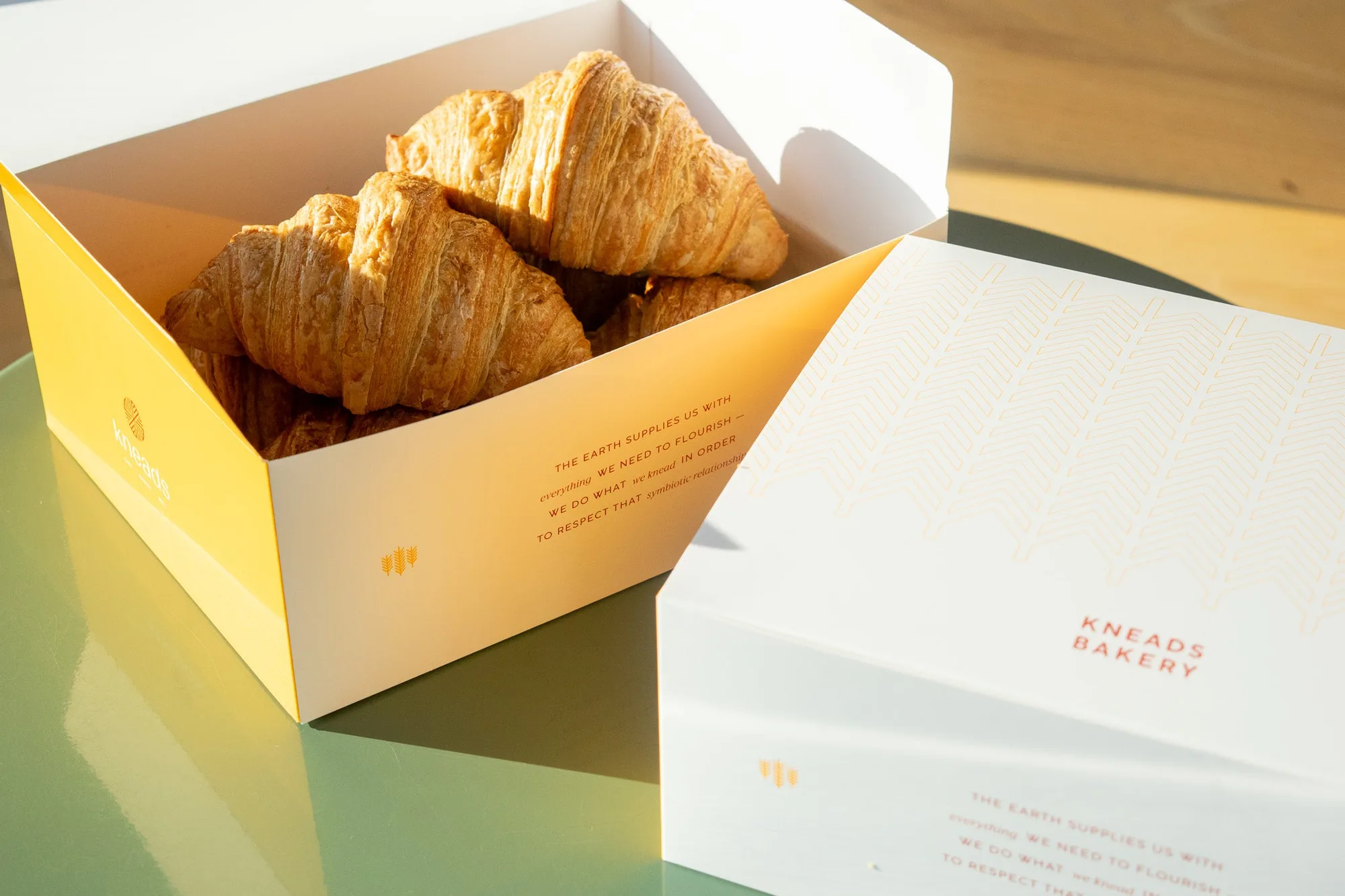
- croissant-box-d6f921f11a994a99e5a09018-1645698">Mini Croissant Box: One dozen freshly milled mini croissants per box, part of the Pastry Catering range. If you are testing whether you need a larger bakeware set, a ready-made pastry box lets you serve a crowd without buying more pans.
- Olive Ficelle: A thin, crispy bread made with a white and red wheat blend and kalamata olives, part of the Breads range. A good example of a bake that pairs with a sheet pan for reheating, showing why a rimmed pan earns its space.
Who a bakeware set is for
Best for
- Beginners building a first complete baking set
- Small kitchens where a nesting set saves space
- Bakers who make cookies, cakes, muffins, and quick breads regularly
Not for
- Bakers who already own most core pieces and need one specific pan
- Very small ovens that cannot fit a standard half sheet pan
- Bakers who only make one type of bake, such as sourdough loaves
Choose a bakeware set by fit and frequency, not by piece count. Measure your oven and storage, confirm the set includes the pieces you use weekly, and pick a material that matches your most common bakes. If a set does not clear those bars, buy individual pans and add specialty pieces only when a recipe demands them.