When it comes to making restaurant-quality pizza at home, the surface you bake on can make or break your crust. For years, ceramic pizza stones were the go-to choice for home bakers seeking a crispy bottom. But in recent years, baking steels have surged in popularity, promising faster, hotter, and crispier results. So which one should you invest in?
In this comparison, we'll break down the science behind each material, test their performance in real-world scenarios, and help you decide which surface best fits your pizza-making style. Whether you're a Neapolitan purist or a fan of thick, chewy crusts, understanding the differences between baking steel and ceramic stone is key to elevating your home pizza game.

baking steel
The Science of Heat: Why Baking Steel Wins on Conductivity
The primary difference between a baking steel and a ceramic pizza stone lies in their thermal properties. Baking steel is made from high-carbon steel, which has a thermal conductivity of about 50 W/mK—roughly 10 times higher than ceramic's 5 W/mK. This means that when you preheat your oven, the steel absorbs and transfers heat to your pizza dough much faster and more efficiently.
This high conductivity results in a quicker, more intense heat transfer to the dough's bottom, leading to a faster rise and a beautifully charred, crispy crust. In contrast, a ceramic stone stores heat well but transfers it slowly. While this can produce a decent crust, it often takes longer to achieve the same level of browning, and the bottom may not be as crisp.
For home ovens that typically top out at 500°F (260°C), a baking steel helps compensate for the lower temperature by delivering a powerful blast of heat to the dough. This is why many pizza enthusiasts consider steel the superior choice for achieving that coveted leopard-spotted crust.
- Baking steel conducts heat up to 10 times faster than ceramic.
- Faster heat transfer leads to quicker oven spring and crispier bottoms.
- Steel compensates for lower home oven temperatures.
Heat Retention and Recovery: The Stone's Strength
While steel excels at conductivity, ceramic stones are known for their excellent heat retention. A thick ceramic stone can hold a large amount of thermal energy, which helps maintain a steady temperature when you open the oven door or slide in a cold pizza. This can be beneficial if you're baking multiple pizzas in succession, as the stone doesn't lose heat as quickly as a thinner steel might.
However, modern baking steels are often thick (typically 1/4-inch or 6.35 mm) and are designed to retain heat effectively as well. For example, the Baking Steel Original is 1/4-inch thick and weighs about 15 pounds, providing substantial thermal mass. In practice, both materials can handle multiple pizzas, but steel's faster recovery time means it returns to temperature more quickly after each bake.
If you frequently bake more than two or three pizzas in one session, a steel's quick recovery might be more convenient. But if you're baking bread or other items that require prolonged, even heat, a ceramic stone's steady temperature could be an advantage.
- Ceramic stones retain heat well but recover slowly.
- Thick baking steels offer good thermal mass and faster recovery.
- Consider your baking frequency and batch size when choosing.
Crust Quality: Crispy vs. Chewy
The ultimate test of any pizza surface is the crust. A baking steel's high conductivity produces a crust that is exceptionally crispy on the bottom while remaining soft and airy inside. This is ideal for Neapolitan-style pizzas, where a blistered, leopard-spotted crust is the goal. The intense heat also helps achieve a nice char on the edges, adding a subtle smokiness.
Ceramic stones, on the other hand, tend to produce a more evenly browned, moderately crispy crust. Because the heat transfer is slower, the dough has more time to rise before the bottom sets, resulting in a slightly thicker, chewier texture. This can be desirable for New York-style or Sicilian pizzas, where a crisp-but-chewy base is preferred.
Ultimately, the choice depends on your personal preference. If you love a crackly, airy crust with deep charring, a baking steel is your best bet. If you prefer a more traditional, evenly baked crust with a bit more chew, a ceramic stone might be more to your liking.
- Steel: crispy, charred, leopard-spotted crust.
- Stone: even browning, moderate crispness, chewy texture.
- Choose based on your preferred pizza style.
Durability and Maintenance: Steel is Built to Last
Ceramic stones are notoriously fragile. They can crack if subjected to sudden temperature changes, such as placing a cold pizza on a hot stone or washing it with cold water while it's still warm. Even with careful handling, many home bakers report their stones cracking after a few months of use. This can be frustrating, especially if you've invested in a high-quality stone.
Baking steels, in contrast, are virtually indestructible. They are made from solid steel and can withstand extreme temperature fluctuations without damage. They also double as a griddle for stovetop cooking, making them a versatile addition to your kitchen. The main maintenance requirement is seasoning the steel to prevent rust and maintain a non-stick surface, but this is a simple process that becomes easier with use.
If you're looking for a long-term investment, a baking steel is clearly the more durable option. Not only will it last for years, but it can also replace multiple pieces of cookware, saving you money in the long run.
- Ceramic stones are prone to cracking from thermal shock.
- Baking steel is durable, versatile, and long-lasting.
- Steel can be used as a griddle, adding extra value.
Versatility and Additional Uses
Beyond pizza, both surfaces can be used for baking bread, roasting vegetables, and even cooking meats. However, baking steel offers a unique advantage: it can be used on a stovetop as a griddle. This means you can sear steaks, cook pancakes, or make quesadillas on the same surface you use for pizza. The Baking Steel Griddle is specifically designed for this purpose, but even the original Baking Steel can be placed over a burner to create a flat-top cooking surface.
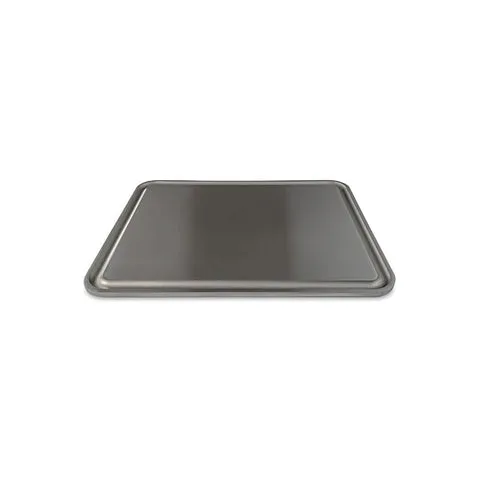
The Baking Steel Griddle
Ceramic stones are limited to oven use and cannot withstand direct flame or stovetop heat. They are also heavier and more cumbersome to move around. If you value multi-functionality, a baking steel is the clear winner.
Additionally, baking steels come in various sizes to fit different ovens and cooking styles. For instance, the Baking Steel Mini is perfect for small ovens or for use as a personal-sized pizza steel, while larger options accommodate bigger pizzas and more ambitious baking projects.
- Baking steel doubles as a stovetop griddle.
- Ceramic stones are oven-only.
- Multiple sizes available to suit your needs.
Price and Value: What Are You Paying For?
Ceramic pizza stones are generally more affordable than baking steels, with prices ranging from $30 to $60 for a good-quality stone. Baking steels, on the other hand, typically cost between $80 and $150, depending on size and thickness. This price difference can be a deciding factor for budget-conscious home cooks.
However, when you consider durability and versatility, a baking steel offers better long-term value. A steel will last for decades, while a stone may need to be replaced every few years. Moreover, the superior crust quality that steel provides can elevate your homemade pizza to a level that rivals your local pizzeria, which is priceless for pizza enthusiasts.
If you're just starting out and want to test the waters, a ceramic stone is a low-risk entry point. But if you're serious about perfecting your pizza, investing in a high-quality baking steel is worth every penny.
- Ceramic stones are cheaper upfront.
- Baking steel offers better long-term value due to durability.
- Consider your budget and commitment to pizza-making.
How to Get the Most Out of Your Baking Steel
If you decide to go with a baking steel, there are a few tips to ensure you get the best results. First, preheat your steel for at least 45 minutes to an hour at the highest temperature your oven allows. This ensures the steel is fully saturated with heat. Second, use a pizza peel to transfer your pizza onto the steel quickly, minimizing heat loss. A wooden peel like The 16" Pizza Peel – Cherry Wood is ideal for launching pizzas without sticking.
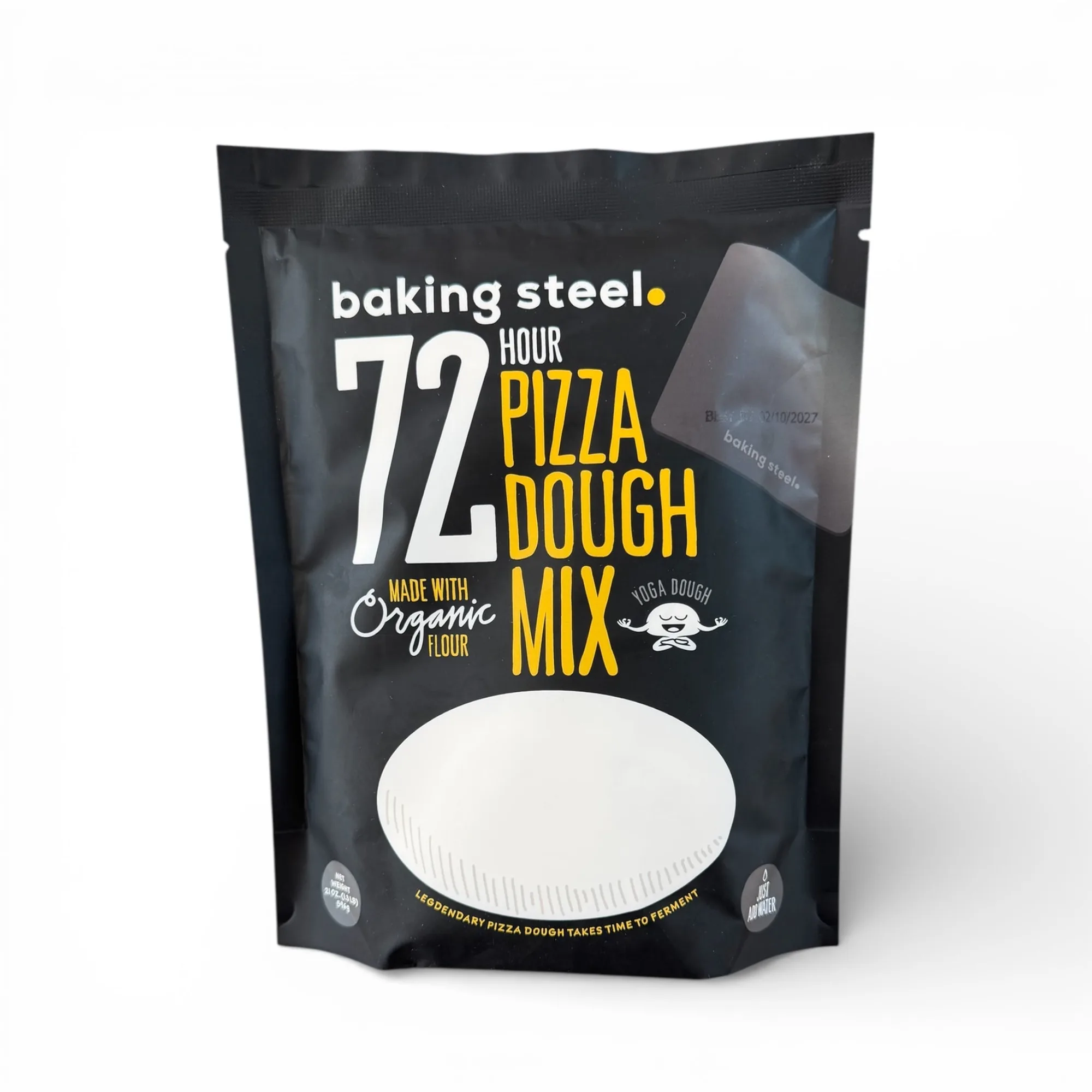
Third, consider using a dough that is formulated for high-heat baking. The 72-Hour Pizza Dough Mix — Just Add Water is a convenient option that yields a flavorful, airy crust. Finally, don't forget to season your steel regularly to maintain its non-stick surface and prevent rust. With proper care, your baking steel will serve you for years.
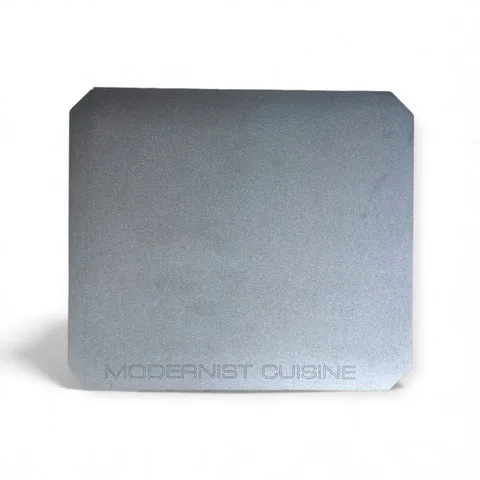
For those who want to take their pizza game even further, pairing a baking steel with a pizza oven like the Ooni can produce incredible results. The Baking Steel Modernist Cuisine Special Edition is designed for high-performance baking and is a favorite among serious pizza makers.
- Preheat steel for at least 45 minutes.
- Use a wooden peel for easy pizza transfer.
- Opt for high-hydration dough for best results.
In the battle of baking steel vs. ceramic pizza stone, the winner ultimately depends on your priorities. If you crave a crispy, charred crust and want a durable, versatile tool that will last a lifetime, a baking steel is the clear choice. If you're on a tight budget or prefer a softer, chewier crust, a ceramic stone may suffice. But for those who are serious about achieving restaurant-quality pizza at home, upgrading to a baking steel is a game-changer. Explore the original Baking Steel to see how it can transform your pizza-making experience.