Quick answer
Beet root extract and L-arginine both support nitric oxide production and blood flow, but they work differently. Beet root provides dietary nitrates that convert to nitric oxide, while L-arginine is an amino acid that directly fuels the nitric oxide pathway. For sustained blood flow support with added antioxidants, beet root is a strong choice. For a direct precursor approach, L-arginine may be preferred.
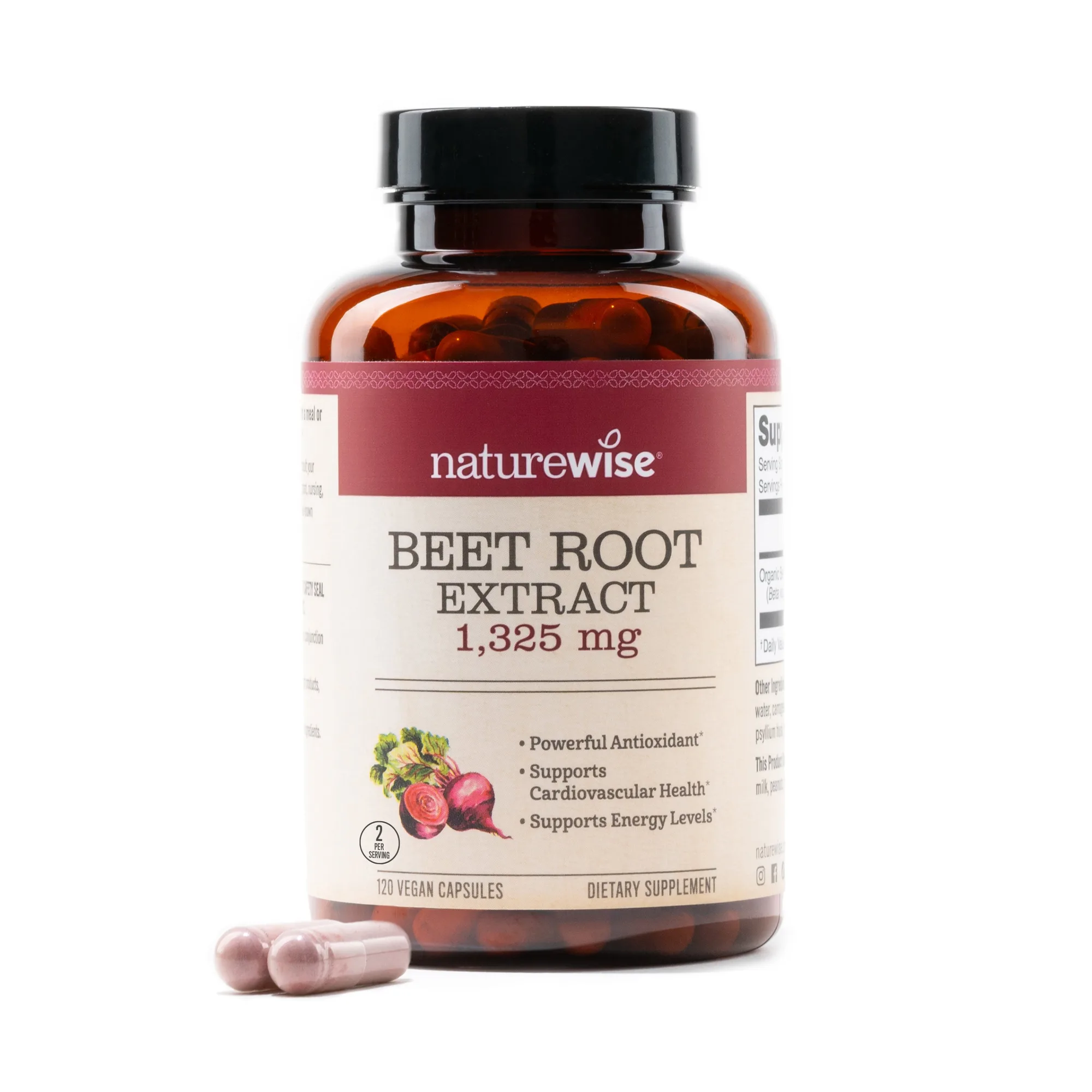
Beet root
How each supports nitric oxide production
Beet root extract is rich in dietary nitrates. Once consumed, your body converts these nitrates into nitric oxide, a molecule that relaxes blood vessels and improves circulation. This process is efficient and also provides antioxidant compounds that support overall vascular health. L-arginine, on the other hand, is an amino acid that your body uses directly to produce nitric oxide via the enzyme nitric oxide synthase. While both pathways lead to the same outcome, beet root offers a nitrate-to-nitrite route that may be more effective for some people, especially those with certain health conditions or who are older.
Considerations for pre-workout and daily use
For pre-workout purposes, beet root extract is often favored because its nitrate content can improve exercise performance and delay fatigue. It's also a natural pre-workout alternative without stimulants. L-arginine is also used pre-workout, but some people experience digestive discomfort at effective doses. For daily blood flow support, both can be effective, but beet root provides additional antioxidants that may benefit long-term cardiovascular health. L-arginine may be more suitable for those who need a direct nitric oxide precursor and tolerate amino acid supplements well.
Beet root vs L-arginine: tradeoffs
- Nitric oxide pathway: Beet root uses dietary nitrates; L-arginine uses direct amino acid conversion. Beet root may be more effective for sustained NO production.
- Digestive tolerance: Beet root is generally well-tolerated; L-arginine can cause bloating or diarrhea at higher doses. Beet root is gentler on the stomach.
- Additional benefits: Beet root provides antioxidants and may improve exercise performance; L-arginine is a direct precursor but lacks extra nutrients. Beet root offers broader health support.
Product facts at a glance
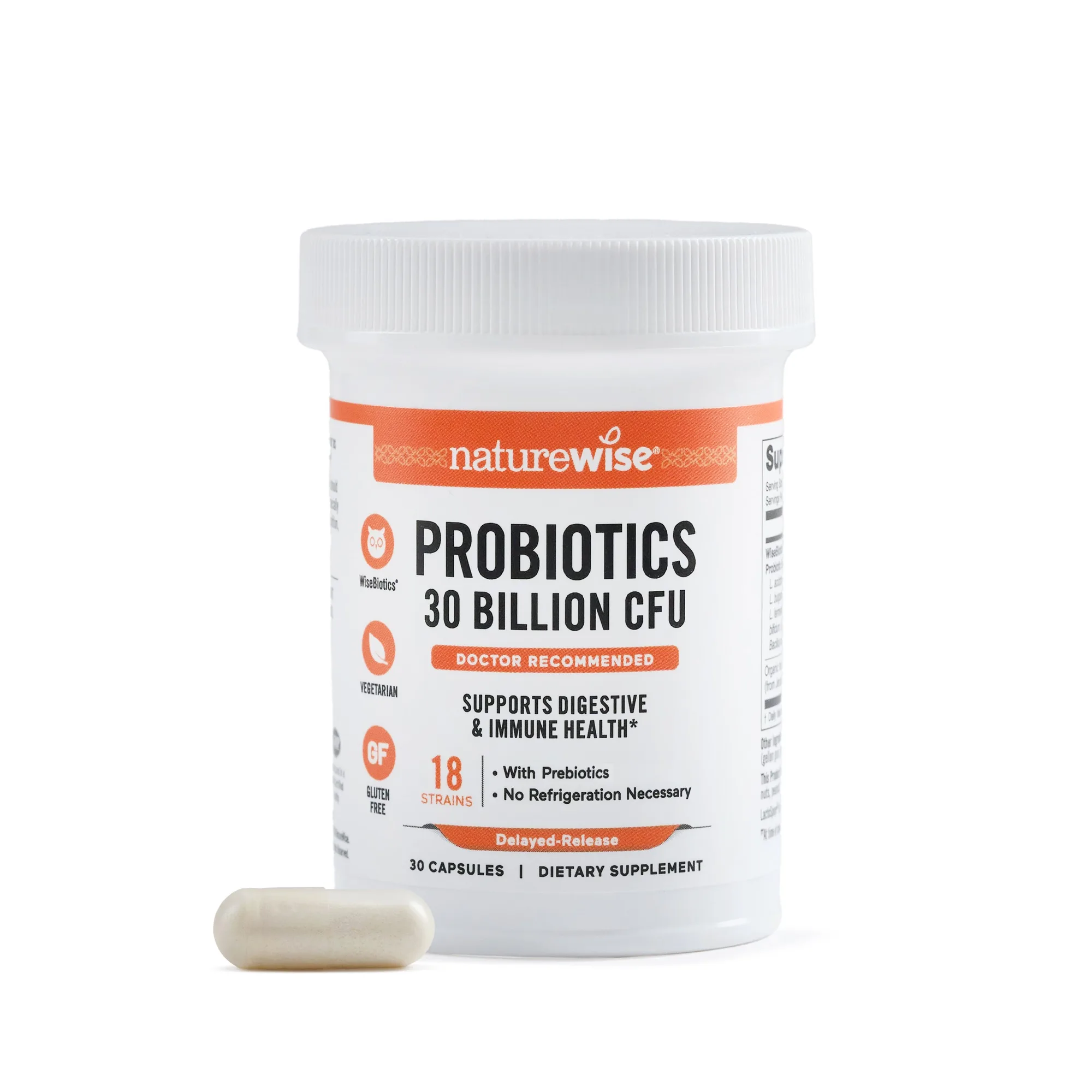
- Max Care Probiotics: Made with organic prebiotics. Delayed-release capsule. Vegetarian. Serving size of 1 capsule. Supports: Digestion, Gut Health, Immune System. Contains 30 billion CFU of 18 different live strains. While not directly a nitric oxide booster, a healthy gut microbiome supports nutrient absorption and overall wellness, which can complement blood flow support.
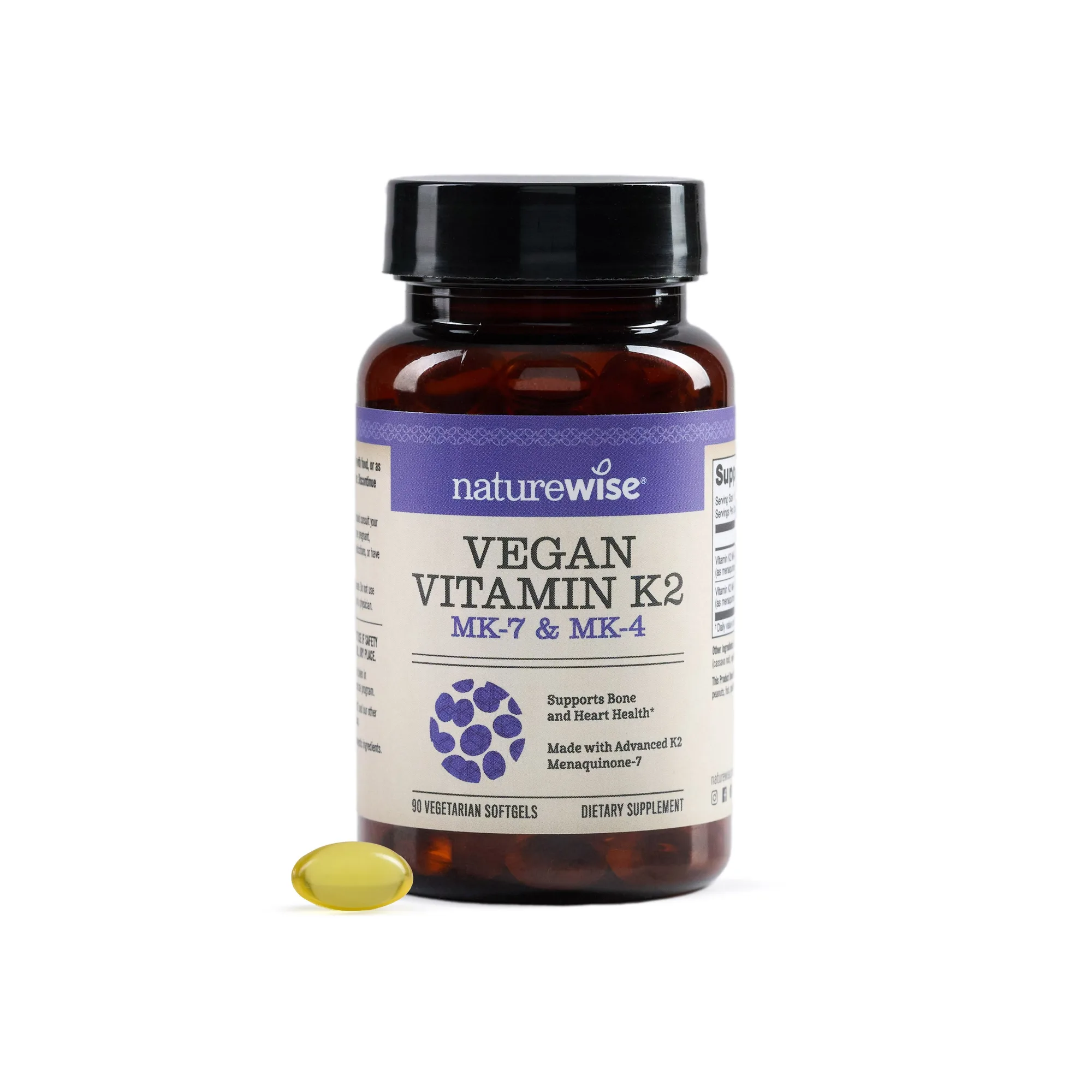
- Vegan Vitamin K2 Softgels: 100 mcg of MK-7 and 500 mcg of MK-4. Vegan. Supports bone health and calcium absorption. Vitamin K2 works alongside blood flow by helping calcium deposit in bones rather than arteries, supporting cardiovascular health indirectly.
Which should you choose?
Best for
- Those seeking a natural pre-workout alternative with added antioxidants
- Individuals who want sustained blood flow support without digestive issues
Not for
- People who need a direct nitric oxide precursor and tolerate amino acid supplements well