Quick Answer
Yes, playing board games offers measurable mental health benefits. They engage your brain in problem-solving, provide a healthy escape from daily stressors, and create meaningful social interactions that combat loneliness. Whether you're looking to sharpen your mind or unwind, regular board game sessions can be a valuable part of a balanced wellness routine.
In our fast-paced, screen-dominated world, finding activities that genuinely support mental well-being is more important than ever. Board games offer a unique combination of cognitive engagement, social connection, and stress relief that few other hobbies can match. While they're often seen as pure entertainment, research and anecdotal evidence suggest they can be powerful tools for maintaining and improving mental health.
This article answers common questions about how board games affect your brain and emotions. We'll explore the science-backed benefits, practical ways to maximize them, and considerations for using games as part of a mindful lifestyle.
How Do Board Games Improve Cognitive Function?
Board games are like a workout for your brain. Many games require strategic planning, memory recall, and quick decision-making. For example, games that involve resource management or route building, like 'Elfenroads', force you to think several steps ahead and adapt to changing circumstances. This type of mental exercise can help improve problem-solving skills and keep your mind sharp.
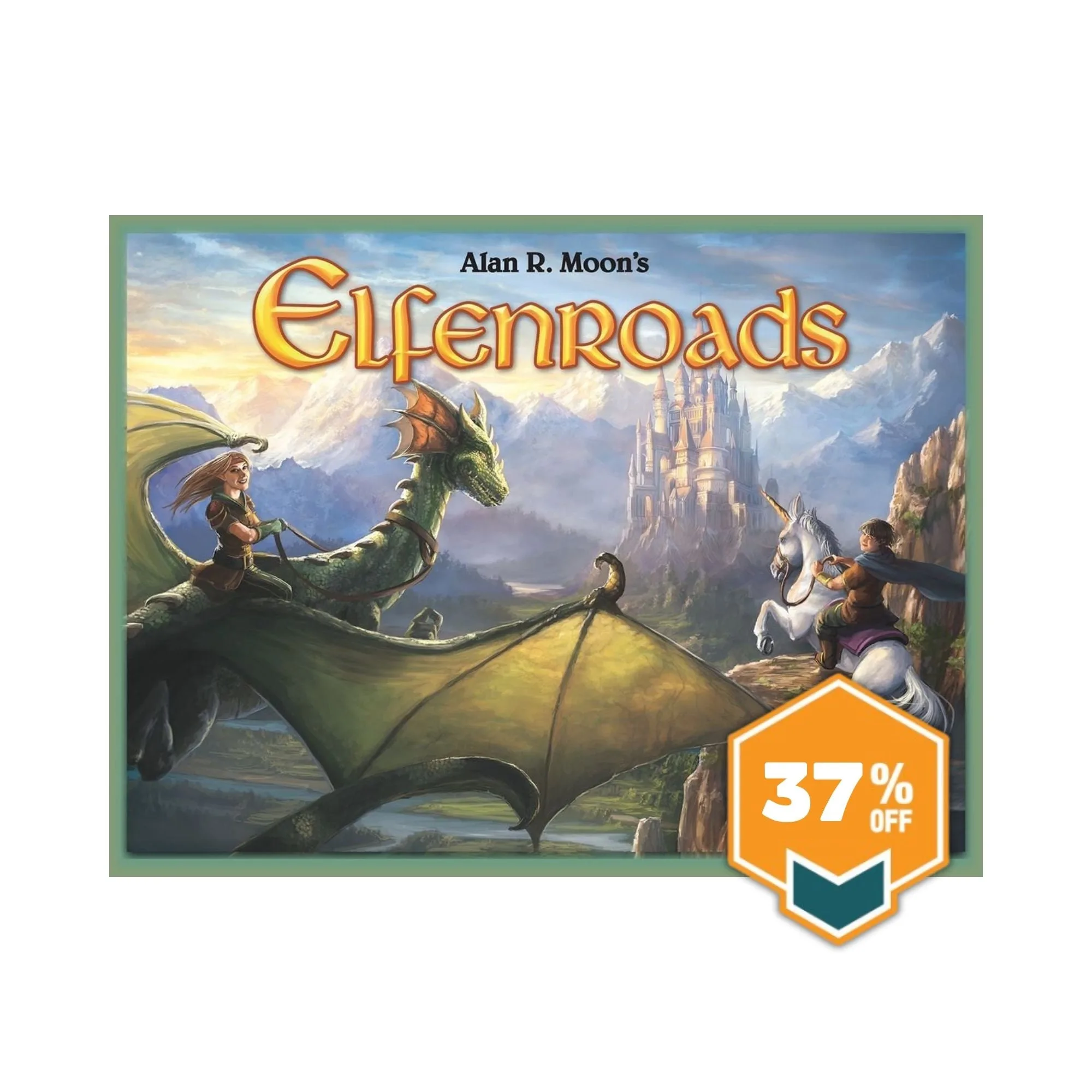
Elfenroads
Additionally, games that involve deduction or pattern recognition stimulate different parts of the brain. A game like 'Mr. Lovenstein Presents: No Context' challenges you to make creative connections and read other players' thought processes, which exercises both logical and creative thinking. Regularly engaging in these activities may help maintain cognitive function as you age.
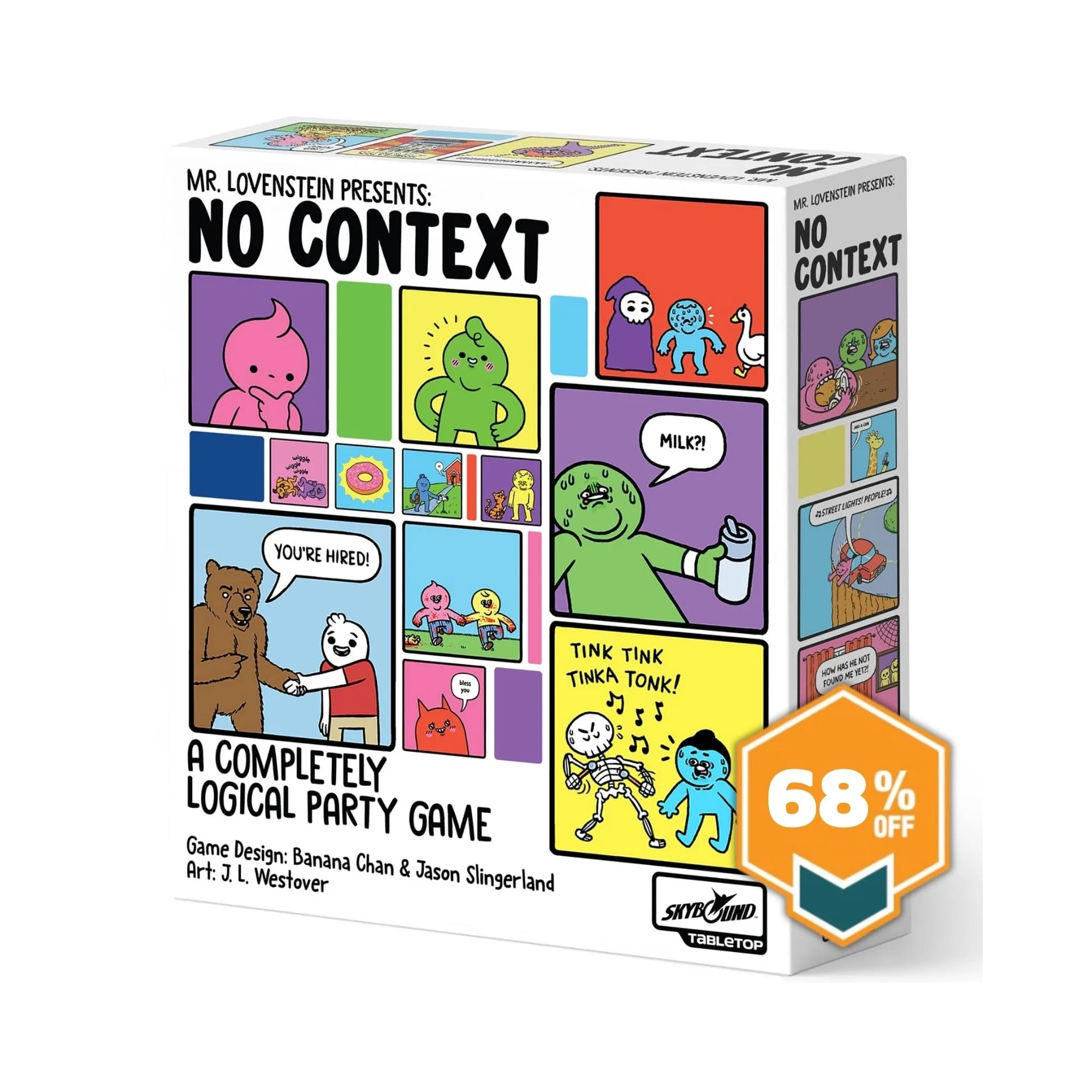
Mr. Lovenstein Presents: No Context
- Choose games that require planning and adaptation to boost strategic thinking.
- Mix game types to challenge different cognitive skills, from memory to logic.
- Play regularly to keep your brain active and engaged.
Can Board Games Help with Stress Relief?
Board games provide a welcome break from screens and daily pressures. Focusing on a game can act as a form of mindfulness, pulling your attention away from worries and into the present moment. The tactile nature of moving pieces and rolling dice adds a sensory grounding element that digital games often lack.
Games with simple, repetitive mechanics, like 'Last One Lost', can be especially soothing. Its compact, quiet design makes it easy to play anywhere, offering a quick mental reset during a busy day. Taking time to play a game with friends or family can also lower stress by fostering laughter and connection.
- Schedule a regular game night to create a predictable break from stress.
- Opt for games with simple rules when you need low-effort relaxation.
- Combine board game sessions with a cup of tea or calming music to enhance the effect.
How Do Board Games Enhance Social Connections?
Human beings are social creatures, and strong social ties are linked to better mental health. Board games naturally bring people together, encouraging communication, cooperation, and friendly competition. Unlike passive activities like watching TV, games require active interaction, which can deepen relationships and build new ones.
Games like 'Clacks: A Discworld Board Game' are designed for group play, often involving negotiation and teamwork. Even competitive games foster social bonding through shared experiences and inside jokes. For those who feel isolated, joining a board game group can be a low-pressure way to meet like-minded people.
- Invite friends for a regular game night to strengthen bonds.
- Consider joining a local board game meetup to expand your social circle.
- Choose cooperative games to build trust and teamwork.
Frequently Asked Questions
How often should I play board games to see mental health benefits?
Even a single session can provide immediate stress relief and social connection. For long-term cognitive benefits, aim for at least one or two sessions per week. Consistency matters more than duration. Start with a weekly game night and adjust based on your schedule.
Are competitive games as beneficial as cooperative ones?
Both have advantages. Competitive games can boost strategic thinking and resilience, while cooperative games enhance teamwork and communication. Mixing both types provides a balanced mental workout. Alternate between competitive and cooperative games to reap different benefits.
Can board games replace therapy for mental health issues?
No. Board games are a complementary activity, not a substitute for professional treatment. They can support well-being but should not replace therapy or medication if needed. Use board games as part of a holistic self-care routine, and seek professional help when necessary.
Board Games to Boost Your Mental Well-being
- Elfenroads: Elfenroads combines Elfenland and Elfengold, along with the new Elfensea. In Elfenland, young elves must visit as many towns as possible using various transportation types. This game's strategic route-planning and resource management provide excellent cognitive exercise, helping you practice forward-thinking and adaptability.
- Mr. Lovenstein Presents: No Context: In No Context, you'll be making connections using random art from the fabulous Mr. Lovenstein. Lead your opponents to guess your card while deducing your opponent's cards. This party game encourages creative thinking and social deduction, making it a fun way to engage your brain and connect with others.
- Last One Lost - Yellow: Last One Lost is compact and has no loose or noise-making pieces, making it ideal for playing in a car, bus, or plane, in a restaurant or at school. Its portability and simple pressing mechanic offer a quick, tactile stress-relief activity that you can enjoy almost anywhere.
Board games are more than just a pastime—they're a valuable tool for nurturing your mental health. From sharpening your cognitive skills to providing a welcome escape from stress and fostering meaningful connections, the benefits are clear. So gather your friends, pick a game, and give your brain the treat it deserves.