Quick Answer
Successful board game Kickstarters typically combine a clear, compelling concept with strong visual presentation, transparent communication, and a well-planned reward structure. They also build community before launch and deliver on promises, turning backers into loyal advocates.
Crowdfunding has transformed the board game industry, allowing independent designers to bring ambitious ideas to life. But with thousands of campaigns launched each year, what separates those that fund quickly from those that fizzle?
By examining patterns from successful projects, we can identify key ingredients that resonate with backers. This article answers common questions about what makes a board game Kickstarter work, offering insights for both creators and backers.
What Makes a Board Game Kickstarter Successful?
Successful campaigns often start with a strong hook: a unique theme, innovative mechanics, or a compelling story. For example, games like Worms: The Board Game leverage an existing franchise to attract a built-in audience. Clear, high-quality visuals are crucial, as backers need to see the game in action to feel confident.
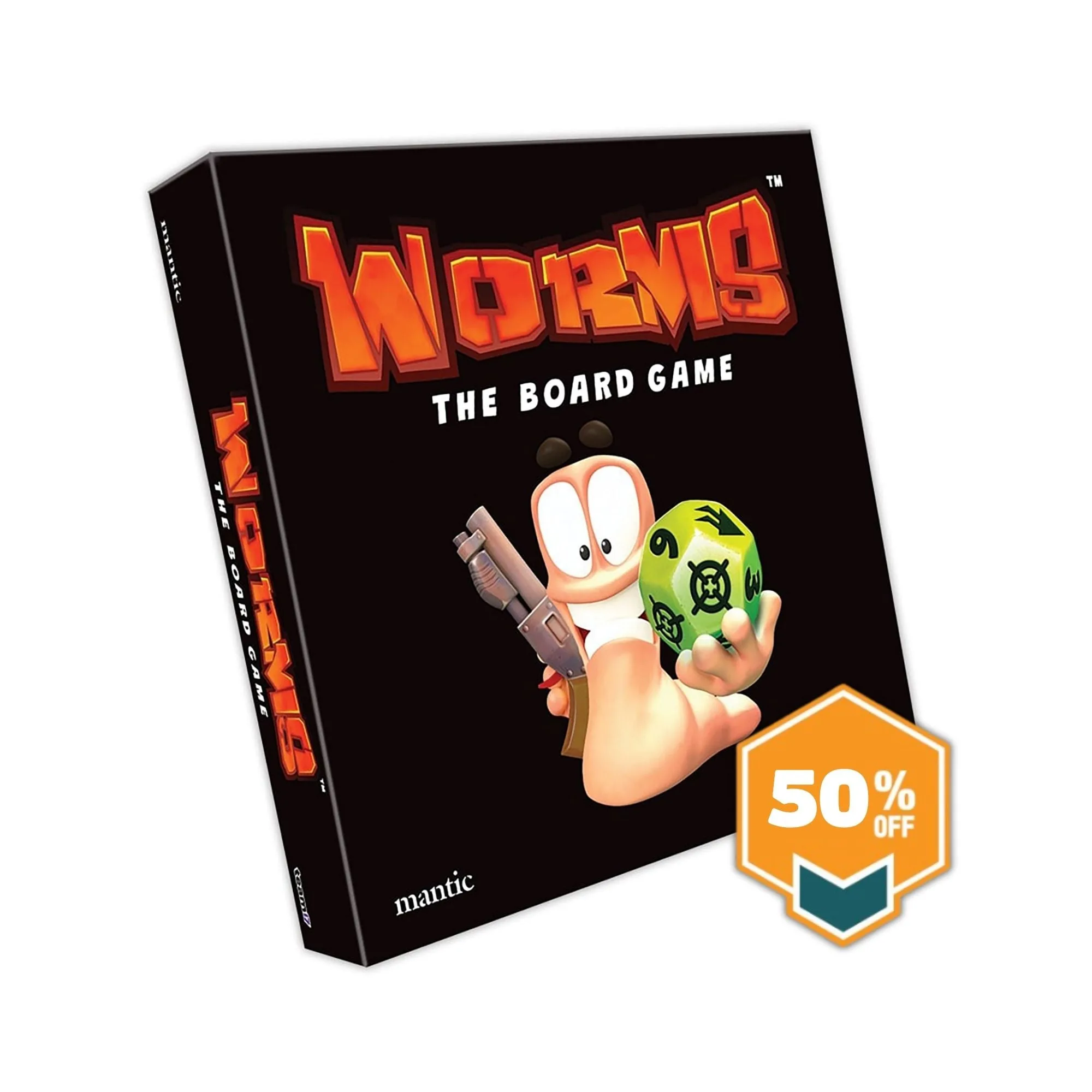
Worms: The Board Game
Equally important is a realistic funding goal that covers production and shipping. Overly ambitious goals can scare off backers, while low goals may signal lack of planning. Successful creators also offer transparent budgets and timelines, building trust from the start.
- Develop a prototype and playtest thoroughly before launching.
- Invest in professional photos and videos that showcase gameplay.
- Set a funding goal that reflects actual costs, not just a dream number.
How Important is Community Building Before Launch?
Community is often the difference between a campaign that funds and one that stalls. Successful creators engage with potential backers months before launch, sharing progress, soliciting feedback, and building an email list. This creates an audience ready to pledge on day one, which helps build momentum and attract new backers.
Social media, board game forums, and local meetups are all valuable channels. Creators who listen to their community and incorporate feedback often see higher satisfaction and repeat support. As one creator noted, 'Your backers are your first playtesters and your best marketers.'
- Start building an audience 3-6 months before your campaign.
- Offer a newsletter or Discord server for behind-the-scenes updates.
- Engage with comments and incorporate community suggestions.
What Role Do Rewards and Stretch Goals Play?
Rewards should provide genuine value without overwhelming the creator. Popular tiers include the base game, deluxe editions with upgraded components, and exclusive promos. Stretch goals can generate excitement, but they must be achievable and not delay fulfillment.
Successful campaigns often use stretch goals to unlock new content, such as expansions or miniatures, rather than just add-ons. This keeps backers engaged and encourages them to spread the word. However, overpromising can lead to delays and disappointment, so it's crucial to plan carefully.
- Design reward tiers that are simple and easy to understand.
- Use stretch goals to add value without compromising quality.
- Set realistic stretch goals based on production capacity.
Frequently Asked Questions
What is the average success rate for board game Kickstarters?
While exact numbers vary, the tabletop category has a higher success rate than many others, often above 50%. However, success depends on preparation, community, and execution. Don't rely on luck; plan thoroughly.
How long should a campaign last?
Most successful campaigns run 30-45 days. Shorter campaigns create urgency, while longer ones risk losing momentum. Many creators now prefer 30 days to maintain hype. Consider a 30-day campaign to keep energy high.
What are the biggest pitfalls to avoid?
Common mistakes include underestimating shipping costs, overpromising stretch goals, and neglecting communication after funding. These can lead to delays and backer dissatisfaction. Budget realistically and communicate openly.
Products That Exemplify Success Factors
- Worms: The Board Game: WORMS: THE BOARD GAME - Grab your friends and unleash classic weapons, sneaky tactics and all-out hilarious multiplayer mayhem! Worms the Board Game is a hilarious tabletop game for 2 to 4 players incorporating all the fun and shenanigans from the classic video game that we all know and love. This game shows how a familiar franchise can attract backers instantly, demonstrating the power of a strong hook.
- Spyfest: Welcome one and all to Spyfest, the largest super spy convention in the world! You are here to get a precious piece of secret information, but there is a complication: Everyone is wearing a costume, and you don't know who your source is. Find your spy by listening and talking to the visitors, but you have to remember that the interceptors are on site, too, and they might get ahead of you and unveil your spy before... Spyfest's unique social deduction theme exemplifies how a novel concept can create buzz, a key ingredient for crowdfunding success.
Successful board game Kickstarters are built on clear vision, community engagement, and honest planning. Whether you're a creator or a backer, understanding these principles can lead to more rewarding crowdfunding experiences. For more insights and to discover innovative games, explore our collection.