Quick answer
Cut setup time by storing each game in the order you will unpack it, pre-sorting components into labeled trays or bags, and assigning one person to run a fixed table-prep checklist. The goal is not to rush the rules; it is to make the physical layout repeatable so the first turn starts sooner.
Complex board games ask a lot before the first turn: decks to shuffle, tokens to sort, miniatures to place, and player boards to stock. That pre-game work is real, and it is often the reason a heavy game stays on the shelf on a weeknight. The good news is that most of that time is not the game's fault. It is the storage and table routine around it.
This guide gives you an ordered process you can reuse for almost any dense box, from card-driven skirmish games to campaign co-ops. Each step includes a common mistake to avoid, so you can test the routine once and keep the parts that actually save you minutes. The examples come from games we carry, but the method works across publishers.
Start with a reset, not a rebuild
Before you optimize anything, play the game once and then put it away deliberately. That means sorting every deck, bagging every token type, and noting which components hit the table first. Most setup time is lost because the previous session ended in a pile, not because the game is complicated. A clean reset turns the next setup into a short unpack instead of a scavenger hunt.
Use this reset to decide what belongs together. Components that always enter play at the same moment should live in the same bag or tray. Components that only appear in later scenarios can move to the bottom of the box. This one decision does more for board game setup time than any insert you can buy.
- Common mistake: reorganizing by component type instead of by when it enters play.
- Checkpoint: after reset, you should be able to name the first three things you will place on the table.
Pre-sort into labeled bags or trays
Labeled storage is the single biggest lever for complex board game setup tips. A deck of cards in a bag is fine; a bag labeled 'Round 1 market' is faster because it removes a decision. If your game has distinct factions, player colors, or scenario decks, give each one its own container and keep the label visible from above.
For games with miniatures and trays, setup and teardown speed often comes from the insert itself. Maximum Apocalypse 2E is a useful example: the core set includes the miniatures and trays that make setup and teardown fast. That is not a marketing claim, it is a physical difference you feel when you are trying to get six players seated.
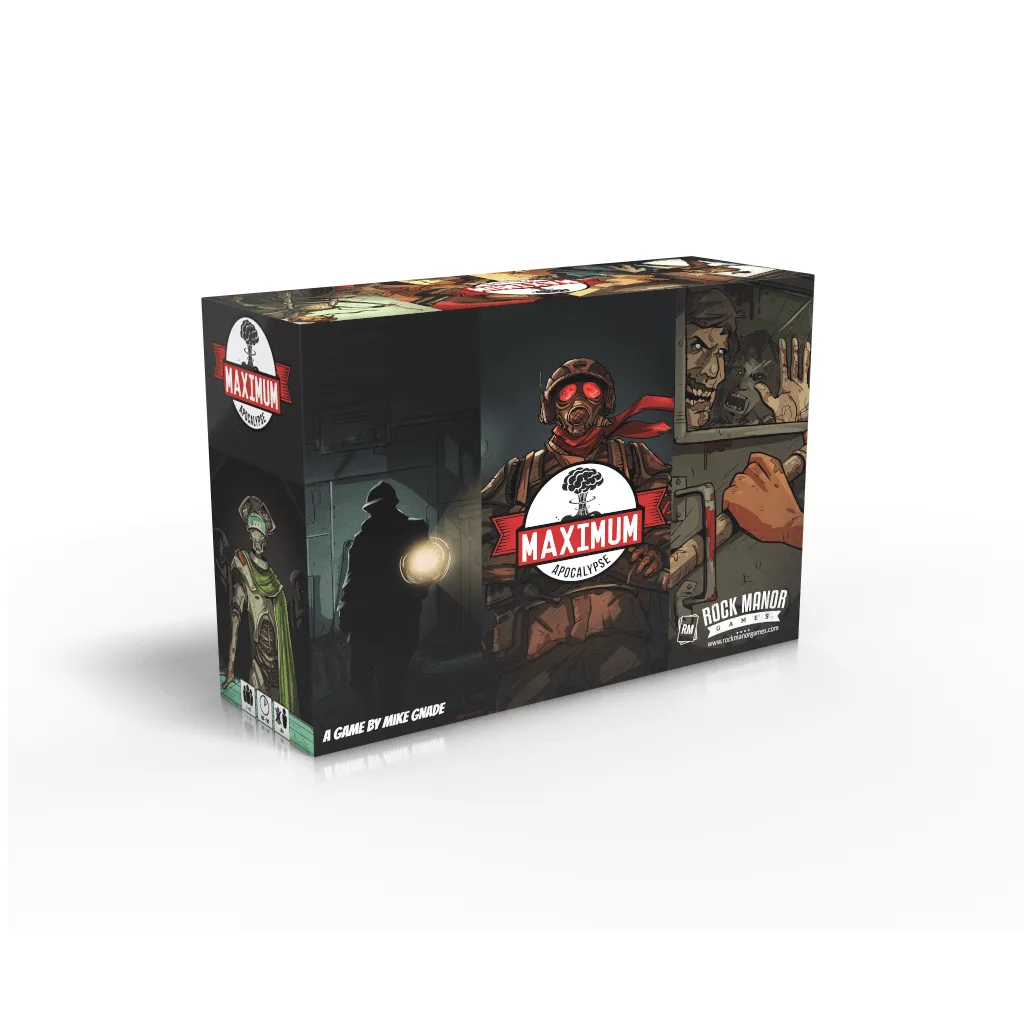
Maximum Apocalypse 2E
- Common mistake: using one large bag for all tokens, which forces a sorting step every game.
- Checkpoint: every container should be readable without opening it.
Build a one-page table-prep checklist
Write down the exact order you place things: board, then shared decks, then player boards, then tokens. Keep it to one page and tape it inside the lid. This turns board game table prep into a routine that any player can run, not a ritual only the owner knows. It also makes teaching easier because the table matches the rulebook's layout.
Assign roles before anyone sits down. One person handles the shared board, one handles player components, and one shuffles. Parallel work beats a single person doing everything while four people watch. The checklist is the script; the roles are the crew.
- Common mistake: letting the owner do all setup while others wait, which adds social downtime on top of physical downtime.
- Checkpoint: a new player should be able to run the checklist with no verbal instructions.
Match the setup plan to the game's structure
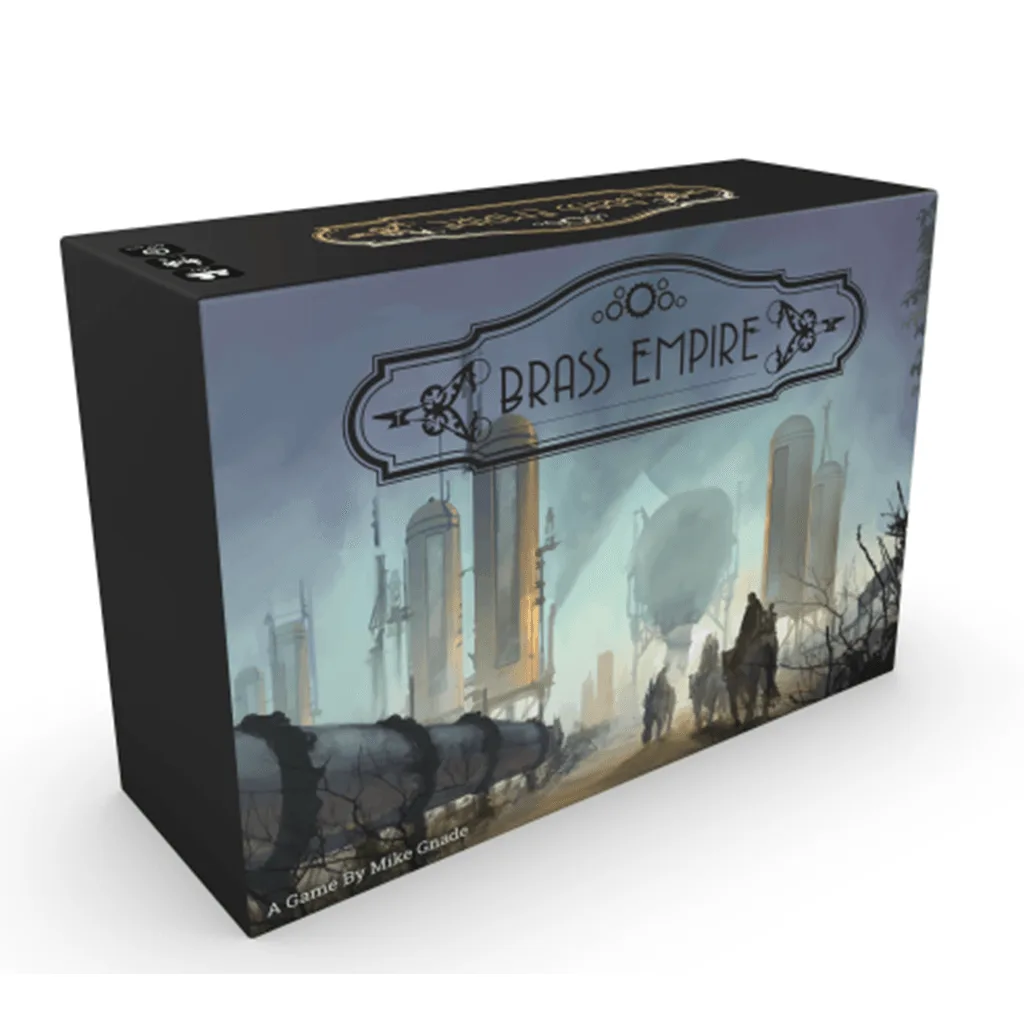
Different games front-load different things. A deckbuilder like Brass Empire, where 1-5 players battle and sabotage other companies to amass economic wealth and influence, lives or dies on how fast the market and starting decks are ready. A naval skirmish game like Seas of Havoc, for 1-5 players, needs each captain's unique movement deck and ship board set before the first shot, so pre-building those per player saves the most time.
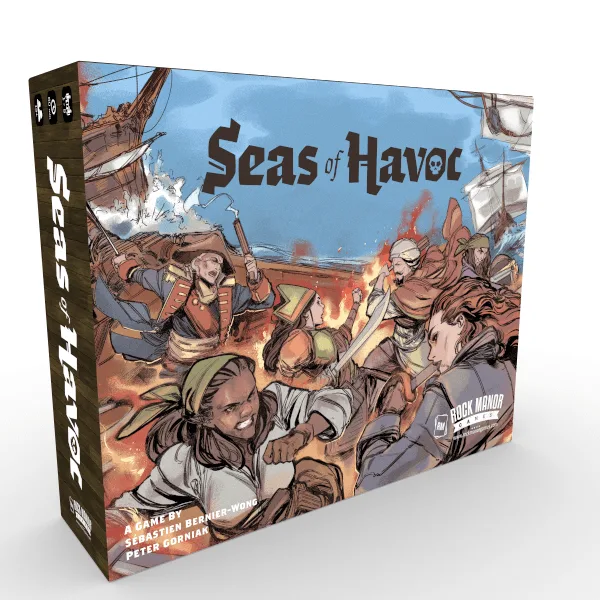
Seas of Havoc
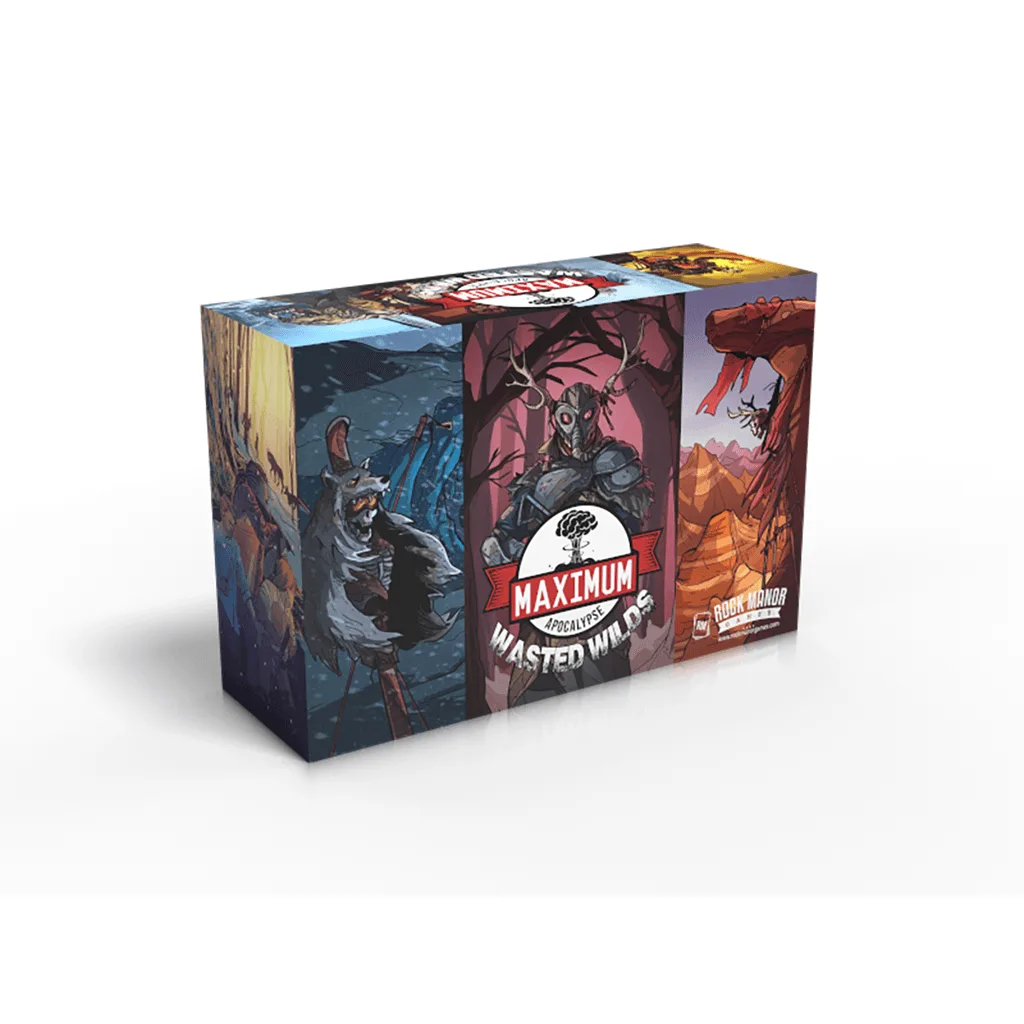
Campaign and scenario games reward a different habit: stage only the components for the current scenario. Maximum Apocalypse: Wasted Wilds adds two distinct campaigns with new twists around exposure and survivor interactions, so pulling the whole box apart every session is wasted effort. Set out the scenario's locations, creatures, and items, and leave the rest sealed.
- Common mistake: setting up the entire box when the scenario only needs a fraction of it.
- Checkpoint: if a component is not referenced in the first two rounds, it should not be on the table yet.
Use the first play to tune the system
After one session with the new routine, note the two slowest moments. Maybe it was finding the right dice, or matching crew to stations in a game like StarDriven: Gateway, where you manage a crew and assign them to stations across varied scenarios. Those friction points tell you what to re-bag or re-label next time.
Keep the changes small. One new label or one moved tray per session is enough. If you overhaul everything at once, you will not know which change actually helped, and you will likely create a new sorting problem.
- Common mistake: buying an insert before you know which components actually slow you down.
- Checkpoint: track setup time for three sessions; if it is not dropping, change the storage order, not the box.
The seven-step setup routine
- Reset the box after every session: Sort decks, bag tokens by when they enter play, and return everything to its labeled home before the box goes on the shelf. Checkpoint: the next setup should be unpacking, not sorting.
- Label containers by function, not by type: Use 'Round 1 market' or 'Player 3 fleet' instead of 'cards' or 'tokens' so no one has to decide where something goes. Checkpoint: labels readable from above without opening the bag.
- Write a one-page placement order: Board first, then shared decks, then player boards, then tokens. Tape it inside the lid for anyone to follow. Checkpoint: a new player can run it unaided.
- Assign setup roles before seating: One person for the shared board, one for player components, one for shuffling. Parallel work cuts wall-clock time. Checkpoint: nobody is idle while one person sets up.
- Stage only what the scenario needs: For campaign and scenario games, pull just the current scenario's locations, creatures, and items. Checkpoint: nothing on the table is unused in the first two rounds.
- Pre-build per-player kits: For games with unique decks, dice, or ship boards, assemble each player's kit in advance so seating is instant. Checkpoint: each player can start reading their own components immediately.
- Time three sessions and tune one thing: Note the slowest moment each time and change one label, bag, or placement order. Small iterations beat a full overhaul. Checkpoint: setup time should trend down across three sessions.
Games where setup structure pays off
- Maximum Apocalypse 2E: The core set includes miniatures and trays designed to make setup and teardown fast, and it supports 1-6 players in a cooperative roguelike survival game. A built-in tray system removes the most common bottleneck for large player counts: distributing and repacking miniatures.
- Brass Empire (1st Edition): Brass Empire is a strategic Steampunk deckbuilding card game where 1-5 players battle and sabotage other companies to amass economic wealth and influence. Deckbuilders depend on a ready market and clean starting decks, so pre-sorting the market stack is the highest-value setup step.
- Set a Watch: Forsaken Isles: Forsaken Isles is a stand-alone expansion with a new Doom mechanic, a new short game mode, and at least 4 new Adventurer classes each with unique dice, abilities, and mechanics. With multiple classes and dice sets, per-class bags or trays prevent mid-game hunting and keep the short mode genuinely short.
- Maximum Apocalypse: Wasted Wilds: Wasted Wilds is a continuation of the cooperative roguelike series with two distinct campaigns and new twists around exposure to the elements and interactions with other survivors. Staging only the current campaign's components keeps a large box from turning every session into a full unpack.
Setup time is a design problem you can solve with storage order, labels, and a repeatable table routine. Pick one game, reset it properly, and run the seven steps once. If the first turn arrives five minutes earlier, you have already won the part of the hobby that keeps heavy games in rotation.