As a parent, you want the best for your child's health, including their smile. When it comes to oral care, one of the biggest decisions you'll make is whether to use fluoride or fluoride-free toothpaste. Many parents are choosing fluoride-free options for their little ones, either to avoid any risk of swallowing fluoride or to align with a more natural lifestyle. If you've decided to go the fluoride-free route, you might wonder how to brush your child's teeth effectively and build a routine that keeps cavities at bay.
The good news is that brushing with fluoride-free toothpaste can be just as effective—if you know the right techniques and tips. In this guide, we'll walk you through everything you need to know about using fluoride-free toothpaste for kids, from choosing the right product to making brushing fun and thorough. Whether you have a toddler who resists brushing or an older child who needs a little encouragement, these tips will help you establish a solid natural oral care routine.
Why Choose Fluoride-Free Toothpaste for Kids?
Fluoride is a mineral that helps prevent cavities, but it's also a topic of debate. Some parents worry about the potential for fluorosis if a child swallows too much toothpaste, while others prefer to avoid synthetic ingredients altogether. Fluoride-free toothpaste often uses natural ingredients like xylitol, baking soda, or plant-based extracts to clean teeth and freshen breath. For toddlers who are still learning to spit, fluoride-free options offer peace of mind.
When choosing a fluoride-free toothpaste, look for one that is specifically designed for children. These formulas are typically gentler on young teeth and gums, and they come in kid-friendly flavors that make brushing more appealing. A product like our Fluoride-Free Antiplaque & Whitening Peppermint Toothpaste is a great adult option, but for kids, you might prefer a milder mint or a fruity flavor. Always check the label to ensure it's suitable for your child's age.
- Fluoride-free toothpaste can be safe if swallowed in small amounts, but always supervise young children.
- Look for natural ingredients like xylitol, which can help prevent cavities.
- Choose a toothpaste with a flavor your child enjoys to make brushing more fun.
How to Brush Your Toddler's Teeth: Step-by-Step
Brushing a toddler's teeth can feel like wrestling an octopus, but with the right approach, it becomes easier. Start by using a soft-bristled toothbrush designed for small mouths. Use a smear of fluoride-free toothpaste about the size of a grain of rice for children under three, and a pea-sized amount for kids aged three to six. This ensures effective cleaning without overloading their mouths.
Position yourself behind your child and gently tilt their head back so you can see all surfaces of their teeth. Brush in small circles, focusing on the gum line and the back molars. Let your child hold the toothbrush too, but guide their hand to ensure thorough coverage. Make it a game by singing a song or counting teeth. For older kids, you can use a timer or a brushing app to make sure they brush for the full two minutes.
- Use a soft-bristled brush and a rice-sized amount of toothpaste for toddlers under three.
- Brush in gentle circles, paying extra attention to the back teeth and gum line.
- Make brushing fun with songs, timers, or letting your child pick their own toothbrush.
Building a Natural Kids Oral Care Routine
A consistent routine is key to good oral health. Aim to brush your child's teeth twice a day—once in the morning and once before bed. In addition to brushing, consider incorporating other natural oral care products into their routine. For example, a children's mouth rinse can help reduce bacteria and freshen breath, especially for older kids who can swish and spit. Our Silly Strawberry Children's Anticavity Mouth Rinse is a fun, fruity option that kids love.
Don't forget the importance of a healthy diet. Limiting sugary snacks and drinks can reduce the risk of cavities. Encourage your child to drink water after meals to help wash away food particles. And remember, regular dental checkups are essential, even if you're using fluoride-free products. Your dentist can monitor your child's oral health and provide personalized advice.
- Brush twice daily and floss once your child has teeth that touch.
- Add a natural mouth rinse for extra protection, especially for kids over six.
- Pair oral care with a balanced diet and regular dental visits.
Tips for Making Brushing Fun and Effective
Let's face it: getting kids to brush their teeth can be a battle. But with a little creativity, you can turn brushing into a positive experience. Let your child choose their own toothbrush and toothpaste flavor. Many natural brands offer kid-friendly options like mild mint or fruity flavors. Our Wicked Cool! Natural Mild Mint Toothpaste for Kids with Fluoride is a great choice if you decide to use fluoride, but for a fluoride-free option, look for a similar flavor profile that your child enjoys.
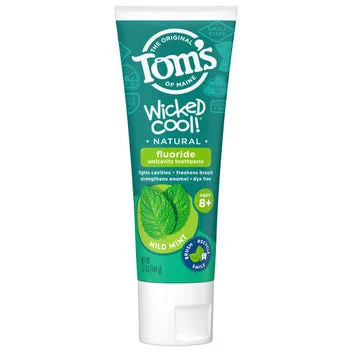
Wicked Cool! Natural Mild Mint Toothpaste for Kids with Fluoride
Use a reward chart to track brushing habits and celebrate milestones. You can also brush your own teeth alongside your child to model good behavior. For tech-savvy kids, there are interactive apps that make brushing a game. The key is to be patient and consistent. Over time, brushing will become a natural part of their daily routine.
- Let your child pick a toothbrush with their favorite character or color.
- Use a reward chart for consistent brushing.
- Brush together as a family to set a good example.
Choosing fluoride-free toothpaste for your child is a personal decision, and with the right techniques, you can ensure their teeth stay healthy and clean. Remember to brush gently, make it fun, and build a routine that works for your family. If you're looking for a natural toothpaste that your kids will love, explore our range of children's oral care products and find the perfect fit for your little one's smile.