Quick Answer
A bustier is soft, flexible shaping built into a bra-like top, designed for comfort and all-day wear. A corset is a structured garment with rigid boning that cinches the waist, usually for shorter wear or a dramatic silhouette. If you want everyday lift and shape, choose a bustier. If you want intense waist definition for a specific outfit or event, choose a corset.
If you've ever stood in a lingerie aisle wondering whether you need a bustier or a corset, you're not alone. The two look similar in photos but behave very differently on the body. One is a soft, wearable top; the other is a shaping tool with structure you can feel.
This guide breaks down the bustier vs corset difference using real garment construction, so you can pick the piece that actually fits your day. We'll cover what each does well, where each falls short, and how to choose based on your outfit, comfort needs, and how long you plan to wear it.
What Is a Bustier?
A bustier is a fitted top that combines bra-like cups with light shaping through the torso. Most bustiers use soft seams, flexible boning, or strategic seaming rather than rigid stays. The goal is gentle support and a smooth line, not extreme cinching. You can wear one as lingerie, as a layering piece under a blazer, or as a standalone top with high-waisted pants or a skirt.
Because bustiers are built for comfort, they often include adjustable straps, hook-and-eye closures, and stretch fabrics. They flatter the bust and waist without restricting breathing or movement. If you want a piece that feels like a bra but gives more coverage and polish, a bustier is the closer match.
- Look for soft boning or seam shaping rather than rigid steel stays.
- Adjustable straps and a hook-and-eye back make fit easier to dial in.
- A bustier can often be worn as outerwear with high-waisted bottoms.
What Is a Corset?
A corset is a structured garment with rigid boning, usually made from firmer fabrics and designed to cinch the waist. Traditional corsets lace up the back and can be tightened to change the silhouette. Modern corset-style tops may use lighter boning for fashion, but a true corset is built for compression and shape.
Corsets are not typically designed for all-day comfort. They restrict movement, can feel warm, and require a breaking-in period. They excel when you want a dramatic hourglass shape for a specific outfit or event, and they can be worn over a dress or shirt as a statement piece.
- Rigid boning and back lacing are the hallmarks of a true corset.
- Expect a firmer, more compressive feel than a bustier.
- Corsets are best for short wear times or costume-style looks.
Bustier vs Corset: The Key Differences
The main bustier vs corset difference comes down to structure and intent. A bustier shapes gently with soft, flexible materials and is built for comfort. A corset shapes aggressively with rigid boning and is built for silhouette change. That means a bustier is easier to wear for hours, while a corset delivers a more dramatic waist definition but demands more commitment.
Fit also differs. Bustiers usually follow your natural measurements with some stretch, so sizing is closer to a bra or top. Corsets need precise measurements because they don't stretch much; too small and they're painful, too large and they don't cinch. If you're new to shaping garments, a bustier is the lower-risk starting point.
- Bustier: soft shaping, flexible, all-day wearable.
- Corset: rigid shaping, compressive, short-wear or event-focused.
- Sizing a corset requires exact measurements; a bustier is more forgiving.
How to Choose Based on Your Outfit and Day
Start with the outfit. If you're wearing a backless dress or a deep-V top, a bustier with a low back or convertible straps can work as both support and style. If you're recreating a historical or theatrical look, or you want a waist-cinched silhouette under a fitted dress, a corset is the better tool. For lounging, sleeping, or long workdays, a bustier wins on comfort every time.
Consider how long you'll wear it. Under two hours for a photo shoot or event? A corset is fine. A full day at the office or a wedding where you'll be sitting, eating, and dancing? A bustier keeps you comfortable without sacrificing shape. If you're unsure, buy the bustier first and add a corset later for specific occasions.
- Match the garment to the outfit's neckline and backline.
- Short wear time: corset. Long wear time: bustier.
- If you're between sizes, size up in a corset and stay true to size in a bustier.
Trade-Offs to Weigh Before You Buy
- Comfort vs. Compression: A bustier uses soft boning and stretch to shape gently, so you can wear it for hours. A corset uses rigid boning to cinch firmly, which delivers a stronger silhouette but limits movement and breathing room. Choose a bustier for daily wear; choose a corset for short, high-impact shaping.
- Sizing Forgiveness vs. Precision Fit: Bustiers often have adjustable straps and some stretch, so they tolerate minor size differences. Corsets require exact measurements because they don't stretch; a poor fit is immediately uncomfortable. If you're unsure of your size, start with a bustier or a bodysuit with adjustable closures.
- Versatility vs. Statement: A bustier can be layered under clothing or worn as a top with high-waisted bottoms. A corset is more of a statement piece, often worn over clothing or for specific events. Buy the bustier for versatility; add the corset when you need a dramatic look.
Real Pieces That Show the Difference
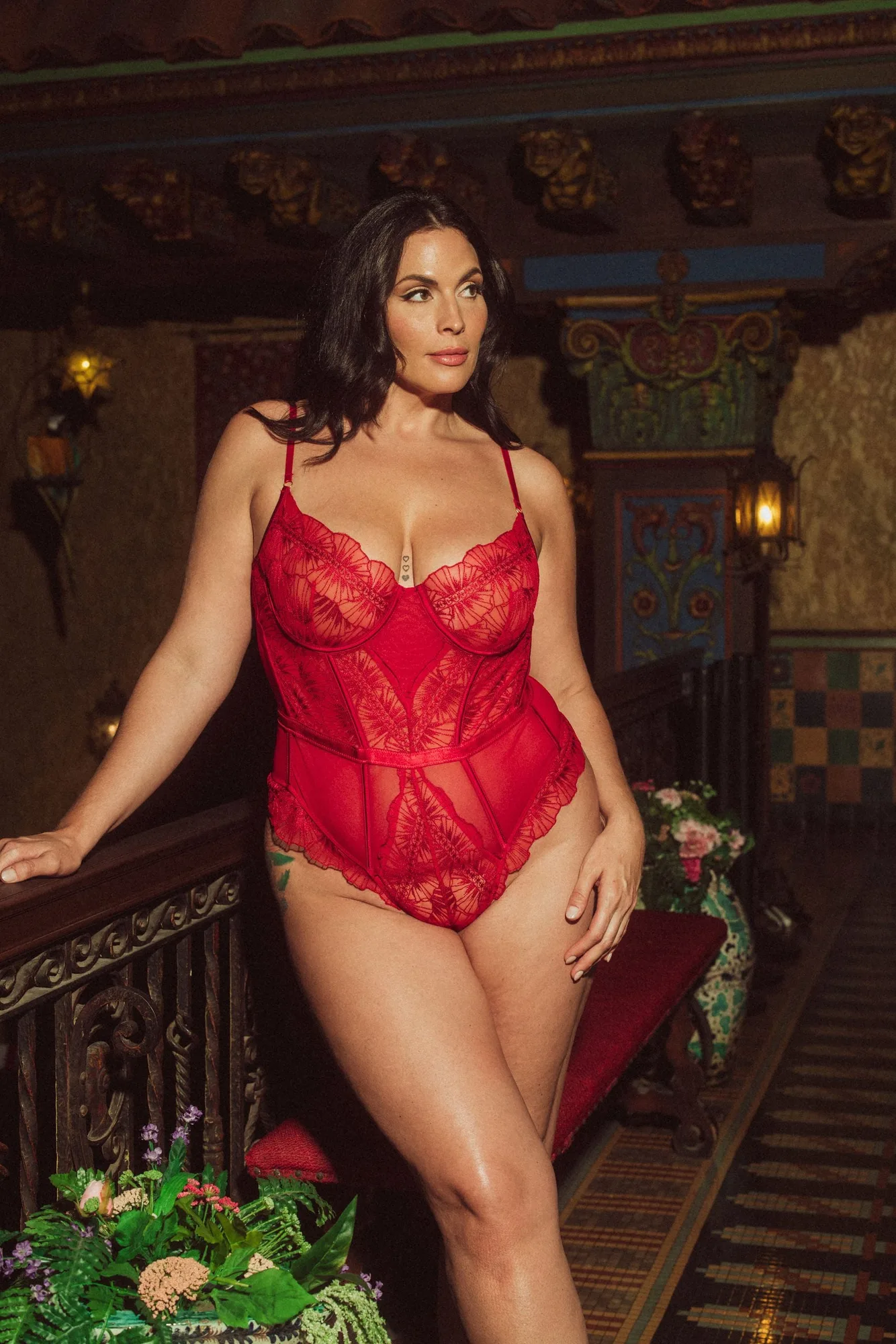
- KILO BRAVA EMBROIDERY COLLECTION- SCARLETT- UNDERWIRE BODYSUIT: Engineered with underwire cups, strategic boning, and adjustable straps for a sculpted silhouette, finished with a hook-and-eye back closure, thong back, and snap crotch. This bodysuit borrows corset-like shaping but keeps the comfort of a bustier, making it a practical middle ground for all-day wear.
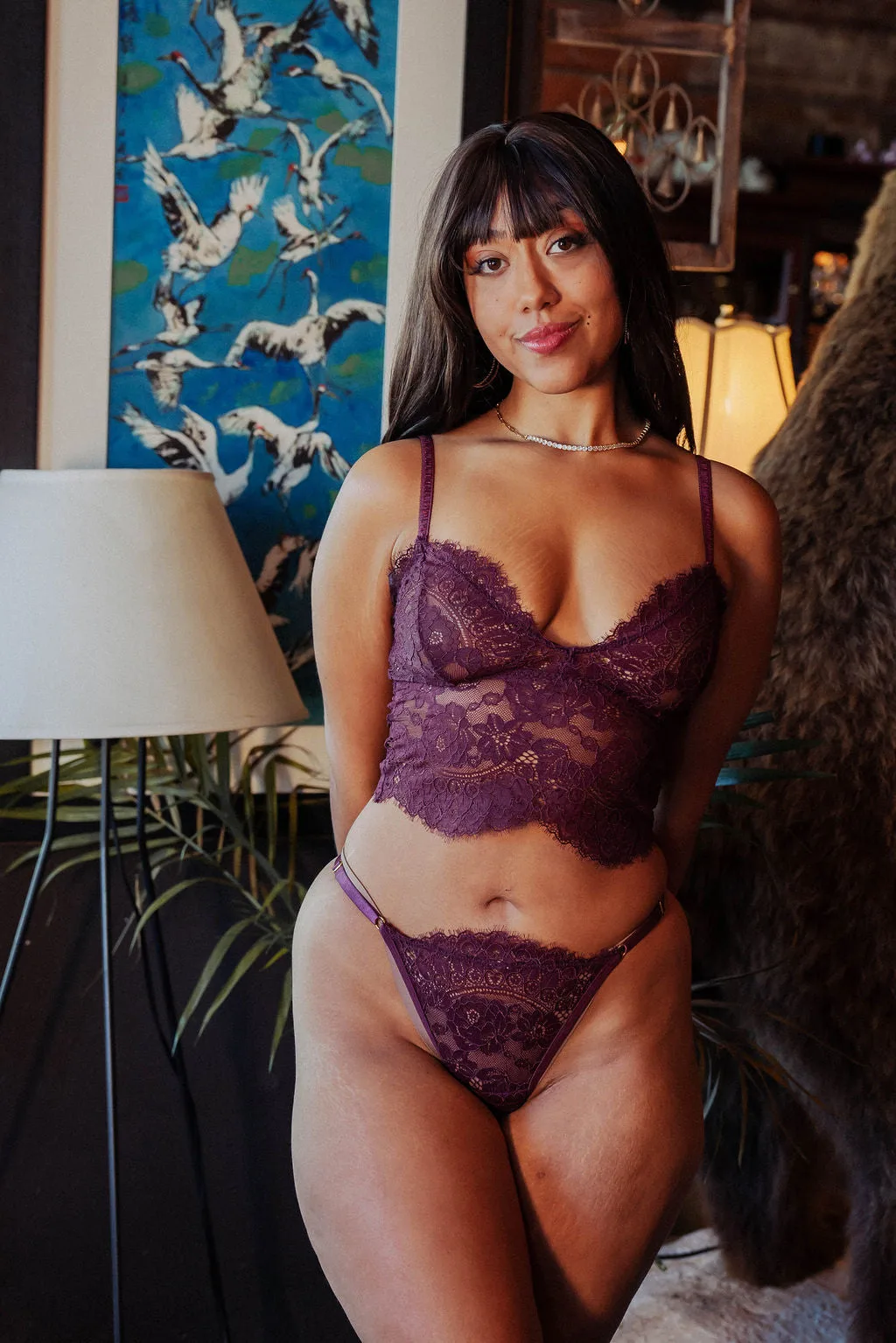
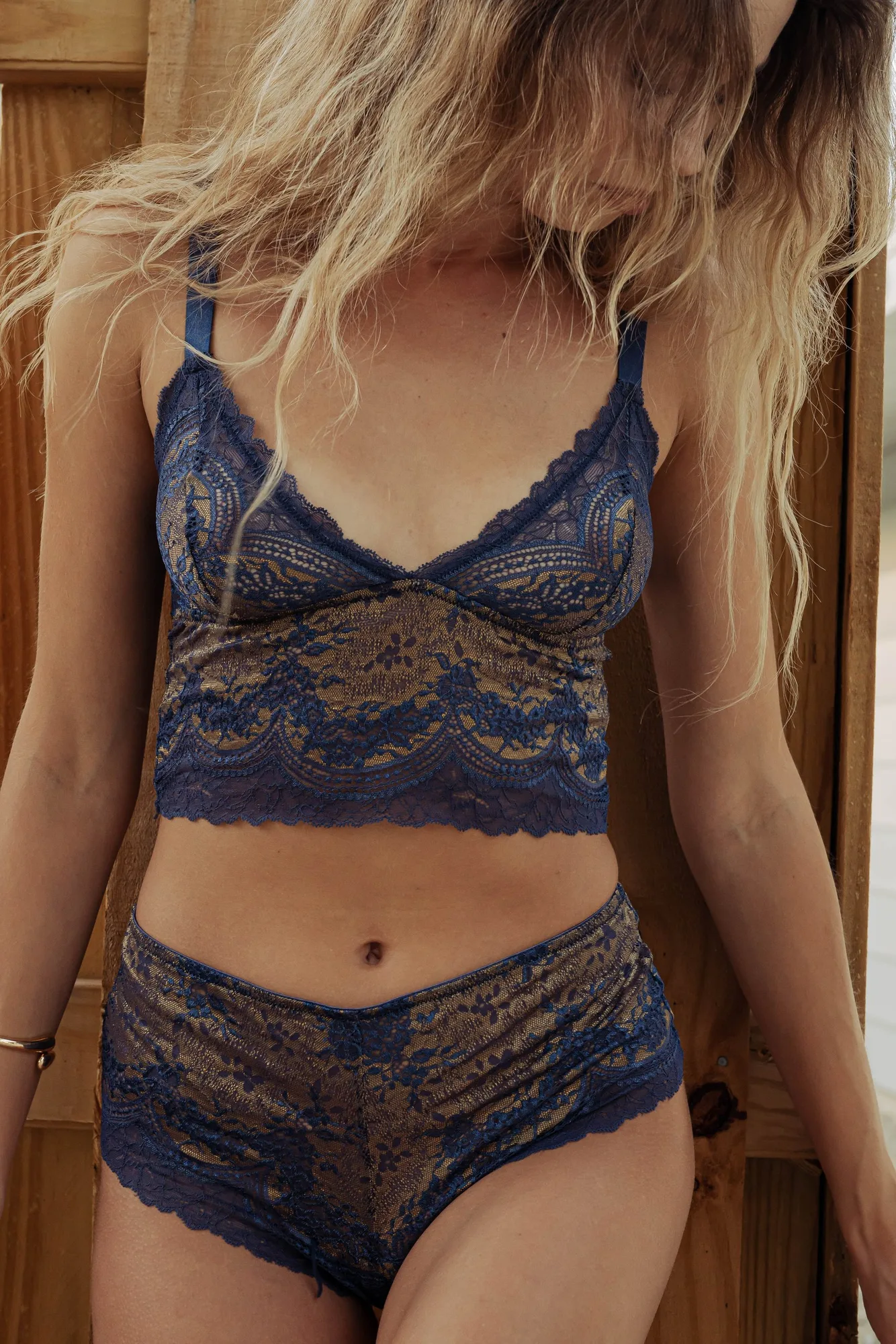
- PINOT NOIR LACE LONGLINE BRALETTE: Stretchy lace provides gentle support and all-day comfort, with a longline silhouette that flatters and smooths. A longline bralette is the softest end of the shaping spectrum—ideal if you want light bust support without any rigid structure.
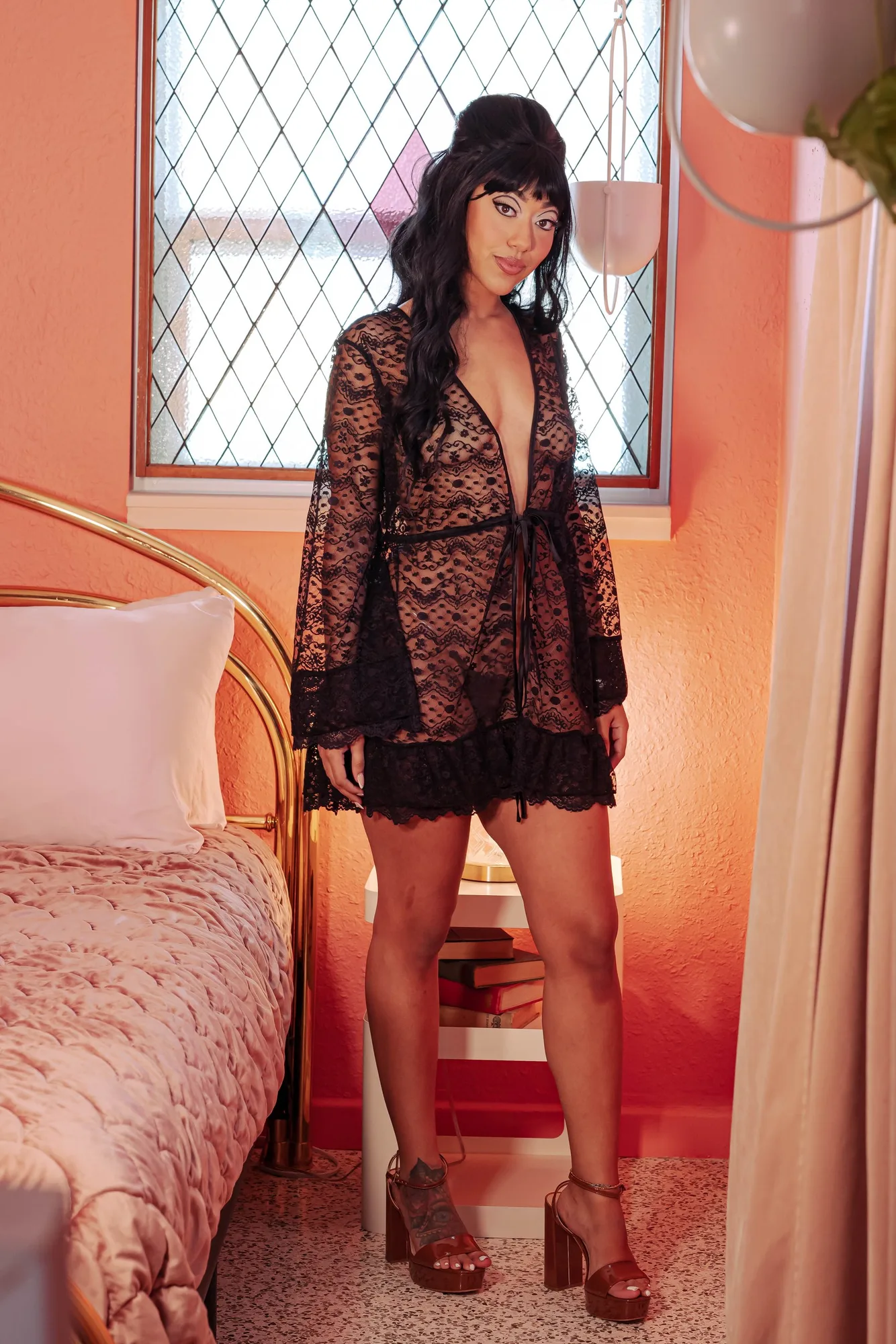
- KILO BRAVA RETRO LACE COLLECTION- BLACK- SHORT ROBE: Sheer black lace with a fluid drape, open front with satin tie, lightweight and breathable. A lightweight robe layers over either a bustier or a corset without adding bulk, so you can adjust coverage and warmth as needed.
Which One Should You Choose?
Choose a bustier if you want:
- All-day comfort with gentle bust and waist shaping
- A versatile piece you can wear as lingerie or as a top
- Easy sizing with adjustable straps and hook-and-eye closures
Choose a corset instead if you want:
- Dramatic waist cinching for a specific outfit or event
- A structured, historical, or costume-style look
- Short-term wear where silhouette matters more than comfort
The bustier vs corset choice comes down to how you want to feel and how long you'll wear it. A bustier gives you soft, wearable shaping for real life; a corset delivers a bold silhouette for moments that call for it. Start with the piece that matches your daily routine, and add the other when the occasion demands.