Quick Answer
Choose carbon steel if you want a lighter pan that heats quickly and handles high-heat searing and stir-frying, like the 10" Pre-Seasoned Carbon Steel Frying Pan. Choose cast iron if you want maximum heat retention for slow braises and oven-to-table serving, like the 7 QT Enamel Cast-Iron Dutch Oven. If you cook both ways, start with carbon steel for everyday searing and add enameled cast iron for long, moist cooking.
How the Two Materials Actually Differ
Carbon steel and cast iron are both iron-based, but they are made and shaped differently. Carbon steel is rolled thinner, so a 10-inch skillet weighs noticeably less than a same-size cast-iron skillet. That lower mass heats up faster and responds quicker when you turn the burner down, which is why restaurant cooks reach for carbon steel for quick sears, omelets, and stir-fries. Cast iron is poured thick, so it takes longer to heat but releases that heat slowly and steadily. That makes it better for searing a thick steak without temperature dips or holding a low simmer for a braise. Both materials need seasoning or enamel to manage rust and reactivity, but the day-to-day feel in your hand is very different.
Heat, Weight, and Searing Trade-Offs
For a hard, fast sear on a single steak or a batch of vegetables, carbon steel gives you more control because you can adjust the heat and see the pan respond within seconds. A pre-seasoned carbon steel pan also develops a naturally nonstick surface with use, so you can cook eggs and fish with less oil over time. Cast iron wins when you need to hold heat: searing multiple batches without waiting for the pan to recover, baking cornbread, or moving the whole pan from stovetop to oven to table. The trade-off is weight and warm-up time. If you have wrist or shoulder issues, a lighter carbon steel skillet is easier to lift and toss. If you regularly cook for a crowd or make long-simmered dishes, the thermal mass of cast iron is worth the extra pounds. For high-heat searing specifically, carbon steel is usually the more responsive choice, while cast iron is better for maintaining a steady temperature during a long cook.
Care, Seasoning, and Everyday Use
Carbon steel and bare cast iron both need to be dried promptly and rubbed with a thin layer of oil after washing to keep the seasoning intact. Enameled cast iron, like the 7 QT Dutch Oven, skips the seasoning step because the enamel coating protects the iron, but you still avoid metal utensils and sudden temperature shocks that can chip the enamel. Carbon steel can take metal spatulas and high heat without damage, which makes it a practical workhorse for daily cooking. Neither material is dishwasher-safe if you want it to last. The main care difference is that carbon steel pans are thinner, so they can warp if you blast them with cold water while they are screaming hot; cast iron is more forgiving of temperature swings but heavier to handle. If you want low-maintenance cleanup, enameled cast iron is easier; if you want a pan you can abuse with high heat and metal tools, carbon steel is the better fit.
Matching the Pan to the Meal
Think about what you cook most often. If your weeknights are quick sears, sautéed vegetables, and fried eggs, a carbon steel skillet will feel more agile and heat up before your coffee is ready. If your weekends are chili, pot roast, no-knead bread, or deep-frying, a heavy cast-iron Dutch oven or skillet will hold steady heat and double as a serving vessel. For saucy dishes that need a wide surface and deep sides, a stainless steel sauté pan like the 3 QT Stainless Steel Sauté Pan is a third option that avoids seasoning altogether and handles acidic tomato or wine reductions without reacting. Many cooks end up with one carbon steel skillet for high-heat searing and one enameled cast-iron piece for slow cooking, which covers most kitchen tasks without duplication.
Trade-Offs at a Glance
- Weight and handling: Carbon steel is rolled thinner and weighs less than cast iron of the same diameter, so it is easier to lift, toss, and maneuver. Cast iron is heavier and stays put on the burner but can be tiring to handle, especially when full. If you have wrist or shoulder concerns, start with carbon steel.
- Heat response vs heat retention: Carbon steel heats up faster and responds to burner changes quickly, which suits searing and stir-frying. Cast iron takes longer to heat but holds temperature steadily, which suits long braises and batch searing. Match the pan to whether you need speed or steadiness.
- Seasoning and upkeep: Bare carbon steel and bare cast iron both require drying and oiling to maintain seasoning. Enameled cast iron skips seasoning but needs gentler handling to avoid chips. Carbon steel tolerates metal utensils and high heat well. Choose enameled cast iron for easier cleanup, carbon steel for low-fuss high-heat cooking.
- Acidic foods: Bare cast iron and carbon steel can react with long-simmered acidic dishes like tomato sauce or wine reductions, potentially affecting flavor and seasoning. Enameled cast iron and stainless steel are non-reactive. For acidic braises, use enameled cast iron or stainless steel.
Products That Fit Each Side
- 10" Pre-Seasoned Carbon Steel Frying Pan: A staff-favorite pan for serious searing and naturally nonstick cooking. Pre-seasoned and ready to roll right out of the box. If you want a lighter pan for high-heat searing and quick meals, this pre-seasoned carbon steel skillet is ready to use immediately and develops a natural nonstick surface with cooking.
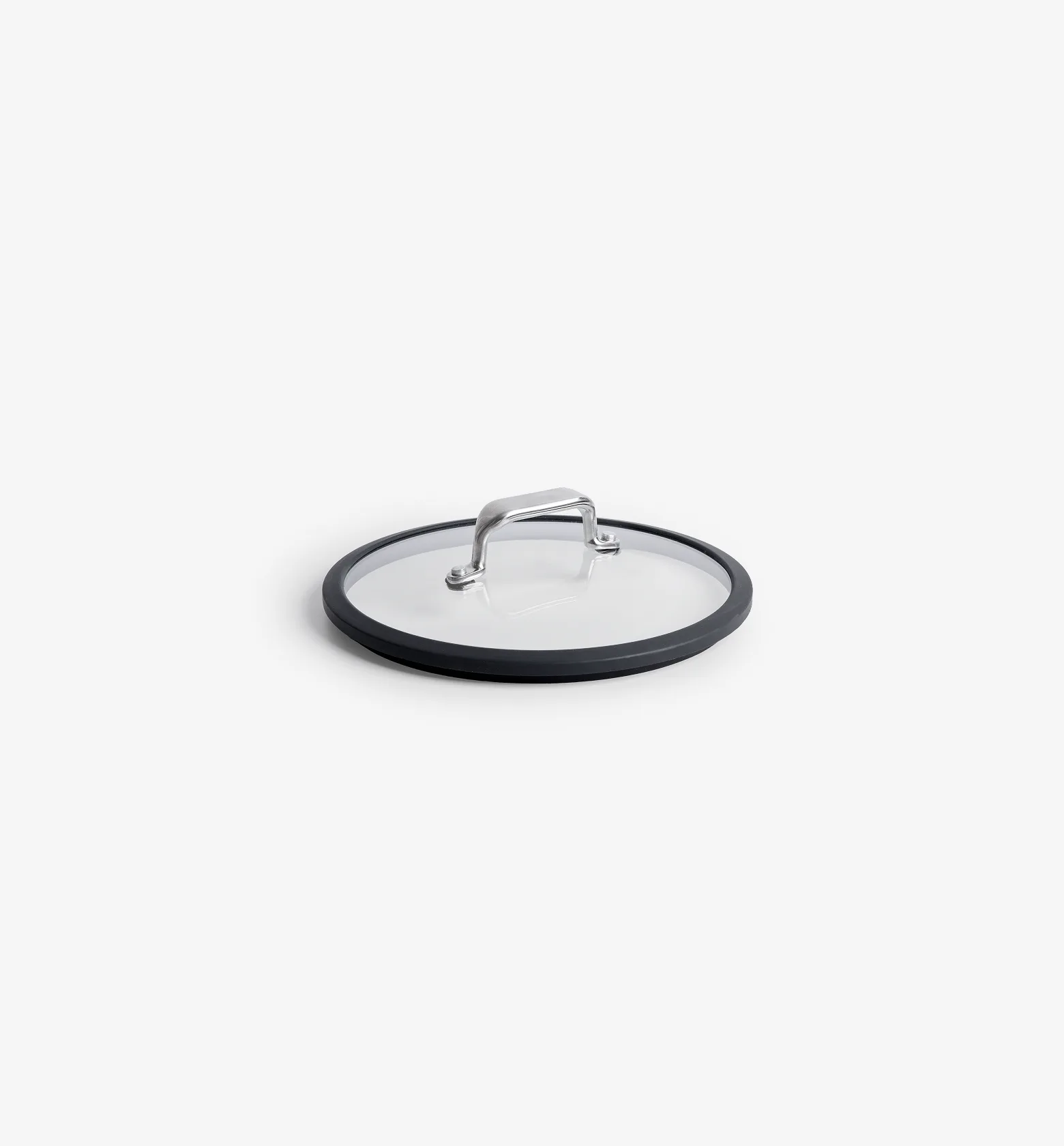
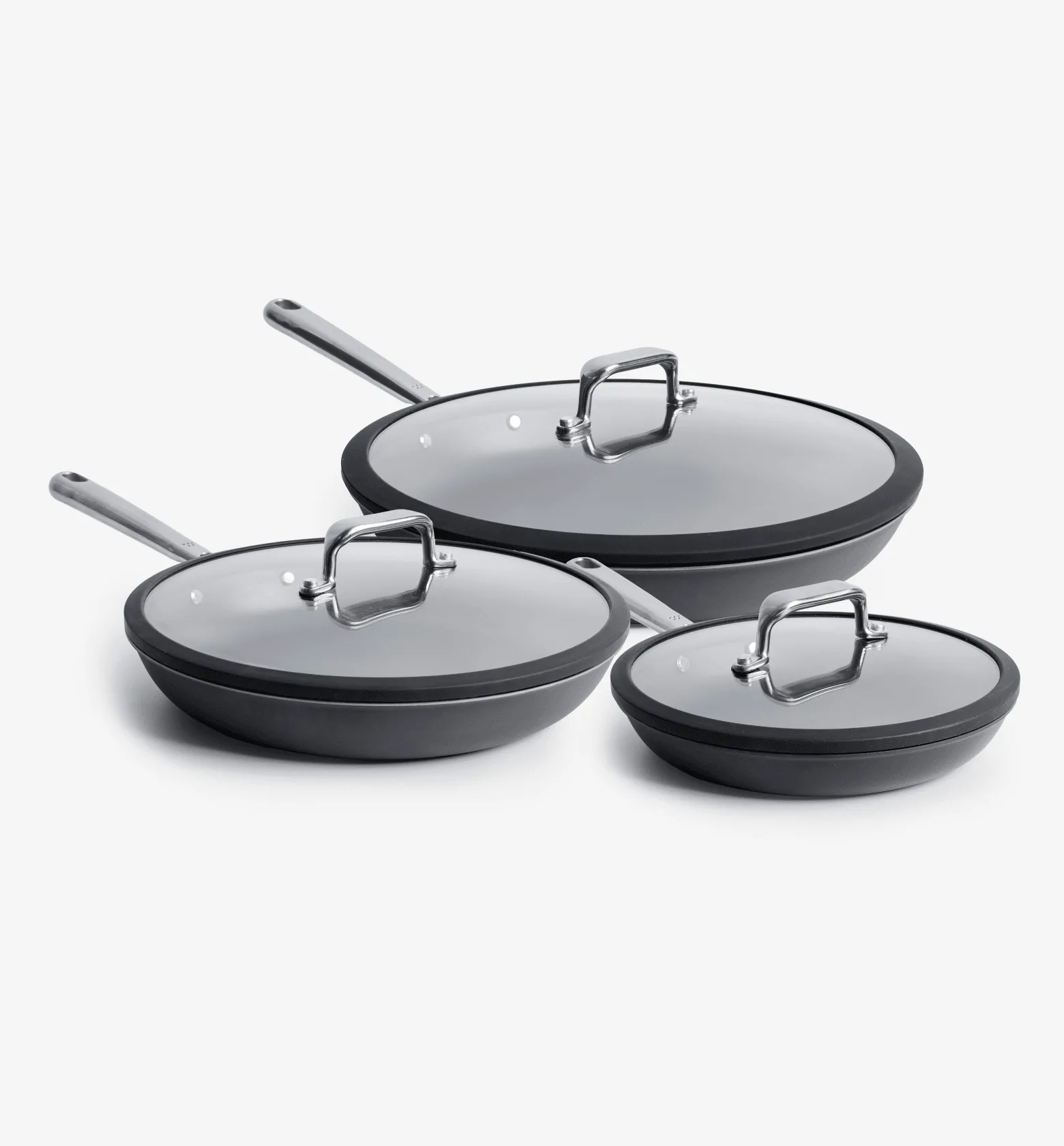
- 8” + 10” + 12” Pre-Seasoned Carbon Steel Frying Pan + Glass Lids: A staff-favorite pan for serious searing and naturally nonstick cooking, and a glass lid to match. Pre-seasoned and ready to roll right out of the box. This set gives you three carbon steel pan sizes plus matching glass lids, so you can sear on the stovetop and then cover to finish cooking or keep food warm without switching pans.
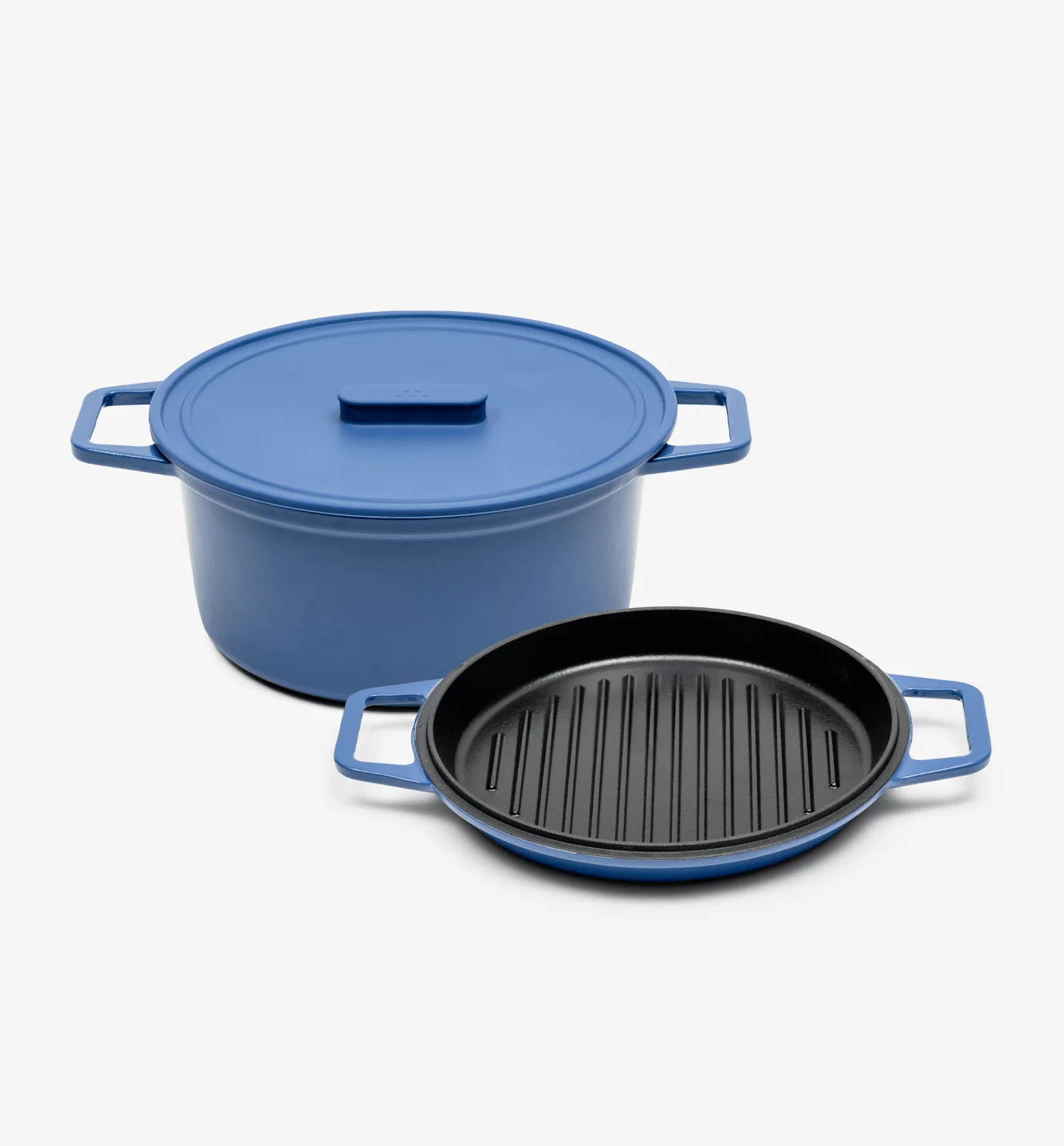
- 7 QT Enamel Cast-Iron Dutch Oven - Grill & Silicone Lid - Blue - Final Sale: Built for hard sears, slow braises, and serving at the table. Thick cast-iron walls hold heat while durable chip-proof enamel makes cleanup easy. If you want cast-iron heat retention without the seasoning routine, this enameled Dutch oven handles long braises and goes from oven to table, and the enamel coating wipes clean more easily than bare iron.
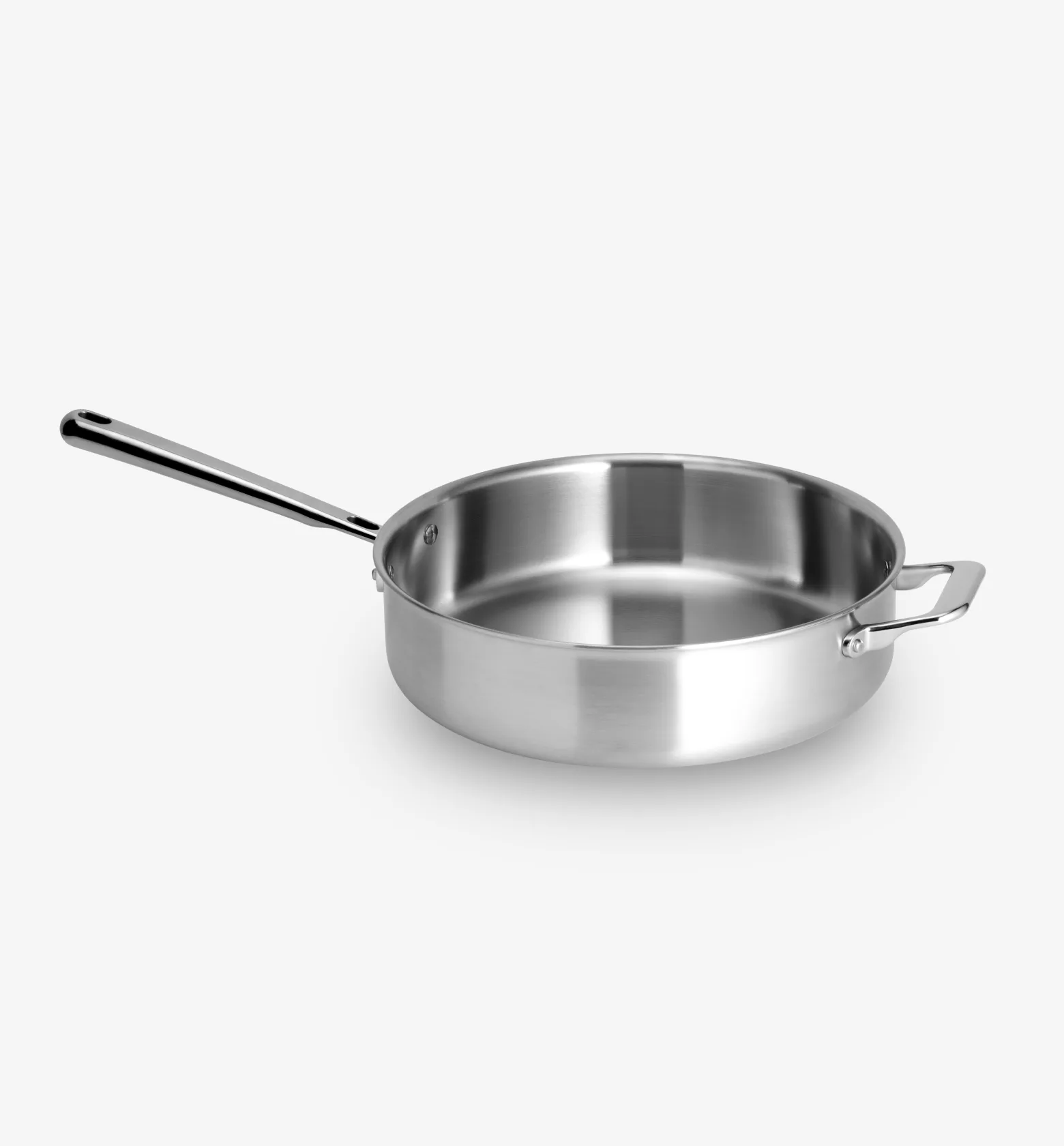
- 3 QT Stainless Steel Sauté Pan: Sear, simmer, braise, and sauté (of course) in this stainless steel workhorse that’s wide like a skillet but deep enough for saucy-er stuff. For acidic sauces or dishes where you do not want to manage seasoning at all, this stainless steel sauté pan offers a wide cooking surface with deeper sides than a skillet.
Which One Should You Buy?
Best for
- Cooks who want a lighter pan for quick searing, stir-frying, and everyday eggs
- Anyone who wants a pre-seasoned pan ready to use out of the box and develops natural nonstick over time
- Kitchens that value fast heat response and tolerance for metal utensils and high heat
Not for
- Cooks who need maximum heat retention for long braises and batch searing (choose cast iron instead)
- Anyone who prefers a dishwasher-safe pan or wants to avoid seasoning maintenance entirely (choose enameled cast iron or stainless steel)
- Those who regularly cook large batches of acidic tomato or wine-based dishes in bare iron (choose enameled or stainless steel)