Quick answer
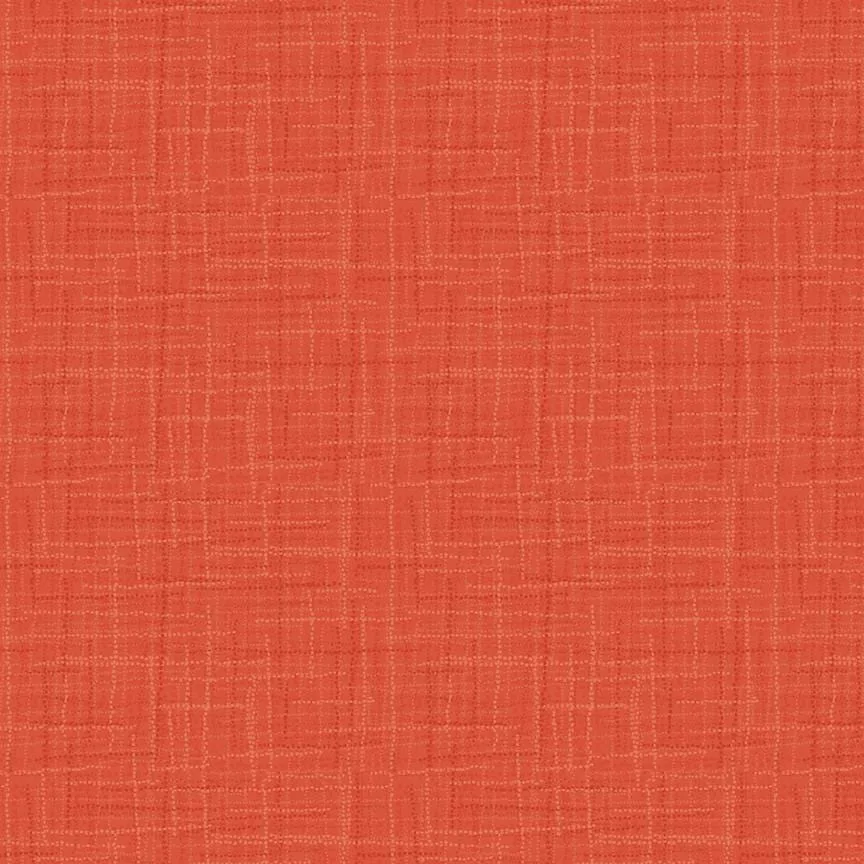
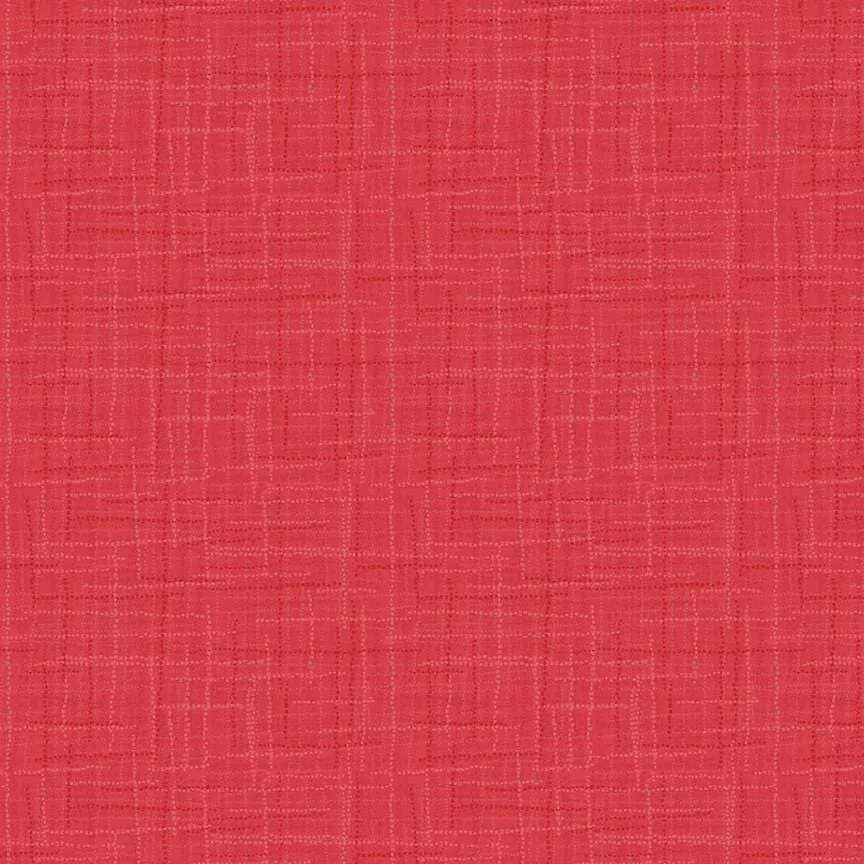
For most sewing projects, choose a thread color that is one shade darker than your fabric to make seams blend in. For quilting, use a neutral or matching color that complements the fabric rather than contrasting, unless contrast is your design goal.
Why thread color matters more than you think
Thread color affects how visible your stitches are. A mismatched thread can make a seam look sloppy even if your stitching is perfect. For garment sewing, you usually want the thread to disappear into the fabric. For quilting, thread can be a design element that adds texture or contrast.
The one-shade-darker rule
A common trick is to pick a thread that is one shade darker than your fabric. Lighter thread tends to stand out against darker fabric, while a slightly darker thread recedes. This rule works well for medium to dark fabrics. For very light or white fabrics, match the thread exactly or go slightly lighter.
When to use contrasting thread
Contrasting thread is a deliberate choice for decorative stitching, topstitching, or quilting where you want the stitches to show. If you are quilting a solid fabric and want the stitching pattern to stand out, a thread in a complementary or contrasting color can add visual interest. Just be sure the contrast is intentional.
Decision rules for thread color matching
- Match fabric color exactly: When you have the exact fabric swatch, hold the thread spool against it in natural light. If the thread disappears into the fabric, it is a perfect match. Use this for garment seams where invisibility is key.
- Go one shade darker: If you cannot find an exact match, choose a thread that is one shade darker than the fabric. This makes the seam less noticeable than a lighter thread would. Test on a scrap piece of fabric before committing.
- Use neutral for multicolor fabrics: For prints, plaids, or multicolor fabrics, pick a neutral thread that matches the background color or the dominant color in the print. Gray, beige, or taupe often work well.
- Choose contrast for decorative effect: For topstitching, quilting, or visible mending, pick a thread that contrasts with the fabric. This turns stitching into a design feature. Make sure the contrast is intentional, not accidental.
Thread options for your project
-
Sew-All Thread, Blue, 274 YD (250 m): Gutermann Sew-All Thread in Blue is a single spool of 274 yd (250 m) polyester thread suited to sewing and quilting. Blue is a versatile color for denim, navy, or teal fabrics, and the 274-yard spool is enough for most single garments or small quilting projects.
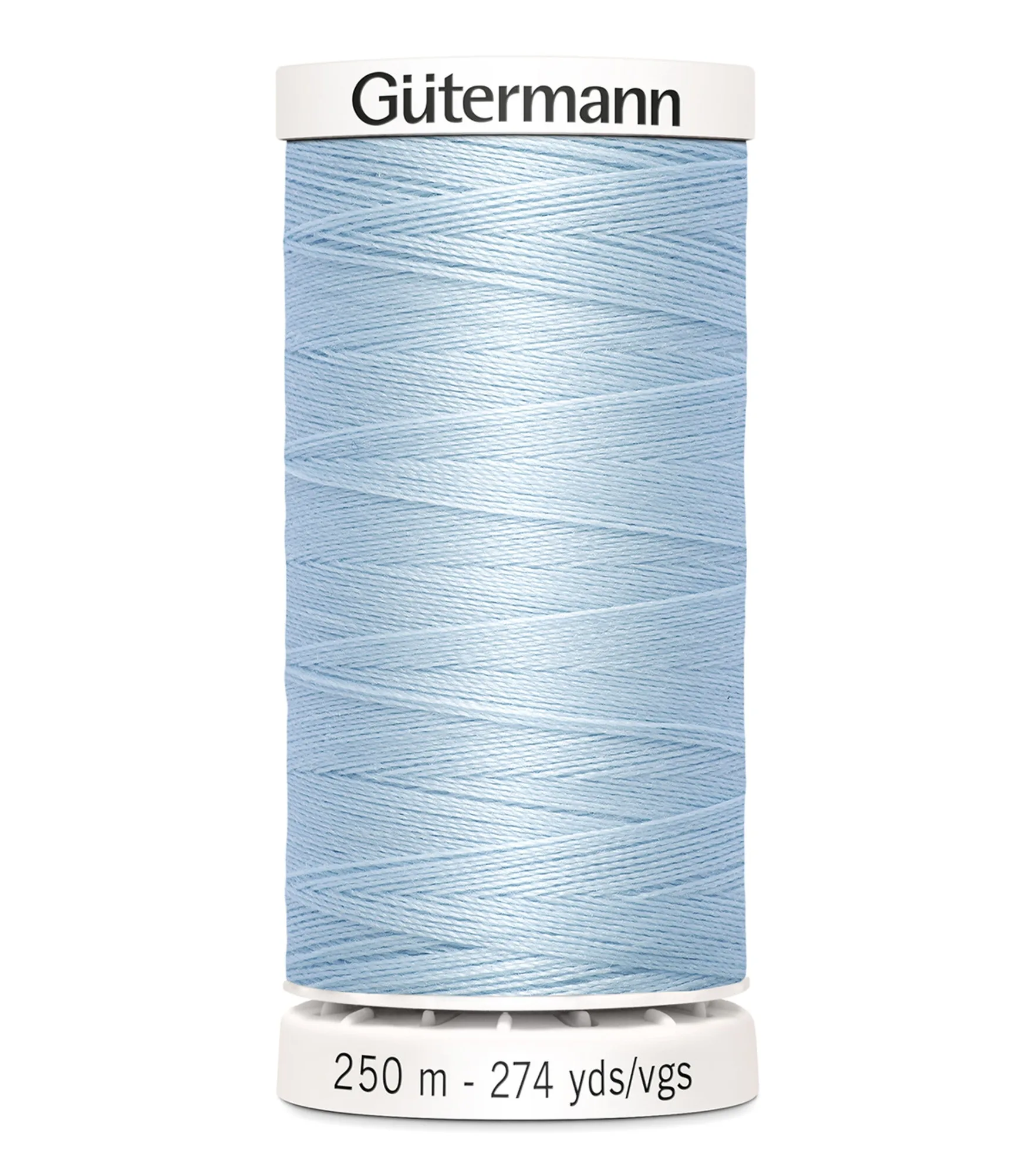
Sew-All Thread, Blue, 274 YD (250 m)
-
Sew-All Thread, Purple, 274 YD (250 m): Gutermann Sew-All Thread in Purple is a polyester sew-all thread available in shades like 928 Hydrangea and 925 Parma Violet. Purple shades work well for matching lavender, plum, or eggplant fabrics, and the color options let you get closer to your exact fabric tone.
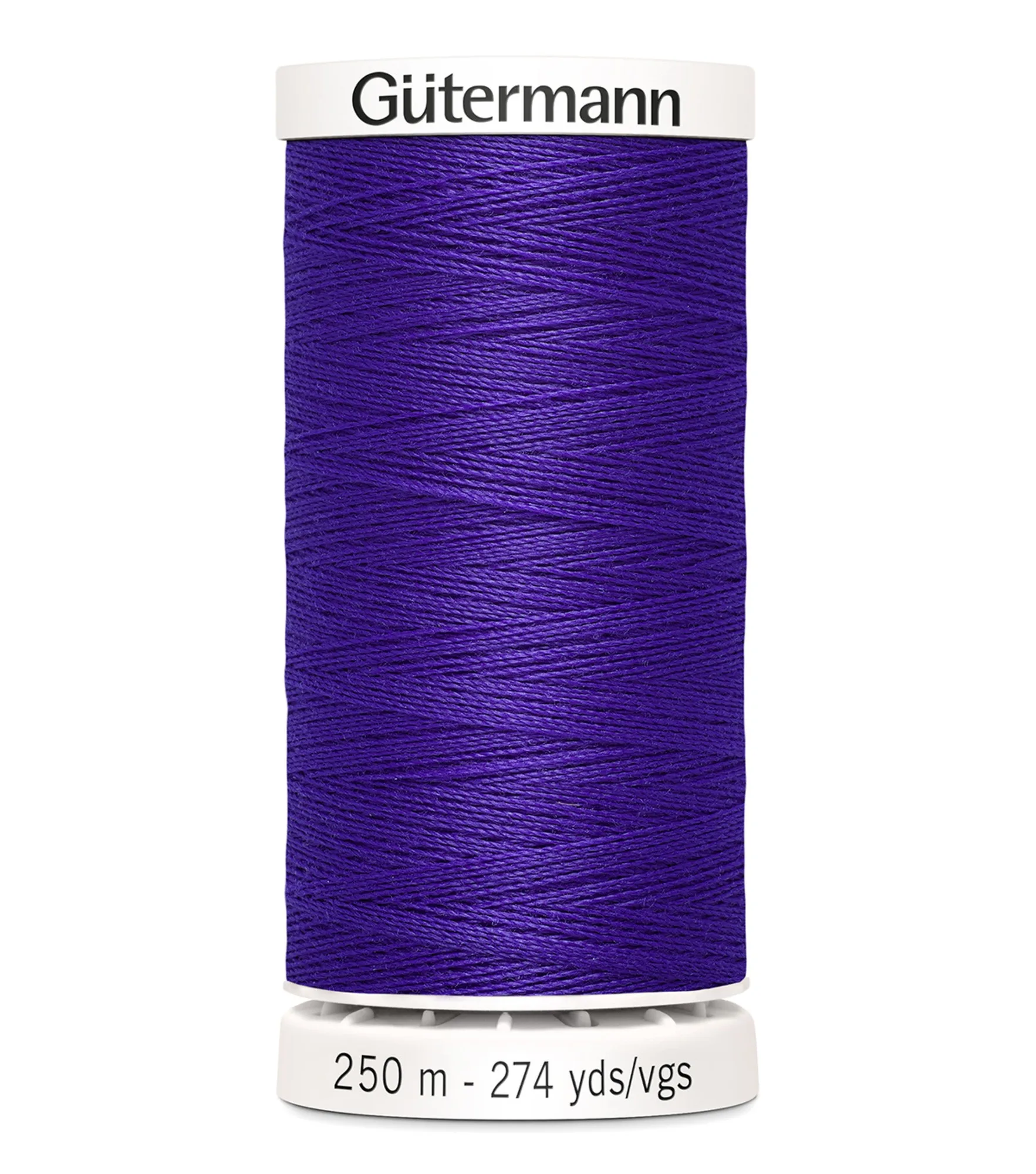
Sew-All Thread, Purple, 274 YD (250 m)
Who this guide is for
Best for
- Home sewers making garments where seams should be invisible
- Quilters who want thread to blend with fabric or add subtle texture
- Anyone mending or altering clothing and needs a practical color match
Not for
- Decorative stitching projects where high-contrast thread is the main feature (choose a bold contrasting color instead)
- Machine embroidery that requires specialized embroidery thread in specific colors