Quick Answer
Cloth trainers win for most families who want a reusable, feel-the-wet option that supports potty learning and cuts long-term cost. Disposable pull-ups win for overnight trips, daycare settings that require disposables, or temporary phases when laundry is not feasible. Neither is universally better—your child's readiness, your routine, and your budget decide.
Absorbency: What Each Option Actually Holds
Cloth trainers rely on layers of fabric to absorb urine. For example, the Cottage Pups-Trainer (old style) comes pre-padded with 3 layers of bamboo and has an opening to add extra absorbency if needed. That means you can customize the absorbency for naps or longer outings. Disposable pull-ups use a gel core that holds more liquid quickly, but once wet, the entire product is trash. If your child is a heavy wetter, a cloth trainer with an added insert can match or exceed a pull-up for daytime, but you must change it promptly to avoid leaks.
Cost Over Time: Reusable vs. Disposable
A single cloth trainer costs between $8 and $9 at Squishy Lil' Campers, and you need about 6–10 to rotate through laundry. That upfront cost is higher than one pack of pull-ups, but cloth trainers last through multiple children and months of use. Disposable pull-ups are cheaper per piece but add up quickly if your child wears 3–5 per day. Over a 6-month potty training period, cloth usually costs less, especially if you already wash diapers. However, if you factor in water, detergent, and your time, the savings shrink. For occasional use—like travel or daycare—pull-ups may be more practical.
Fit and Feel: What Matters for Potty Learning
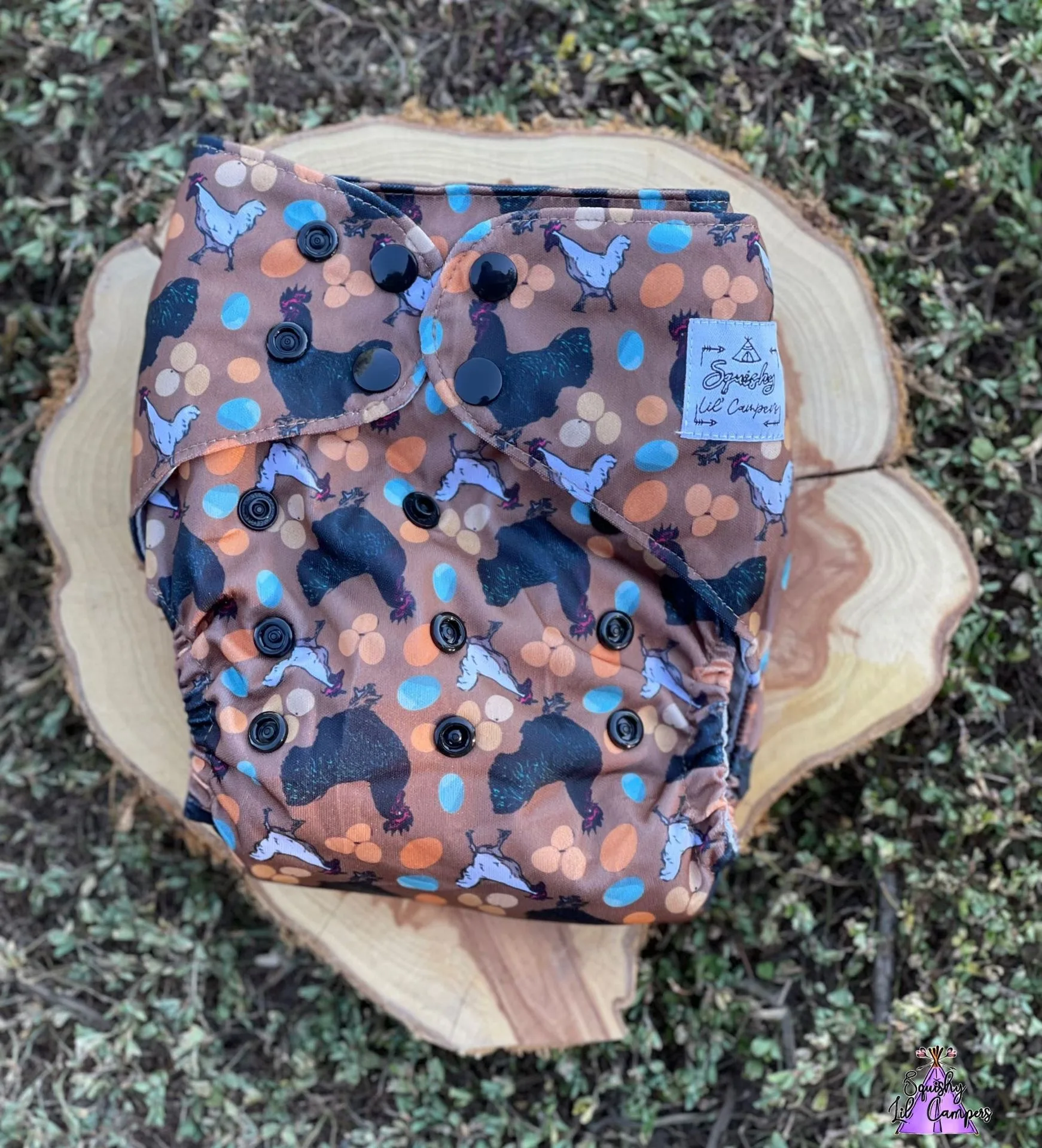
Cloth trainers are designed to feel wet, which helps children connect the sensation with needing to use the potty. They also pull up and down like underwear, thanks to wide front and back elastic. The Cottage Pups-Trainer fits roughly 12–50 lbs. For larger children, the Rooster Run-XL Pocket fits approximately 10–70 lbs and has a wide pocket opening, tummy panel, hip snaps, and rise snaps—features that let you adjust fit as your child grows. Disposable pull-ups also pull on and off, but their stay-dry layer can delay awareness. If your goal is to help your child notice wetness, cloth has the edge. If your child is sensitive to wetness or has eczema, a stay-dry pull-up may be more comfortable.
Laundry and Convenience: The Real Trade-Off
Cloth trainers require washing. You will need a wet bag or pail, and you should rinse soiled trainers before washing. This adds 2–3 extra laundry loads per week. Disposable pull-ups go straight in the trash, which is simpler for daycare, travel, or days when you are away from home. If you choose cloth, start with a small stash and a simple wash routine. If you choose disposables, look for pull-ups with easy tear-away sides for quick changes.
Trade-Offs at a Glance
- Absorbency: Cloth trainers can be customized with inserts (e.g., 3 layers of bamboo pre-padded, plus an opening to add more). Disposable pull-ups hold more liquid quickly but cannot be adjusted. Choose cloth if you want to tune absorbency; choose pull-ups for maximum convenience on long outings.
- Cost: Cloth trainers cost $8–$9 each upfront but last for months; pull-ups are cheaper per piece but add up daily. Cloth saves money over 6+ months; pull-ups may be cheaper for very short-term or occasional use.
- Fit and Feel: Cloth trainers feel wet and have pull-up style with wide elastic; pull-ups stay dry and may delay awareness. Cloth supports potty learning; pull-ups suit sensitive skin or heavy wetters who need stay-dry.
- Convenience: Cloth requires laundry and rinsing; pull-ups are disposable and easy for daycare or travel. If laundry is a barrier, use pull-ups part-time and cloth at home.
Product Facts
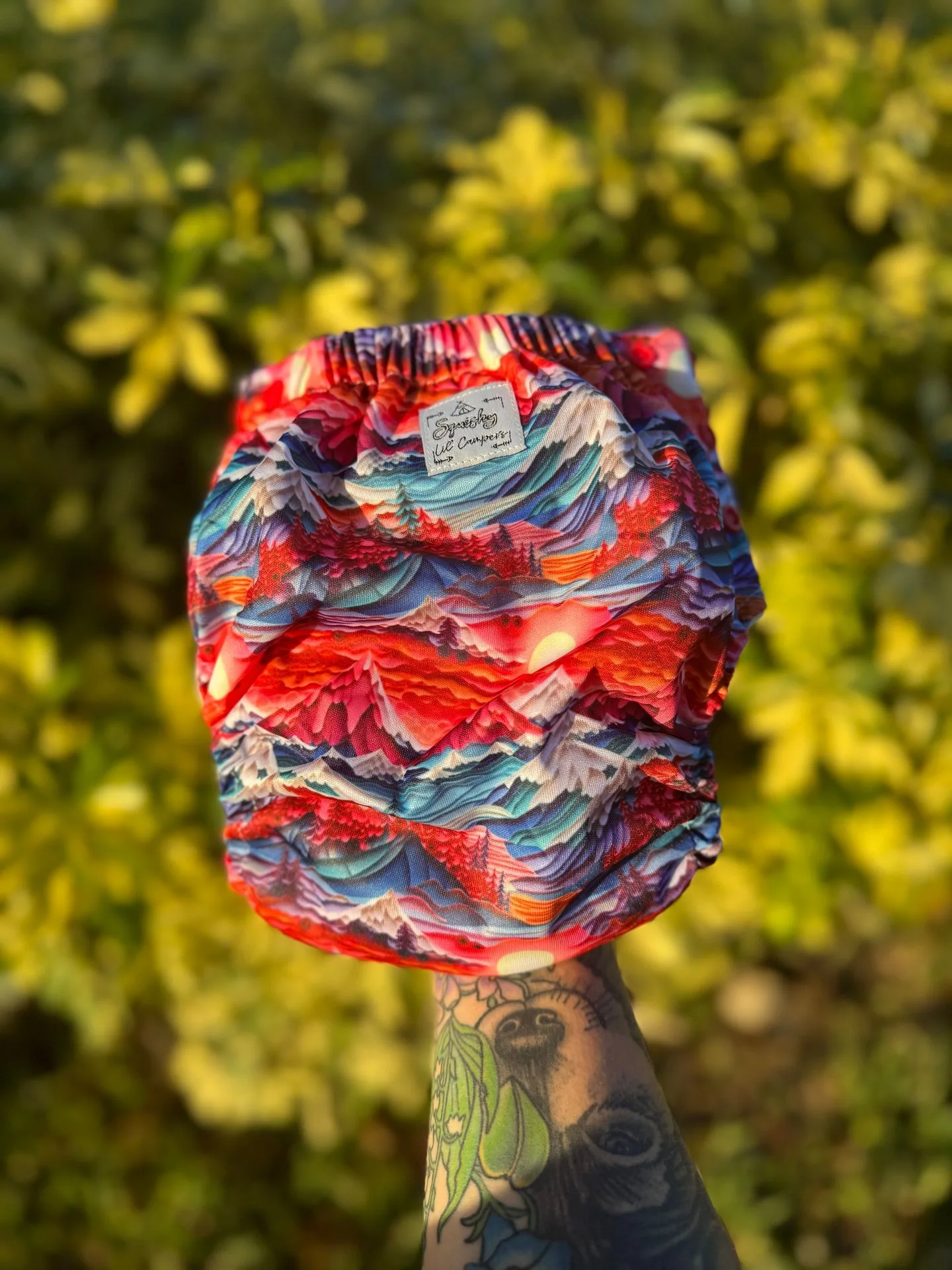
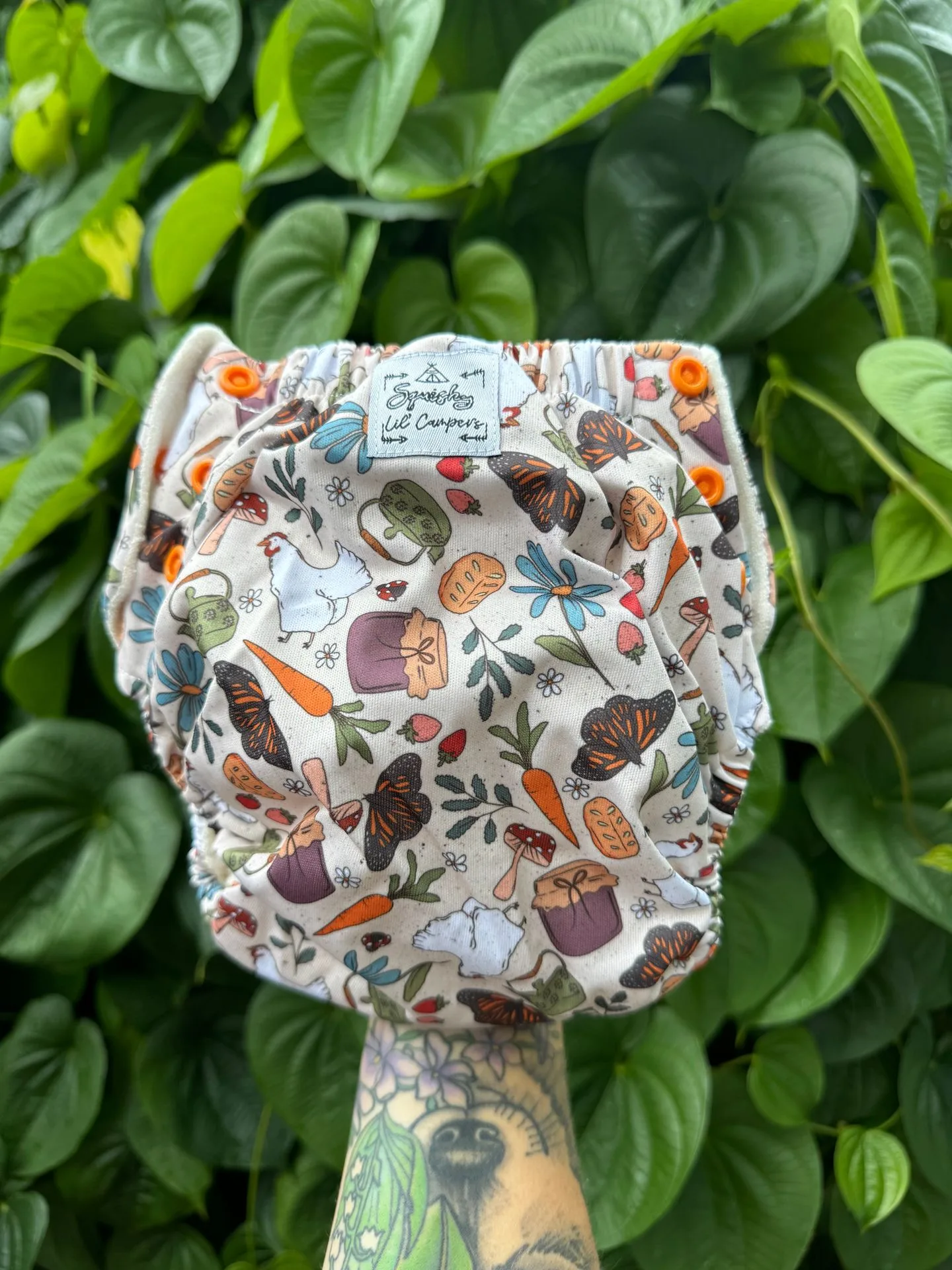
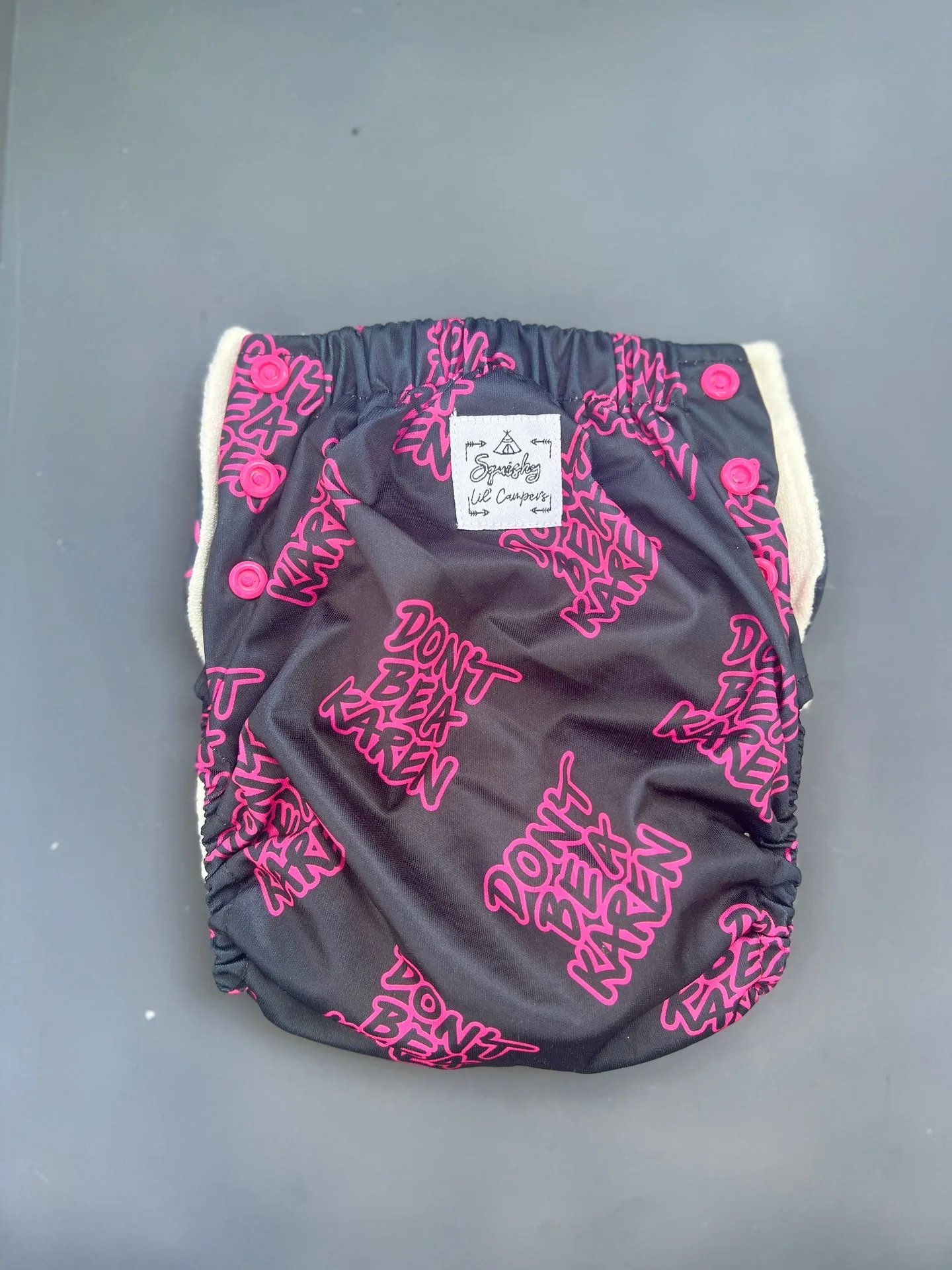
- Cottage Pups-Trainer (old style): Pre-padded with 3 layers of bamboo; has snaps and an opening to add extra absorbency if needed; lined with bamboo terry; wide front and back elastic; fits roughly 12–50 lbs. Customizable absorbency and pull-up style make it a strong daytime trainer for average-sized toddlers, and the opening lets you boost absorbency for naps or car rides.
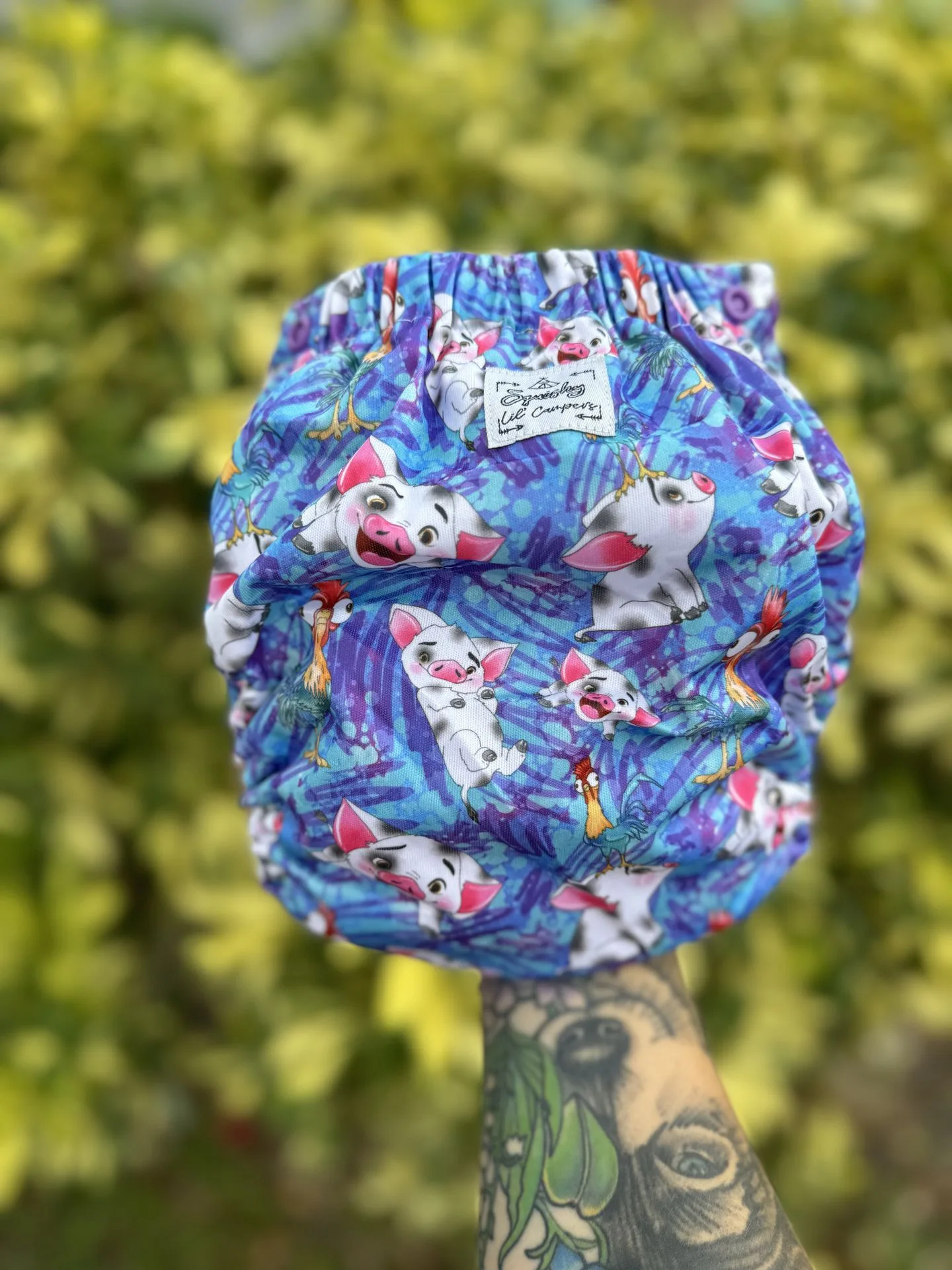
- Rooster Run-XL Pocket: XL pocket trainer fits approximately 10–70 lbs; features grey AWJ lining, dirty closure/cross-over snaps, wide pocket opening (5 cm), tummy panel, hip snaps, and 3x4 rise snaps; insert not included. The wide weight range and adjustable snaps accommodate bigger kids or those who need a more customizable fit, but you must supply your own insert for absorbency.
Which Should You Choose?
Best for cloth trainers
- Families who want a reusable option that helps children feel wetness and learn body signals
- Parents who already wash cloth diapers and want to extend that routine
- Children between 12–50 lbs (standard trainers) or 10–70 lbs (XL pocket trainers)
Not for cloth trainers
- Caregivers who cannot manage extra laundry or soiled trainer storage
- Families needing a temporary solution for travel or daycare that requires disposables
- Children who are extremely sensitive to wetness and need a stay-dry layer