Quick answer
Buy the cover you actually like, not the one you think will fund your retirement. A variant is the same interior story with different cover art, so your real decision is about art, print run, and condition. Start with one or two affordable variants from a series you already read, confirm the printing and cover artist before checkout, and store them the same way you store any comic you want to keep.
What a variant cover actually is
A variant cover is an alternate cover printed for the same issue. The story inside is identical to the standard cover; what changes is the art on the front, and sometimes the print run or the ratio of copies a shop receives. That matters because two copies of the same issue can have very different aftermarket prices even though the pages read the same.
Cover lettering is your fastest identifier. Publishers usually label variants with a letter or a description such as Cover A, Cover B, or a named artist variant. If a listing only says "variant" without naming the cover, treat that as a missing detail and ask before buying.
How to read a variant listing without getting burned
Check three things before you add anything to a cart: the issue number, the cover designation, and whether the listing says first printing. A first printing is the initial run of that issue; later printings can share the same cover art but are a different collectible. If a listing does not state the printing, assume that information is unavailable and decide whether you are comfortable buying without it.
Also separate the cover artist from the interior creative team. A variant can be drawn by a guest artist while the interior pages are by the series regulars. Listings that name both help you judge what you are actually getting.
Where variant cover value really comes from
Scarcity, demand, and condition drive variant prices, in that rough order. A variant produced in a small quantity for a specific event can be harder to find later, but scarcity alone does not create value if nobody wants the book. Condition matters because a spine tick or a bent corner is permanent; that is why collectors pay attention to how a comic is bagged, boarded, and shipped.
Be skeptical of any listing that promises future value. Nobody can guarantee what a variant will be worth. The honest approach is to buy what you enjoy reading or displaying, and treat any appreciation as a bonus rather than a plan.
Decision rules for buying variant covers
- Rule 1: Name the cover before you pay: If a listing does not identify the cover letter or artist, ask the seller. A named cover is verifiable; an unnamed one is a guess. No cover designation, no purchase.
- Rule 2: Confirm the printing: First printings and later printings can look similar online. If the printing is not stated, treat it as unknown rather than assuming first. Unknown printing means you are buying the art, not the collectible.
- Rule 3: Buy the art you want to keep: Since the interior story is the same across variants, the cover is the product. Pick the one you would still want if it never gained value. If you only like it because it might go up, skip it.
- Rule 4: Price the condition, not the hype: Compare a few listings for the same cover and note spine, corner, and page condition. A cheaper copy with visible damage is not a bargain if you plan to keep it long term. Pay for the copy you would be happy to own in five years.
- Rule 5: Store it the day it arrives: Bag and board new arrivals, keep them out of direct sun, and avoid stacking heavy items on top. Damage you cause yourself is the easiest loss to prevent. Condition is the one variable you fully control after purchase.
Examples from the current catalog
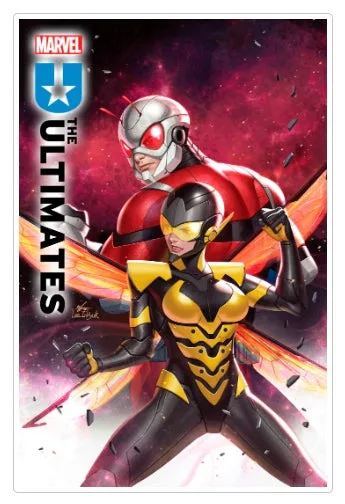
- Marvel The Ultimates #1 Comic Book - Inhyuk Lee Ultimate Special Variant: Marvel The Ultimates #1 with the Inhyuk Lee Ultimate Special Variant, launched out of the Ultimate Universe #1 story by Jonathan Hickman and Stefano Caselli, with the new series written by Deniz Camp and drawn by Juan Frigeri. A first issue with a named artist variant is a clean example of the format: same story as the standard cover, different cover art, and a creative team you can look up before buying.
- Darkwing Duck #1 Comic Book - Cover A Nakayama Variant: Darkwing Duck #1 Cover A Nakayama Variant, a first issue that opens with the character's origin story and his adopted daughter Gosalyn asking about his early crime-fighting days. Cover A is usually the most widely produced cover, which makes it the easiest entry point if you want a first issue without chasing a scarce ratio variant.
- DesignerCon Vincent Mascot Sofubi (Orange): DesignerCon Vincent Mascot Sofubi in orange, about 6 inches tall and articulated, sculpted by Bigshot Toyworks and released in a small, super limited quantity at DesignerCon 2019. Shows how the same scarcity logic works outside comics: a small release tied to a specific event can be hard to replace later, so buy it because you want it on the shelf.
Who this approach fits
Best for
- New collectors who want a repeatable way to judge variant listings
- Readers who already follow a series and want a specific cover artist
- Shoppers buying a first issue as a gift and needing a safe, clear choice
Not for
- Buyers treating variants as guaranteed investments
- Collectors chasing only ultra-low print runs, who need specialist market data
- Anyone unwilling to verify cover and printing details before checkout