Quick answer
Choose a waterproof, adjustable leash if your walks involve rain, mud, or water, and choose a rope-style leash with a DWR coating if you want a classic feel that resists light moisture. For pulling dogs, pick a fixed-length leash you can hold securely rather than a long line. Match length to the walk: 4–6 feet for street and training, longer only for open, low-traffic areas.
Start with your walking style, not the leash
The most useful first question is not which leash looks best but where and how you walk. A 15-minute neighborhood loop with traffic, strollers, and frequent stops demands different gear than a weekend trail hike or a swim at the lake. Write down three things: typical walk length, whether you encounter water or mud, and whether your dog pulls. Those three answers eliminate most of the catalog before you compare materials.
If you walk the same route daily and want one leash to cover it, prioritize adjustability and weather resistance over specialty features. If you rotate between city sidewalks and open fields, you may genuinely need two leashes rather than one compromise. Leash types for dogs are not a hierarchy; they are tools matched to conditions.
Leash length guide: what each range actually does
Length changes control more than most buyers expect. A shorter leash keeps your dog close and reduces the leverage a pull generates, which is why trainers often start there. A longer leash gives sniffing freedom but also gives a bolting dog a runway. There is no universal correct length, only a correct length for the environment and the dog's training level.
As a working rule: 4 feet for dense sidewalks and vet visits, 5–6 feet for everyday walking and basic training, and 10 feet or more only for recall-trained dogs in open spaces with good sightlines. If you are unsure, buy the 5–6 foot option first; it covers the widest range of everyday dog walking leash needs.
- 4 ft: tightest control, least freedom, best for traffic and crowded paths
- 5–6 ft: the everyday default for walks and training
- 10 ft+: only with reliable recall and clear visibility
Leash material comparison: waterproof vs. rope
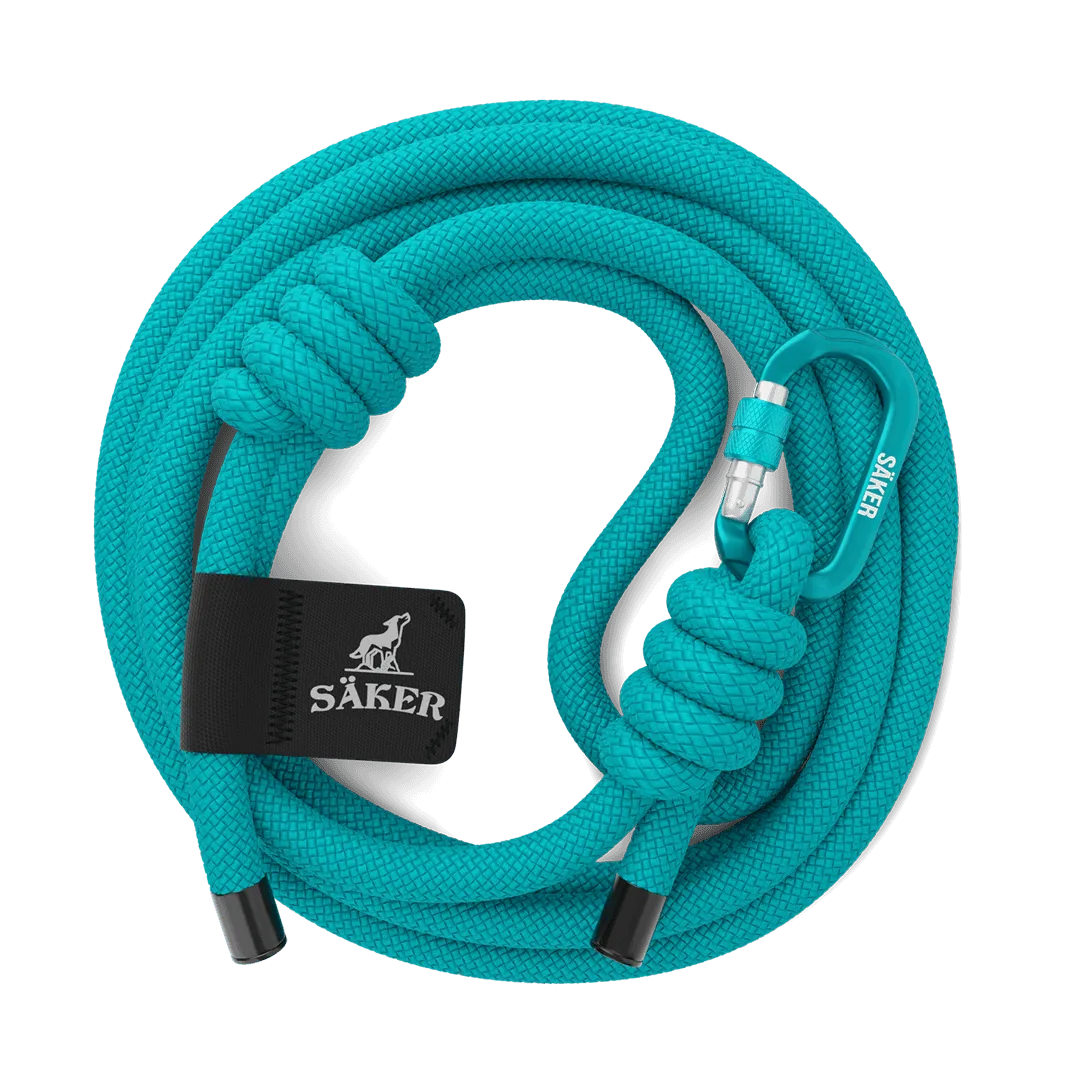
Two material families dominate practical walking leashes. Fully waterproof leashes handle rain, mud, and water without soaking through or staying damp, which matters if you walk in wet conditions or near water regularly. Rope-style leashes woven from climbing-rope construction with a DWR coating resist light moisture and offer a familiar, grippy hand feel, but DWR is a water-repellent finish rather than a guarantee of full waterproofing.
Neither material is automatically stronger in the abstract. What matters is whether the construction suits your handling: a slick, waterproof surface can be easier to wipe clean but offers less texture to grip, while a rope surface gives more tactile feedback but may hold surface dampness longer. If you walk in heavy rain or let your dog swim, waterproof is the safer default. If you want a classic rope feel for dry or lightly damp walks, a DWR-coated rope leash is the more natural choice.
Adjustability and hardware: the details that decide daily comfort
An adjustable leash lets you shorten the effective length in a crowd and lengthen it on an open path without carrying a second leash. That flexibility is genuinely useful, but it only helps if the adjustment stays put under load. Check that the adjustment point does not slip when your dog surges.
Hardware matters just as much. A heavy clip adds swing and can feel clumsy on a small dog; a lighter clip is easier to handle but should still close securely. Since the supplied catalog does not list clip materials or weight ratings, treat those as questions to confirm with the seller rather than assumptions. Available color options are the only option type listed on these leashes, so if you need specific hardware, verify it before buying.
Leashes for pulling dogs: what to look for
If your dog pulls, the leash is only half the system; the other half is how you hold and manage it. A fixed-length leash with a secure hand loop gives you consistent control, while a long or retractable-style line gives a pulling dog more speed and leverage. For the best leash for pulling dogs, choose a fixed length you can shorten, and pair it with training rather than relying on gear alone.
A waterproof or DWR-coated leash also helps here because pulling dogs tend to drag leashes through puddles and dirt. Whatever you choose, avoid using length as a substitute for training; a longer leash on a strong puller increases risk rather than reducing it.
Decision rules: pick your leash in three checks
- Rule 1: Wet walks or swims: If your dog regularly gets wet or you walk in rain and mud, choose a fully waterproof leash so it does not stay damp or soak through. Waterproof wins when water is part of the routine.
- Rule 2: Dry or lightly damp walks: If conditions are mostly dry and you prefer a rope feel with light moisture resistance, a DWR-coated climbing-rope leash is the more natural choice. DWR handles light moisture, not full submersion.
- Rule 3: Pulling dog: If your dog pulls, choose a fixed-length leash you can shorten and hold securely; avoid long lines that give more leverage. Control first, freedom later.
Two leashes worth comparing
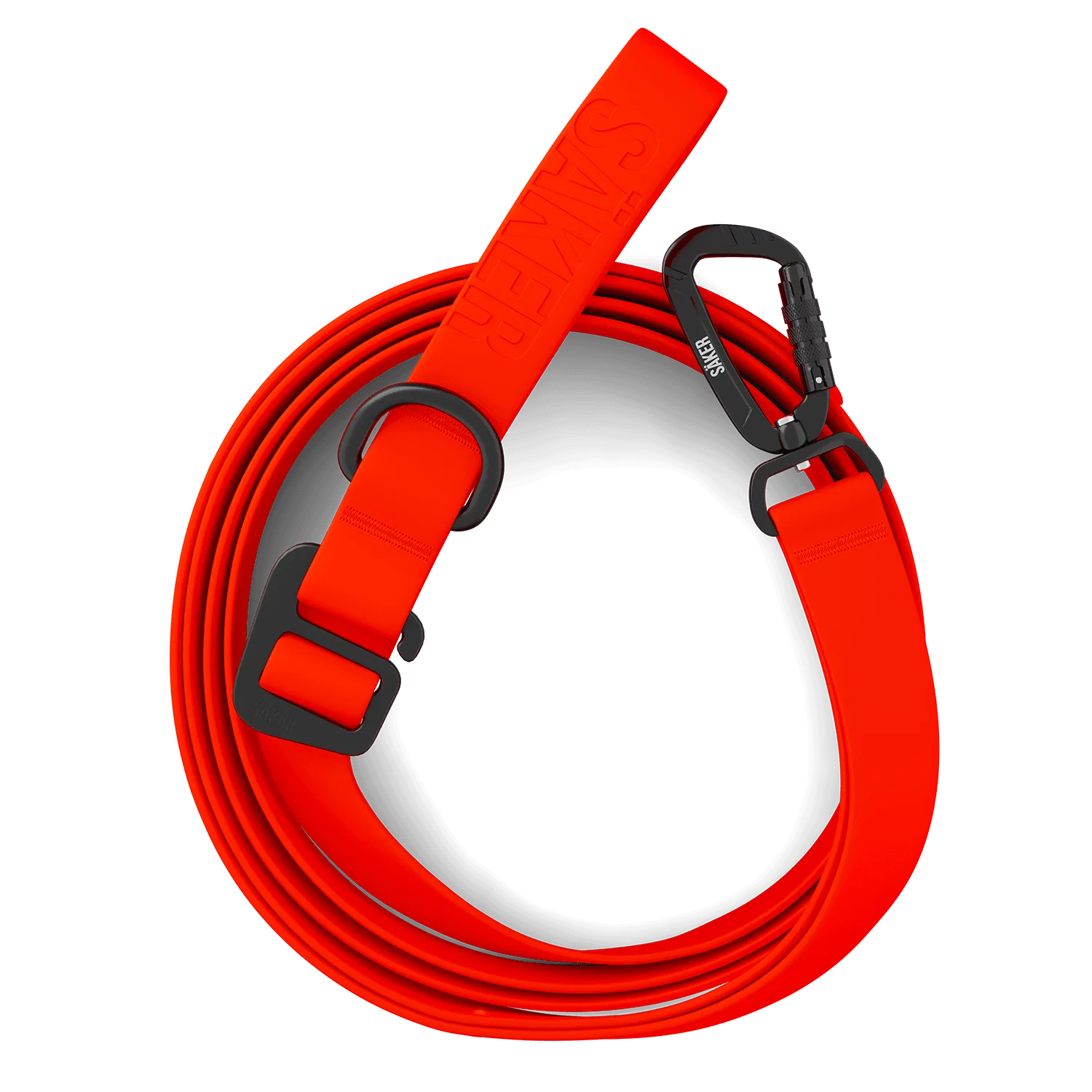
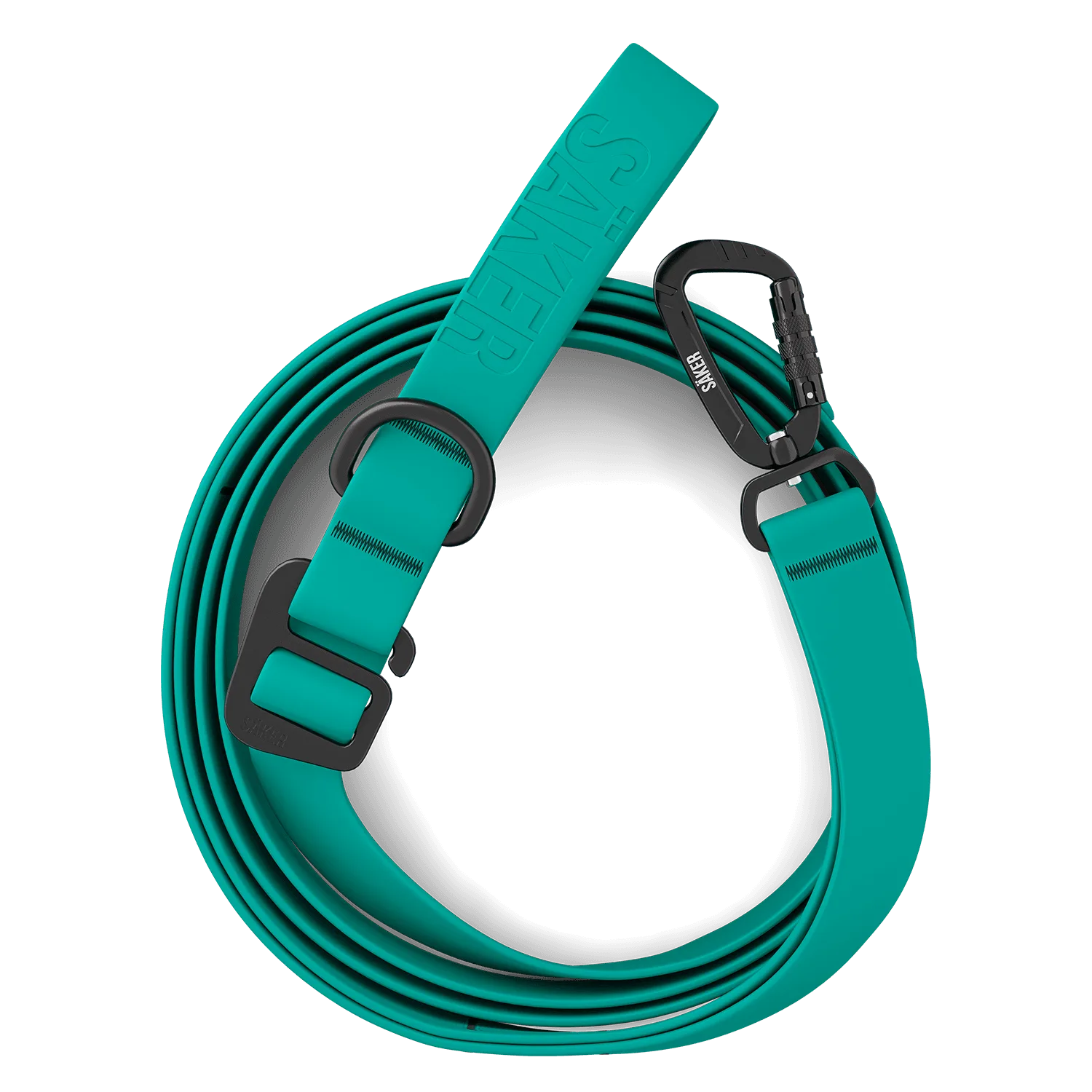
- Kelp™ Leash: Fully waterproof and effortlessly adjustable. Best for wet-weather walks, muddy trails, and swims where a soaked leash would otherwise stay damp.
- Kelp™ Leash: Fully waterproof and effortlessly adjustable. Same wet-weather advantages in a different color option, so you can pick the one that fits your walking setup.
- Trust™ Leash: Woven from climbing-rope construction and fortified with a DWR coating. A better fit for dry or lightly damp walks if you prefer a classic rope feel and light moisture resistance.
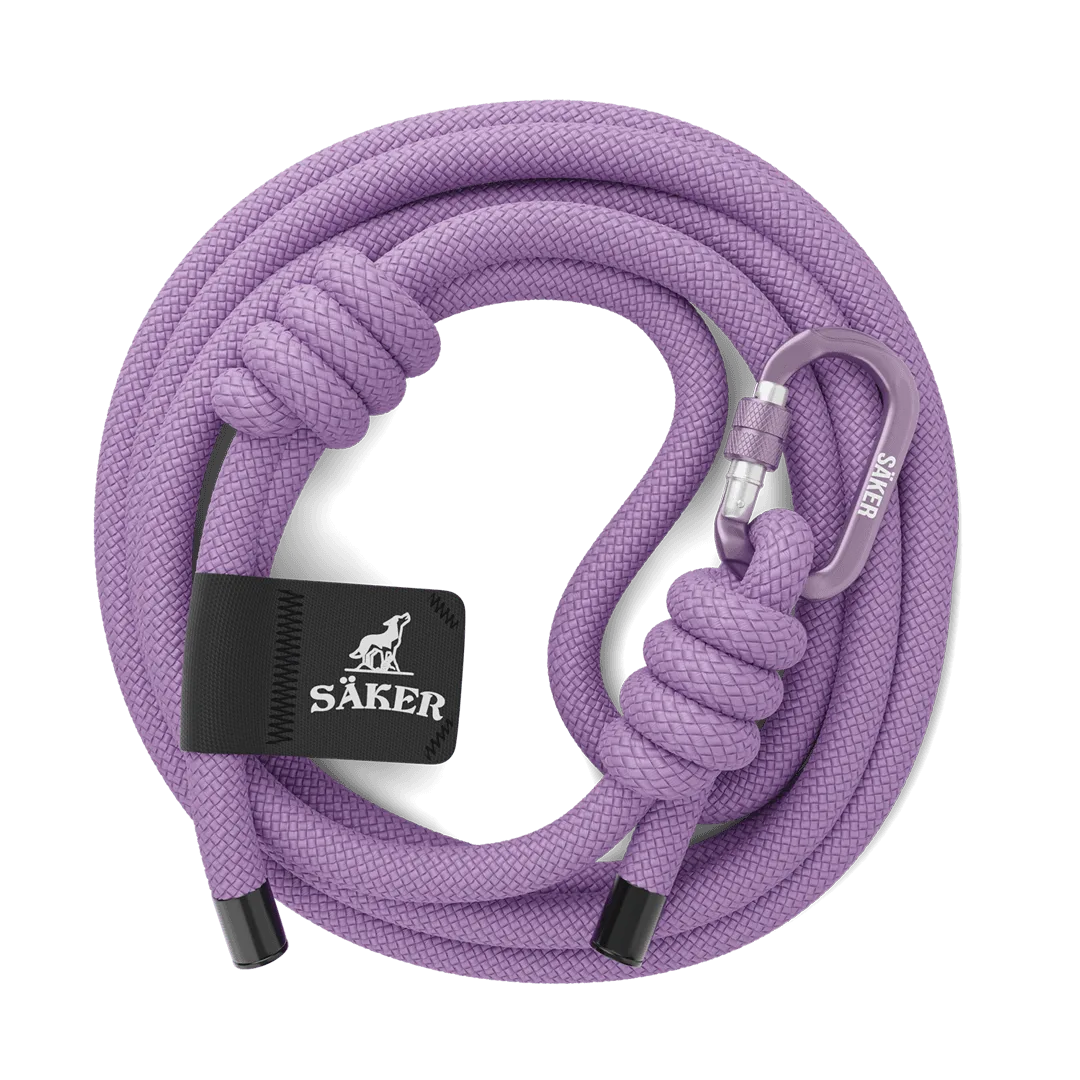
- Trust™ Leash: Woven from climbing-rope construction and fortified with a DWR coating. Same rope-style build in an alternate color, useful if you want a consistent look across your gear.
Who each leash style fits
Best for
- Owners who walk in rain, mud, or near water and want a leash that stays dry
- Owners who want one adjustable leash to cover changing walk conditions
Not for
- Owners who want a long line for open-field recall work without a fixed-length option
- Owners who need specific hardware details not listed in the catalog without confirming with the seller