Quick answer
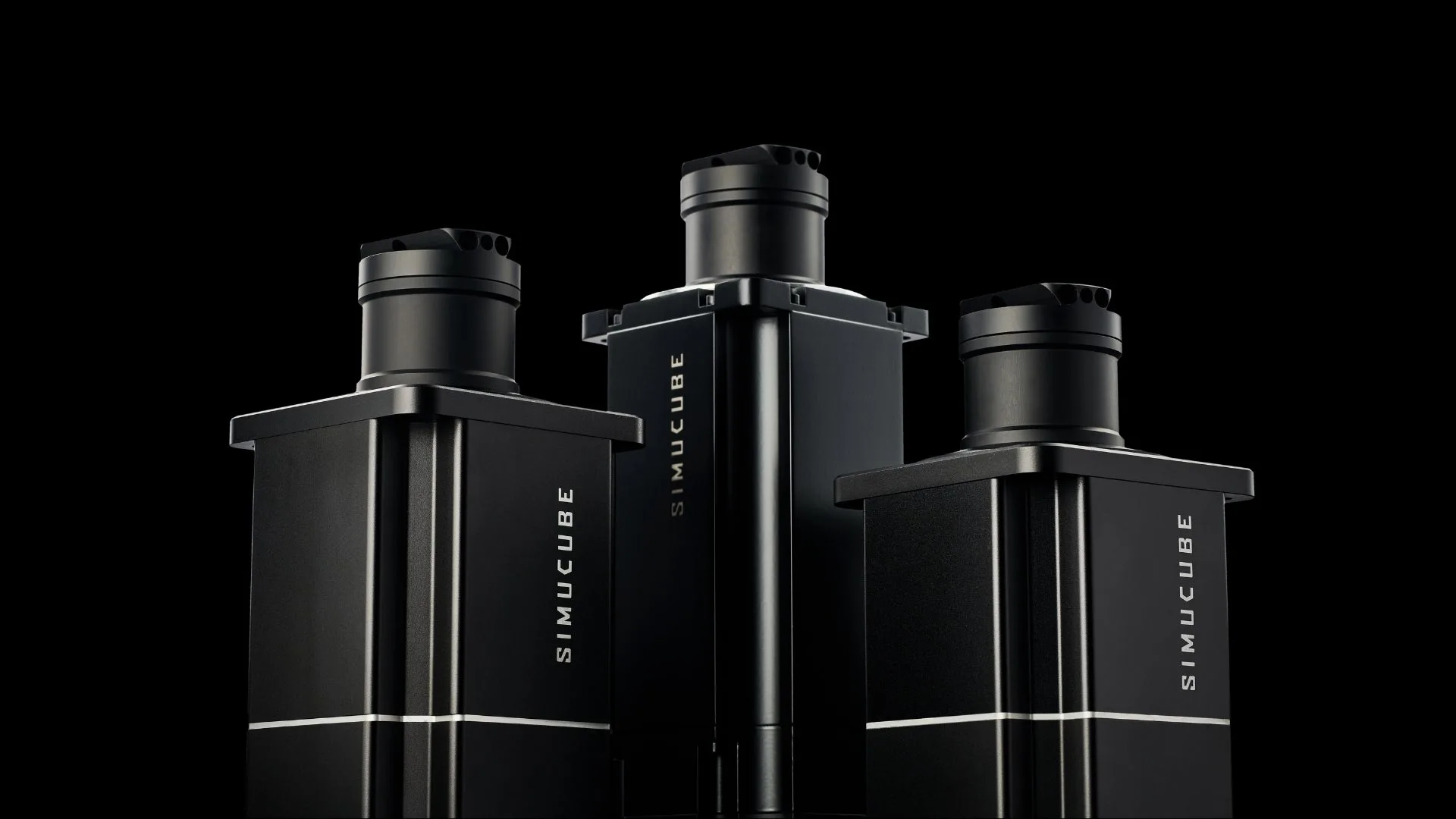
The biggest sim racing wheel mistakes are chasing specs you will not use, ignoring how a wheel feels in your hands, and buying without checking real compatibility. Focus on construction, ergonomics, and the mounting and electronics you actually need. A wheel like the GSI FPE V2 or the GT-MAX32 + Simucube 2 Pro Bundle makes sense when its design matches your driving style and rig, not when it simply has the longest feature list.
Buying a sim racing wheel should be exciting, but it is easy to get pulled into myths that lead to the wrong purchase. Many drivers assume more features always mean a better wheel, or that any direct drive wheel will automatically transform their lap times. The truth is simpler: a wheel works best when its construction, ergonomics, and controls match how you actually drive.
This guide breaks down the most common sim racing wheel mistakes and gives you a clear verdict on each one. Instead of chasing hype, you will learn what to check before you buy, from the materials used in the rim to the way a wheel mounts to your base. The goal is to help you choose a wheel you will still enjoy months from now.
Mistake 1: Assuming More Features Always Means Better
It is easy to look at a long list of buttons, knobs, and dials and assume that wheel is the best choice. But every added control adds weight, complexity, and cost. If you mostly race formula cars, you might never use half of those inputs. The real question is whether the wheel's layout supports the driving you do most often.
A wheel like the GSI Artemis is built without compromise, with every component engineered around performance. That level of refinement is valuable if you want the highest level of functionality GSI can deliver. But if you are a casual GT racer, a simpler wheel may give you everything you need without the extra cost. Match the wheel to your driving, not to a spec sheet.
- List the controls you actually use in your main racing discipline.
- Check whether the wheel's button layout matches your hand position.
- Remember that more features can mean more weight and a higher price.
Mistake 2: Ignoring Wheel Materials and Construction
The materials in a sim racing wheel affect weight, rigidity, and how the wheel feels over long sessions. A heavy wheel can dull force feedback, while a flexible rim can absorb detail you want to feel. Construction is not just about looks; it changes the driving experience.
The GSI GT-MAX32 is a good example of construction done differently. Its face and outer circular rim are a single carbon fiber unit, with handles over-molded in silicone for maximum grip and strength while reducing weight. That approach is not just marketing; it means the wheel is stiff and light, which can help you feel more of what the base is doing.
- Lighter wheels generally let force feedback come through more clearly.
- Check how the rim is constructed, not just what it is made of.
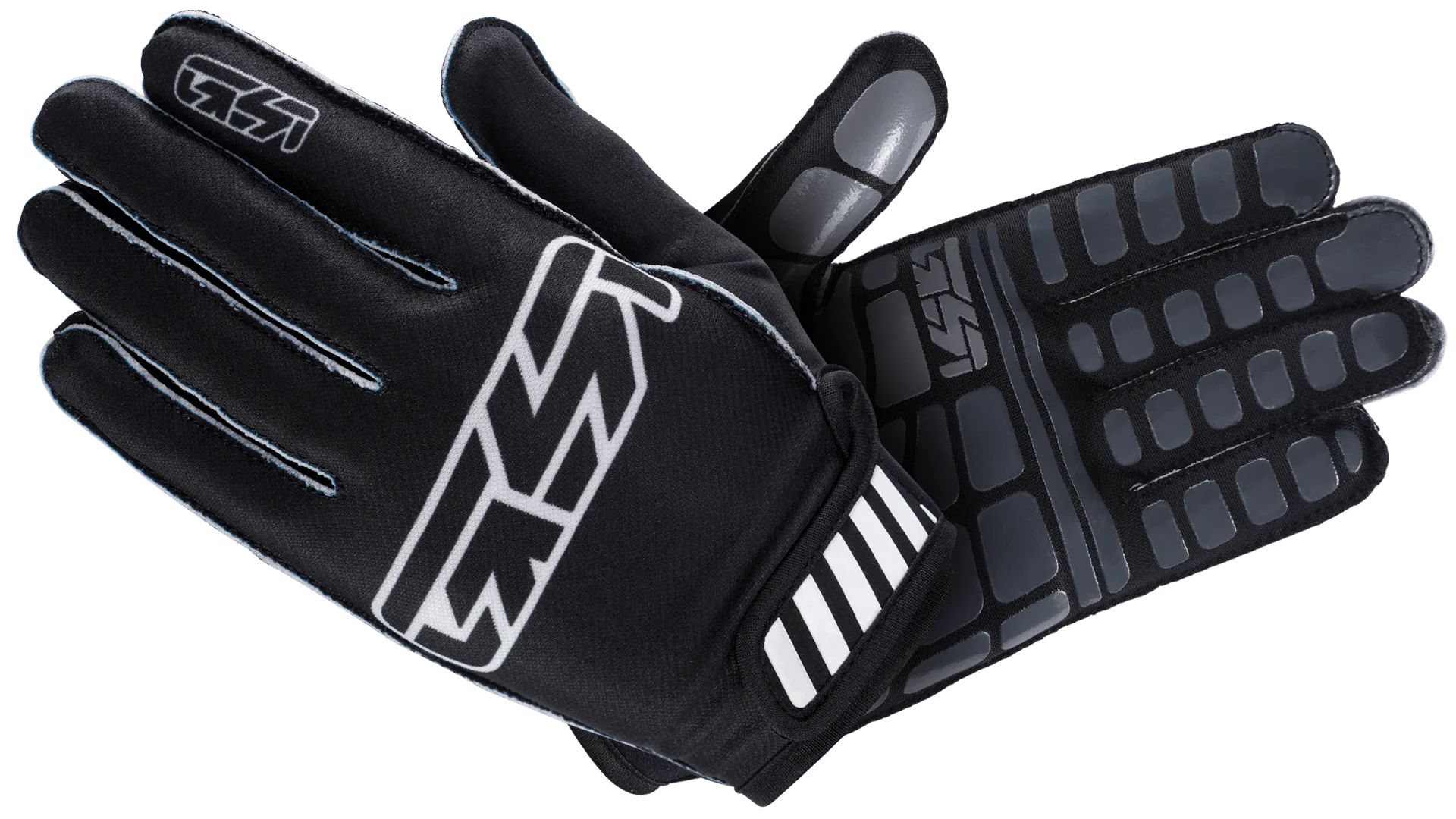
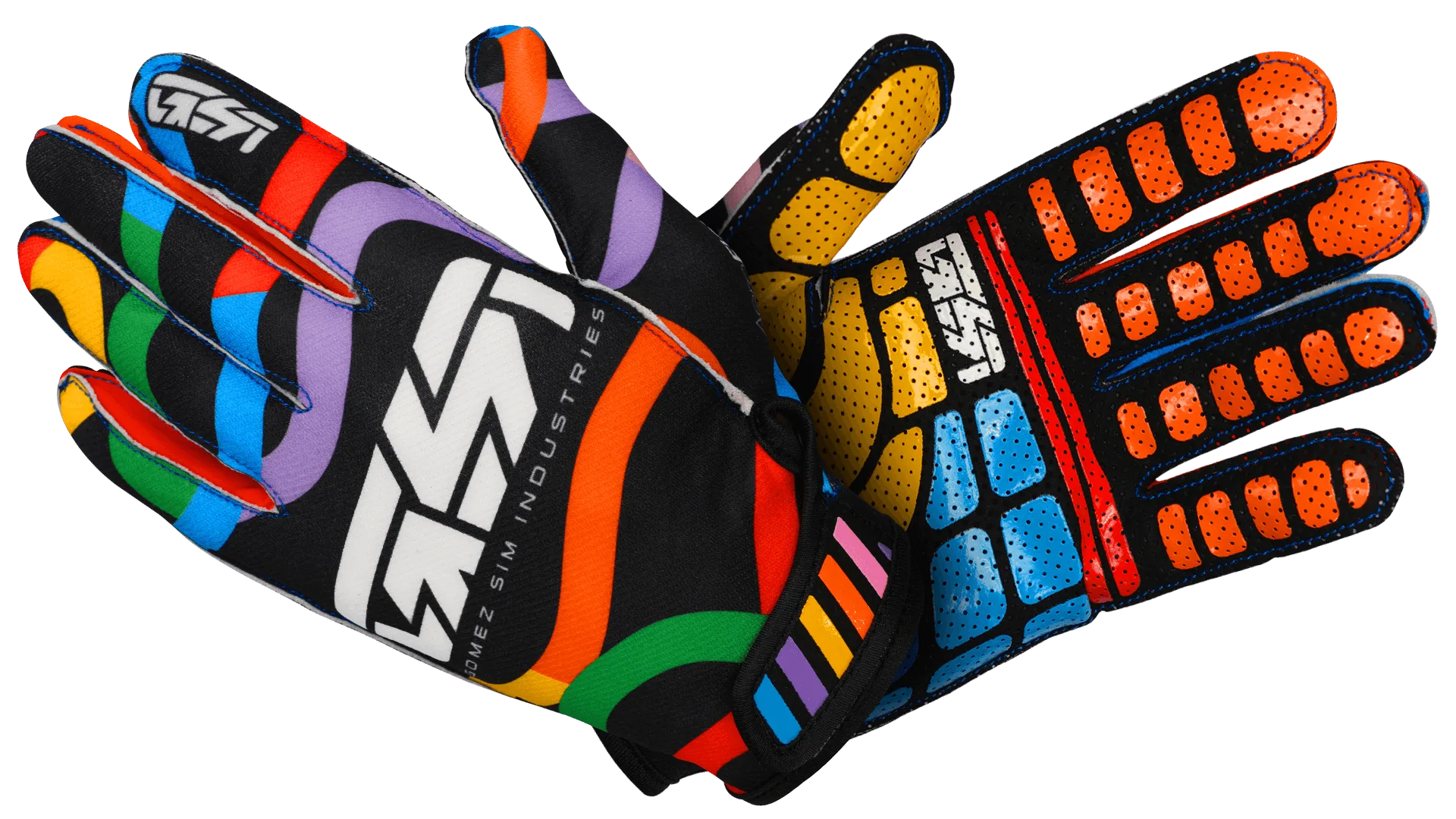
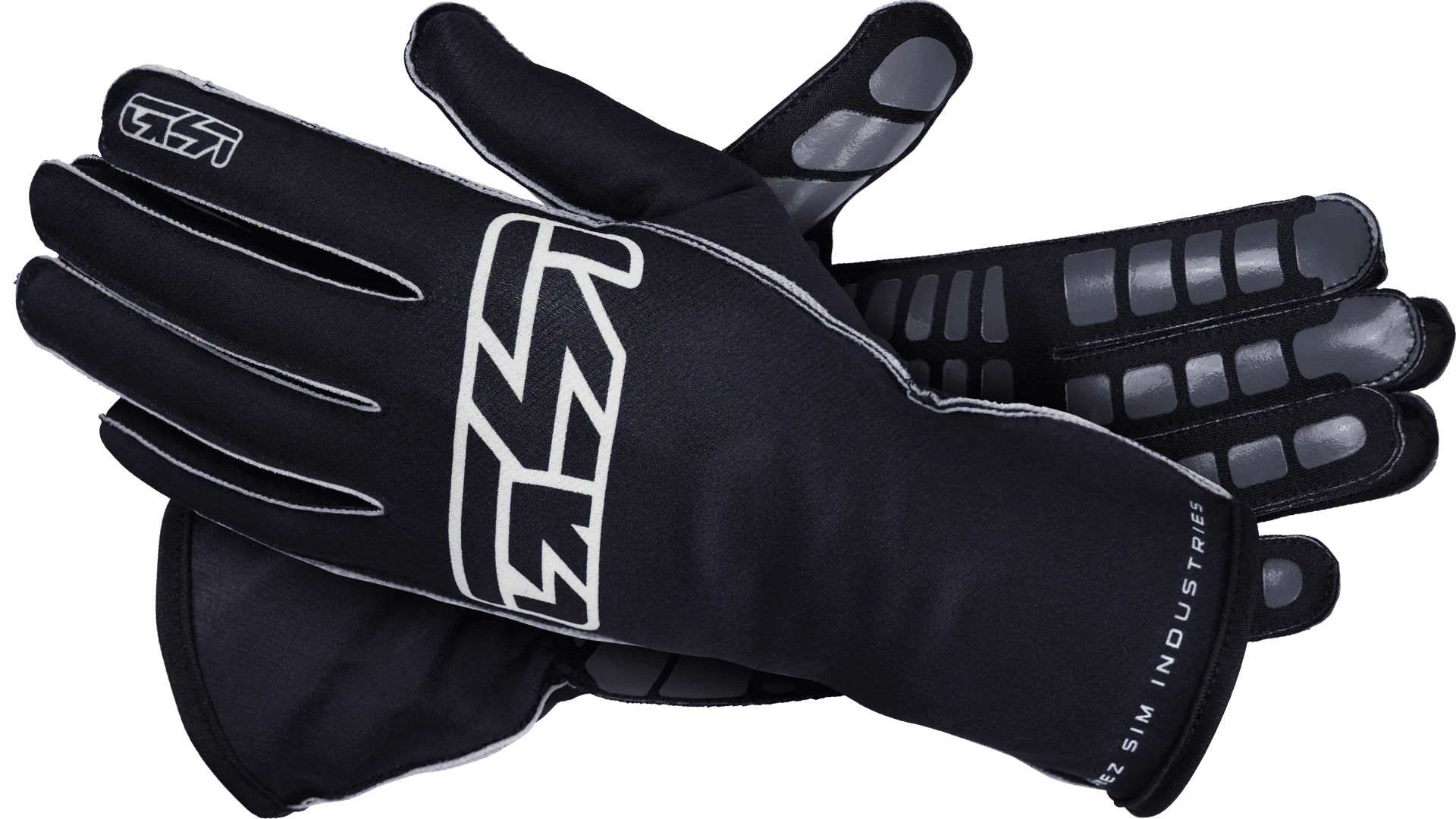
- Consider how the grip material feels with or without gloves.
Mistake 3: Overlooking Compatibility and Mounting
A wheel that does not fit your base or cockpit is a costly mistake. Before buying, confirm the bolt pattern and any required hub or extension. Many direct drive wheels use a 70mm PCD, but you should always verify the specific wheel and base combination.
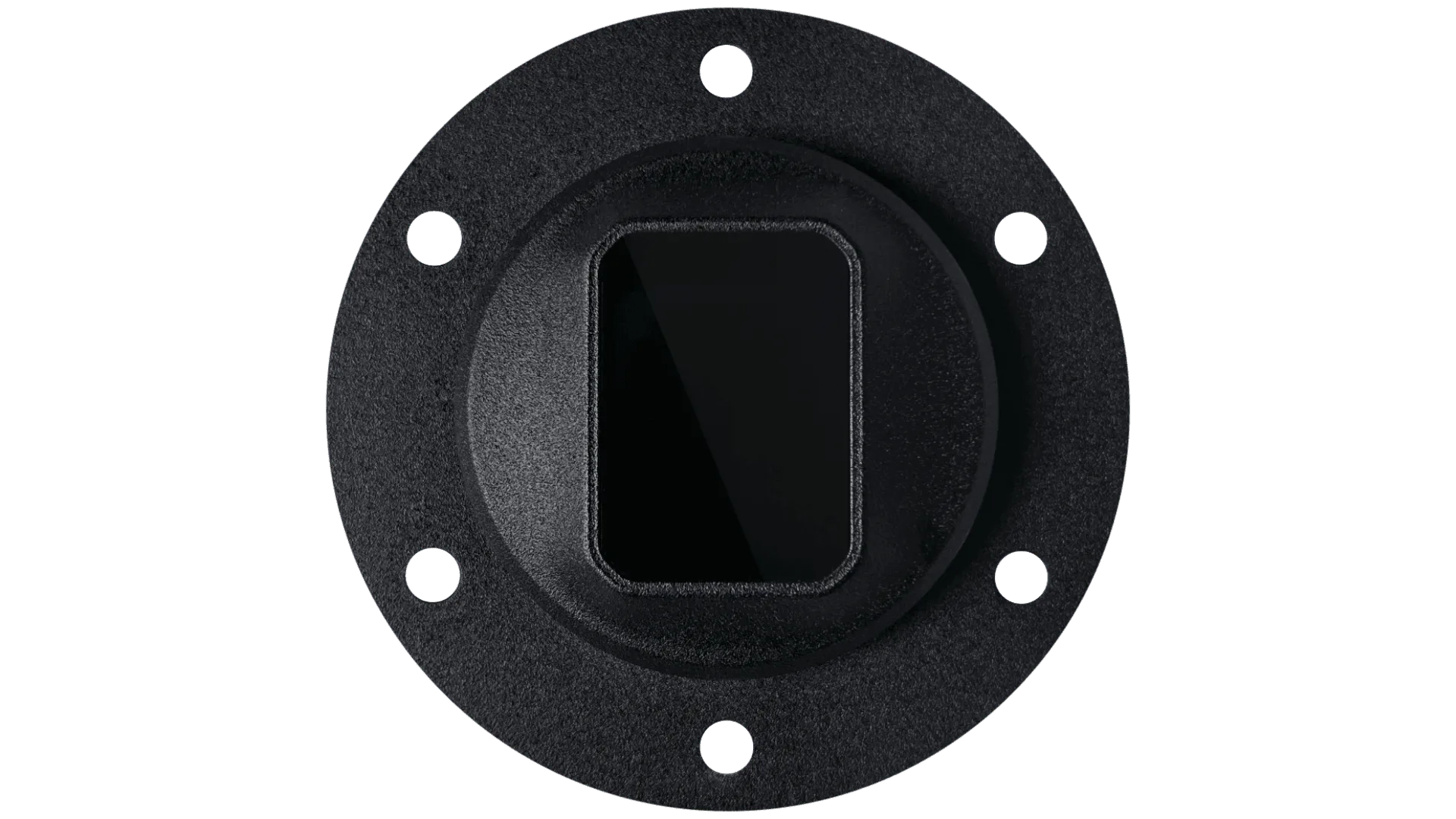
If you need more reach, a hub extension can solve ergonomic problems. The GSI AH100 Hub extends the shaft by 100mm and is constructed from billet 6061 aluminum for maximum strength and reliability. Each side uses a 70mm PCD, with one side threaded and the other non-threaded for versatile mounting. The AH50 Hub offers a 50mm extension with a compact 82mm diameter and the same 70mm bolt pattern on both sides, ensuring compatibility with all direct drive bases on the market.
- Measure your seating position before choosing an extension length.
- Check that the hub's bolt pattern matches your wheel and base.
- Threaded versus non-threaded holes affect how you bolt everything together.
Mistake 4: Believing a Direct Drive Wheel Automatically Makes You Faster
A direct drive wheel can provide more detail and responsiveness, but it will not fix poor technique or a badly set up rig. The wheel is a tool, not a shortcut. If your pedals are inconsistent or your seating position is wrong, a new wheel will not change that.
That said, a well-matched direct drive bundle can remove distractions. The FPE V2 + Simucube 2 Pro Bundle pairs a lightweight, customizable wheel with a proven base. The FPE V2 is described as a complete overhaul that redefines what a sim racing wheel can be, with tactile responsiveness for drivers seeking the pinnacle of technology and design. It helps most when the rest of your rig is already solid.
- Upgrade pedals or cockpit rigidity before chasing a faster wheel.
- Set up your force feedback properly before judging a new wheel.
- Expect better immersion and consistency, not instant lap records.
Mistake 5: Forgetting About Ergonomics and Long-Term Comfort
A wheel that feels great for five minutes can become uncomfortable after an hour. Grip size, button placement, and wheel diameter all affect how tired your hands and wrists get. If you race endurance events, comfort is not a luxury; it is a performance factor.
The GSI FPE V2 is built with a lightweight design and customizable features, which can help you dial in a setup that suits your hands. The Artemis is designed for drivers who want the highest level of functionality and refinement GSI can deliver. Neither will feel right for everyone, so think about your hand size and typical session length before you commit.
- Consider how the wheel feels with your preferred gloves.
- Check whether the button and paddle positions suit your hand size.
- If you race long stints, prioritize comfort over extra features.
Myth verdicts
- More features means a better wheel: Extra buttons and dials add weight, complexity, and cost. If you do not use them, they do not help. The GSI Artemis is built without compromise for drivers who want the highest level of functionality, but a simpler wheel may serve you better. Verdict: Myth. Match features to your driving discipline.
- Direct drive automatically makes you faster: A direct drive wheel like the FPE V2 + Simucube 2 Pro Bundle can improve detail and responsiveness, but it will not fix poor technique or a weak rig. Set up your pedals and seating first. Verdict: Partly true. It helps most when the rest of your rig is solid.
- Any wheel will fit your base: Mounting standards vary. The GSI AH100 Hub and AH50 Hub both use a 70mm PCD and are designed for compatibility with all direct drive bases on the market, but you should still verify your specific base and wheel. Verdict: Myth. Always check bolt patterns and extensions.
- Materials do not matter: Construction affects weight, rigidity, and feel. The GT-MAX32’s single carbon fiber unit with silicone over-molded handles is a concrete example of how materials change the driving experience. Verdict: Myth. Materials are a core part of performance.
Product facts that matter
- GT-MAX32 + Simucube 2 Pro Bundle: The GT-MAX32 is made from a continuous molded carbon footprint, with the face and outer circular rim as a single carbon fiber unit and handles over-molded in silicone for maximum grip and strength while reducing weight. A one-piece carbon construction can mean a stiffer, lighter wheel, which helps force feedback detail come through and reduces fatigue in long sessions.
- AH100 Hub: The AH100 Hub extends the shaft by 100mm and is constructed from billet 6061 aluminum for maximum strength and reliability. Each side uses a 70mm PCD, with one side threaded and the other non-threaded. A rigid aluminum extension lets you fix reach and seating position without introducing flex, and the dual bolt pattern makes it easier to mount to different bases and wheels.
- FPE V2: The FPE V2 is a complete overhaul that redefines what a sim racing wheel can be, with a combination of lightweight design, customizable features, and tactile responsiveness. A lightweight, customizable wheel can suit a wide range of drivers and helps you avoid the mistake of buying a wheel that is too heavy or too rigid for your preferences.
- Artemis: Artemis is GSI’s latest flagship wheel built without compromise, with every component selected and engineered around performance, from materials and controls to electronics and construction. A flagship wheel is a strong choice if you want the highest level of functionality and refinement, but it may be more than you need if you race casually.
Avoiding these common sim racing wheel mistakes comes down to one habit: buy for how you actually drive, not for how the spec sheet looks. Check construction, confirm compatibility, and prioritize ergonomics. When a wheel like the GSI FPE V2 or the GT-MAX32 + Simucube 2 Pro Bundle matches your rig and your racing, it stops being a purchase and becomes a tool you can trust.