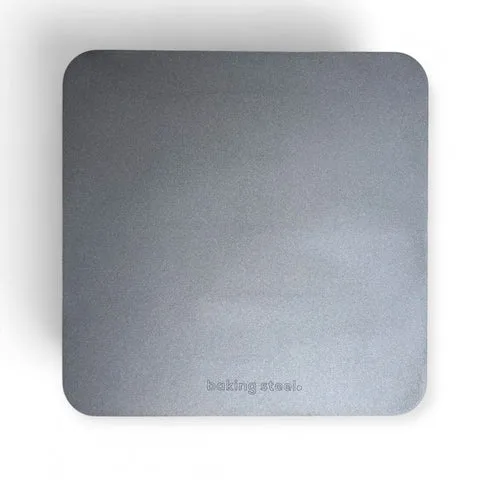
If you've just unboxed your first Baking Steel, you might be wondering about the dark, seasoned surface that develops over time. Seasoning isn't just about looks—it's the key to a non-stick cooking surface, rust prevention, and overall performance. In this guide, we'll cover everything you need to know about seasoning your Baking Steel, including why it matters, when to do it, and how to do it right.

Baking Steel
Whether you're a seasoned pizza pro or a home cook just starting out, understanding the seasoning process will help you get the most out of your steel. From the first bake to years of heavy use, proper care ensures your steel stays in top condition. Let's dive in.
Why Season Your Baking Steel?
Seasoning creates a polymerized layer of oil on the surface of the steel. This layer not only provides a natural non-stick surface but also protects the steel from moisture and oxygen, which are the main culprits behind rust. Without seasoning, your steel is more prone to sticking and corrosion, especially if you live in a humid environment.
A well-seasoned steel also enhances heat transfer and browning. The dark, seasoned surface absorbs heat more efficiently, helping you achieve that perfect leopard-spotted crust. Plus, it makes cleanup a breeze—food releases easily, and you won't need to scrub aggressively.
- Non-stick surface: Prevents dough and other foods from sticking.
- Rust prevention: Creates a barrier against moisture and oxygen.
- Improved browning: Dark surface absorbs and distributes heat better.
When Should You Season Your Baking Steel?
New Baking Steels come pre-seasoned from the factory, but they can still benefit from an initial light seasoning at home. This ensures an even layer and helps build up the protective coating. After that, you should season your steel whenever you notice food starting to stick or if you see any signs of rust.
If you've cleaned your steel with water or used harsh scrubbing, you may need to re-season it. Also, if you store your steel in a damp area, it's wise to check it periodically and re-season as needed. Regular maintenance will keep your steel in peak condition for years.
- Initial seasoning: Light coat when you first get your steel.
- After cleaning: Re-season if you've used water or soap.
- Signs of sticking: If food starts to stick, it's time to season.
How to Season Your Baking Steel: Step-by-Step
Seasoning your Baking Steel is a simple process that requires just a few materials: a high-smoke-point oil (like flaxseed, grapeseed, or canola), a paper towel or cloth, and an oven or stovetop. Here's how to do it:
First, ensure your steel is clean and dry. Apply a thin layer of oil to the entire surface, then use a clean cloth to wipe off as much as possible—you want only a micro-thin layer left. Place the steel upside down in a cold oven, then heat it to 400-450°F (200-230°C) and bake for one hour. After the hour, turn off the oven and let the steel cool completely inside. Repeat this process 2-3 times for a robust seasoning layer.
- Use a high-smoke-point oil like flaxseed or grapeseed.
- Apply a very thin coat—wipe off excess to avoid sticky residue.
- Bake at 400-450°F for one hour, then cool in the oven.
Maintaining Your Seasoning: Daily Care Tips
To keep your seasoning intact, avoid using soap or harsh detergents. Instead, scrape off food residue with a metal spatula or a stiff brush, then wipe with a dry cloth. If you need to use water, dry the steel thoroughly and apply a light coat of oil before storing.
For stubborn residue, you can use a Baking Steel Cleaning Brick, which is designed to gently scrub without damaging the seasoning. After cleaning, always dry and re-oil your steel to maintain the protective layer.
- Avoid soap—use a scraper or brush instead.
- Dry thoroughly after any water contact.
- Apply a light oil coat after cleaning to protect the surface.
Troubleshooting: Rust and Sticking Issues
If you notice rust spots on your steel, don't panic. You can remove them with a fine-grit sandpaper or steel wool, then re-season the affected area. For sticking issues, a simple re-seasoning usually resolves the problem. Remember, a well-seasoned steel is the best defense against both rust and sticking.
If you're using your steel frequently, you might want to invest in a dough container to keep your dough ready for baking. The Baking Steel Dough Container – 5L Cold Proofing Box is perfect for cold fermentation, which can improve your crust and reduce sticking during shaping.
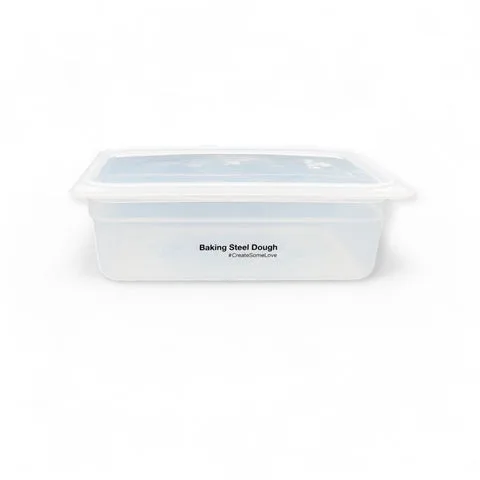
Baking Steel Dough Container – 5L Cold Proofing Box
- Rust: Sand off and re-season immediately.
- Sticking: Re-season with a thin oil coat.
- Prevention: Store in a dry place and oil after each use.
Seasoning your Baking Steel is a simple yet crucial part of ownership. By following these steps, you'll ensure a non-stick surface, prevent rust, and extend the life of your steel. For more tips and tools, check out the Baking Steel Pro, which comes pre-seasoned and ready for your next pizza night.