Quick answer
Never use tap water, saliva, or homemade saline on your lenses — only fresh, unexpired contact lens solution. Clean and air-dry your case daily, replace it every one to three months, and follow your hydrogen peroxide system's instructions exactly. If your eyes are red, painful, or blurry, remove the lenses and see an eye doctor.
Why tap water is the most dangerous shortcut
Tap water contains microorganisms that can survive on lenses and cause serious eye infections. Even bottled or distilled water is not sterile for contact lens use. If you have ever rinsed a lens under the tap, you are not alone — but that habit is the leading cause of preventable contact lens-related infections. The fix is simple: keep a sealed travel bottle of fresh solution in your bag and never let water touch your lenses or case. If a lens does touch water, discard it immediately. Do not try to 'clean' it with more water or solution.
Expired solution: when the preservative stops working
Contact lens solution has a shelf life, and once opened, it can become contaminated over time. Using expired solution means you are storing your lenses in a liquid that no longer effectively disinfects. Check the expiration date on the bottle and the discard date after opening (often 30 or 90 days). If you cannot remember when you opened it, replace it. The same goes for solution that has changed color or has floating particles — throw it out. Never top off an old bottle with new solution.
Case cleaning: the step most people skip
Your lens case is a petri dish if you do not clean it. Every time you store your lenses, you should empty the old solution, rinse the case with fresh solution, and let it air-dry face down on a clean tissue. Do not use tap water to rinse the case. Replace the case at least every three months — more often if you wear lenses daily. A dirty case can reintroduce bacteria to your lenses even if you use fresh solution every night. If your case has a slimy film or odor, replace it now.
Hydrogen peroxide systems: powerful but unforgiving
Hydrogen peroxide contact lens care systems are excellent for sensitive eyes because they are preservative-free. But they require a special case with a neutralizing disc, and you must never put hydrogen peroxide solution directly into your eye. The neutralization process takes several hours — usually at least six. If you remove lenses early, you risk a painful chemical burn. Always follow the manufacturer's instructions exactly, and never use a flat case or a regular lens case with peroxide. If you travel, pack the entire system, not just the bottle.
Storing lenses overnight: the right way
Overnight storage is when your lenses get disinfected, so it matters. Fill the case with fresh solution — never reuse old solution — and tighten the caps. Do not store lenses in a case that is not completely dry from the last use, as trapped moisture can harbor germs. If you wear daily disposable lenses, do not store them overnight at all; throw them away after one use. For weekly or monthly lenses, follow the replacement schedule exactly. Storing lenses in solution for weeks beyond their recommended wear time is not a substitute for replacing them.
When to stop and see an eye doctor
If you experience eye pain, redness, light sensitivity, excessive tearing, or blurry vision that does not clear after removing your lenses, remove them immediately and call an eye doctor. Do not try to diagnose yourself or wait it out. These symptoms can indicate a corneal infection, which can become serious quickly. Also see your eye doctor if you have recurrent discomfort with your current solution or lenses — you may need a different solution or lens material.
Diagnose your lens care mistake
- Symptom: Lenses feel slimy or filmy after storage: Likely cause: Reusing old solution or a dirty case. Corrective action: Empty and rinse the case with fresh solution daily, air-dry it face down, and replace the case every three months. Always use fresh solution for storage. If the film persists after a new case and fresh solution, replace the lenses.
- Symptom: Burning or stinging when you insert lenses: Likely cause: Hydrogen peroxide not fully neutralized, or solution trapped in the lens. Corrective action: Check that you used the correct case and waited the full neutralization time. Rinse lenses with fresh saline before insertion if directed by your eye doctor. Never put hydrogen peroxide directly in your eye. If burning continues, remove lenses and call your eye doctor.
- Symptom: Red, irritated eyes after wearing lenses: Likely cause: Tap water exposure, expired solution, or over-wearing lenses. Corrective action: Remove lenses, discard them if they touched water, and switch to fresh, unexpired solution. Follow your replacement schedule strictly. If redness, pain, or blurry vision does not improve within a few hours, see an eye doctor immediately.
Product facts
- 0BB 363: Brooks Brothers Optical 0BB 363 is available in a Gunmetal frame with Clear lenses, with configurable Frame Color and Lens Color options. If you wear glasses as a backup when your eyes need a break from contacts, having a comfortable, customizable pair makes it easier to give your eyes a rest.
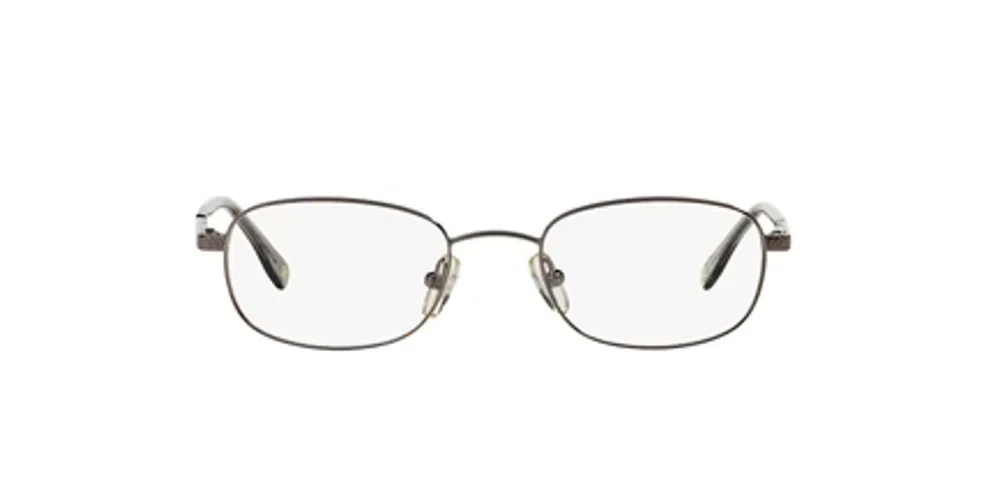
0BB 363
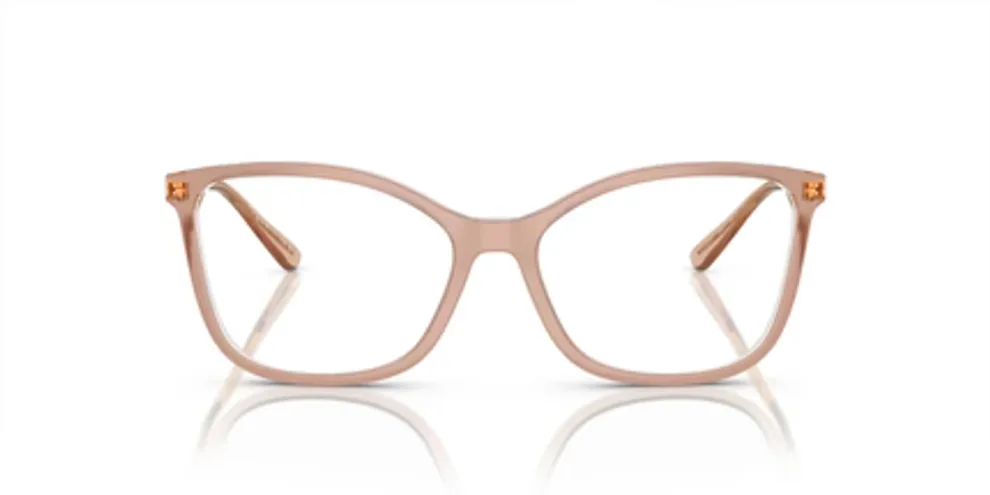
- 0VO5334: Vogue Optical 0VO5334 features a Transparent Pink frame with Clear lenses, offering a clean, contemporary look for everyday wear. A lightweight everyday frame encourages you to swap out of contacts when your eyes feel dry or irritated, reducing the temptation to over-wear lenses.
- SAPETH: Out East Eyewear SAPETH combines a Tortoise frame with Blue lenses for a refined everyday look. Blue lenses can help reduce glare and screen strain, making them a practical alternative on days when your eyes need a break from contact lenses.