Quick answer
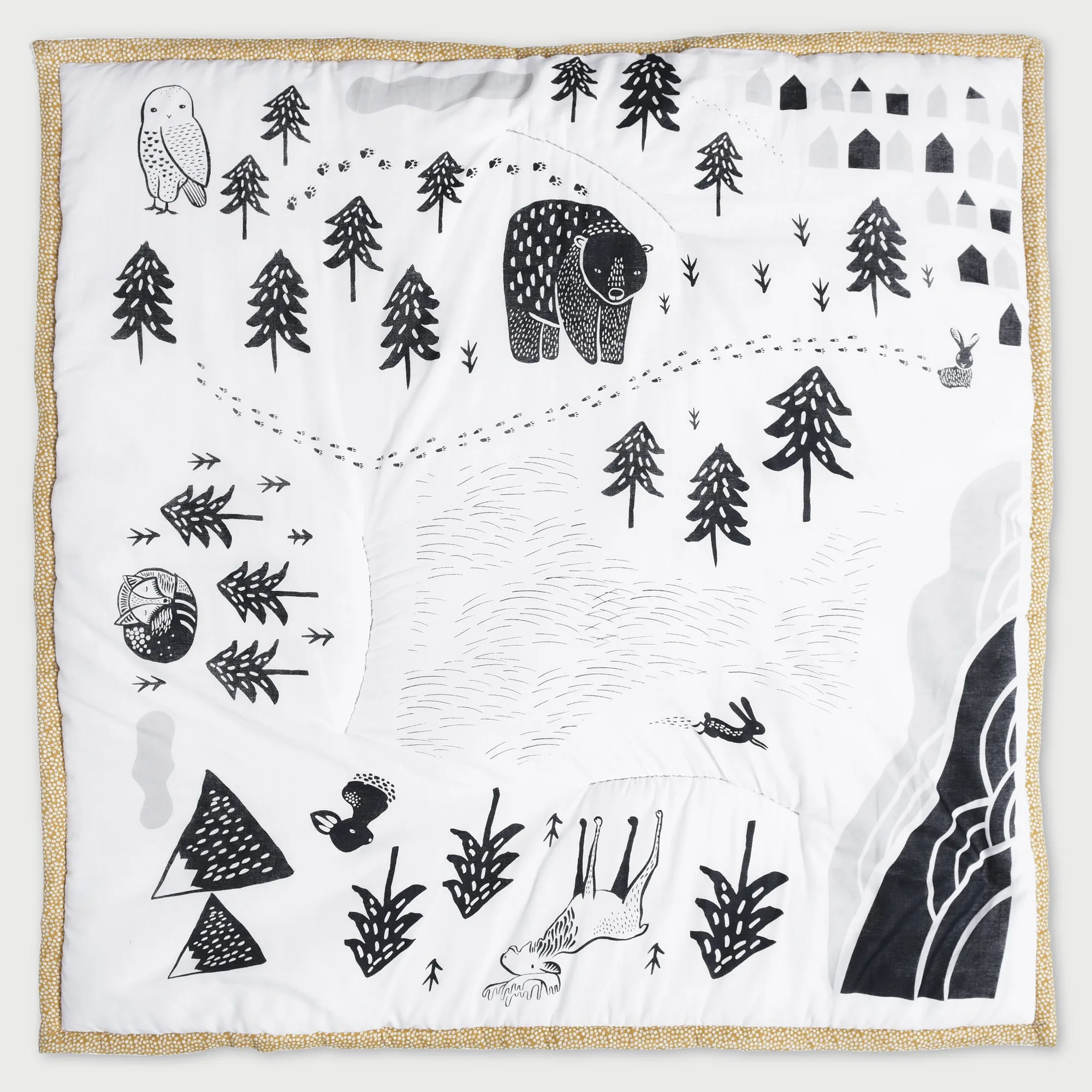
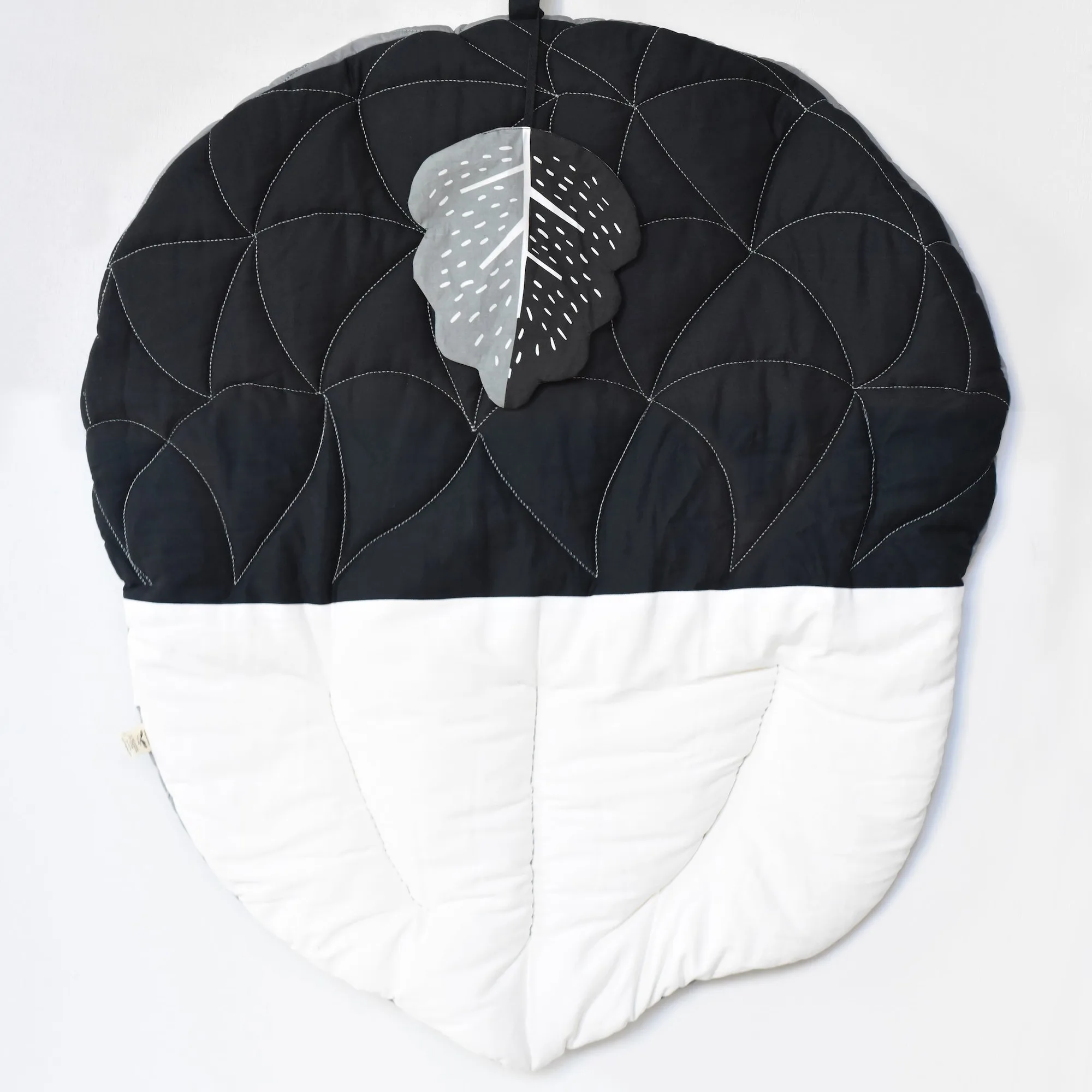
Choose a low-traffic corner with soft light, lay down a generously sized quilted play mat like the Quilted Playmat - Acorn, and add two or three textured toys within reach. Keep the area uncluttered so your baby can focus on one or two sensations at a time, and reset it after each play session.
Why a dedicated corner works better than a shared play space
Babies process touch, sight, and sound more easily when the input is predictable. A defined corner signals that this is where sensory play happens, which helps your baby settle faster and explore longer. You do not need a whole room; a 1-by-1.5 meter patch of floor near a wall is enough.
The mat does most of the work here. A quilted surface with raised stitching gives your baby tactile feedback with every roll and scoot, while a high-contrast print gives the eyes something clear to track. That combination is why a play mat is the anchor of a sensory play area rather than an afterthought.
What to keep in and what to leave out
Aim for three or four items total, rotated weekly. More than that and babies tend to swipe rather than investigate. Rotating also keeps the corner feeling new without buying anything else.
Skip anything that needs an adult to hold it, and skip battery-heavy toys that do the playing for your baby. The point is active exploration, not passive entertainment.
- In: one quilted or textured mat, one crinkle or rattle element, one soft graspable toy, one high-contrast card or book.
- Out: loose blankets that bunch up, hard-edged toys, and anything with a cord or strap longer than 20 cm.
How to make the corner work at different ages
For newborns to about 3 months, the corner is mostly a looking and listening space. Place your baby on their back on the mat and move a high-contrast card slowly through their field of view. For 3 to 6 months, add a graspable toy for tummy time. From 6 months, expect rolling and reaching, so clear a wider perimeter and check that the mat does not slide on your floor.
If your baby loses interest after a few minutes, that is normal. Short, frequent sessions beat one long one.
Setting up your sensory play corner, step by step
- Pick a corner with soft, indirect light: Choose a spot away from walkways, TVs, and direct sun. Test it by sitting on the floor there yourself for a minute; if you are squinting or people keep stepping past you, it is the wrong corner. Checkpoint: you can leave your baby on the floor there for 10 minutes without moving them.
- Lay the mat flat and check it does not slide: Unroll the Quilted Playmat - Acorn and press the edges down. On hardwood or tile, test with your palm: if the mat shifts when you push sideways, add a non-slip rug pad underneath. On carpet, most quilted mats stay put. Common mistake: placing the mat on top of a blanket, which bunches and creates a tripping hazard.
- Add one sound element and one graspable toy: Place the attached crinkle leaf within reach of your baby's hands, then set the Taggy Ball with Rattle - Woodland just beyond it so your baby has to reach slightly. Keep the rest of the corner empty. Checkpoint: your baby can touch both items by rolling or reaching, without you handing them over.
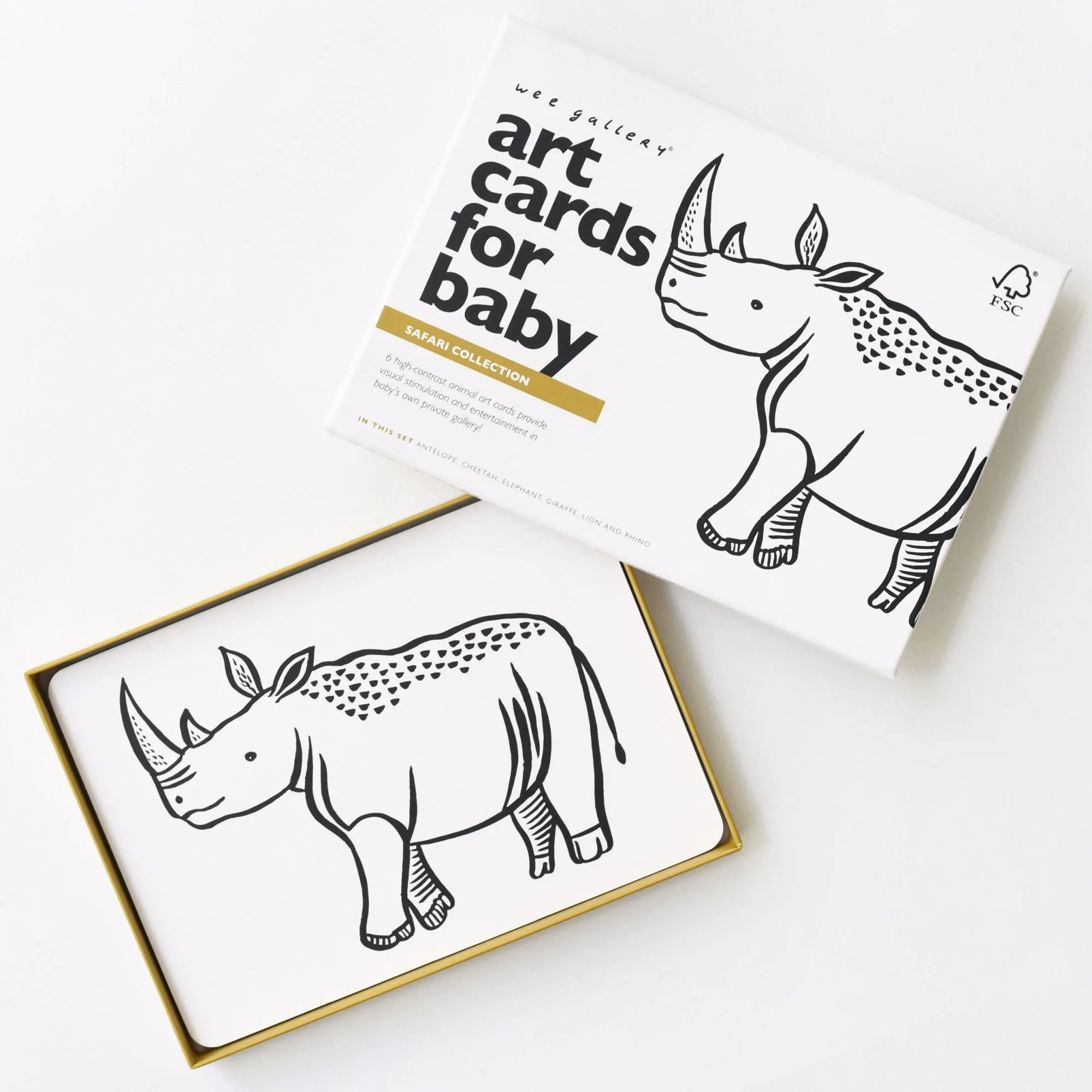
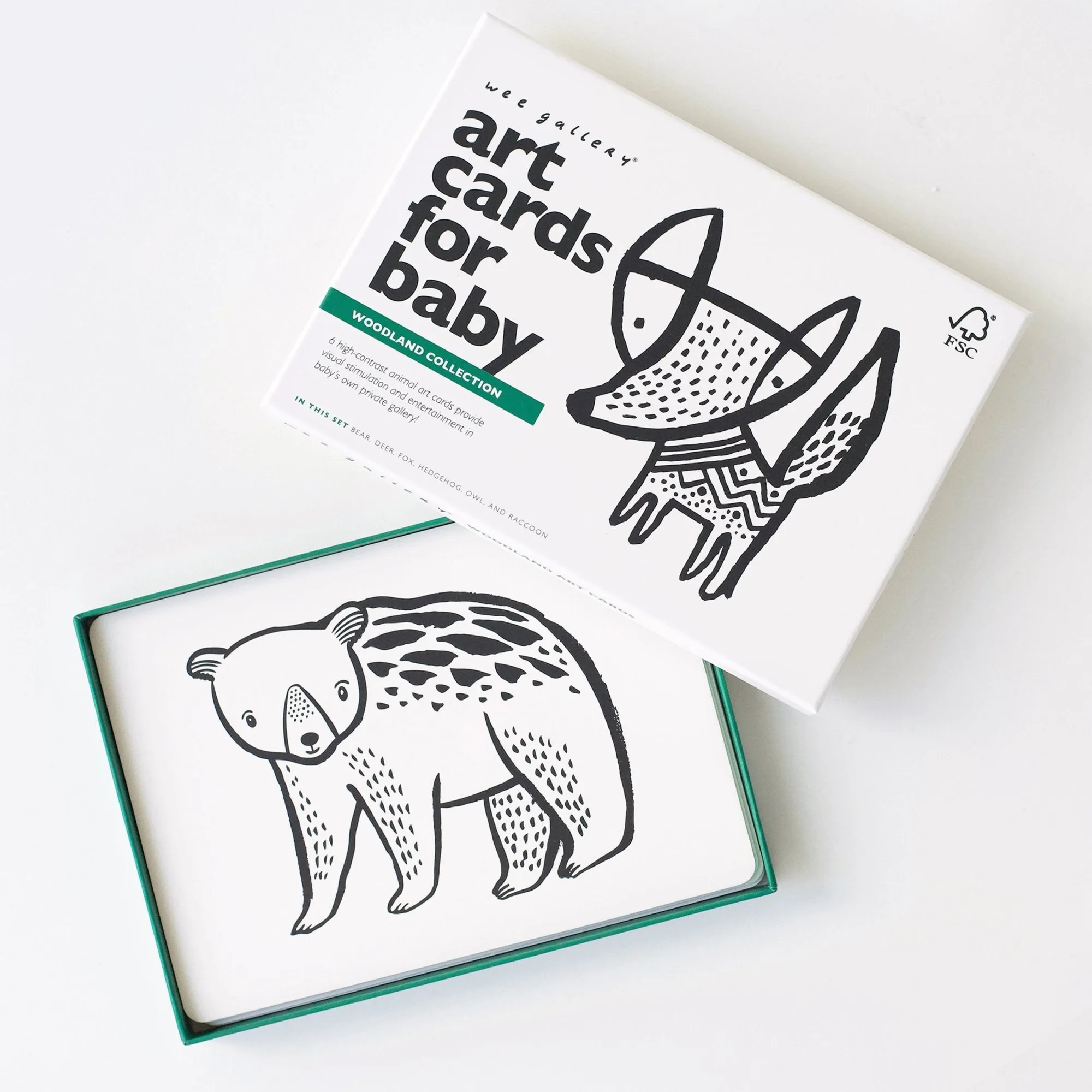
- Set up the visual element at eye level: Prop one high-contrast art card from the Newborn Baby Gift Set - Baby Animals against the wall or hold it about 25-30 cm from your baby's face during floor time. Move it slowly and pause; tracking is the goal, not speed. Common mistake: placing the card too far away or leaving it static, which gives the eyes nothing to follow.
- Run a 5-10 minute session, then reset: Start with 5 minutes for newborns and work up to 10 for older babies. End while your baby is still content rather than waiting for fussing. Afterward, put the toys back in the same spots so the corner looks the same next time. Next step: rotate one item each week instead of adding new ones.
Product facts that shape the setup
- Quilted Playmat - Acorn: The Quilted Playmat - Acorn is a high-contrast, quilted playmat with an attached crinkle toy leaf and a generous size and fill. The quilting adds tactile variety under your baby, the crinkle leaf adds a sound element without extra toys, and the size and fill make it a stable base for a corner rather than a thin cover.
- Taggy Ball with Rattle - Woodland: The Taggy Ball with Rattle - Woodland is a soft Montessori-inspired ball made from a patchwork of organic fabrics with little tags and high-contrast woodland graphics. The tags give small hands something to grip and tug, so it works as the single graspable toy in the corner without adding clutter.
- Newborn Baby Gift Set - Baby Animals: The Newborn Baby Gift Set - Baby Animals includes an organic muslin cotton swaddle, an organic cotton penguin teether, art cards for baby, and a custom gift box. The art cards double as the high-contrast visual element in the corner, and the teether covers the mouthing stage without buying separate pieces.