Quick answer
Most home bakers do not need a full bakeware set. Buy individual pieces that match what you actually bake: a sheet pan, a round cake pan, a loaf pan, and a muffin tin cover the majority of recipes. A starter bakeware set makes sense only if you bake several times a month, want matching sizes, and have the cabinet space to store every pan. If you bake occasionally or have a small kitchen, individual pieces win.
Walk down any bakeware aisle and you will see boxed sets promising everything you need. The problem is that most sets include at least one pan you will use twice a year, and those extra pieces eat storage space in a small kitchen. The better question is not which set is best, but which pieces you will actually reach for.
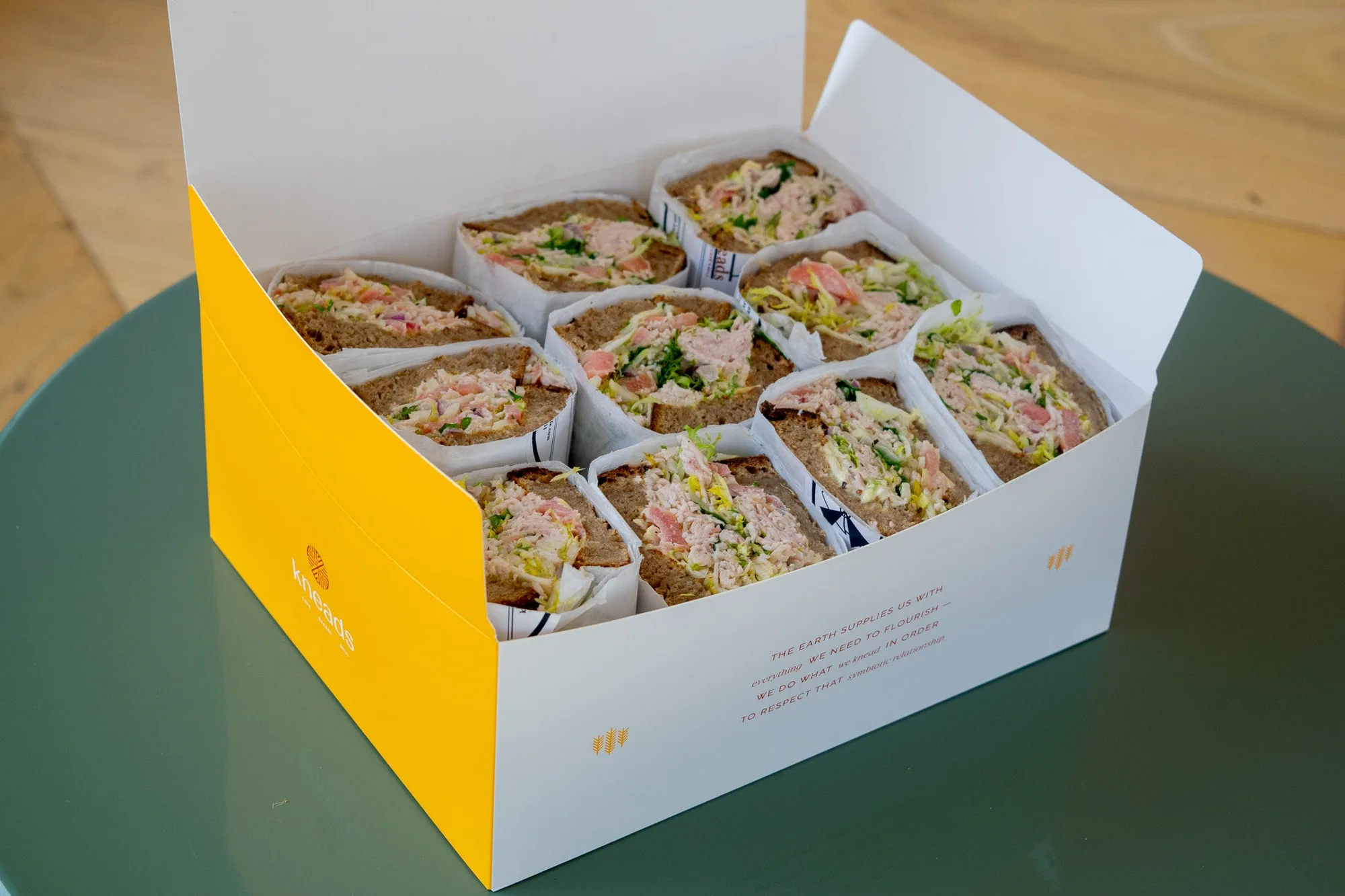
This guide gives you concrete decision rules for choosing between a bakeware set vs individual pieces, plus a short list of bakeware essentials that covers most recipes. It also explains when a specialty item, like a celebration cake or a seasonal treat from Kneads, is worth buying instead of baking from scratch.
Start with what you actually bake
Before comparing sets, write down the last five things you baked. If the list is cookies, sheet-pan dinners, muffins, and the occasional loaf, your bakeware essentials are a rimmed sheet pan, a muffin tin, and a loaf pan. A 9-inch round cake pan covers birthday cakes and quick cakes. That is four pieces, and they cost less together than most 10-piece sets.
If your list includes pies, tarts, or a specific celebration cake, add one specialty pan rather than a set that includes three you will never use. The goal is to match pans to recipes, not to fill a cabinet.
- Count how many times you baked in the last month. Fewer than two times: buy individual pieces.
- Check your recipes for pan sizes before buying. A set with the wrong sizes is not a bargain.
When a starter bakeware set makes sense
A starter bakeware set is a reasonable buy if you are setting up a kitchen from scratch, bake at least weekly, and have a cabinet or shelf dedicated to bakeware. Sets usually cost less per pan than buying the same pieces individually, and matching sizes make stacking easier. They also remove the guesswork of choosing sizes one by one.
The trade-off is duplication. Many sets include both a square and a round pan in similar sizes, or two sheet pans when one would do. If you have limited storage, that duplication becomes clutter. Buy the set only if you can name a use for every piece in the box.
- Read the set contents list and cross out any pan you cannot picture using this year.
- If you cross out more than two pieces, buy individual pans instead.
Storage and small kitchens
Bakeware for small kitchens is a storage problem before it is a baking problem. Sheet pans and muffin tins stack, but round cake pans and loaf pans of different sizes do not nest well. A full set can take up an entire lower cabinet. Individual pieces let you buy only what fits.
Measure your cabinet before buying. A standard half-sheet pan is about 18 by 13 inches, which is wider than many upper cabinets. If your storage is tight, choose a quarter-sheet pan or a set of nested round pans. Also consider whether you can hang pans on a wall or store them in an oven drawer.
- Measure the inside of your cabinet, not the door opening.
- Nested sets save space; mismatched sizes waste it.
Material and care trade-offs
Most bakeware is aluminum, aluminized steel, or nonstick-coated steel. Aluminum heats evenly and is inexpensive, but it reacts with acidic batters and should be hand-washed. Aluminized steel resists rust better and is common in commercial kitchens. Nonstick coatings release food easily but can scratch and degrade over time, especially if you cut in the pan.
If you bake often, uncoated aluminum or aluminized steel with parchment paper is the most durable route. If you want easy release and do not mind replacing pans every few years, nonstick is fine. Avoid dark nonstick for delicate cakes; it browns crusts faster and can burn the bottom.
- Use parchment paper on uncoated pans for easy release and faster cleanup.
- Never cut directly in a nonstick pan; use a cutting board.
Buying fewer, better pieces
A small collection of sturdy pans outperforms a large set of thin ones. Thin pans warp at high heat and bake unevenly, which shows up as burnt edges and raw centers. If you are choosing between a 12-piece set and four heavier pans, the four heavier pans are the better long-term buy.
This is also where buying from a bakery you trust can help. If you only need a celebration cake once or twice a year, ordering a finished cake is often cheaper and more reliable than buying a specialty pan you will store for months. The same logic applies to seasonal pastries: buy the treat, skip the pan.
- Pick pans with rolled edges and a gauge that feels rigid, not flexible.
- For occasional specialties, buy the finished baked good instead of the pan.
Decision rules for buying a set or individual pieces
- Bake frequency: Count your baking sessions per month. If you bake fewer than twice a month, buy individual pieces. If you bake weekly or more and have storage, a starter bakeware set can save money per pan. Frequency is the strongest signal. Occasional bakers rarely use every piece in a set.
- Storage capacity: Measure your cabinet space. A full set can require a dedicated shelf. If you cannot store it without stacking awkwardly, choose individual pieces that nest. If storage is tight, buy only the pans you use monthly.
- Recipe match: List the pan sizes your five most-cooked recipes call for. Buy those sizes first. Add a set only if it includes those exact sizes plus one or two you will genuinely use. A set that does not match your recipes is not a value, no matter the price.
- Specialty vs. staple: If a pan is for a once-a-year recipe, such as a holiday cake or a specific pastry, consider buying the finished item instead. Kneads offers celebration and seasonal baked goods that remove the need for a single-use pan. Buy the pan only if you will use it at least three times a year.
- Material durability: Choose uncoated aluminum or aluminized steel for even heating and long life. Choose nonstick only if easy release matters more than durability, and hand-wash to extend its life. Heavier pans resist warping and bake more evenly than thin sets.
Kneads products that solve the specialty-pan problem
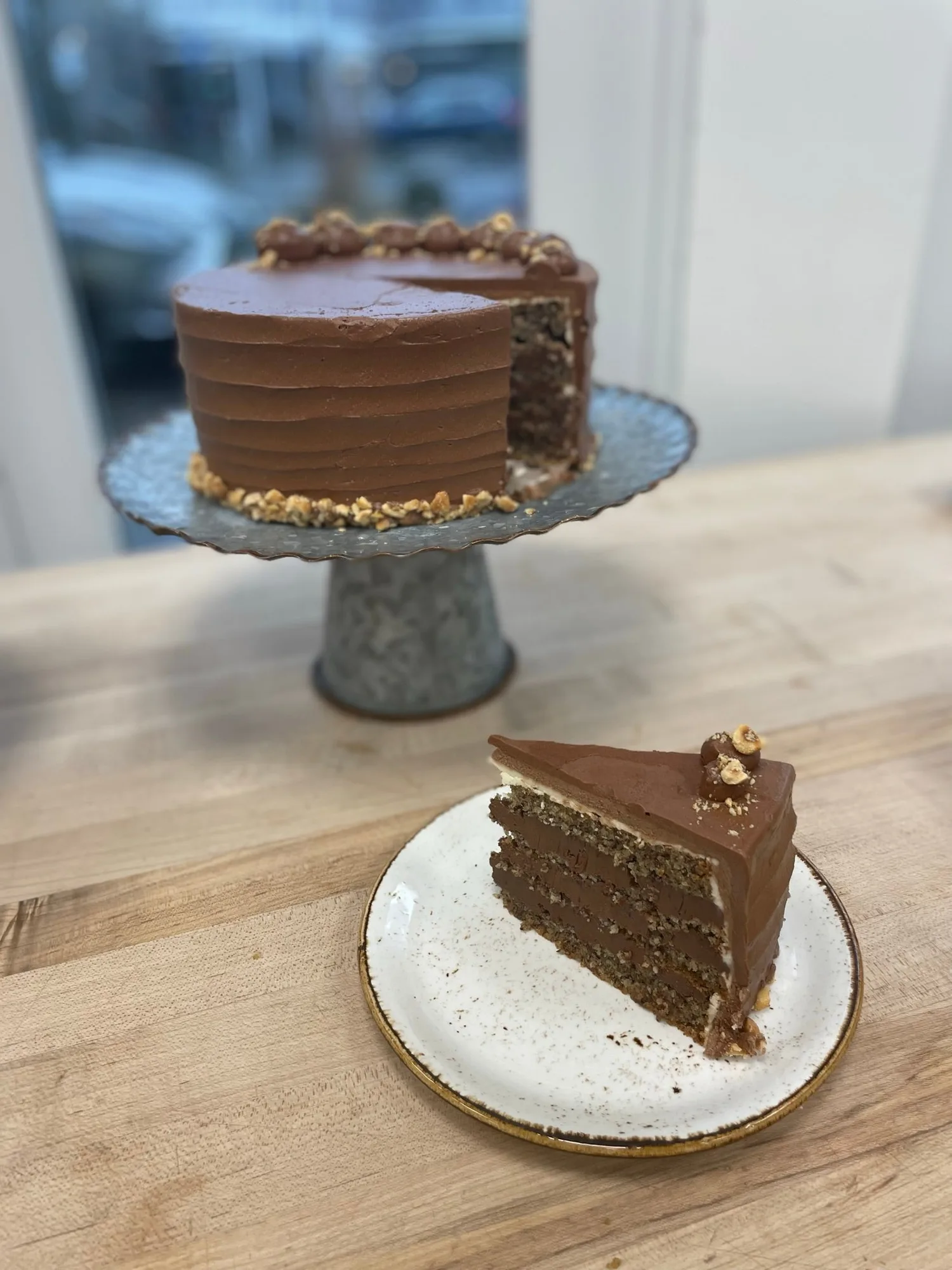
- Chocolate Hazelnut Cake: Hazelnut sponge cake with hazelnut praline, finished with chocolate buttercream, offered as an 8 inch, 3 layer cake and marked GF. Choose the Standard option when ordering. If you need a celebration cake but do not want to buy and store three 8-inch pans, this covers the occasion without adding bakeware.
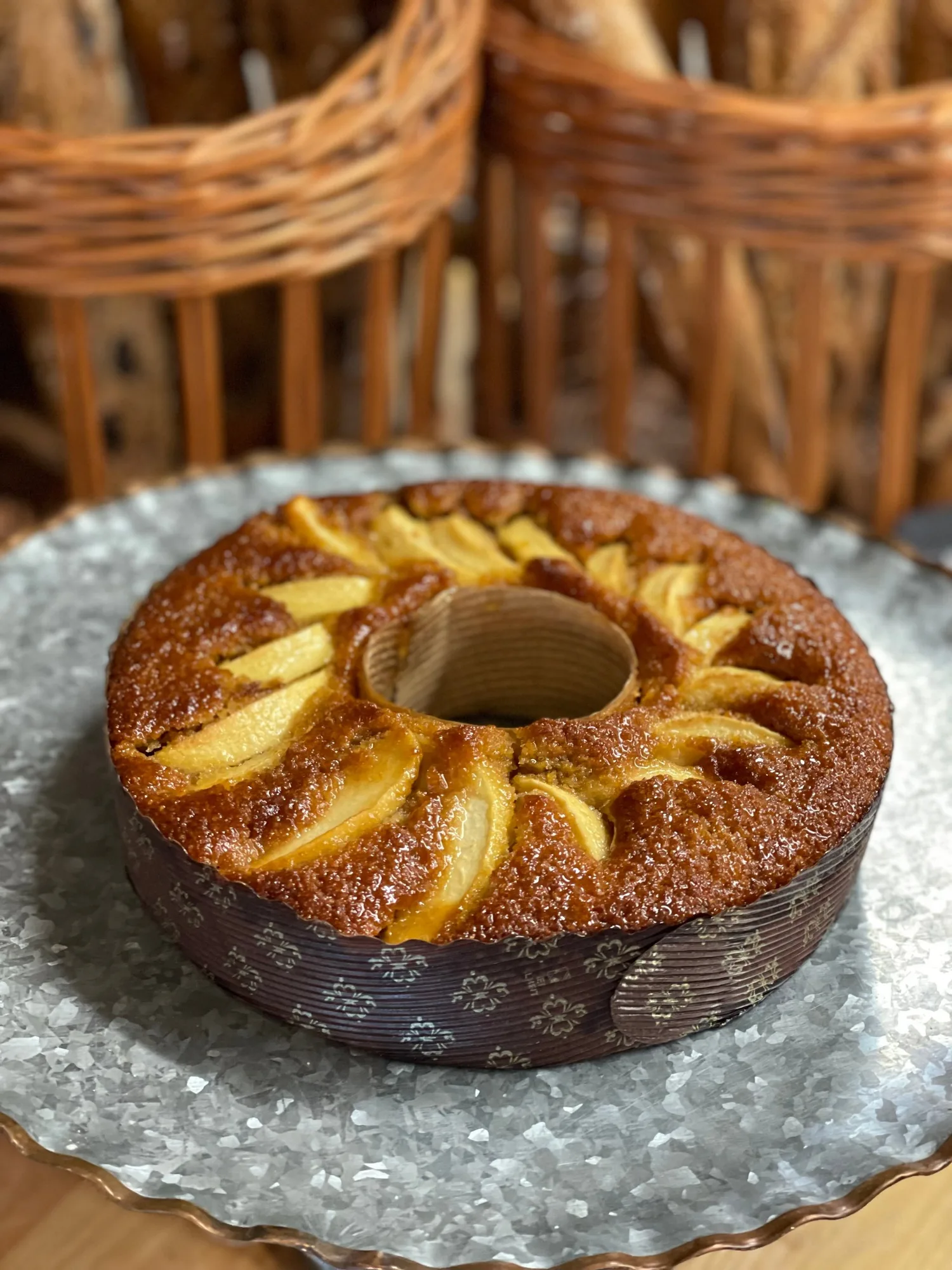
- Honey Cake 7 inch: A whole wheat orange scented honey cake made with Migliorelli Farm Mutsu Apples, tagged for Rosh Hashanah, from Kneads • Bakery • Café • Mill. A holiday-specific bake you can serve without owning a specialty pan; useful when your bakeware essentials do not include one for this recipe.
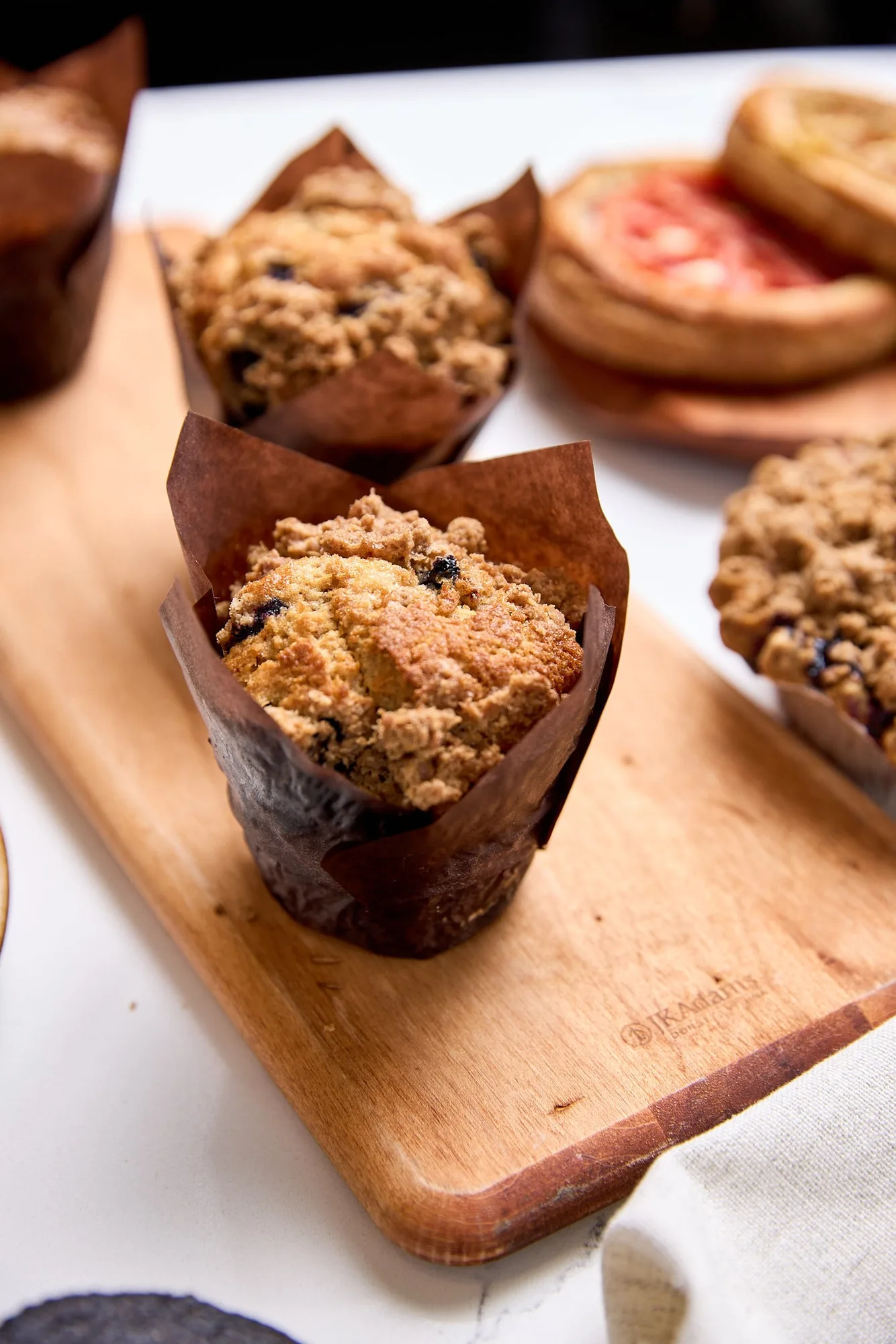
- Seasonal Muffin: A bakery treat offered as part of the seasonal pastry selection, tagged for Mother's Day and pastries, available in the Standard option. If you only make muffins a few times a year, buying a seasonal muffin can replace a muffin tin you would rarely use.
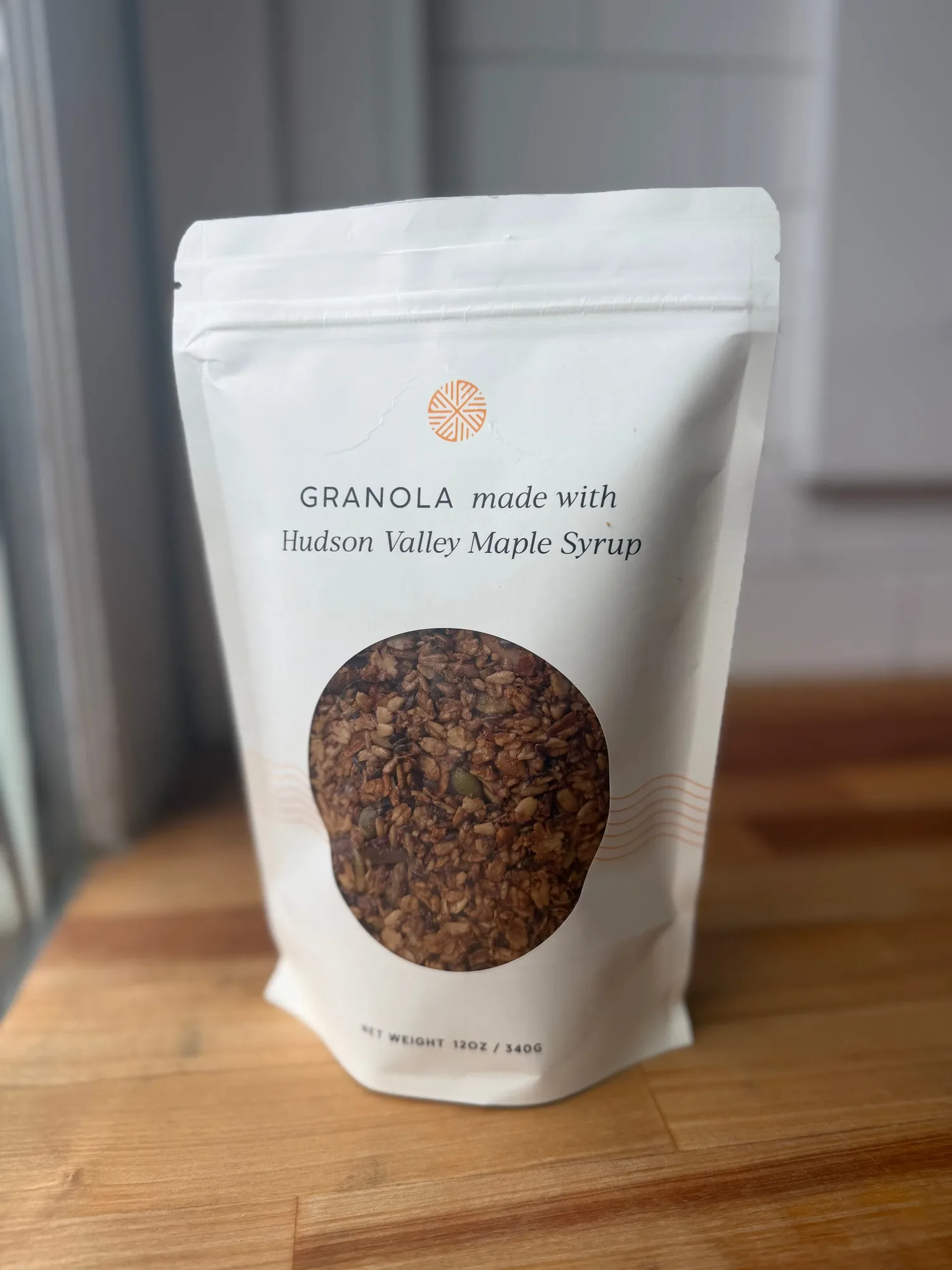
- granola-bar-box-44a273dd8d864cbaaafb1ba9-1645714">Granola Bar Box: One dozen granola bars (gluten free, vegan) made with rolled oats, maple syrup, EVOO, walnuts, almonds, cranberries, pumpkin seeds, dates, flax seeds, sunflower seeds, chia seeds, vanilla, and sea salt. A reminder that some baked goods are easier to buy than to make; if granola bars are the only reason you would buy a sheet pan, skip the pan.
Who should buy which
Best for a full or starter set
- Home bakers who bake at least weekly and have a dedicated cabinet for bakeware
- New households setting up a kitchen from scratch and wanting matching sizes
- Bakers who frequently make cakes, muffins, and sheet-pan recipes and will use most pieces
Not for
- Occasional bakers who bake a few times a year and would use only two or three pans
- Small kitchens with limited storage, where a set creates clutter
- Anyone buying a set mainly for one specialty recipe; buy that finished item instead
Buy individual pieces if you bake occasionally or have a small kitchen. Buy a starter set only if you bake often, have the storage, and can use nearly every pan in the box. For specialty cakes and seasonal treats, ordering from Kneads is often the simpler choice.